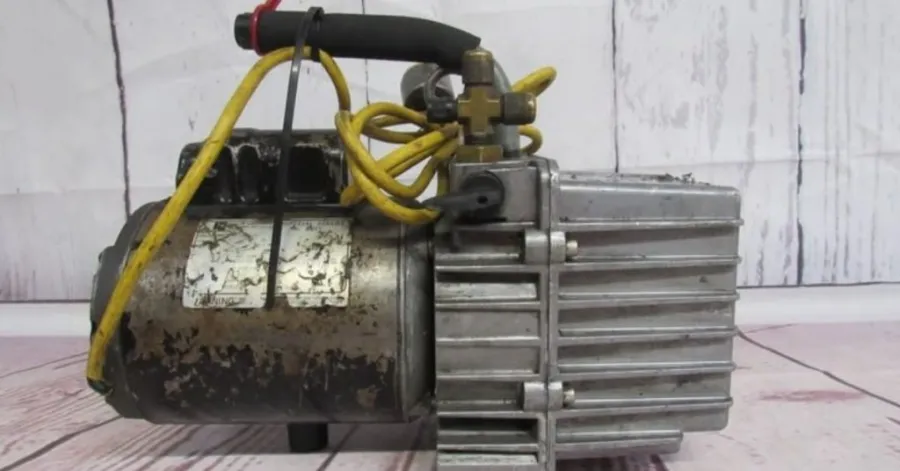
A refrigerant evacuation pump is a pump used to remove air and water from an HVAC system or refrigerator before adding refrigerant. Failure to use a refrigerant evacuation pump may result in poor system performance. It increases energy costs and causes damage to the equipment. Proper use of a vacuum pump ensures safety and improves system performance.
Table of Contents
What Is a Refrigerant Evacuation Pump?
Definition of a Refrigerant Evacuation Pump
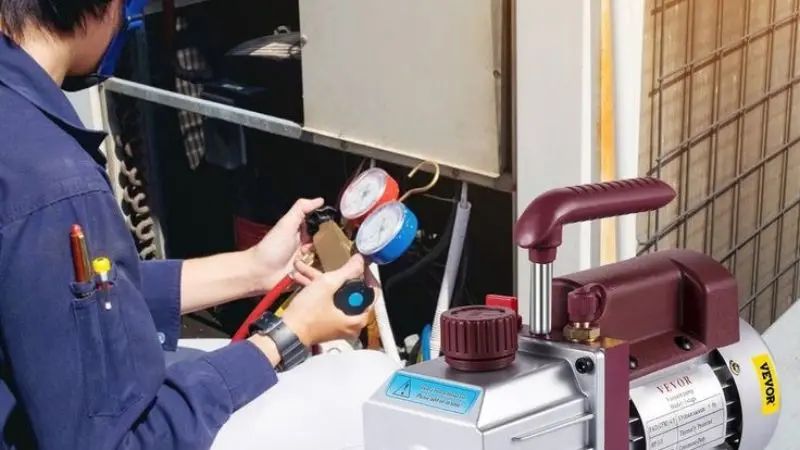
A refrigerant evacuation pump is equipment used for removing air and water from the cooling system. The equipment creates a vacuum in the system. Creating a vacuum in the system is required before introducing refrigerants into it. Use of a refrigerant evacuation pump prevents damage to the system.
Recommended For Your Project
Why It Is Used in HVAC and Refrigeration Systems
You use a refrigerant evacuation pump in HVAC and refrigeration systems to help them work well. Air and water can cause problems in these systems. If you leave air or water in the pipes, the refrigerant will not work right. You might see ice or hear odd sounds. The system could stop cooling. Using a refrigerant evacuation pump makes sure the refrigerant moves as it should. This step helps you avoid expensive fixes.
Refrigerant Evacuation Pump vs. Vacuum Pump: Are They the Same?
You may ask if a refrigerant evacuation pump and a vacuum pump are the same. Most people use both names for the same tool. Both pumps take out air and water from the system. But a refrigerant evacuation pump is made for HVAC and refrigeration jobs. It can handle what these systems need. Some vacuum pumps may not work with refrigerant. Always check the label before you use a pump for this job.
How Does a Refrigerant Evacuation Pump Work?
Step-by-Step Working Process
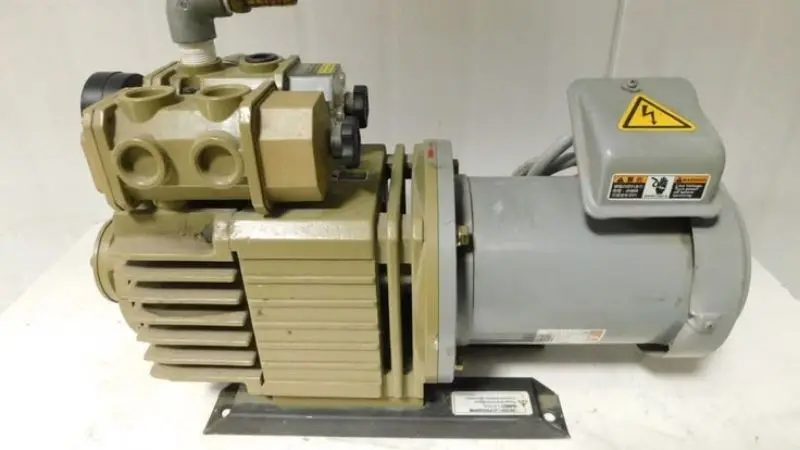
How to use a refrigerant evacuation pump? Follow a clear step-by-step process to use a refrigerant evacuation pump. First, connect the pump to the service ports on your HVAC or refrigeration system. Make sure all connections are tight. Next, turn on the pump. The pump will start to remove air and moisture from the system. Watch the vacuum gauge as the pump works. When the gauge shows the right vacuum level, you can turn off the pump. Always check for leaks before adding refrigerant. This helps you keep the system safe and efficient.
How the Pump Removes Air, Moisture, and Non-Condensable Gases
The vacuum pump uses a strong vacuum to pull unwanted substances out of the system. When you start the pump, it creates a low-pressure area inside the pipes. This pressure difference forces air, moisture, and non-condensable gases out through the pump. The pump continues to remove air until only refrigerant will remain in the system. Moisture leaves as vapor because the vacuum lowers the boiling point of water. This process keeps your system clean and dry.
Why Creating a Deep Vacuum Is Important
A deep vacuum pump is key for a healthy HVAC or refrigeration system. When you create a deep vacuum, you remove even tiny amounts of air and moisture. If you skip this step, leftover air or water can mix with the refrigerant. This can cause ice, corrosion, or poor cooling. You want only refrigerant inside the system for best results. A refrigerant evacuation pump for HVAC also helps you find leaks. If the vacuum level drops, you know there is a leak. Always use a vacuum gauge to check your progress and make sure you reach the right level.
Why Is Refrigerant Evacuation Necessary?
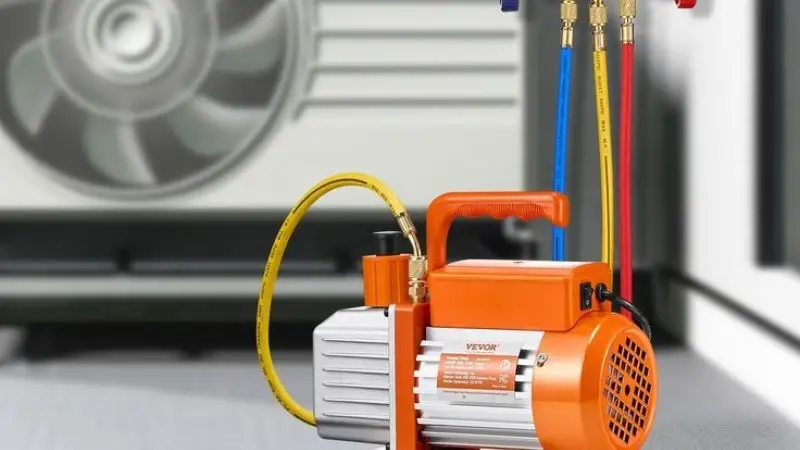
Prevents Moisture Damage
Evacuation ensures your refrigeration system stays free from moisture. Moisture can lead to ice formation and hinder refrigerant flow. Moisture can form ice within pipes and valves and prevent your system from functioning optimally. This moisture causes corrosion and acid attacks that corrode metal parts. Skipping evacuation will force you to incur huge repair costs. Always ensure there is no air or water in your system before charging refrigerant.
Enhances Efficiency of Cooling System
Evacuation enhances the efficiency of the cooling system. Moisture and air affect refrigerant efficiency, causing poor cooling capacity. Removing unwanted gases ensures efficient refrigerant movement. There are no additional energy costs, and your system will cool efficiently.
Increases Lifespan of Equipment
Every owner wants his system to last long. Evacuation protects the components in your system against rust and corrosion, which destroy vital components such as the compressor. Proper evacuation helps your equipment run longer. You avoid early breakdowns and keep your system strong.
Reduces the Risk of System Failure
Evacuation lowers the chance of sudden problems. Air and moisture make refrigerant act strangely. You might hear weird noises or see pressure changes. These issues can cause leaks or total failure. Doing a full evacuation keeps only refrigerant inside. This keeps your system stable and safe.
Main Components of a Refrigerant Evacuation Pump
A refrigerant evacuation pump has several important parts. Each part helps you remove air, moisture, and other gases from your system. When you understand these parts, you can use vacuum pumps more safely and effectively.
Electric Motor
The electric motor powers the best refrigerant evacuation pump. When you turn on the pump, the motor starts to spin. This spinning action drives the other parts inside the pump. Most vacuum pumps use electric motors because they give steady power. You need a strong motor to create a deep vacuum. If the motor fails, the pump cannot remove air or moisture from your refrigerant system.
Pump Chamber
The pump chamber is where the vacuum forms. Inside this chamber, moving parts create low pressure. As the chamber works, it pulls air and moisture out of your system. The pump chamber must stay sealed. If air leaks in, the vacuum will not reach the right level. Many vacuum pumps use a two-stage chamber. This design helps you reach a deeper vacuum for your refrigerant system.
Oil Reservoir
The oil reservoir stores the oil used by the pump. The oil maintains the working components lubricated and cool. Additionally, it helps seal the pump chamber. Proper oil is essential to allow the vacuum pumps to work efficiently and serve for a long time. Contaminated oil can affect the pump or reduce the vacuum level. It is always necessary to examine and replace the oil regularly, especially if you use the pump for many tasks on the refrigerants.
Inlet and Exhaust Ports
The inlet port is the link between the pump and your refrigerant system. On startup, air and moisture will pass through the port to the pump chamber. The exhaust port helps in discharging unwanted gases from the pump chamber. The ports should always be clean and free of obstructions. Any contamination in the ports results in a lack of vacuum. Vacuum pumps come with sturdy and convenient ports.
How to Use a Refrigerant Evacuation Pump
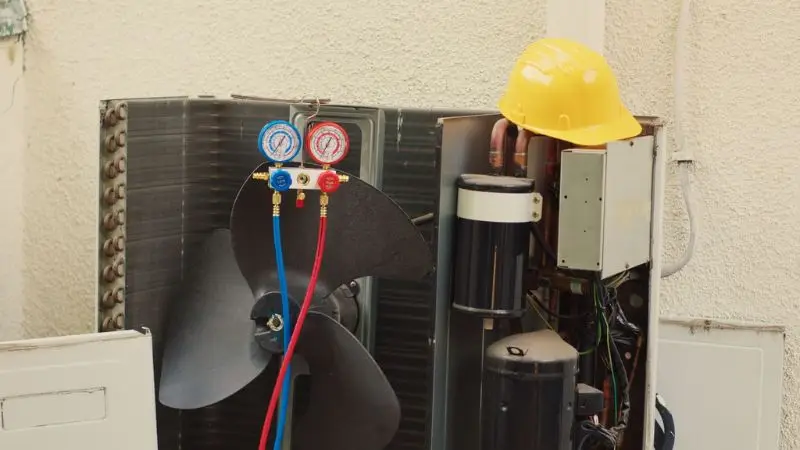
Prepare the HVAC System
Always begin by disconnecting the AC from power and then removing it from the power source. Personal protective equipment should be used at all times during the repair. PPE helps protect the user from any risks, including refrigerant and sharp pieces of metal. It is important to have a refrigerant recovery unit on standby if refrigerant removal is needed.
Connect the Pump Correctly
Identify the ports that should be used to carry out a refrigerant evacuation process for an air conditioning system. Connect the vacuum hose to the low-side port of the air conditioning unit. Ensure all connections are proper. If you notice there is any leakage, fix it before proceeding. Make sure you connect the vacuum pump‘s exhaust port to a safe place because you do not want to release any dangerous substances into the environment.
Evacuate the Air Conditioning System
Switch on the vacuum pump and let it work to create a vacuum within the AC system. This will help remove air, moisture, and non-condensable gases from the system. Continue evacuating the system until you get to the desired vacuum level. The evacuation process can be done to an air conditioning system of a house or car.
Test the Vacuum Level
Using a vacuum gauge to check the vacuum level is important. Pay attention to the vacuum gauge while the vacuum pump operates. You need the vacuum to reach the vacuum level required by the AC system manufacturer. A stable vacuum indicates there are no leaks. Troubleshooting during evacuation allows you to solve existing problems on time. Rushing here will not be helpful.
Turn Off the Pump and Disconnect It from the AC System
As soon as you reach the required vacuum, turn off the vacuum pump. Be careful when disconnecting the vacuum hose from the AC system. Do not allow the system to be opened and air to enter it. You can refill the AC system with the new refrigerant now. Remember safety rules and personal protective equipment.
Conclusion
The refrigerant evacuation pump will help you maintain the integrity of your cooling system. Take care of your equipment and save money by using the right method to evacuate air and moisture from your AC system.
-
- Follow all safety requirements.
-
- Use the appropriate evacuation pump.
-
- Test your work using a vacuum gauge.
FAQ
How often should an HVAC system be evacuated?
Your HVAC system must be evacuated each time it is opened for repair or inspection. This way, the system will remain clean. This will also prevent damage from air and moisture.
Will any vacuum pump do for refrigerant evacuation?
Not every vacuum pump is suitable for refrigerant systems. Make sure that the pump you are using was designed for HVAC operations. Otherwise, it could damage your equipment and cause moisture.
What would happen if the evacuation step is skipped?
Evacuation is necessary, as without it, the system contains air and water. Therefore, the cooling process won’t be performed effectively; additionally, your energy consumption will increase. Thus, the system may stop functioning.
How do you know when the evacuation process is completed?
By looking at the vacuum gauge. The vacuum gauge should show appropriate readings and hold on to them. If there is a drop in the reading, check for leaks or repeat the process.