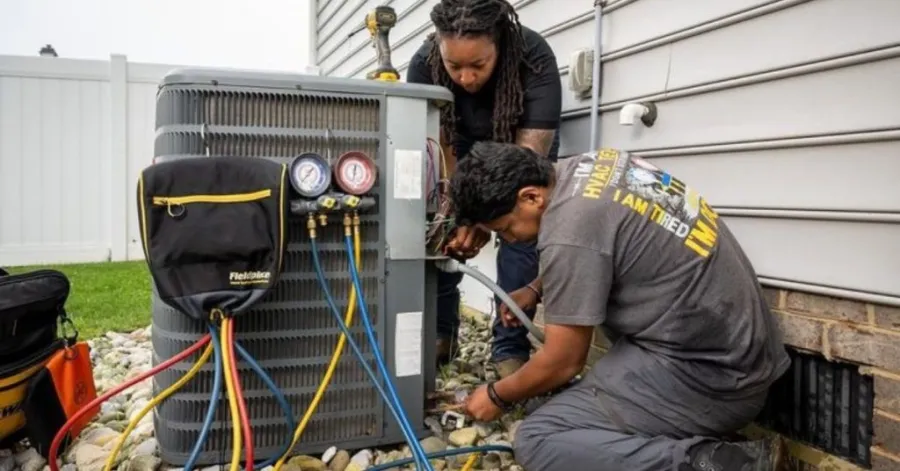
You should evacuate the refrigeration system to make sure the system functions effectively. Not doing so can lead to problems that may result in costly repairs or even total failure of the machine. However, you might ask yourself why it is necessary to evacuate the refrigeration system. By doing this, you will keep the system free of impurities and safe to operate.
Table of Contents
What Does It Mean to Evacuate a Refrigeration System?
Definition of Refrigeration System Evacuation
Evacuating a refrigeration system consists of removing air and moisture from the pipes and equipment. This provides a clear path for the refrigerant to pass through. You need no other substances that may interfere with the cooling process. If any air or moisture remains, the system’s operation will be disrupted.
Recommended For Your Project
How the Evacuation Process Works
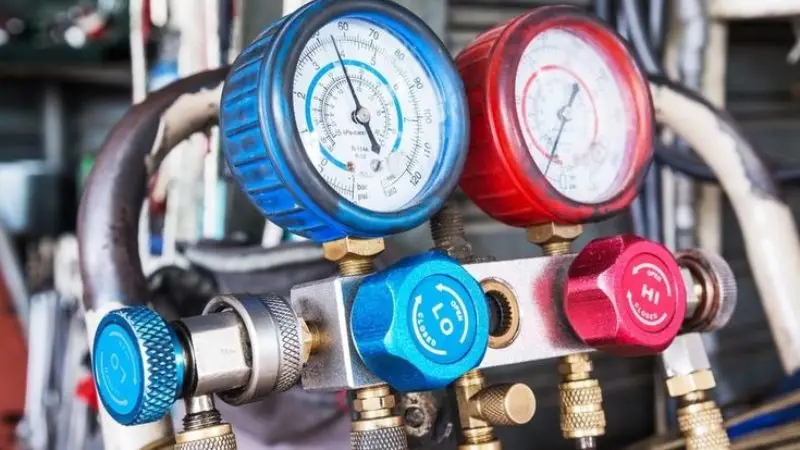
Why should a refrigeration system be evacuated? First, you hook up a vacuum pump to the refrigeration system. The pump takes out air and moisture. You check the pressure gauge to confirm the vacuum level. When the vacuum is deep, most bad stuff is gone. Sometimes, you keep the vacuum on longer to clear everything out. You might do the process again for better results. Before you finish, you check for leaks. If you find leaks, you fix them and do the evacuation again.
Tools Needed for Proper Evacuation
You need a few tools to evacuate a refrigeration system properly. Here is a simple table to help you:
| Tool | Purpose |
| Vacuum Pump | Removes air and moisture |
| Pressure Gauge | Monitors vacuum level |
| Manifold Gauge | Connects pump to system |
| Hoses | Transfers air and moisture |
| Leak Detector | Finds leaks in the system |
Using the right tools keeps your equipment safe. Good tools help you make a strong vacuum and protect the system. You also need to follow steps to evacuate a refrigeration system.
Why Is Evacuating a Refrigeration System Important?
Prevents Damage Caused by the Presence of Moisture
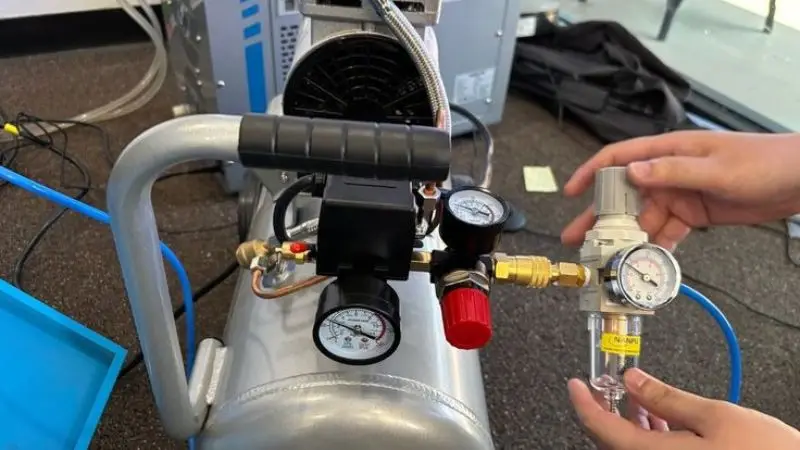
The absence of moisture prevents any possible damage to the system. It freezes and clogs pipelines. Also, moisture may lead to corrosion and rusting. Water vapor is removed during the dehydration process through a vacuum pump.
Removes Air and Non-Condensable Gases from the System
Presence of non-condensable gases in your system lowers its efficiency. Such gases are poorly compatible with refrigerants. Degassing through evacuation means removal of these gases from the pipeline. There should be no air or any other gases in the pipeline but the refrigerant.
Prevents Any Damages to the Compressor
The compressor will work much better after the proper evacuation. Moisture and non-condensable gases may lead to overheating and failure of the compressor. Evacuation of the system protects the compressor by removing any air and moisture from it.
Makes Your System Work Efficiently
After the proper evacuation process, you will experience better performance of the system. Absence of moisture and air allows for free movement of the refrigerant. Thus, your system will function more effectively and efficiently.
Increases Energy Efficiency
Why is evacuating a refrigeration system important? You save energy when you do it right. Evacuation lowers strain on your equipment. Refrigerant does not fight moisture or non-condensable gases. Your system uses less electricity and your bills go down.
Extends Equipment Lifespan
Refrigerant evacuation helps your equipment last longer. Moisture and air cause wear and tear. Evacuation keeps your system clean. You avoid expensive repairs and replacements. Why is evacuating a refrigeration system important? It helps your investment last longer.
Why is evacuating a refrigeration system important?
Evacuation removes moisture and air. You protect your compressor and improve performance. You increase energy efficiency and extend equipment lifespan. Refrigerant evacuation is the key to a reliable system.
What Happens If You Skip Evacuating a Refrigeration System?
Inadequate Performance of the Cooling System
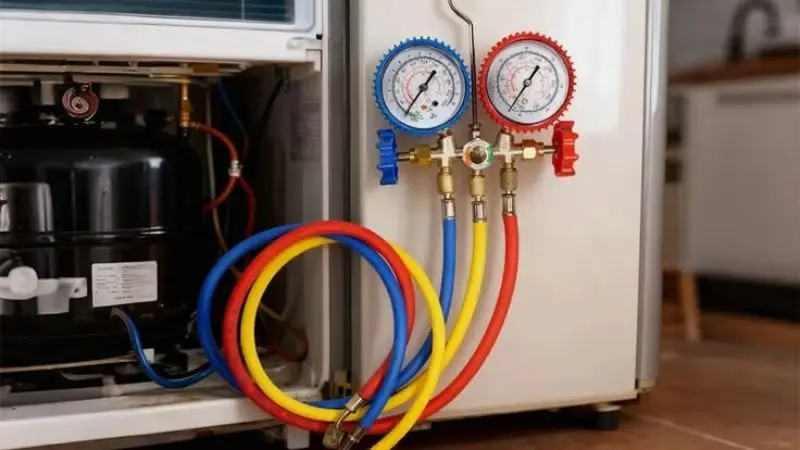
What happens if you don’t evacuate a refrigeration system? Poor cooling will be experienced if no evacuation occurs. Air and other contaminations remain in the system. The refrigerant will not flow properly, and the system will fail to attain the proper temperature. In such cases, you feel hot air in place of cool air.
High Energy Costs
Not performing evacuation in a refrigeration system will increase your energy costs. You have to work extra hard to force the refrigerant through the contamination. Energy consumption increases, and the compressor takes longer to operate. There are legal requirements that you must maintain system efficiency. Performing evacuation saves you cost.
Damage to System Caused by Moisture
The moisture in your system will damage your equipment. The moisture reacts with the refrigerant to form ice that blocks the pipes and reduces efficiency. Moisture is the cause of rust and leakages in the system. Driers help in removing moisture, but you should evacuate your system.
Compressor Malfunction
The compressor works under stress due to dirt and moisture inside the system. There is a danger of compressor malfunction. The compressor overheats and fails. It must be replaced. Refrigerant recovery is mandated by law before repairs. Proper evacuation procedures help you avoid costly repairs.
Decreased Reliability of the System
Not evacuating your system reduces its reliability. You experience frequent breakdowns. Your system fails to work when you most need it. Regulations require you to comply. You protect yourself by evacuating the system and removing dirt and moisture.
Warning Signs That a Refrigeration System Was Not Properly Evacuated
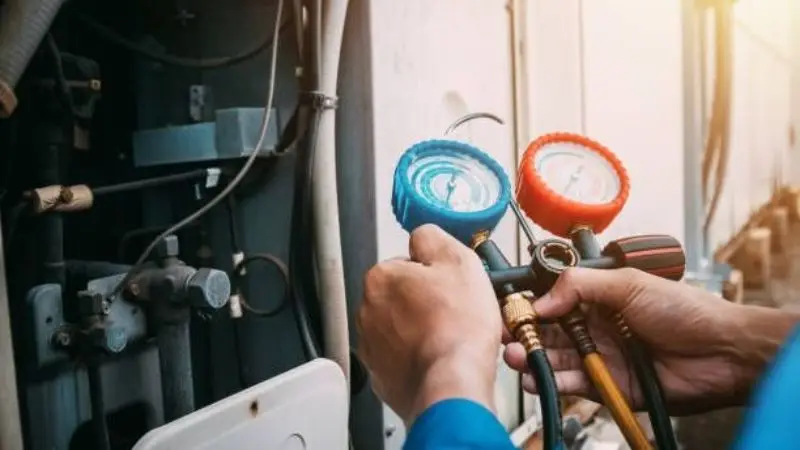
Various warning signs indicate that your refrigeration system was not evacuated properly. These signs help you know if you need to fix the evacuation problem before it gets worse.
High Head Pressure
How to evacuate your refrigeration unit properly? You might see that your gauges show high head pressure. This indicates increased effort from your system. Air or water in your pipes could be causing this problem. High head pressure affects your compressor and could make it fail.
Uneven Cooling
Your unit will cause uneven cooling. At times, the air is cool. Other times, the air is warm. This is caused by air or water blocking the flow of the refrigerant, resulting in uneven cooling and warm spots.
- Uneven Cooling
- Slow Temperature Changes
- Warm spots in your area
Formation of Ice
Ice formation is highly possible either in pipes or coils. Moisture freezes and results in blockage. Ice will hinder the refrigerant from passing through the system. You may see frost/ice formation where it is not supposed to be.
Unplanned System Malfunctions
Your compressor starts to cycle too frequently. It happens when your system experiences short cycling. Moisture or air can affect its performance. You hear the system operating frequently.
Unforeseen System Malfunctions
Your compressor begins to cycle often. This occurs when your system malfunctions and cycles short. Moisture or air may affect its efficiency. You hear your system operate frequently.
Conclusion
Proper evacuation ensures effective performance of the refrigeration system. Here is how proper evacuation benefits you:
- Improved cooling process
- Reduced operating expenses
- Longer life span of equipment
- Fewer repairs needed.
FAQ
How long does it take to evacuate the refrigeration unit?
It takes from 15 to 45 minutes. The duration varies depending on the unit’s capacity and the amount of moisture or air present. Make sure your vacuum gauge indicates the process is complete.
Can I forgo evacuation if I use new components?
Absolutely not. Even new components might contain moisture or air. Evacuation ensures that your refrigeration unit remains safe and clean.
What if I do not evacuate using a vacuum pump?
Without a vacuum pump, you cannot ensure removal of all moisture and air from your unit. It will not function properly, and you will be at risk of damage and increased utility expenses.
Should a professional conduct the evacuation process?
If you have the necessary equipment and knowledge, you can do the basic part yourself. To get a guaranteed result, you should contact a certified technician with experience in the matter.