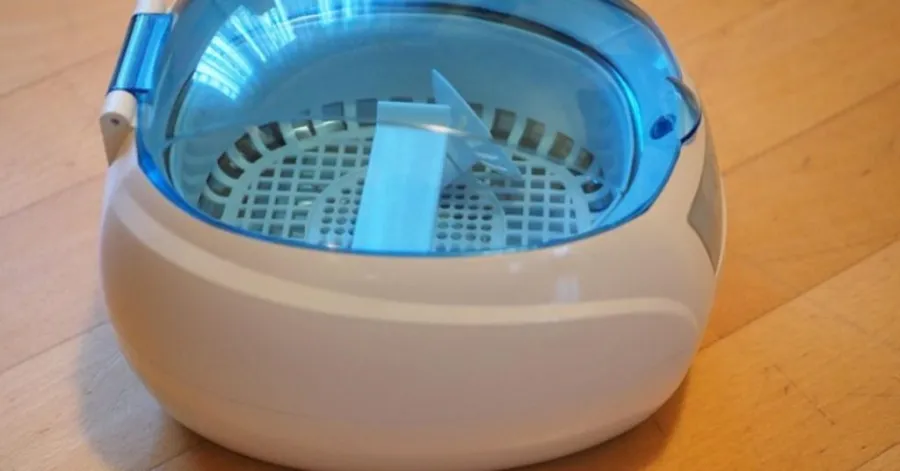
A heated ultrasonic cleaner uses high-frequency sound waves and heat to clean jewelry of dirt, grease, and residue. Heat and ultrasonic vibrations break down stubborn deposits. Fill the tank with filtered water and the appropriate pH-balanced cleaner. Place the safe items into the basket and set the appropriate temperature and cleaning time. Before you start, always check that your jewelry is suitable for ultrasonic cleaning.
In this essay, we’ll cover how an ultrasonic cleaner works, what jewelry materials it can safely clean, and how to use it properly. We’ll explain the right temperature settings, common errors to avoid, and typical cleaning durations.
What Is a Hot Ultrasonic Cleaner and How Does It Work?
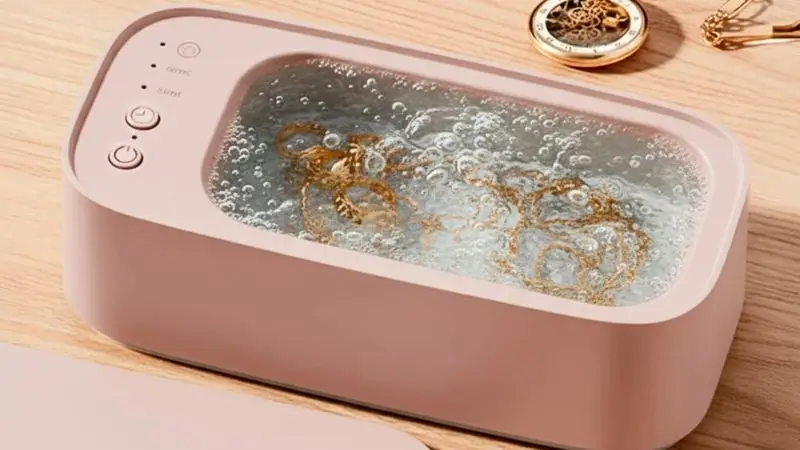
You can use a jewelry cleaner that employs high-frequency sound waves and heat to clean your jewelry. The sound waves generate small bubbles in the cleaner, and the heat helps remove stubborn stains. Cleaning effectiveness depends on the type of jewelry, the solution, the temperature, and the cycle time.
Recommended For Your Project
How Does a Hot Ultrasonic Cleaner Work?
What is a heated ultrasonic cleaner? The receiver sends powerful sound waves into the tank’s liquid. Cavitation is the formation and rapid collapse of small bubbles caused by these waves. These bubbles clean jewelry by removing dirt and oil from hard-to-reach areas. The heater also warms the cleaning solution to help clean the items. This helps remove some residue and makes cleaning easier.
How Ultrasonic Waves Remove Dirt and Grime
How does a heated ultrasonic cleaner work? Ultrasonic cleaning uses cavitation to clear debris from jewelry surfaces and tiny cracks. The energy created when the microbubbles implode can loosen dirt and grime without harsh chemicals. But this method can damage precious stones, glued settings, and heat-sensitive materials, and isn’t suitable for all jewelry.
Benefits of Using a Heated Ultrasonic Cleaner
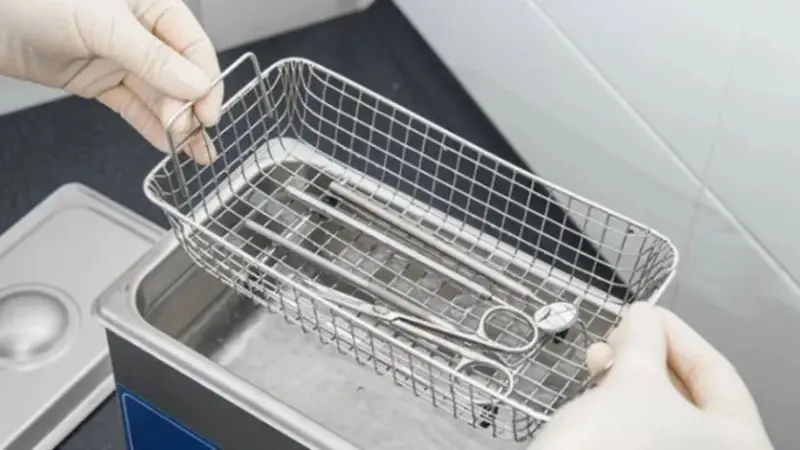
Ultrasonic cleaning removes contaminants from the surface of the jewellery and from small crevices using cavitation. The collapsing microbubbles generate energy that helps loosen dirt and grime without washing. However, this method can harm bonded settings, heat sensitive materials and expensive gems and is not suitable for all jewellery.
How Heat Improves the Jewelry Cleaning Process
How to use a heated ultrasonic cleaner? Heat can improve ultrasonic cleaning in several ways. The hotter the liquid, the more gas it can store. This causes more violent cavitation. Bubbles are more likely to form and to collapse more violently. So you get a cleaner, more thorough clean. Heat helps to loosen up trapped dirt. Warm oils and greases thin faster when ultrasonic waves clean them. A hot unit saves you time and labor.
Removes Stubborn Grease and Oil
How does ultrasonic cleaning with heat work? Loosen greasy residues off jewelry and metal items with a heated cleaning solution. This lets the solution and ultrasonic waves work together to eliminate residue with minimal manual scrubbing.
Cleans Hard-to-Reach Areas
Ultrasonic bubbles penetrate microscopic gaps, elaborate designs and fine cracks that brushes often miss. The machine is therefore appropriate for rings, chains, watch bands and other detailed metal articles.
Saves Time and Effort
If you know how to use an ultrasonic cleaner, you can select the right solution, temperature, and runtime for the items you’re cleaning. Automatic cleaning saves time and effort, and short cycles may remove daily grime and residue.
Provides More Consistent Cleaning Results
How does a heated ultrasonic cleaner work? An ultrasonic cleaner can clean multiple compatible items at once, with consistent results when you place them in the basket correctly. Suggested settings can improve cleaning while reducing unnecessary repeat cycles.
Safety tip: Always refer to your jewelry’s care instructions before cleaning. Heat or ultrasonic vibrations can damage some jewelry, including glued-together settings, certain precious stones, and small, delicate items.
Ultrasonic Cleaners: Jewelry and Watches — Can They Clean?
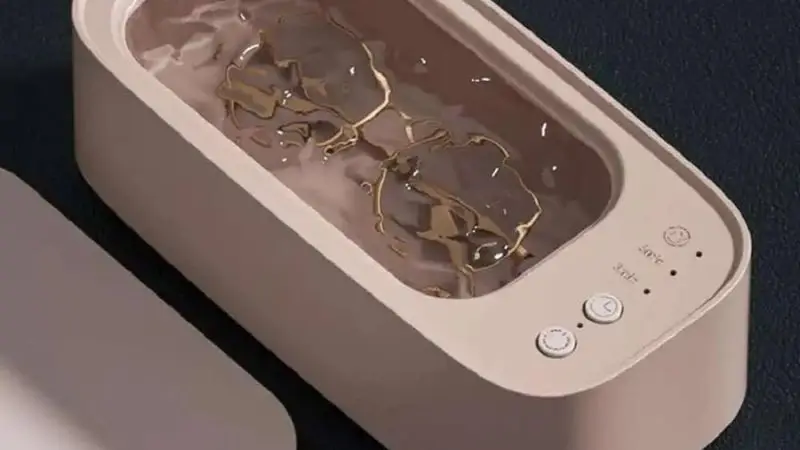
What temperature should an ultrasonic cleaner be? An ultrasonic jewelry cleaner can clean suitable gold, platinum, and stainless steel jewelry. Depending on the condition and setting, some diamonds and durable jewels may also be suitable. Always check the care label before washing anything.
Jewelry That Is Usually Safe for Ultrasonic Cleaning
What is a heated ultrasonic cleaner? Usually, solid gold chains, platinum rings, and stainless steel watch bands are okay, as long as they don’t contain any loose or sensitive pieces. Some diamonds, rubies, and sapphires may also be suitable for ultrasonic cleaning. Please put acceptable items in the basket separately to avoid scratching.
Jewelry You Should Never Put in an Ultrasonic Cleaner
How hot should an ultrasonic cleaner be? Do not clean pearls, opals, or turquoise, as heat and vibration can damage these stones. Heat and vibration can also damage cracked emeralds, vintage jewelry, glued-in settings, enamel, and painted finishes. Water resistance doesn’t mean ultrasonic safety, so watches need extra care. Follow the manufacturer’s directions for using an ultrasonic cleaner.
What You Need Before Using a Heated Ultrasonic Cleaner
Clean up before you gather your supplies. You need a mild cleaning solution, distilled water, and a soft towel. Most cleaners include a basket to hold jewelry and minimize scratching during cleaning.
Choosing the Right Ultrasonic Cleaner for Jewelry and Watches
Look for a machine with easy-to-use controls, a retractable basket, and ample tank capacity for your items. How long does it take to use a heated ultrasonic cleaner? Check the temperature range, timing settings, and cleaning instructions before use. Some watch bracelets may take up less space than small jewelry items. Larger tanks or higher temperatures don’t always improve performance.
Selecting a Suitable Ultrasonic Cleaning Solution
How to use a heated ultrasonic cleaner? Use a cleaning solution safe for your jewelry and compatible with ultrasonic equipment. Follow the instructions for filling and diluting (See product label). Distilled water, used as directed, can help clean, but it may not remove all dirt and oils. Do not use bleach, abrasive cleaners, or unapproved chemicals that could damage coatings, metals, or gemstones.
Checking Jewelry and Watches for Loose Stones or Damage
How does ultrasonic cleaning with heat work? Before you polish each piece, check for loose stones, bent prongs, cracked settings, damaged links, or worn clasps. Heat and vibration can worsen existing damage, so have a jeweler inspect any weak or damaged piece first. Also check glued parts, coatings, and gemstone treatments. Before installing any component in the tank, follow the manufacturer’s watch guidelines.
Alt text: Ultrasonic Cleaner for Watch
Temperature and Cleaning Time Settings
What temperature should an ultrasonic cleaner be? The right temperature depends on the jewelry, cleaning solution, and type of grime. Use the manufacturer’s recommended settings, since hotter water isn’t always better. Short cycles may suffice for routine cleaning of suitable metalware. Repeat a cycle. After each cycle, check the results. Excess heat or overly long cleaning can damage delicate components.
Use of a Heated Ultrasonic Cleaner for Jewelry and Watches
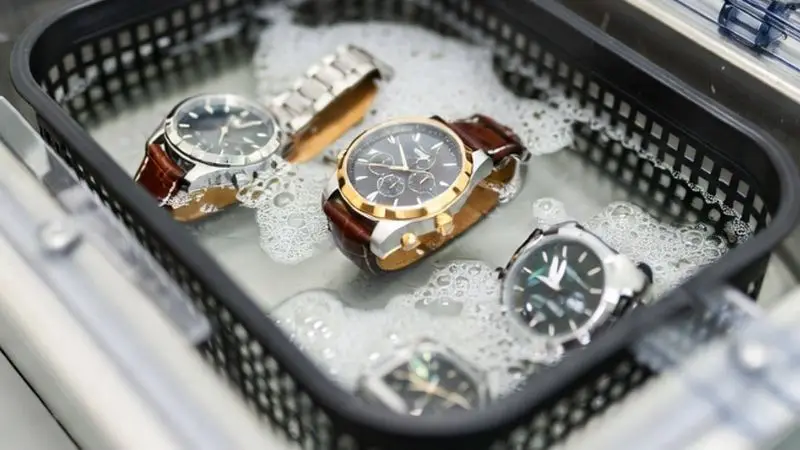
Step 1: Read the Manufacturer’s Instructions
What is a heated ultrasonic cleaner? Before adding water or turning it on, refer to the cleaner’s handbook. Check the fill line, allowed cleaning solutions, temperature range, and maximum cycle time. Make sure your jewelry is safe for an ultrasonic cleaner.
Also read the jewelry or watch manufacturer’s care instructions. Do not use the machine on fragile stones, glued parts, and inappropriate finishes. If the instructions don’t say that an item is safe, don’t clean it in the tank.
Step 2: Fill the Tank With Water and a Suitable Cleaning Solution
How hot should an ultrasonic cleaner be? Place the cleaner on a flat, dry surface. Fill the tank with the designated fluid to the level shown. Add the ultrasonic cleaning solution as indicated on the label. Do not overfill the tank. When you add the basket or start the cycle, liquid can leak out.
Use a machine- and item-safe solution. Never drop jewelry directly into an empty tank or run the unit without the correct liquid.
Step 3: Set the Correct Water Temperature
Select a temperature that matches the cleaning solution and the materials in the basket. Warm liquid can release oils from sturdy metal jewelry, but heat can damage some watch parts, adhesives, and gemstones. If you are wondering how long to use a heated ultrasonic cleaner, follow the manufacturer’s recommended settings for your items.
Step 4: Place Jewelry in the Cleaning Basket
How does a heated ultrasonic cleaner work? Place acceptable jewelry in the retractable basket. Place each item so the liquid can reach all surfaces—separate rings, chains, and bracelets to reduce scratching and tangling during the cycle.
Don’t overfill the basket or let anything sit on the very bottom of the tank. Secure clasps and fragile sections before beginning.
Step 5: Choose the Right Ultrasonic Cleaning Time
Set the timer according to your machine’s instructions and how dirty your items are. If you don’t know how long to use a heated ultrasonic cleaner, start with the short cycle listed for the jewels it can clean. If the deposits are heavier, use an alternative cleaning method instead of running the lengthy cycle again.
Check the results at the end of the cycle. Longer cleaning is not always better and may increase the risk of damage to vulnerable components.
Step 6: Start the Heated Ultrasonic Cleaning Cycle
What temperature should an ultrasonic cleaner be? If the instructions suggest, close the lid and start the cycle. Do not put your hands in the tank while the machine is running. Let the cleaner run through its programmed cycle without shifting the basket excessively.
Listen for any strange noise or leakage. If you see a problem, shut down the equipment and do not touch the liquid while the heater or ultrasonic is operating.
Step 7: Rinse Jewelry With Clean Water
How to use a heated ultrasonic cleaner? Switch off the cleaner and carefully remove the basket. Let the excess liquid drain back into the tank. Rinse items that the cleaning solution label says can be rinsed with clean water.
Make sure no residue remains in small gaps or near settings. Handle delicate items carefully and follow their care recommendations.
Step 8: Dry and Inspect Your Jewelry Carefully
How hot should an ultrasonic cleaner be? Pat dry appropriate items with a delicate, lint-free cloth. Do not rub the delicate finishes or tug on the thin chains and microscopic parts. Let each item dry completely before cleaning.
Check for damage to stones, settings, clasps, and links. If you see any damage, stop using the item and get professional help.
Step 9: Clean and Maintain the Ultrasonic Cleaner After Use
How does ultrasonic cleaning with heat work? Before emptying or cleaning, switch off the unit and disconnect it. Follow instructions. If needed, let the liquid cool, then dispose of the used solution as indicated on the package. Use authorized cleaning methods and wipe the tank with a soft cloth.
As suggested. Outside, dry the tank. Keep the cleaner dry to reduce residue build-up and keep it ready for future use.
Conclusion:
A heated ultrasonic cleaner helps remove grime, grease, and residue from suitable jewelry without hard scrubbing. For best results, choose an appropriate cleaning solution, follow the suggested temperature and cycle duration, and inspect each item’s material and condition before cleaning. Don’t put delicate jewels, glued settings, or incompatible watches in the tank. Clean the tank after each use as directed, refill the solution when needed, and store the unit in a dry area. Use it correctly and keep it maintained to protect your jewelry and keep your cleaner ready for the next use.
FAQs
1. Which industrial ultrasonic cleaners are best for jewelry manufacturing and repair (top 7)?
L&R Quantrex 90, 140, and 210; CREWORKS 2L, 3, and 9.5; and GemOro Brilliant Spa offer options for cleaning jewelry, removing polishing residue, and supporting repair workshops.
2. Which industrial ultrasonic cleaners offer the best combination of heater and pump features (top 6)?
Worth comparing are the L&R Quantrex 140, 210, and 360; VEVOR 3L and 9.5L; and CREWORKS 10L. Check heating performance, drainage systems, and pump availability before purchasing.
3. Which industrial ultrasonic cleaners offer the most accurate temperature controls (top 6)?
Consider VEVOR 3L, 9.5L, and 15L, alongside CREWORKS 2L, 10L, and 30L. Compare temperature accuracy, adjustment ranges, and control stability to ensure consistent, professional cleaning results.
4 . What are the best industrial ultrasonic cleaners with digital timers and presets (top 8)?
Consider the L&R Quantrex 90, 140, and 210; the L&R SweepZone 310R; the Magnasonic MGUC500; the VEVOR 3L and 15L; and the CREWORKS 10L. Verify digital controls, preset cycles, and timer flexibility.