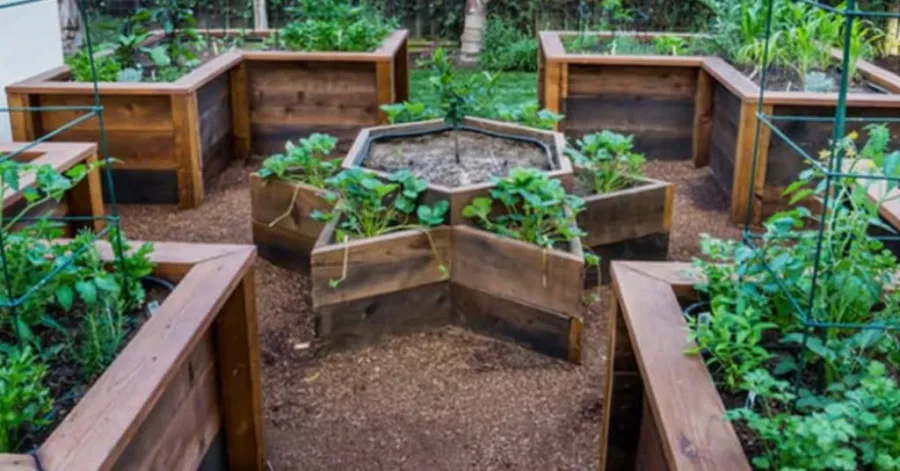
Raised garden beds offer a simple and effective way to grow plants above ground, making gardening easier and more enjoyable. In 2026, they are becoming increasingly popular because they fit any space, from small patios to large backyards. These beds improve soil quality, provide excellent drainage, and make plants more accessible for planting and harvesting. You can also choose from a variety of raised garden bed designs to match your style, whether classic, modern, or creative. With thoughtful planning, you can transform your outdoor space into a productive and beautiful garden that meets your needs.
Popular Raised Garden Bed Styles for Home Gardens
There is a wide variety of different styles of raised garden beds, each of which influences the functionality and appearance of the garden in its own special way. The materials and styles, classic or contemporary, invite a number of choices, and getting a handle on the options available to you will help you to maximize your space, fit your budget, and accomplish your gardening goals. The following are a selection of styles of raised garden beds, appropriate for novice and veteran garden enthusiasts alike.
Classic Wooden Raised Garden Beds
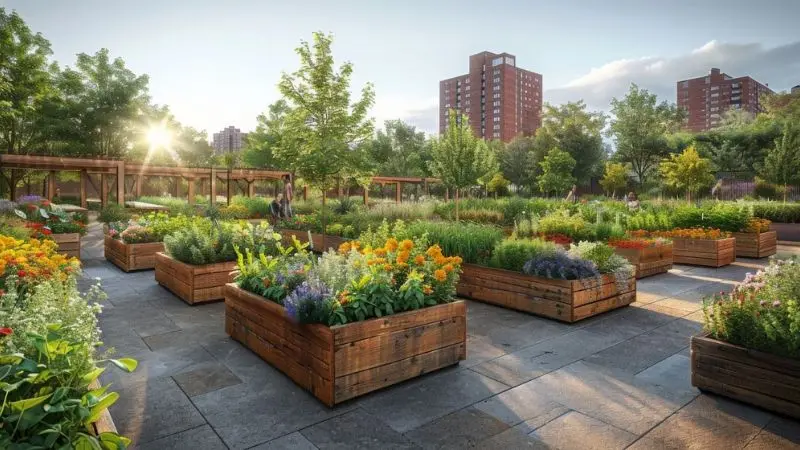
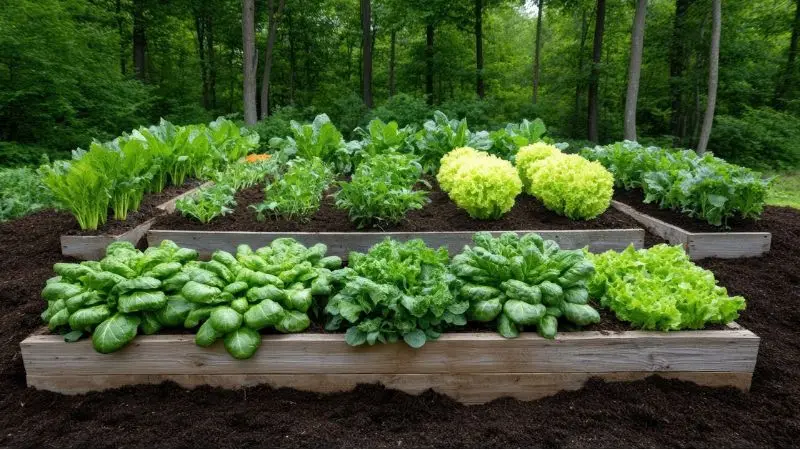
Wood remains one of the most popular choices when it comes to raised garden bed designs for home gardens. It blends naturally with outdoor spaces and works well in both small yards and large landscapes. Cedar and redwood are commonly used because they resist rot and last longer in changing weather. Many homeowners prefer wooden beds because they are easy to customize in height and shape. Tiered layouts allow more planting space while keeping the garden organized. These designs are especially useful for people growing herbs and vegetables at home, making them ideal raised garden beds designs for vegetables that feel warm and inviting.
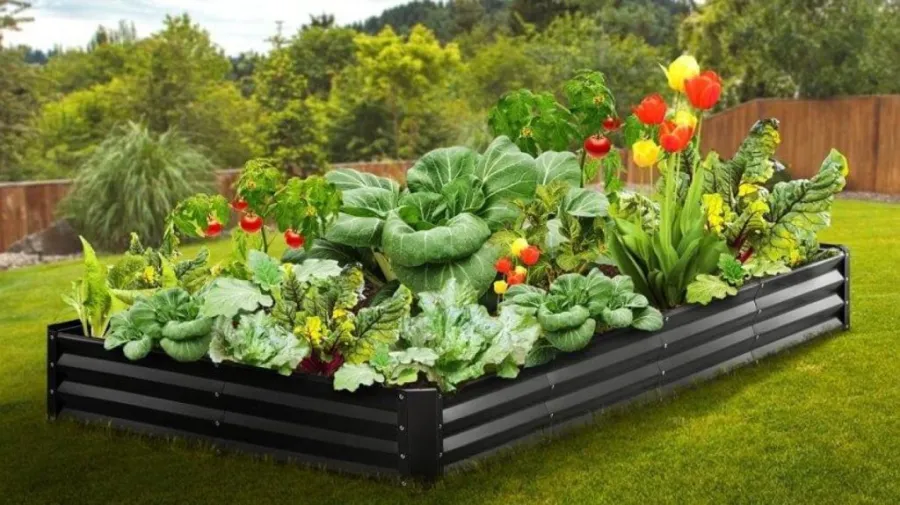
Modern Metal Raised Garden Beds
For those who like an organized and minimalist appearance in their garden, metal garden beds are ideal. Constructed with materials such as galvanized steel and corrugated metal that are resistant to moisture, pests, and temperature variations. Urban gardeners usually select these beds because of their space-saving and low-maintenance characteristics. Their modern appearance also fits well with vertical supports for climbing plants. The long-lasting value and durability of metal beds are often appreciated by gardeners. Crafted with thought, metal beds can contribute to creative and modern designs for raised garden beds while providing an ideal balance of style and function to the garden.
Stone and Brick Raised Garden Beds
Stone and brick designs add a sense of timelessness and solidity to home gardens. These materials are ideal for gardeners who want to create without prolonged structures that maintain their position for years. Stone and brick beds may be constructed in straight or curved lines with the added interest of a garden layout. They also lock in heat well, which helps early plant growth during cool seasons. These designs work particularly well in the larger worksheet, where structure and durability are important. Many homeowners blend stone beds with seating edges to create raised garden beds with seating that offer both beauty and comfort.
Recycled and Budget-Friendly Raised Garden Beds
Functionally raised garden beds securely made out of recycled, inexpensive, and also creatively customized materials, like used wooden pallets, barrels, and repurposed wood, can provide flexible planting spaces. These wooden recycled beds can creatively provide options to renters and beginners. These creatively recycled wooden beds can provide customers with budget-friendly, unique raised garden bed designs for limited-space areas. Economically placing materials combines for more unique and different recycled wooden garden beds. These recycled wooden garden beds will provide customers with a personal touch, make a positive, added eco-friendly impact, and will be just as effective as other traditional garden beds.
Raised Garden Bed Ideas for Small Spaces
Utilizing a small space to its fullest potential not only serves an aesthetic value but also creates a productive and inviting atmosphere. Adding certain elements, like vertical space with raised planters, wall planters, and other compact designs, can create open areas to positively provide additional planting space.
Raised Garden Bed Layouts for Small Backyards
Small backyards benefit from designs that use space efficiently without making the area feel crowded. Narrow raised beds placed along fences or walls allow you to grow herbs, flowers, and vegetables while keeping the center open. Tiered beds are another great solution, as they add planting space by building upward instead of outward. These layouts often work well as raised garden beds designs for vegetables, especially for gardeners who want variety in a compact area.
To make the most of every corner, many gardeners choose simple layout techniques such as:
- Corner beds that turn unused areas into planting zones
- L-shaped beds that fit naturally around patios or decks
- Raised beds with built-in edges that double as casual seating
When combined thoughtfully, these options create creative raised garden beds designs that feel open, functional, and visually appealing.
Raised Garden Bed Solutions for Patios and Balconies
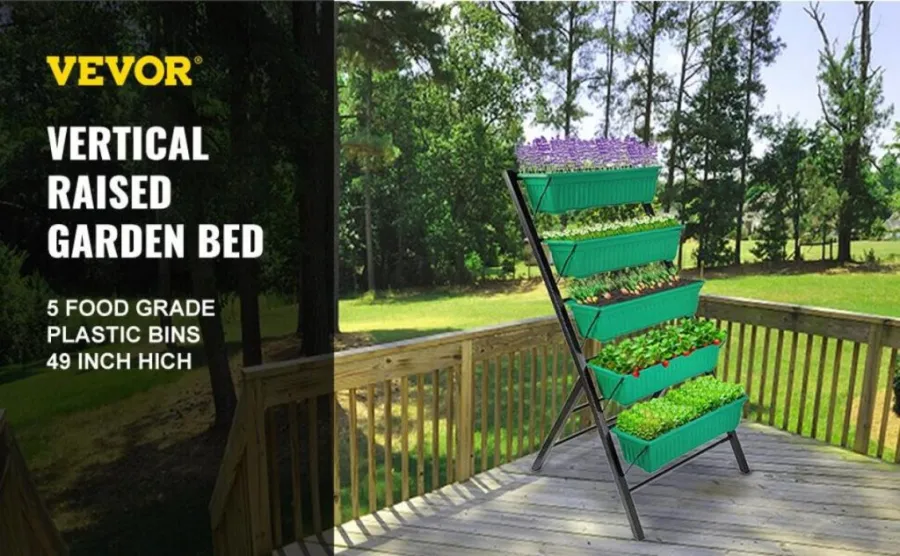
Patios and balconies are great places for small raised beds that can be easily maintained and moved. Wooden boxes, small modular planters, and fabric grow bags are affordable and flexible. These options are great for anyone with limited floor space or renters. Vertical arrangements and stackable beds are great for maximizing planting space while keeping walkways open. These are some of the most affordable raised garden beds for urban living.
Some of the most popular choices in these spaces are:
- Easily repositionable rolling planter boxes
- Vertical beds and stackable beds for herbs and leafy greens
- Planters that mount to railings or hang for trailing plants
Patios and balconies can even have raised garden beds with seating and become relaxing green corners with the right selection.
Raised Garden Bed Ideas for Large Gardens
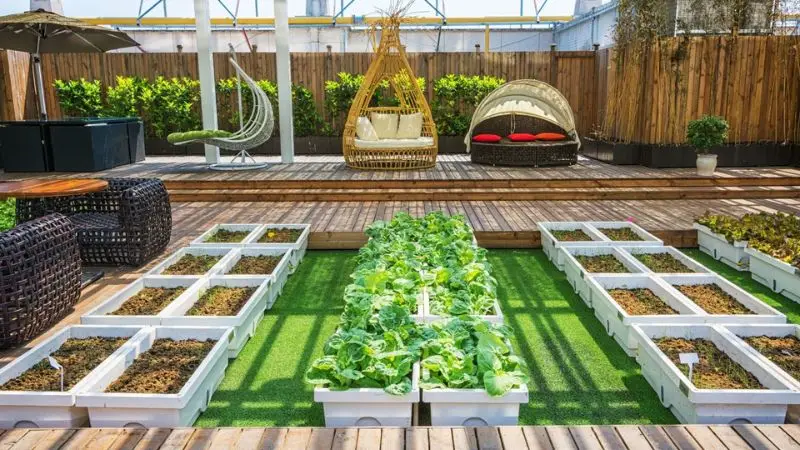
When you are working with large spaces, you have the freedom to create g plenty of beautiful and productive planting compartments. Larger spaces also allow you to play with layouts that enhance accessibility, space, and design. Thoughtful planning helps you grow more plants while making your garden comfortable to move through and easy to maintain.
Raised Garden Bed Layouts for Large Spaces
When space is not a limitation, layout becomes an opportunity for creativity. Large gardens allow you to use multiple raised beds in coordinated patterns that improve both function and appearance. Beds can be arranged in straight rows for efficiency or shaped into curves and clusters for a more natural look. These layouts make watering, harvesting, and soil care much easier while supporting healthy plant growth. Many gardeners use wide pathways to move tools and carts comfortably, which keeps the garden practical year-round. Well-planned raised garden beds designs for large spaces also create a balanced flow between planting and walking areas.
Popular layout choices often include:
- Grid-style arrangements for organized planting and easy expansion
- U-shaped beds that allow access to plants from multiple sides
- Keyhole layouts that reduce walking distance while maximizing planting space
Raised Garden Bed Designs for Vegetable Gardens
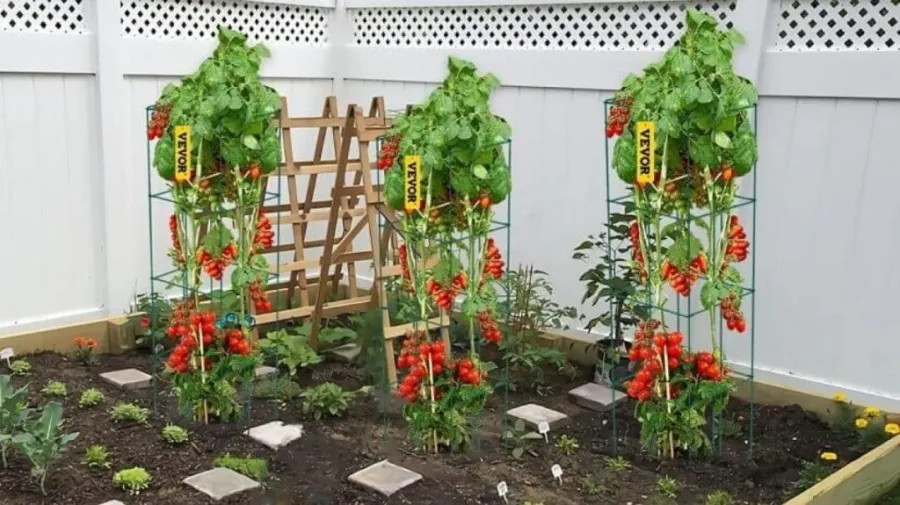
Raised beds are especially beneficial for large vegetable gardens and different types of plants. Deep beds are ideal for growing root crops, while wider ones provide ample space for sprawling vegetables to spread. In large vegetable gardens, raised beds are also beneficial for controlling soil quality and weed issues, which are even more critical. Adding supports or trellises allows vegetation to climb and frees up soil, while improving circulation. For these reasons, raised vegetable garden beds are simple and efficient to manage throughout the growing season.
Gardeners often visualize their vegetable beds:
- Using deeper beds for carrots, potatoes, and other root crops
- Allocating wider beds for squash, pumpkins, and sprawling plants
- Mixing short and tall crops to utilize both vertical and ground space
With proper dedication and planning, large vegetable gardens can also include designs with seating, providing relaxing spaces to enjoy the harvest while still being productive.
Raised Garden Bed Designs by Shape
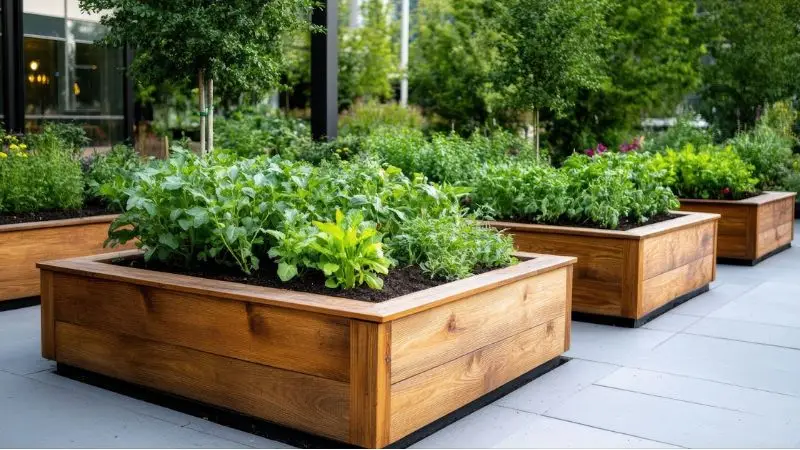
The size of your raised garden bed will determine how your garden will function and look. Different sizes can improve accessibility to your plants and how much space you will have to navigate and organize your garden. Opting for the best sizes that will cater to your gardening needs will help ease the maintenance of your garden and create a relaxing outdoor area.
Rectangular Raised Garden Bed Designs
Rectangular beds are the most common and practical option for home gardens. Their straight lines make them easy to place along fences, walkways, or open spaces in the yard. This shape allows gardeners to reach plants easily from both sides, which helps protect the soil and roots. Rectangular layouts are especially popular for growing vegetables because they support neat planting rows and efficient spacing. Many gardeners use multiple rectangular beds together to create organized sections, making them ideal raised garden beds designs for vegetables that are simple to manage and highly productive.
Common reasons gardeners choose rectangular beds include:
- Easy construction and flexible sizing
- Ideal layout for rows of plants
- Simple integration with covers or trellises
These beds also work well in affordable raised garden bed designs where function and simplicity matter most.
Circular and Curved Raised Garden Bed Designs
Raised beds with circular and curved designs provide softness and variety to garden designs. The gentle lines from circular and curved beds provide a nice contrast to stark linear designs. This helps these garden beds fit nicely into open spaces like lawns and patios. These garden beds can be accessed from all sides, providing for easier planting and harvesting. These designs can be used to attract attention, but also help create a softer look to a garden. Circular and curved designs may be very creative and functional designs.
Many gardeners choose curved and circular designs to:
- Attraction and accessibility for small veggies, flowers, and herbs
- Provide easy and smooth walking pathways throughout the garden
- Open spaces into patio and relaxing areas
Best Materials for Raised Garden Bed Designs
Choosing the right material helps your garden last longer while improving its overall look. Each option offers different benefits, making it easier to plan functional and attractive raised garden beds designs.
- Wood offers a natural look and is easy to build with. Cedar and redwood resist rot, making them ideal for raised garden beds for vegetables.
- Metal provides a modern appearance with excellent durability. Galvanized steel resists pests and weather, fitting well into creative raised garden beds designs for low-maintenance gardens.
- Stone or brick creates strong, long-lasting beds that retain warmth. These materials work well in large gardens and support raised garden bed designs with seating.
- Recycled materials allow gardeners to save money while adding personality. Pallets and barrels are commonly used in affordable raised garden bed designs for flexible layouts.
These material choices show that raised garden beds can be both practical and stylish. Once the right material is selected, the next step is exploring layouts and features that make your garden even more functional. By combining smart design with suitable materials, you can create a garden space that grows beautifully with your needs.
How to Choose the Right Raised Garden Bed Design
The right design starts with an analysis of your space, goals, and personal aesthetic. With a well-designed garden bed, steering clear of planting roadblocks, enhancing the vitality of the plants, and creating an inviting space are all achievable. By focusing on focal areas, you can select the best-suited raised garden beds for your garden-oriented lifestyle.
Things to keep in mind when picking a design include:
- The size and shape of your garden. Compact beds work well in small patios and in larger, flexible, and creative raised garden bed designs.
- The type of plants selected can help determine the structure and depth of the beds. Vegetables require deeper beds, which make raised garden beds ideal, while herbs and flowers require less depth.
- Different materials can affect the look and how long they last. Wood is more organic and natural, metal is modern, and stone can look timeless and classic, which also allows for more budget-friendly designs for raised garden beds.
- The style of the design can help it integrate with the rest of your outdoor area. If you design your garden with raised beds and seating areas, it allows for comfy seating areas and designs for raised garden beds.
- It is important to make sure you can access the garden beds for easy movement when you are tending to the garden. Design the garden with paths around the beds so you can easily reach the edges, making gardening easier and reducing soil damage.
Small beginnings are the best because you can see what works best and try different designs your way. You can get more elaborate with your designs, materials, and features. As your creativity and confidence grow, expand your garden to serve your needs.
Wrap-Up
The possibilities are endless when it comes to raised garden beds designs. Design beds to maximize your growing potential regardless of the size and style of your garden. Affordable designs include different sizes and shapes, and ease the planting process. Each bed style offered unique benefits. Choose your preferred combination of wood, metal, stone, or recycled materials for aesthetics and durability. Plan your beds for optimal growth, style, and accessibility. Experiment to find the best ways to help your garden flourish.
FAQ
What is the ideal depth for a raised garden bed?
Most plants do best in soil that is twelve to eighteen inches deep. Carrots and other root vegetables need deeper soil, though. For the least amount of work, the soil of your bed should be at least twelve inches deep.
Can I place a raised garden bed on concrete?
Yes! Your bed just needs to be well-drained. You can line your bed with landscape fabric and add gravel, so your plants can still thrive. Just make sure your bed gets at least six hours of sun a day.
What type of soil is best for raised garden beds?
A combination of garden soil, compost, and peat moss will do the trick. Here’s an easy recipe:
- 1 part garden soil
- 1 part compost
- 1 part peat moss (or coconut coir)
Mix thoroughly before planting.
Should I line my raised garden bed?
You don’t have to line your raised bed, but weed barriers can stop weeds and keep your soil from falling out. Using landscape fabric, cardboard, or untreated wood is fine, but don’t use plastic liners because they impede water flow.