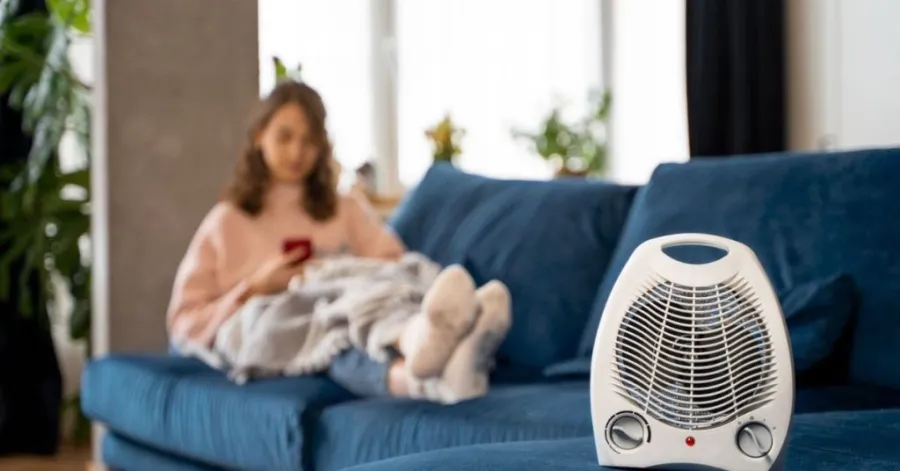
Staying warm is important, but safety comes first. Portable heaters are handy, but they can start fires, cause burns, or even lead to carbon monoxide poisoning if not used properly. Simple precautions make a big difference. Always watch your heater while it’s on, keep it away from flammable materials, and never leave it unattended. Avoid unsafe practices like covering it or placing it too close to furniture. Following these basic portable heater safety tips keeps your home warm without putting you or your family at risk. Stay safe, stay warm, and enjoy cozy comfort.
Why Portable Heater Safety Matters
Portable heaters are convenient and efficient, but their small size can sometimes make us forget the risks they carry. Understanding how to use a portable heater safely is essential to protect your home and loved ones. By learning best practices for portable heater safety, you can enjoy warmth without worry.
The Rising Popularity of Portable Heaters
You may have noticed more people using portable heaters in their homes, offices, or dorm rooms. These compact devices are favoured because they are easy to move and quick to heat any space. Some models even offer extra features like timers and remote controls, making them more convenient than ever.
People choose portable heaters for many reasons:
- To save money on heating bills by warming only the rooms they use.
- To provide extra warmth in spaces that the main heating system doesn’t cover.
- For quick, portable comfort in offices, garages, or dorms.
Before purchasing a heater, always check for safety certifications like UL or ETL, which indicate the device meets recognised safety standards.
Common Hazards Linked to Portable Heaters
Portable heaters are handy, but they are associated with risks. Knowing these risks will allow us to avoid fires with portable heaters and other accidents:
- Fire Risks: Heaters that are located too near curtains, bedding, or furniture may cause fire.
- Burns: Most heaters have surfaces that are very hot, and in case of accidents, kids, pets, and even adults are at risk.
- Electrical Problems: Old or frayed cords may cause shocks or even an electrical fire.
- Exposure to Carbon Monoxide: Fuel-burning heaters can discharge toxic gases that are not visible and colourless.
By taking precautionary measures, most accidents are prevented. Always read the manual, do not leave the heater unattended, and use tips on safe operation of an electric heater in order to operate safely and comfortably.
Portable Heater Safety Tips to Prevent Damage
Using a portable heater can make any space cozy, but knowing how to use a portable heater safely is crucial. Following best practices for portable heater safety ensures you enjoy warmth without risking fires, burns, or electrical hazards. Simple steps like placing heaters correctly, supervising children and pets, and keeping heaters away from water can make a big difference. By taking precautions and applying tips for safe electric heater operation, you can prevent accidents and make your home both warm and safe during chilly months.
Choose the Right Heater for Your Space
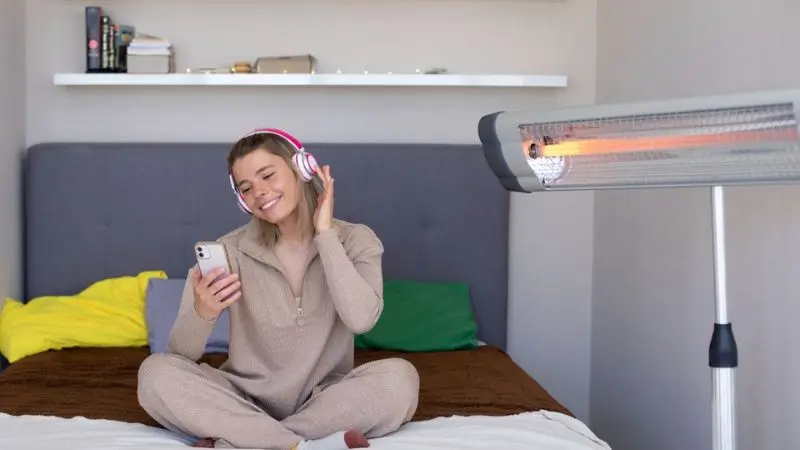
Selecting the right heater for your room is the first step in preventing fires with portable heaters. Heaters come in different sizes, and choosing one that matches your space ensures efficient and safe heating. Always check for safety certifications such as UL or ETL, and read the instruction manual carefully. Electric heaters are usually safer for indoor use compared to fuel-fired models, which should only be used where the label specifies safe indoor operation. Picking the right heater and understanding its limits will keep your home warm while avoiding hazards.
Keep a Safe Distance from the Heater
Keeping your heater away from flammable materials is one of the easiest methods of remaining safe. Keep a minimum of three feet clear around curtains, bedding, furniture, and any flammable liquids. This distance will greatly minimise the chances of avoiding fires. It is always advisable to put heaters in places where the children and pets cannot bump them. To use tips in the correct operation of electric heaters, it is necessary to select a location that ensures free circulation of air and, at the same time, does not have any obstacles. It is a small measure that will go a long way in avoiding fire with portable heaters and will help in making sure that your warmth does not involve any undue risks.
Place Your Heater on a Flat, Stable Surface
Heaters must always be placed on flat, stable, and non-flammable surfaces. Avoid placing them on carpets, rugs, or uneven floors, as this increases the risk of tipping or overheating. A secure placement ensures your heater operates efficiently while keeping your home safe. Flat surfaces prevent accidents and reduce fire hazards. Combining this with safe distance rules and attentive supervision helps ensure portable heater safety tips are fully effective. A stable surface is an easy but essential step in how to use a portable heater safely, keeping both your family and home protected.
Avoid Using Extension Cords
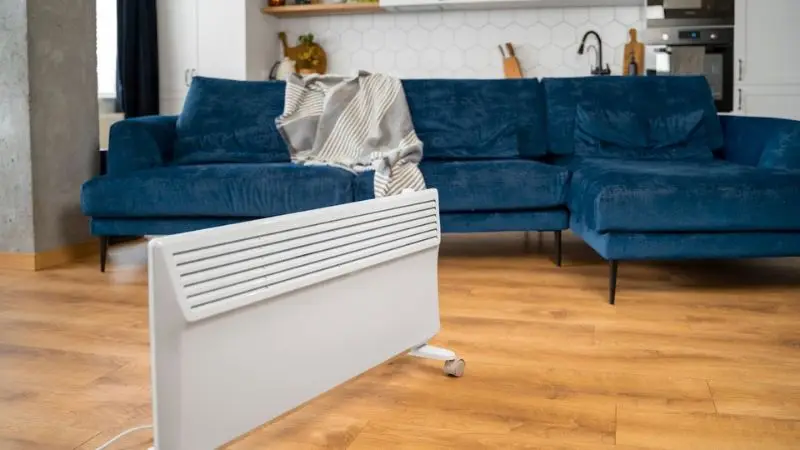
To minimize the chances of an electrical fire, simply plug your portable heater into the wall outlet. Extension cords are susceptible to overheating, spilling, or malfunctioning. In the event of a must-have extension cord, be sure it is heavy-duty, the right voltage to match your heater, and certified as safe. This is one of the most important best practices for the safety of portable heaters. Direct wall connection keeps your heater running, minimizes hazards, and makes power consistent. One of the primary reasons electric heaters cause accidents is the misuse of extension cords; therefore, this easy measure significantly enhances tips on how to operate a heater safely.
Turn Off the Heater When Not in Use
Never leave your heater unattended while running. Turn it off when leaving the room or going to sleep to prevent accidents. Leaving a heater on unattended is one of the most common causes of fires in homes. By adopting this habit, you follow some of the most critical portable heater safety tips. Turning off your heater ensures peace of mind while maintaining a safe environment. Pair this with safe placement and distance rules, and you are taking comprehensive measures in preventing fires with portable heaters, keeping your family safe while staying warm.
Keep Heaters Away from Water Sources
Water and electricity don’t mix, making it crucial to place heaters away from sinks, bathtubs, or any water sources. Accidental splashes can create shocks or even fires. Maintaining a dry environment is a fundamental step in using a portable heater safely. For fuel-burning heaters, good ventilation is equally important; open a window slightly to avoid carbon monoxide buildup. By combining careful placement with proper airflow, you follow the most essential best practices for portable heater safety, keeping both your home and your family protected from hazards.
Supervise Pets and Children
Children and pets are naturally curious and can be too close to heaters. They should always be monitored in case they burn, tip, or have any form of accidents when there is a heater in operation. Safe operation of electric heaters can be achieved by ensuring that one is aware of the beginning and also of the people surrounding the heater. Place limits or shields where needed and never leave the heater unattended. Monitoring your pets and children helps to minimize the risks of accidents and avoid fires with portable heaters, as well as prevent them. Directing is a comfortable, sensible method of enjoying warmth in a responsible manner.
Maintenance and Inspection Tips for Portable Heaters
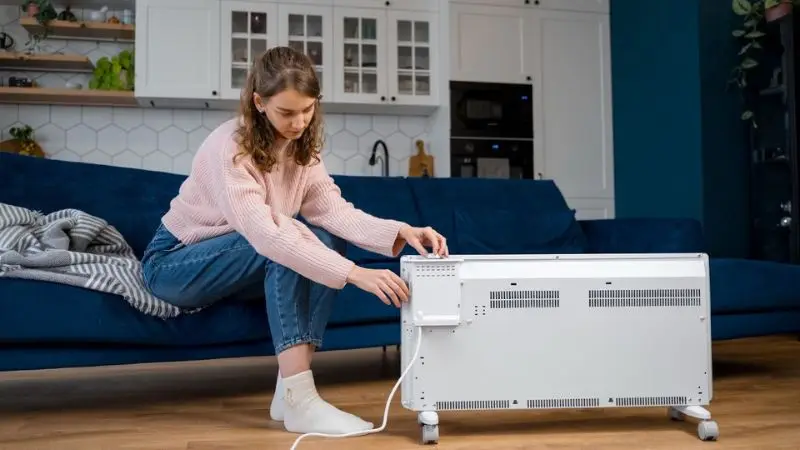
Keeping your portable heater in top condition is just as important as using it safely. Regular maintenance helps you prevent fires with portable heaters, ensures efficient operation, and extends the life of your device. By inspecting your heater often and cleaning it properly, you can follow best practices for portable heater safety and enjoy warmth without worry. Simple steps like checking cords, testing controls, and keeping vents dust-free go a long way in how to use a portable heater safely.
Regularly Check for Damage
Always have a closer examination before inserting your heater to see whether there is any sign of damage. Inspect the cord, and look at it to be free of frays, cracks, or burn marks, and ensure that the plug fits well within the outlet. Weak or broken plugs may cause a fire or spark. Check the body of the heater, as it should not contain dents, broken pieces, and make sure that all safety devices, such as tip-over switches, are working. Check the controls/ settings to ensure that they react accordingly. Once the heater produces peculiar smells or sounds, then switch it off. These measures are basic precautions toward the safe use of electric heaters and will avoid accidents.
Clean the Heater Frequently
Dust and dirt can accumulate inside your heater, blocking vents and causing overheating. Cleaning your heater regularly is one of the simplest ways to follow best practices for portable heater safety. Always turn off and unplug the heater before cleaning. Use a soft, dry cloth to wipe the exterior, and gently vacuum the vents to remove dust buildup. Never use water or spray cleaners on electric heaters. Keeping your heater clean helps it run efficiently, reduces fire risk, and extends its lifespan. Making cleaning part of your routine ensures your heater remains safe, reliable, and ready to provide warmth all season long.
What to Do in Case of a Portable Heater Emergency
Even with careful use, emergencies can happen. Knowing how to use a portable heater safely includes being prepared for unexpected situations. Quick, calm action can prevent injuries and prevent fires with portable heaters. By following safety steps and making precautions a habit, you can protect your home and family while enjoying warmth.
How to Respond to a Fire or Malfunction
In case your heater starts to smoke, spark, or give off unusual smells, take immediate action:
- Switch off the heater when it is safe.
- When a flame manifests or the heater fires, do not attempt to shift the heater.
- Get all the doors of the room vacated and close the door to reduce the speed of the fire.
- Call 911 as soon as you are safe.
An electrical fire should not be extinguished with water. When the fire extinguisher is used properly, it is safe. In the case of fuel-burning heaters, you may feel dizzy, sleepy, or nauseated after being exposed to carbon monoxide in an open place and report to the medical community. These steps are one of the most significant recommendations on how to operate electric heaters safely.
How to Prevent Future Accidents
Preventing emergencies is always better than reacting to them. Simple routines and safety habits reduce risk:
- Inspect your heater before every use for damage or wear.
- Clean your heater regularly to prevent dust buildup.
- Always follow the instructions in the manual.
- Place heaters away from flammable objects, pets, and children.
- Install smoke alarms in all rooms where heaters are used.
- Test smoke alarms monthly and maintain a family fire escape plan.
Most home fires involving heaters happen when safety steps are ignored. By staying alert and proactive, you can enjoy warmth safely and follow best practices for portable heater safety.
Wrap Up
Portable heaters are a convenient way to stay warm, but safety should always come first. By following how to use a portable heater safely, you can prevent accidents and enjoy warmth without worry. Always choose the right heater, keep it on a stable surface, maintain a safe distance from flammable objects, and supervise children and pets. Regular cleaning and inspection help your heater run efficiently, and knowing what to do in an emergency can save lives. By practising these steps and following best practices for portable heater safety, you can stay cozy, protected, and confident all season long.
FAQ
What are the key fire risks in the company of portable heaters?
When you place heaters in the presence of curtains, bedding, or paper, you risk fire hazards. Heaters are prone to overturn and cause fire. Look out at all times in the room in case of fire.
What can you do to keep the risk of fire when using a portable heater down?
Reducing the risk of fire is to ensure that the heaters are not placed near flammable objects. Lay your heater on a level surface. Always observe the possibilities of fire every time you operate your heater.
Do pets and children pose fire risks around portable heaters?
Yes, pets and children may run over heaters and create fire hazards. There should be supervision over them. Watch out for fire dangers when they are near your heater. Stay alert to fire hazards. You maintain the safety of your home by making sure that you check on the presence of fire hazards on a daily basis.