Everyone loves winters. The snowfall, the frost, the cozy feeling from wearing warm layers, drinking hot soups, and the festive spirit of Christmas, and what not. The only thing, however, people might find difficult to cope up with is the cold temperatures. But, to ensure they don’t bother you much, there’s a reliable solution – portable diesel heaters. These heaters can be especially helpful in remote locations or mobile setups. If you are an outdoor enthusiast, van life adventurer, or professional who works in cool environments, it is useful to understand all that it offers in your comfort and safety.
This blog will walk you through the ins and outs of these reliable heating solutions. Having this information can make all the difference in your comfort and safety. Read on to learn more.
Table of Contents
- Portable Diesel Heaters – What makes them special?
- Features to Look For in Portable Diesel Heaters
- Applications and Use Cases
- Performance Factors and Efficiency
- Budget Considerations and Value
- Maintenance and Troubleshooting
- Safety Considerations and Best Practices
- The Final Word
- FAQs on Portable Diesel Heaters
Portable Diesel Heaters – What makes them special?
Portable diesel heaters are changing the way we heat in mobile, off-grid situations. Instead of cumbersome traditional heating approaches, these compact machines provide reliable warmth, when and where you need it most, heat like never before. Modern portable diesel heater technology fuses German-engineering precision with practical use. It’s no surprise these heaters are the preferred choice for passionate adventurers & professionals of all types.
The main benefit is the energy density of diesel fuel along with its availability. Diesel gives out greater temperatures than other fuels and so, it helps maintain higher temperatures for longer durations. This helps them provide more heat per gallon than what would otherwise be available from alternative fuel types. Moreover, diesel is readily available at local gas stations and fuel depots. Due to this, a portable diesel heater will appeal to long-distance travelers who want peace of mind when traveling without worrying about where to get the next fuel source.
Features to Look For in Portable Diesel Heaters
Remote Control
A portable diesel heater with remote control makes the overall operating experience seamless. Remote controls let you make changes to the temperature settings, schedule time for heating, and monitor the current status of the system, whether you’re across the room or are sleeping in the same room. Remote control is especially beneficial for those cold nights when you wonder if you’ll be able to leave your sleeping bag to adjust the heat settings.
The convenience goes beyond simply turning the heater on/off; advanced models provide information such as real-time temperature, current fuel levels and diagnostic information. Some models even connect to smartphone apps, which allows you to pre-heat your space even before you have returned from the outdoors.
Power Options
It’s important to understand power requirements when choosing a 12v portable diesel heater for use in a truck. Most portable diesel heaters operate on 12V DC power, making them ideal for use in a vehicle application where you can connect directly to the electrical system in your truck, RV, or marine application. These heaters typically draw between 10 and 150 watts of power depending on the phase of the heating process with motors using the most power at startup.
For truckers and commercial vehicle operators, running a heater from the vehicle electrical system instead of engine idling allows for dramatic fuel savings and reduced engine consumption. Much of today’s models have sophisticated power management systems that automatically modulate electrical use to the available power and heating needs.
Installation and Setup
The proper installation of your portable diesel heater affects not only its performance but its safety as well. The beginner-friendly portable diesel heater installation kit will include everything you need for a professional-grade installation, including insulated fuel lines, exhaust ducting, air intake components, and fittings and clamps.
The installation process reflects your use, but most portable diesel heaters share the following three common connections – fuel supply, electrical power, and exhaust venting. In mobile applications such as vans and RVs, you will need to pay careful attention to the exhaust routing so it has safe operation and is optimized for heating.
Though professional installation may not always be necessary, it usually yields great returns regarding performance and safety. Generally, owners say that having the heater correctly installed for the initial investment pays dividends by eliminating issues in the future and enabling the heater to perform as intended for life.
Applications and Use Cases
Camping and Outdoor Adventures
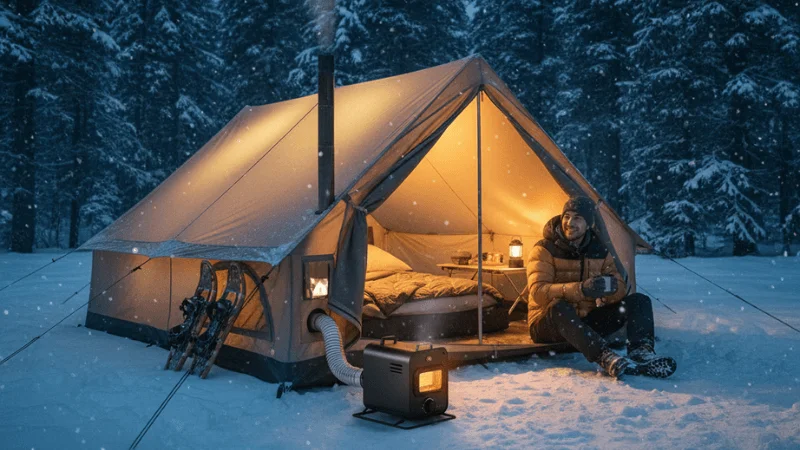
For those who enjoy the outdoors, a top portable diesel heater for camping allows you to pursue your love of camping year-round. Whereas a campfire requires constant attention and ideally, a calm, dry, and warm evening in order to be effective, portable diesel heaters will keep you warm in wind, rain, and snow. Portable diesel heaters remove the durability factor out of camping in cold weather and instead turn it into a pleasurable experience.
With diesel heating, you will get maximum warmth all night long while consuming very little fuel. By utilizing models made for camping, you can also enjoy quieter modes to not annoy anyone nearby, including campers or wildlife. Therefore, diesel heaters are a great choice for regulating heat in areas with campfire noise restrictions.
Van Life and RV Living
The van life movement has made portable diesel heaters a necessary gear for comfortable living during road trips. A portable diesel heater for vans and RVs gives you the independence to go wherever you want and be comfortable no matter where or when you travel, regardless of the weather. Unlike propane heaters that create moisture and need ample ventilation, diesel heaters can operate safely in a smaller space with proper installation.
The small size of modern portable diesel heaters means they can fit into even small van conversions when space is at a premium. Many models can mount externally, with only the control panel and heat outlets inside your living space; this will maximize usable interior space.
Tent and Outdoor Use
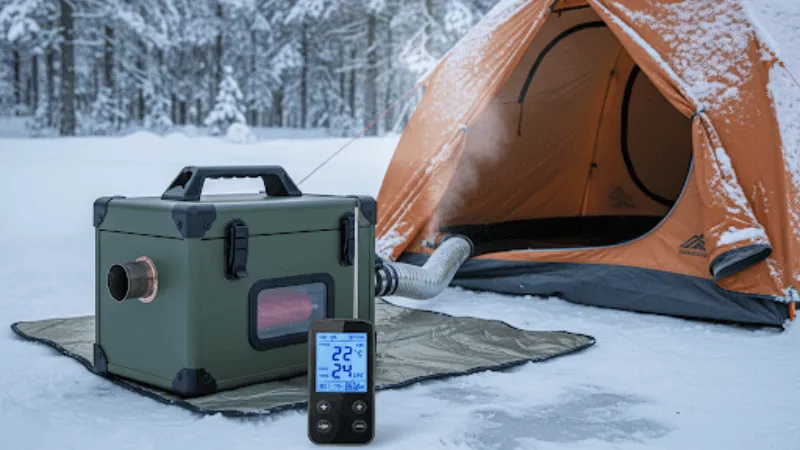
The models of portable diesel heater for tents and outdoor use designed for outdoor enthusiasts usually offer weatherproof construction, integrated carrying handles, and quick-setup capabilities making them ideally suited for base camp activities, ice fishing shelters, or extended outdoor work projects.
Safety attributes are especially relevant to tent use, as many models have tip-over protection and automatic shutdown systems that turn on if the unit is accidentally tipped over or there is airflow restriction.
Professional and Industrial Applications
Outside of domestic applications, portable diesel heaters for garages and workshops serve an important role in professional and business settings. Job sites, workshops, and industrial facilities use portable diesel heating not only for employee comfort but for process heating. The ability to offer consistent heat in a controlled environment can help maintain suitable working conditions even during colder weather.
Models intended for professional use generally offer greater durability, longer periods between servicing, and the ability to be integrated into larger heating systems. These features hold value in offsetting the higher cost of initial purchase in the form of reduced downtime and maintenance.
Recommended Read: Diesel Heater Sizes Explained: Quick Guide
Performance Factors and Efficiency
Heat Output and Coverage Area
Being familiar with heat output values will help you select the right heater for your specific use. Portable diesel heaters typically have a heat output of anywhere from 2,000 BTU to 45,000 BTU, with most recreational models falling into the 8,000 to 17,000 BTU range. The heat output range can heat anything from a small tent to large RV’s or shop areas.
Fuel consumption is directly related to heat output and the best estimates show efficient models consume between 0.1 to 0.5 gallons per hour depending on heat setting and surrounding conditions. Accordingly, when heating demands are moderate, a small portable diesel heater that is low noise can last between 20-30 hours on a single gallon of fuel.
Noise Levels and Comfort
When using devices for extended durations, noise considerations become important, especially for sleeping areas or quiet spaces. Modern portable diesel heaters have made considerable improvements in noise reduction, with many models operating at sub-40 decibels when operating normally. A sound level that is similar to a library atmosphere or rain falling gently.
It is usually during the maintain phase that quietest operation starts. Cold starts are noisier for most heaters as their combustion chambers heat up and the fuel system develops pressure.

Fuel Quality and Storage
The quality of diesel fuel plays an important role in the effectiveness and longevity of portable diesel heaters. By using clean, quality diesel fuel, you can avoid contamination of your fuel system and ensure the most efficient combustion of the fuel.
Proper fuel storage becomes important for portable applications where fuels may need to be stored for an extended time period. High-quality fuel tanks, proper ventilation, and day-to-day maintenance of the fuel system help ensure that the fuel system operates reliably when you require heating the most.
Budget Considerations and Value
Finding the Right Price Point
The options available on the market include value-minded portable diesel heater with thermostat examples under $200 to high-end models over $1,500. By knowing what type of features justify higher prices, you’ll be able to purchase heaters that fit within your budget limits and perform to your satisfaction.
Entry-level models tend to include basic heating capabilities with manual controls and basic safety features. Mid-range models usually have features such as remote control, digital display and better safety features. Premium models include advanced features such as connecting via smartphone, zone heating mode, and extended warranty.
Total Cost of Ownership
In addition to the purchase price of the equipment, consider the costs associated with operations, fuel consumption, maintenance, and part availability for repairs. Expensive models are often more fuel efficient and have longer service intervals that will help balance their higher purchase price through reduced operating costs.
Although professional installation increases initial expenses, it often gives you value through performance and fewer warranty issues. Some manufacturers have installation assistance or certified installer programs that can help you set up the unit properly.
Maintenance and Troubleshooting
Regular Maintenance Requirements
Proper maintenance extends the life of a heater and ensures safe operation. Maintenance includes tasks, like cleaning combustion chambers, ensuring fuel lines and connections are in working order, inspecting the electrical connections, and testing the safety systems. Most manufacturers suggest having a professional service person check the unit once a year for units that are in regular use.
The DIY maintenance capability differs by model, with some models featuring user-replaceable components, such as glow plugs and fuel pump. Having the basic replacement parts on hand can be handy for remote use where professional maintenance may not be available.
Common Issues and Solutions
Understanding common problems helps identify issues quickly and reduces equipment downtime. Fuel related issues top the list which usually result from fuel contamination, clogged fuel filters, or air in fuel lines. Most fuel-related issues can be avoided by performing regular fuel system maintenance.
Electrical problems usually stem from poor wire connections, corroded terminals, or faulty components. Electrical failures are typically preventable through regular inspection and servicing of electrical connections. These components are required to be cleaned regularly as they often accumulate dirt and rust, which can disrupt electrical connectivity.
Safety Considerations and Best Practices
Proper Ventilation
The safe use of portable diesel heaters necessitates sufficient ventilation for both combustion air and exhaust gases. Diesel heaters draw oxygen to fuel the combustion process and produce exhaust gases that must be vented outside of the heated space. Poor ventilation can cause dangerous levels of carbon monoxide to build up and deplete oxygen levels.
Most manufacturers specify their minimum ventilation requirements based on heater output and space volume. Following these guidelines ensures safe operations while also maintaining heating efficiency.
Carbon Monoxide Prevention
Modern portable diesel heaters have multiple safety mechanisms designed to protect against carbon monoxide exposure. These include automatic shut-off systems that will activate if exhaust obstruction occurs, an oxygen depletion sensor, and overheating sources of protection.
Regular testing of carbon monoxide detectors and confirming clear exhaust pathways offer additional layers of protection. Many users will install multiple carbon monoxide detectors when using portable heaters inside enclosed spaces.
The Final Word
Portable diesel heaters are an excellent heating option for people who require consistent, effective heat in mobile or off-grid applications. Whether you are choosing the best portable diesel heater for camping, upgrading van life setup, or making workshops workable, learning about the features of portable diesel heaters makes it possible for you to pick the ideal system for your specific requirements.
Committing to a quality portable diesel heater pays off with low fuel consumption, enhanced heating, more comfort and zero hassle. This changes how you experience cold weather adventures and work settings. Furthermore, if you select, install and maintain these machines properly, portable diesel heaters can be a valuable tool to help assist you in comfort and productivity no matter how the outdoor environments may be. If you have decided to get one of these machines for your home or business, you can explore a range of heating solutions available. Once you have made your purchase, don’t forget to check our installation guides for a professional setup experience.
FAQs on Portable Diesel Heaters
What are the common problems with diesel heaters?
Common issues you would encounter while using these units are:
-
- Heater won’t start
-
- It shuts down after starting
-
- Excessive Smoke
-
- Zero Heat Output
Such issues can be resolved with basic troubleshooting steps which you can always find in the product manual. If you think the issue needs expert help, reach out to the official service team.
How long will a portable diesel heater run?
If properly maintained, a quality portable diesel heater can last up to 5-10 years and even more sometimes. Some key factors that affect the lifespan of a diesel heater are usage frequency, the quality of fuel being used and the operating conditions. Regular maintenance including cleaning and parts service help extend the heater’s lifespan significantly.
How do diesel portable heaters work?
Diesel heaters work through a controlled combustion process. This involved the burning of diesel fuel to produce heat. Modern heater units keeps gas combustion process separate from the heated air, making them safe for indoor use with proper ventilation conditions.
Are portable diesel heaters safe?
Yes, portable diesel heaters are safe to use both indoors and outdoors. However, when using them indoors, ensure that the room has proper ventilation. While modern heater units have safety features like automatic shutdown, carbon monoxide detection and oxygen depletion sensors, being proactive in precautionary measures keeps you a step ahead in ensuring safer operations and use.
Do portable diesel heaters work at high altitudes or in extreme cold conditions?
Most portable diesel heater units perform quite well in cold weather conditions and high altitudes. However, very high altitudes may require some air intake adjustments for proper combustion. During extreme cold i.e. below -20oF, diesel fuel additives may be required to prevent gelling and ensure reliable starting.