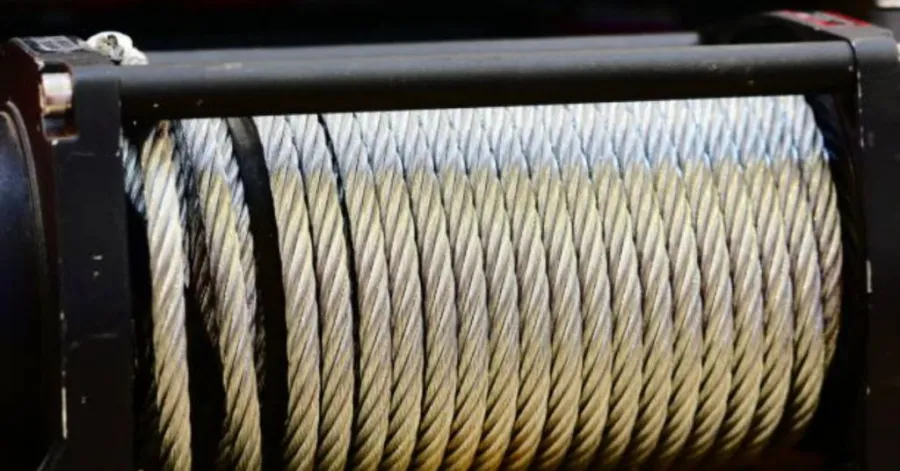
Proper management of your portable 12 volt electric winch will keep you safe and ready for action. Always wear gloves and safety eyewear before operating your 12 volt electric winch. Inspect and clean your portable 12-volt electric winch regularly, as dirt, rust, and damaged parts can cause problems. You prevent breakdowns from occurring. For optimal results, follow the manufacturer’s directions. Your portable 12-volt electric winch will remain powerful and serve you well for years to come.
This article will discuss crucial safety precautions, maintenance steps, and the proper use of a 12 volt electric winch. You’ll learn how to properly examine, clean, and operate your 12 volt electric winch to improve safety, reduce breakdowns, and keep it running for years to come.
- Why a Portable 12 Volt Electric Winch Needs Maintenance
- Inspect the Portable 12 Volt Electric Winch Before Every Use
- Keep the Winch Clean and Free from Debris
- Proper Lubrication Tips for a Portable 12 Volt Electric Winch
- Maintain the Winch Rope or Cable for Maximum Durability
- Protect Electrical Components from Moisture and Corrosion
- Check and Tighten Winch Mounting Hardware
- Store Your Portable 12 Volt Electric Winch Correctly
- Common Portable 12 Volt Electric Winch Issues and Repairs
Why a Portable 12 Volt Electric Winch Needs Maintenance
@tada.greenhouse BLACK FRIDAY VEVOR Electric Winch, TikTokShopBlackFriday, 3500 Ib Line Pull Capacity, 12V DC ATV/UTV Winch with Ф3/16 in x 39 ft 12 Strands Synthetic Rope Aluminum Fairlead Wired Remote Control, IP55 Waterproof for Towing UTV ATV Boat #tiktokshopblackfriday #vevorblackfriday #vevortools #winch #atv
♬ original sound – TaDa Greenhouse
Enhancing Winching Performance and Reliability
You want your electric winch to work every time you use it. Regular maintenance is a must to keep your gear in good working order. Checking your winch before you use it catches small problems early. This helps keep you out of trouble when you are out with friends or on a trail. Clean parts help the winch run better. It pulls strongly with lubricated gears. Your portable 12V electric winch for SUVs performs best if you follow the manufacturer’s directions.
Preventing Costly Repairs and Downtime
Nobody likes being stuck with a broken winch. Neglect the winch maintenance, and you could have worse problems down the road. Small problems like frayed cables or loose nuts might turn into costly fixes. If you wait too long, you might require a new electric winch. Checking your portable 12 volt winch for trailers often will help you detect these problems early. You save money, and you stick to the schedule.
Improving Safety During Recovery and Towing Operations
When you are utilizing a lightweight portable electric winch, safety is vitally crucial. A functional winch will protect you and your vehicle. Broken hooks or worn-out cables can snap under tension. Loose connections can leave you with a winch that won’t work when you need it most—doing all the work so you don’t get harmed. Always use gloves and safety glasses. Always remember your safety inspections.
Inspect the Portable 12 Volt Electric Winch Before Every Use
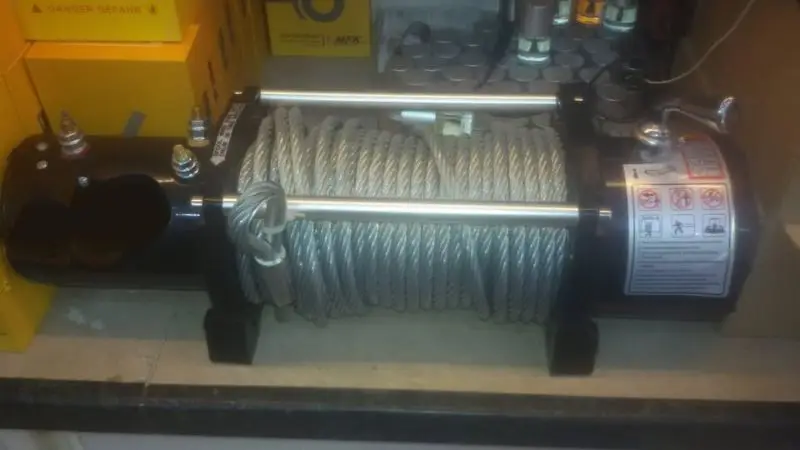
You want your electric winch in good shape. Before you venture out, spend a few minutes checking over your portable 12 volt electric winch for trucks. This quick inspection will help you ensure safe operation and keep your gear ready for action.
Check the Winch Cable or Synthetic Rope for Wear and Damage
First, examine the condition of the cable and the hook. Touch the cable or artificial rope with your hands. Look for kinked, broken, or frayed threads. If you see any cuts or signs of wear, patch it up quickly. A damaged cable can cut and kill people. If you have a synthetic rope, check for fuzzing or melting. Now, rust is not good for steel wires, and they need some extra attention. If it is severely damaged, replace the cable.
Inspect the Hook, Fairlead, and Mounting Hardware
Check the hook for any cracks or bends. Test that the safety latch functions. Check the mounting bolts and fairlead. • Tighten any loose bolts. Rust or corrosion: If you see it, clean it up. You want each serving to pack a punch. Before you use your electric winch, check for any broken parts and repair them.
Verify Electrical Connections and Battery Condition
Check wiring and connections. Check for loose or rusted connections. Ensure the battery is charged. If you notice any buildup of green or white, wipe it off. A poor battery can cause your portable electric winch for off-road recovery to slow down or cease working. You want the power to be constant.
Keep the Winch Clean and Free from Debris
Removing Dirt, Mud, Sand, and Salt After Use
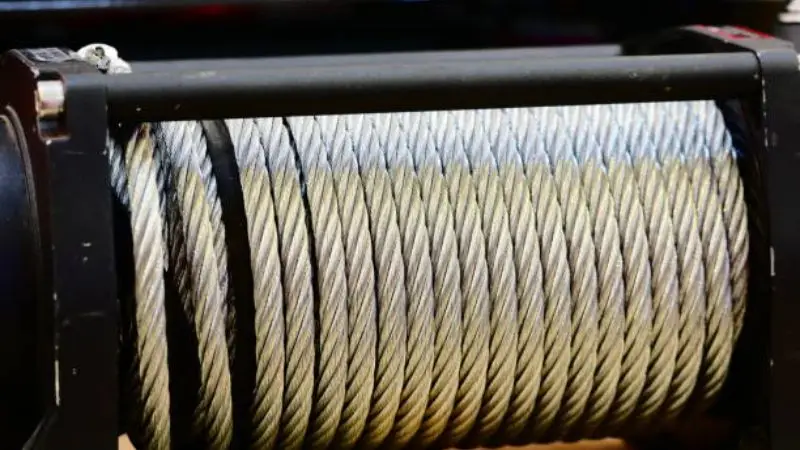
You have a hard task for your lightweight portable electric winch. Parts are covered with mud, sand, and salt. Dirt builds up quickly. If you leave it, you can ruin your winch. You should always clean your winch after every use. Use a gentle brush or towel. Remove loose dirt. If salt or muck appears, rinse in fresh water. Dry the parts using a towel. Make sure you get into the little places. Dirt lurks in the corners.
Best Cleaning Methods for Synthetic Rope and Steel Cable
Synthetic rope and steel cable require different care. You look for grit and sand in the cord. Wash with mild soap and water. Rinse well. Then let it dry and spool it back up. A steel cable needs special attention. Clean with a wet towel. Check for rust patches. Rust? Lightly scrape with a wire brush. Never use strong chemicals. They can make the cable weaker.
Protecting the Winch Housing from Corrosion
You want your portable 12V electric winch for SUVs to last a long time. Housing can be ruined by corrosion. Once the winch has been cleaned, check the housing for chips or scratches. Apply a light application of protective oil or corrosion inhibitor. Store the winch in a dry area. If you are leaving it outside, cover it. The problem is moisture. Protect your winch from rain and snow.
Proper Lubrication Tips for a Portable 12 Volt Electric Winch
Good lubrication habits are the key to keeping your portable 12 volt electric winch for trucks functioning well. You want each pull to be solid and steady. Here are a few ideas to help you get the most from your winch.
Key Components That Require Lubrication
Concentrate on the pieces that move about the most. These locations work hard whenever you use your portable winch with wireless remote. Lubricate the moving parts, such as the drum, gears, and clutch. Don’t forget the guides for the cables or ropes. Keep these places smooth, and your winch will last longer and work better.
Choosing the Right Lubricants for Winch Maintenance
Not every lubricant is the same. You want to pick one to suit your winch and the weather. Most portable 12 volt winch for trailers will perform well with a high-quality lithium-based oil. It doesn’t move and prevents corrosion. If you’re using your winch in wet or salty environments, search for a water-resistant grease. Always refer to your manual for the best option. Keep your winch ready for anything with good lubrication and maintenance.
Maintain the Winch Rope or Cable for Maximum Durability
How to Inspect a Synthetic Winch Rope
You should inspect the synthetic rope to ensure that your portable electric winch for off-road recovery is reliable. Look for any fuzziness, cuts, or melted patches. “Use your fingers to feel the rope and look for rough places. If you find dirt or grit, wash it off with soap and water. Before you loop the rope back, dry it. Find any weak spots and watch out for them.
Caring for a Steel Winch Cable
Special attention must be given to steel wires. Look for kinks, broken wires, or rust. If rust is found, it should be cleaned off using a wire brush. Use a moist towel to wipe the cable. Be sure the cable moves freely. Lubricate the cable with a mild oil to keep it in good shape. Don’t ever use harsh chemicals; they can weaken the steel.
When to Replace a Damaged Rope or Cable
Sometimes you have to replace the rope or cord. If you detect extensive wounds, broken wires, or melted spots, replace them immediately—no need to wait for a failure. A broken line might break and cause injury. Always have a spare rope/cable in your kit. You’ll be ready for any work, and your winch will remain in great shape.
Protect Electrical Components from Moisture and Corrosion
Inspecting Wiring and Connectors Regularly
You need your lightweight portable electric winch to operate when you need it. Every time you use it, check the wiring and connections. Check for cracks, frayed wires, and other signs of wear. Use a dry cloth to wipe off any dirt or mud you see. Ensure that the links are secure. If you see any green or white buildup, clean it off immediately. This brief check gets into difficulty early.
Using Dielectric Grease for Better Protection
Dielectric grease keeps water and debris out of your portable 12v electric winch for SUVs electrical components. You can use some of the connectors and terminals. This grease prevents moisture and rust from developing. It also helps avoid short-circuiting. Use just enough to cover the metal at all times. Too much can be a mess.
Preventing Water Damage During Outdoor Use
Rain, puddles, and sludge can enter the electrical circuitry of your winch. Waterproof covers can be used when your winch is not operating. Keep the control box and connectors off the ground. Check your winch out as soon as you stop if you drive through deep water. Immediately dry off any damp spots. This will save you a lot of difficulty later.
Check and Tighten Winch Mounting Hardware
Why Loose Bolts Can Affect Winch Performance
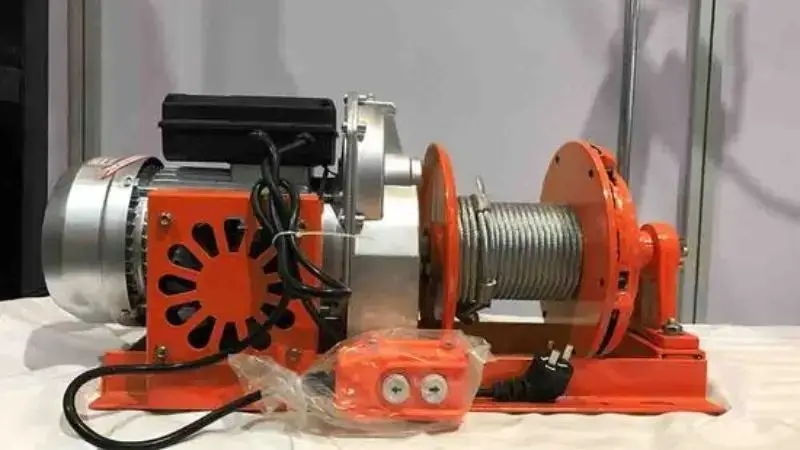
Loose bolts can be a huge problem for your portable winch with wireless remote. Loose bolts can cause your winch to shift during operation. This will reduce the winch’s stability and safety. When you pull a load, you may hear rattling or feel shaking. Ignoring these warnings can even cause the winch to loosen from its mount. This could harm your car or injure someone nearby. You want your winch to be powerful and reliable every time you use it.
How to Identify Structural Wear and Stress
You must check for indicators of component wear and tension. First, inspect the mounting holes for any fractures. Check for bent brackets or bent metal. Rust spots may be vulnerable points. ‘If you notice paint flaking or metal stretching, it suggests the hardware is under stress. Shine a flashlight into dark areas. If you spot any damage, fix it immediately. Replacing worn parts keeps your winch secure and ready to go.
Store Your Portable 12 Volt Electric Winch Correctly
Ideal Storage Conditions for Long-Term Protection
You want to keep your portable 12 volt electric winch for trucks in good condition, even when it is not in use. Store in a cool, dry place. A garage or shed is fine. Ensure the site has excellent airflow. If you leave the winch in a damp place, it could get a smell or maybe grow mold. Store your winch off the ground in a sturdy storage box or on a shelf. This prevents bumps and scrapes.
Battery Maintenance During Storage Periods
Your winch battery needs a little TLC, too. If you intend to store your winch for an extended period, detach the batteries. Store in a cool, dry place. Check your charge each month; if the battery is low, charge it. Then you can be confident that your winch will work properly when you need it. Never leave the battery in a hot car or freezing conditions. Extreme temperatures can damage it.
Common Portable 12 Volt Electric Winch Issues and Repairs
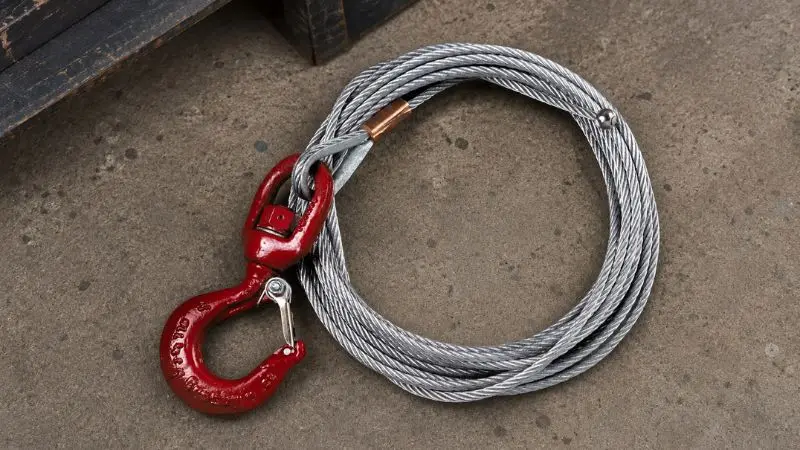
You want your portable 12 volt winch for trailers to work every time you need it. Sometimes, things go wrong. Here are some common problems and simple tips to help you fix them fast.
Winch Motor Not Operating Properly
You press the button, and nothing occurs. First, check the battery. A poor battery can prevent your electric winch from working. Check the wiring and connectors. Make everything nice and tight. If you get a click but the motor doesn’t operate, you may have a bad solenoid. If you have a spare, try swapping them out.
Slow Line Speed and Reduced Pulling Power
Is your winch not pulling as it used to? Check the battery charge. The portable electric winch for off-road recovery is slow on low power. Look for dirt or rust on the wire or rope. Keep moving parts clean and lubricated. If the drum is hard to turn, the gears may need a bit of oil. Don’t overwork your winch. Pretty sluggish when heavily loaded.
Conclusion
Regularly checking, cleaning, and oiling your portable 12 volt electric winch can help ensure it continues to function properly. When you are working on your winch, using safety gear will keep you safe. You can avoid mistakes and maintain your winch’s dependability by adhering to the manufacturer’s guidelines. Maintaining a winch should become a routine. Whenever you use your winch in this manner, it will operate safely and effectively.
FAQ
How often should you inspect your portable 12 volt electric winch?
You should check your winch before every use. A quick look helps you spot problems early. If you use your winch often, do a thorough check once a month.
Can you use any grease for winch maintenance?
No, you should use the right grease. Pick a lithium-based or marine-grade grease. These types protect your winch from rust and water.
Tip: Always check your manual for the best lubricant.
What should you do if your winch cable gets frayed?
Stop using the winch right away. Replace the cable as soon as you can. A frayed cable can snap and cause injuries.
Is it safe to use your winch in the rain?
Yes, you can use your winch in the rain. Dry it off after use. Cover the winch when you finish. This helps prevent rust and keeps the parts working well.