Every year, there are hundreds of cases where children discover unsecured guns, and these accidents may result in something worse. The best way to avoid all these accidents is to know how to store weapons safely. Just follow three simple steps: unload the gun, lock it, and store the ammunition separately. Below is a description of the locking mechanism, ammunition storage, environmental control, and legal matters — everything you need to know about safe gun storage. Your safety and that of your whole family depend on constant attention and proper practices.
Table of Contents
How to Store Weapons Safely
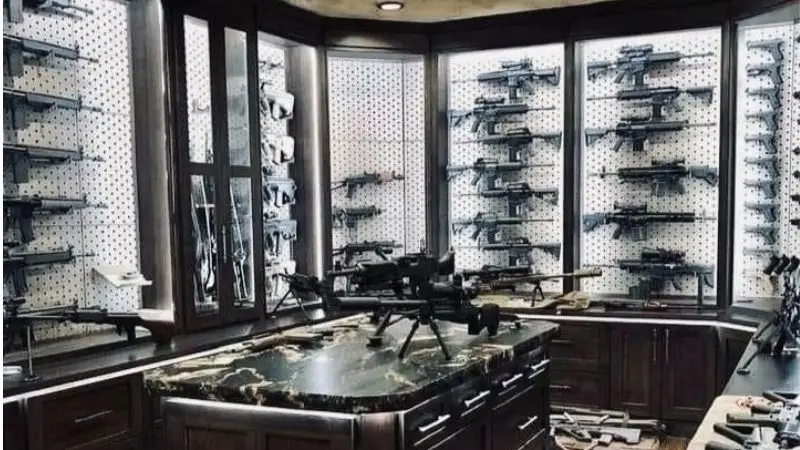
Every year, thousands of tragic incidents happen because some guns were stored inappropriately. It is up to you to prevent such incidents. Knowing how to store weapons safely will create a safer environment around you. Children search everywhere, and it takes little time for quick hands to find something. Locking it up helps prevent any accidents. Safely storing your weapon also protects your property from burglaries. Robbers search for houses with unsecured weapons, and stolen guns are often used in further criminal activities.
Recommended For Your Project
Choose a Secure Storage Location
How to store weapons safely at home? Where you put your gun matters just as much as the box itself. Pick a spot that is easy to reach but still safe. A bedroom closet provides quick access in an emergency, but you must make sure kids cannot reach it. High shelves and locked gun cabinets work well in many homes. Stay away from easy spots like nightstands or under pillows. These places invite theft and accidental discovery. Think about temperature and moisture in your choice. Basements and attics experience large temperature fluctuations that can cause rust and damage. A room with a steady temperature protects your gun’s exterior and its operation. Keep guns away from damp places like bathrooms or laundry rooms.
Choose the Right Storage Container
You need a container that fits your home and your lifestyle. This is the best way to store weapons safely. A gun safe offers the highest level of protection. These heavy steel boxes resist theft and keep children out. You can find models with electronic keypads or mechanical dials. Electronic keypads open quickly, but they need batteries. Mechanical dials never run out of power, yet they take longer to operate. Consider how fast you need access in an emergency. A lockbox provides a lighter option. You can mount these small boxes to a wall or bed frame. They hold one or two handguns and open with a push-button code. For long guns like rifles, a gun case with a sturdy lock safe works well.
Keep the Storage Container Secure
How to safely store weapons when not in use? A lockable container only works when it stays in place. Thieves can carry away small safes and lockboxes. They break into them later at their leisure. You must secure your container to your home’s structure. Bolt heavy safes to concrete floors or wall studs. Use the mounting holes and hardware that come with the product. For lockboxes, use the included cables or brackets. Anchor them to bed frames or closet walls. A determined thief can pry a loose container from its spot. Anchoring removes that easy option. Place your gun storage container in a hidden location. Avoid obvious spots like main bedroom closets.
How to Prevent Unauthorized Access to Weapons

Limit Who Can Access the Storage Area
You control who comes to your house, so you must control who gets to your weapon storage area. Begin by making your discussions clear with everybody in your house. Explain to them that the storage area is very private and should not be accessible to anybody other than those who require knowledge of its contents. Children should be taught never to tamper with the storage device, even if it is unlocked. Teenagers always have peer pressure, and peers will always inquire about guns. Teach your teenagers not to answer such inquiries.
Prepare a list of individuals who know the combination or the key’s location. There are many safe ways to store weapons in your house. Make sure that the list is small. Husbands, wives, or partners might need access to the storage area, but older children will not. If you engage cleaning crews, repairers, or contractors, make sure they come to your place when you are there, or secure the storage area before they arrive.
Store Weapons Away From Ammunition and Other Hazards
You should never store loaded weapons, and you should also keep ammunition in a different place. A thief who finds a gun but no bullets has a harder time. A child who finds a locked safe cannot get to the ammo stored elsewhere. This separation is a key idea of gun safety. Pick a different room or a different locked container for your ammunition. Many owners use a small lockbox for ammo and keep firearms in a larger safe. This setup takes longer to get your gun in an emergency, but it significantly lowers risk.
Consider other hazards near your storage area. Heat sources such as furnaces or water heaters can damage ammunition and create unsafe conditions. Flammable items like cleaning chemicals or gasoline should stay far from both guns and ammo. Moisture is another problem. Damp basements cause rust on metal parts and ruin ammunition over time. Use silica gel packs or a dehumidifier in your gun storage space to protect stored weapons from rust.
Safe Weapon Storage at Home
Create a Consistent Storage Routine
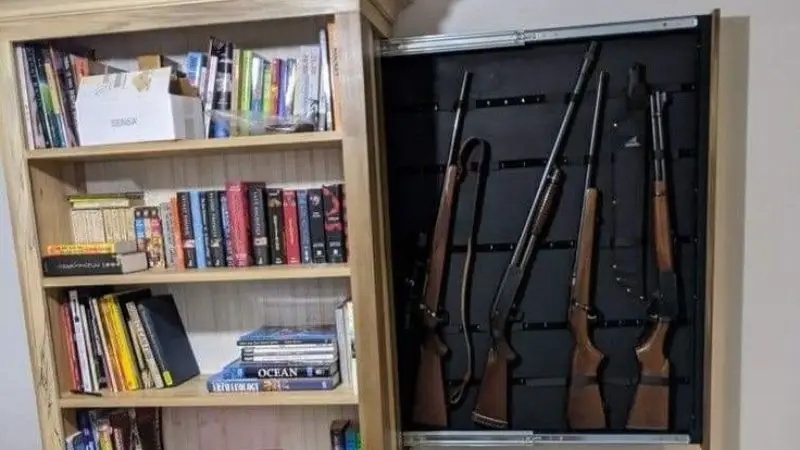
You require an exacting routine whenever you deal with a weapon. By performing identical actions every time, you eliminate the possibility of errors resulting from distractions. Your routine begins when you stop using the weapon. You unload it immediately. You check the chamber visually and by touch. There should not be any bullets left. You put the weapon in the locked box with guns. You ensure that the lock goes on securely. You keep the ammunition in a separate place.
Routine contributes to gun safety by eliminating uncertainties. This is proper storage of firearms at home. You do not have to worry whether you have locked your weapon because the same procedure is performed every single time. This is especially useful on days when your thoughts may be elsewhere. Your hands perform the routine actions even if you forget about the procedure. Many owners keep the procedure checklist close to the storage area during the first few weeks.
Consider Children and Guests
How to store weapons away from children? Children are naturally curious. They explore every corner of your home. They open drawers and closets. They climb onto furniture. You must assume a child will find any weapon that is not locked away. Teaching alone does not stop this curiosity. Combine lessons with physical barriers. Locked containers and locked rooms give real protection. Talk to your children about gun safety in simple words. Tell them never to touch a weapon and to tell an adult if they find one. Never rely on their memory or judgment. The best gun storage solution keeps weapons fully out of reach.
Guests also need your attention. When visitors come to your home, especially families with children, make sure all weapons are secured. Check your gun storage before guests arrive. If you normally keep a weapon for quick access, think about a temporary solution. A small lockbox mounted near your bed gives faster access than a full safe. Still lock it before guests enter your home. Ask about weapons in other homes your children visit for secure storage options.
Conclusion
Proper safe storage keeps everyone safe. You have to unload each firearm, secure it properly, and separate ammunition from firearms. Determine what type of container you need. Ensure proper storage conditions. Also, learn about local regulations. This will ensure safety and security.
Assess the current state of storage today. Go over your house and review all the weapons you have. Make upgrades wherever your system requires them. An insignificant purchase of a good safe or lock box ensures peace of mind forever.
Gun owner responsibility begins with proper storage. Your decisions influence your family, property, and community. Do it today. Make sure that each weapon is stored properly before you finish reading this guide. Your family depends on your decision about how to store weapons safely.
FAQ
What can I do with firearms if there are children in my house?
All weapons should be locked before allowing kids in the house. Use a secure case that complies with your state’s child-access prevention regulations. Educate kids not to touch guns. Inform them to notify an adult immediately.
Is it possible to keep a loaded firearm for home protection purposes?
Do not load any firearm. The risk is too high. Kids or any unauthorized person may gain access to a loaded gun. Ammunition must be stored separately from a weapon in another locking box. This allows you to defend your home without risking an accident.
How frequently should I inspect my storage devices?
Inspect your storage device once a month. Check locks, hinges, and battery-operated devices for malfunctions. Replace batteries in keypads before they expire. Tighten bolts. Check for any signs of rust or moisture in a safe.
What are the regulatory requirements for storing weapons?
Requirements vary by state and city. Most states require locks if children are living in the house. Some states prescribe storage methods. Visit your state’s official website to learn about the current legislation.