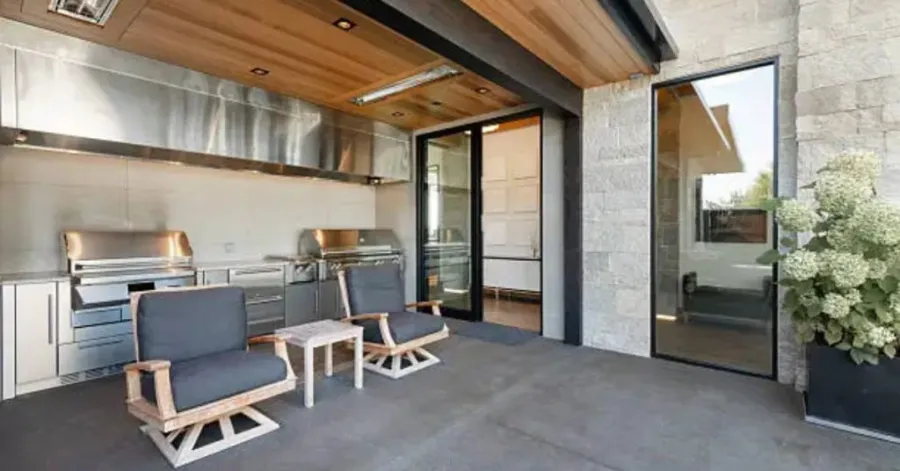
Nothing makes your backyard more enjoyable than an outdoor kitchen. You can cook, grill, and enjoy a good time with your family. However, it can be hard to keep everything organized without enough storage space. Grilling tools, plates, spices, and cleaning supplies can make your outdoor kitchen a mess in no time.
Fortunately, you don’t need a spacious backyard to keep your cooking space tidy. How to organize an outdoor kitchen? Use these small outdoor kitchen storage tips to keep your outdoor kitchen organized and make cooking easier. Many options can keep your outdoor kitchen neat and functional, from stainless steel cabinets to space-saving shelves. Ready to make your backyard clutter-free? Let’s explore some simple and practical storage solutions.
10 Essential Outdoor Kitchen Storage Ideas
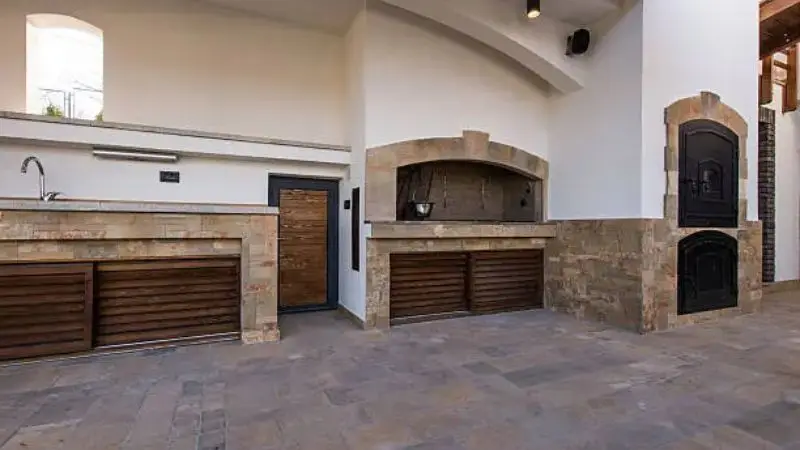
An outdoor kitchen is a great space to have organized and cook comfortably without wasting time looking for what you need. The right storage also keeps cooking essentials out of the way. Here are 10 tips to keep your outdoor kitchen clean and organized.
Recommended For Your Project
1. Install Stainless Steel Outdoor Kitchen Cabinets
Stainless steel outdoor kitchen storage cabinets are a popular choice for a modern, organized outdoor kitchen. They offer a clean look and space for cookware, plates, serving ware, and all your kitchen supplies. Their smooth surfaces also make them easy to wipe down after cooking.
Choose stainless steel cabinets for your outdoor area, as they are designed to withstand moisture and weather. Marine-grade stainless steel (316) resists corrosion better than standard 304 stainless steel and is especially protected in coastal areas or near seawater. Install cabinets beneath your countertop to make the most of your space. Use a mix of shelves and cupboards to organize everything from large items to small ones. This simple addition will give your outdoor cooking area a clean, neat look.
2. Add Outdoor Kitchen Drawers for Utensils and Tools
When you store everything in one large cabinet, small utensils are easy to lose. Drawers are a great outdoor kitchen storage option for the barbecue grill, letting you store spatulas, tongs, forks, bottle openers, and more inside and keep everything organized.
Arrange your drawers based on how often you use each item. Put your most-used tools in the top drawer, and store less-used accessories in lower drawers. Use drawer dividers to separate utensils and keep them from tangling. Choose exterior-rated drawers with rust-proof hardware and slides. This lets them open easily and resist wear. With everything in place, you can quickly find the exact tool you need.
3. Use Weatherproof Storage Cabinets for Outdoor Supplies
Outdoor kitchen areas face the elements, including sun, rain, humidity, and dust. If you don’t store them properly, these conditions can damage kitchen supplies. How to organize an outdoor kitchen? Weather-resistant storage cabinets help protect barbecue supplies, outdoor dining essentials, tablecloths, and cleaning products. Look for cabinets made of weather-resistant materials with proper seals, protected hinges, and finishes. Remember,weather-resistantt isn’t necessarily waterproof. Depending on local climate and cabinet placement, choose the right level of protection.
You can also store supplies on different shelves. Store cleaning supplies out of reach of cooking equipment and food. This makes your storage space more secure and easier to maintain.
4. Add Open Shelves for Frequently Used Items
Open shelves maximize storage space without cluttering your outdoor kitchen, keeping cooking utensils, plates, glasses, serving bowls, and accessories within reach. Install shelves so frequently used items stay within easy reach of your prep area. With the right material selection for local conditions, stainless steel and outdoor-grade wood are good options.
But open shelves are easily exposed to dust, insects, and moisture. Store only appropriate items on them, and keep food in sealed containers. If dishes have been exposed to the outside, wash them before using. Place a couple of decorative serving utensils on the shelves to welcome guests. Keep the arrangement simple and functional, avoiding clutter.
5. Install Pull-Out Trash and Recycling Bins
Pull-out trash and recycling bins are housed in a cabinet and move out when needed. This makes the waste containers easier to access during food preparation and keeps them out of sight. Use separate collection containers for garbage and recycling.
Choose accessible bins and keep them tidy. How to keep outdoor kitchen cabinets dry? Properly ventilated cabinets with a tight seal can also help control odors and pests. Empty the bins regularly, especially after preparing meat or other perishable foods. This organized storage helps keep the cooking space clean and makes cleanup after BBQs much simpler.
6. Use Built-In Storage Under the BBQ Grill
Store BBQ grill accessories and other essentials below the grill. Don’t leave this area empty; replace it with a cabinet or storage area for cooking equipment and utensils. Store grill brushes, heat-resistant gloves, extra utensils, and accessories here; use adjustable shelves or small drawers to organize items and make them easier to find.
Always follow the grill manufacturer’s installation and clearance requirements. Avoid placing flammable objects, cleaning supplies,s or other inappropriate materials near hot surfaces or heat-generating elements. Always use storage compartments designed for your type of grill. Keep the space under the grill organized so you can easily access the tools you need, even in a small backyard.
7. Add Shelves and Racks for Spices and Seasonings
Spices and seasonings greatly enhance outdoor cooking, but small containers can fill up your counter or work surface. For small patios, a dedicated shelf or rack is one of the best outdoor kitchen storage solutions for organizing and accessing your tools. Place a small rack near your prep space, but out of the heat and splashing water. Keep salt, pepper, spice mixes, and other seasonings in labeled containers. This will help you choose your favorite flavor during grilling.
Outdoor conditions can affect spice quality. They can also lose flavor or become damp in hot, humid, sunny weather, especially when exposed to water. Store them in secure cabinets in tightly sealed containers when not in use. If space is limited, a small wall-mounted rack or a shallow drawer organizer may work.
8. Choose Storage Benches for Small Backyards
In a small backyard, you need storage solutions that do more than one thing. Storage benches are also convenient because they offer seating and can store frequently used items outdoors, like stainless steel outdoor kitchen storage cabinets. Store cushions, table linens, or grilling accessories in a storage bench near an outdoor dining area. This saves you the trouble of buying extra storage furniture and helps you make the most of your space.
Use weather-resistant benches with secure lids and, if applicable, sufficient drainage or ventilation. Ensure that stored materials are appropriate for the conditions in the bench. Do not store moisture-sensitive or perishable items in a hot or damp area. Make sure the bench doesn’t block walkways or access to the grill. The right design can help make your backyard more comfortable and organized.
9. Use Hooks and Racks for Grilling Tools
Grilling accessories can hog drawer and countertop space. A great way to keep BBQ accessories organized is to store them on wall-mounted hooks and racks, which are some of the best outdoor kitchen storage ideas. Attach the right rack to the grill or prep area. Use separate hangers for items like heat-resistant gloves, spatulas, grill brushes, and other frequently used items. This makes each tool easy to identify and retrieve after use.
Use rust-proof hooks and construction hardware that can withstand outdoor use. Keep the rack away from heat, and don’t place tools where they might fall onto hot surfaces or block cooking. If you prefer, you can use a magnetic tool holder made for outdoor use that supports tools and resists the elements. A simple rack can help keep your outdoor kitchen more organized.
10. Add a Pantry Cabinet for Food and Dry Goods
Store packaged ingredients, unopened condiments, napkins, and other cooking essentials in a pantry cabinet. This is especially helpful when you cook outdoors regularly and need supplies within easy reach. How to set up an outdoor kitchen? Choose a cabinet with adjustable shelves that can accommodate a variety of sizes. Clear (airtight) containers help organize dry goods and let you see what you have. Label containers to avoid mistakes when making meals.
Plan for outdoor pantry cabinets. Heat, humidity, pests, and direct sunlight can compromise food quality, even in a closed cabinet. Store only shelf-stable products as directed on their labels, and keep temperature-sensitive products in an appropriate refrigerator or indoor space. A well-organized pantry makes meal prep easier and keeps you from repeatedly crossing between your indoor and outdoor kitchens.
How to Choose the Best Outdoor Kitchen Storage Solutions
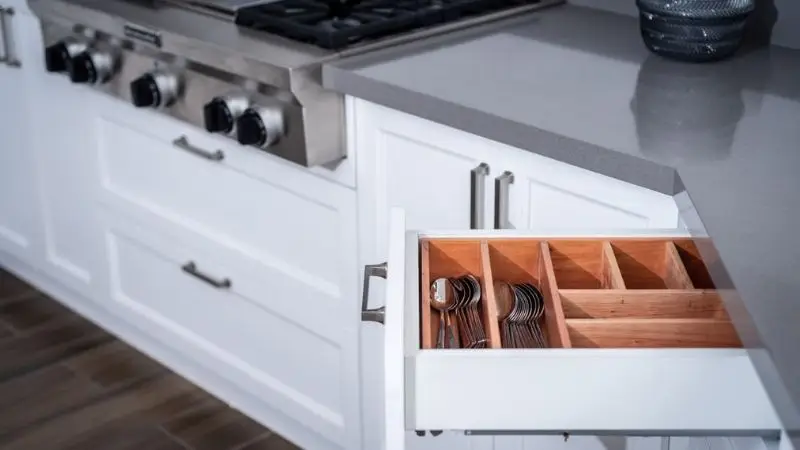
When choosing outdoor kitchen storage, don’t just pick attractive cabinets. Also consider your backyard layout, climate, cooking style, and budget. The right choices help you create an organized, functional space for daily life.
Choose Weather-Resistant Storage Materials
Outdoor storage faces conditions indoor cabinets rarely encounter. Sunlight, rain, humidity, and temperature can affect materials and hardware over time. Typical choices include stainless steel outdoor kitchen storage cabinets, outdoor-grade composites, and properly sealed exterior wood. Each material, however, has different care requirements. Buy outdoor kitchen products instead of assuming indoor products will work outdoors.
Refer to the manufacturer’s recommendations for water resistance, UV protection, corrosion resistance, and outdoor maintenance. If your kitchen is prone to heavy rain, consider moving it to a covered area and providing protection.
Measure Your Outdoor Kitchen Before Buying Cabinets
Measure your space to avoid buying cabinets that are too large or too hard to install. How to organize an outdoor kitchen? First, map out where you’ll store items by measuring the length, width, and height. Include countertops, appliances, doors, drawers, and walkways. Leave enough space for cabinet doors and drawers to open fully without hitting furniture or a grill.
If you intend to fit storage under a countertop, measure the height and depth. When buying built-in units, check clearances and installation instructions before buying. A simple layout drawing will help you compare various arrangements. It also helps you easily identify unused corners and small spaces you can fill with smaller storage units.
Consider Your Storage Needs and Cooking Habits
Consider how you use outdoor kitchen storage for cookware. If you grill often, you’ll want utensil holders, an accessory cabinet, and a cleaning station. If you entertain outside often, you may need extra space for serving food, dishes, tableware, napkins, and reusable food containers. If you are a gardener with herbs, you may need a small shelf for pots and gardening accessories.
Create a list of things to store and organize them by function. This will help you decide what items to store in drawers, on shelves, in cupboards, or in specific drawers. Store frequently used supplies near your primary preparation area. Keep seasonal tools and less-used tools and accessories out of sight in less-accessible cabinets. This way, cooking is easier, and there’s no more chaos.
Compare Built-In and Freestanding Storage Options
Both built-in and freestanding storage can work well for an outdoor kitchen. The best choice depends on your space, budget, and long-term plans. Built-in cabinets create a sense of harmony and can fit easily under countertops. They work well for a permanent outdoor kitchen, but they may require more preparation and professional installation.
How do you keep rain out of outdoor kitchen cabinets? Freestanding cabinets and storage units are easier to move or rearrange. These work well in smaller backyards, rental properties, and outdoor cooking spaces where needs may change over time. But they must be sturdy, waterproof, and built for outdoor use. Check the installation, storage options, durability, and maintenance for both options. Choose the one that fits your layout and everyday cooking needs.
Best Materials for Outdoor Kitchen Storage
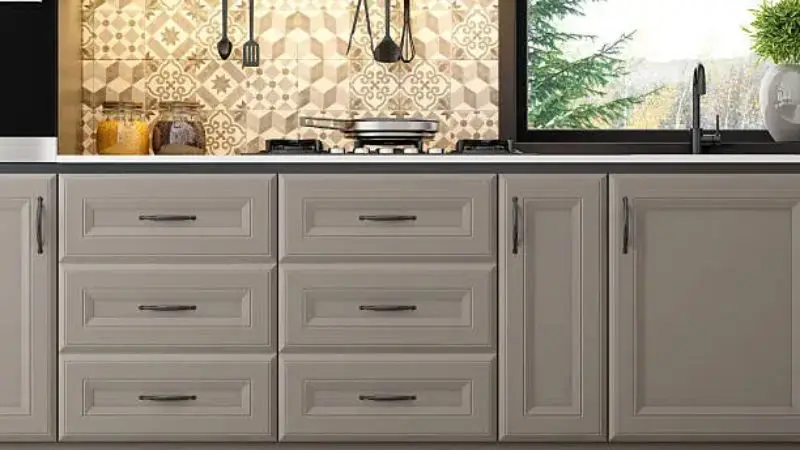
The product you choose can change how storage looks, how long it lasts, and how much maintenance it needs. Some materials suit wet environments, while others offer a natural, warm look.
Understanding the differences can help you choose the outdoor kitchen storage you need for your climate and backyard.
Stainless Steel Cabinets for Durability and Easy Cleaning
People choose stainless steel outdoor kitchen storage cabinets for easy cleaning and corrosion resistance, if you choose the right grade. They work well in contemporary backyards and pair with stone, concrete, and stainless steel appliances. Their smooth surfaces make them easier to clean after cooking, helping remove grease and food splashes.
Not all stainless steel is created equal, especially outdoors. 304 stainless steel is used in many applications, while 316 stainless steel handles more corrosive environments, such as coastal locations. Still, clean regularly to avoid staining and surface damage. Choose outdoor-rated cabinets with appropriate hinges, handles, and drawer slides. This helps ensure the entire unit, beyond the exterior panels, can withstand the elements.
Wood Cabinets for a Natural Backyard Look
Wood cabinets add natural warmth to an outdoor kitchen. They are ideal for rustic, traditional, and garden settings. Outdoor projects can also use exterior-grade hardwoods, such as teak, for its natural durability. With proper construction and maintenance, wood can withstand water, sunlight, and temperature changes.
How to Set up an Outdoor Kitchen? Use wood designed for exterior use and, where needed, a compatible wood-protection finish. Periodically check surfaces, joints, and edges for wear and moisture. You might need to maintain wood more than stainless steel or some other composite materials. If you enjoy a natural appearance and are willing to care for it, wooden cabinets can be an attractive addition to your backyard.
Composite Cabinets for Low-Maintenance Storage
If you want modern style with no maintenance, composite cabinets are ideal for BBQ storage in your outdoor kitchen. Their moisture resistance, fade resistance, and overall outdoor performance vary by construction. Outdoor-grade polymer and other specially formulated composites are available in various colors and finishes. Some designs look like wood; others are clean and modern.
Ensure that the cabinet material is specially formulated for outdoor use. Not all composite products resist UV, heat, and moisture. Pay attention to the hinges, fasteners, and other fittings. These parts can affect the cabinet’s durability even if the panels are durable.
How to Choose Materials for Different Weather Conditions
One of the most important factors in choosing the best outdoor kitchen storage solutions for small patios is the local climate. A cabinet that works well in a dry area may need extra protection in a damp area. In areas where water is likely, choose water-resistant materials and finishes. Other ways to minimize water damage include proper drainage, appropriate cabinet placement, and protected joints. In hot, sunny regions, ensure materials have good UV resistance. In direct sunlight, finishes can fade, and cabinet interiors can get hot, so this can be beneficial.
| Climate Conditions | Key Material Selection Points | Installation and Maintenance Recommendations |
| Damp environments | Water-resistant finishes | Ensure drainage; seal joints |
| Hot, sunny regions | UV-protected materials | Add shade where possible and clean surfaces regularly |
| Coastal areas | Corrosion-resistant metals | Rinse often; check hardware |
| Freezing environments | Temperature-rated materials | Follow manufacturer limits |
Space-Saving Outdoor Kitchen Storage Ideas for Small Backyards
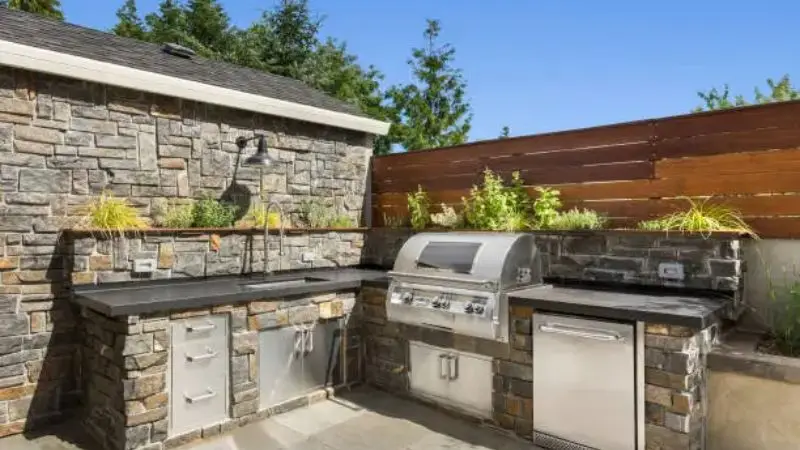
You can still create a functional, appealing outdoor kitchen in a small yard. The key is to make the most of your space and avoid storage that could hinder cooking or movement.
Use vertical shelving, small cabinets, and multi-functional furniture to store essential supplies without cluttering your outdoor space.
Use Vertical Space With Wall-Mounted Shelves
If you have limited floor space, focus on using vertical space. Wall-mounted shelves keep kitchen supplies off the floor and save space. Attach shelves to a suitable wall near the prep area. Use them for long-term storage or frequently used accessories. Store heavy objects on sturdy shelves and use the mounting devices’ weight capacity.
Use stainless steel outdoor kitchen storage cabinets and place them where they’re protected from direct sunlight and rain. Keep the arrangement simple to avoid crowding a small kitchen. Wall-mounted racks and hooks also count as vertical storage. These options free up counter space and keep the tools you need within reach.
Choose Compact Cabinets and Multi-Purpose Furniture
For outdoor kitchens, you don’t need large cabinets that take up a lot of space. Instead, look for narrow storage, compact cupboards, and cabinets that fit neatly under existing countertops. How to protect outdoor kitchen cabinets from rain? A small mobile storage cart can provide more space for grill supplies and accessories. For a wheeled unit, make sure it’s stable and suitable for outdoor use.
Multi-purpose furniture can also help you make space. If you have specific outdoor items to store, consider adding a storage bench with seating, or a small table with built-in shelves to add extra surface space and storage for important items. Measure the items before buying, and leave enough space around the grill to move around. The goal is to improve storage without compromising the usability of the cooking space.
Organize Small Items With Drawer Dividers
Little items can add up to a lot of clutter. Instead of extra cabinets, use drawer dividers to organize utensils, measuring spoons, bottle openers, and more. How to set up an outdoor kitchen? Choose dividers that match your drawer and the outdoors. Removable organizers are especially handy because you can take them out to clean.
Group similar tools together and place the ones you use most at the front. Keep less-frequently used accessories in separate compartments for easy access. You can also use small labeled containers in cabinets to store items that won’t fit in drawers. A little organization can make even a compact outdoor kitchen feel more spacious.
Make Use of Unused Corners and Narrow Spaces
People often overlook corners and tight spaces when designing outdoor kitchen storage for small patios. You can size these areas to fit useful storage without sacrificing space. A thin cabinet fits along a countertop or at the end of a kitchen run. A corner shelving unit can store lighter accessories, and a narrow rack can store some cooking equipment.
When adding storage, do not obstruct ventilation, access to appliances, walkways, or required clearances around the grill. Do not install cabinets where doors and drawers will not open fully. Alternatively, use movable storage baskets or a small trolley if you move storage around. These are easy to make and help you get the most out of your backyard while keeping your cooking space clean.
Conclusion
Designing a clutter-free outdoor kitchen isn’t hard. Store essential supplies where you need them with stainless steel cabinets, organized drawers, weather-resistant cupboards, and wall-mounted shelves. When selecting storage, consider your space, cooking routines, local climate, and maintenance needs. For small backyards, focus on compact cabinets, drawer dividers, and multi-purpose furniture.
You can make simple modifications to gain a little extra space and expand when needed. Keep frequently used items near your cooking area, cover items outside to protect them, and give each item a place to keep your setup organized. Use these outdoor kitchen storage tips to create a clean, functional, and inviting backyard where cooking up a storm and hosting friends is easier.
FAQs
For weather resistance and durability, which outdoor kitchen storage cabinets are best?
Stainless steel is ideal for outdoor kitchen cabinets and resists rust, humidity, and rain. Use marine-grade 316 stainless steel for marine use, and choose cabinets with sealed doors for added protection.
What is the best way to store outdoor kitchen utensils and tools in a storage drawer?
Stainless steel drawers with several sections are great for storing spatulas, tongs, knives, and grilling tools. Choose smooth, weather-resistant drawers with tight handles that open easily and last long.
What waterproof outdoor storage cabinets are best for kitchen equipment?
Choose cabinets rated for outdoor use, made of stainless steel, UV-resistant resin, or quality composite materials. Protect kitchen equipment from rain and moisture by sealing the doors, raising the base, and sloping the tops.
What outdoor kitchen designs work best for an L-shaped patio?
An L-shape works well for cabinets that run along two walls or patio edges. Place the grill on one side, storage on the other, and leave space in the corners.
How can you store outdoor kitchen trash and recycling out of sight?
Pull-out bins behind the cabinet doors are a great way to hide trash and recycling. Use lidded containers you can remove and wash, and keep them away from heat sources and food prep areas.
What are the most durable outdoor kitchen storage materials – stainless steel, wood or composite?
Stainless steel is strong and heat-resistant, and composite is moisture- and rot-resistant. Treated wood is natural but requires regular maintenance. Use materials made for outdoor use.