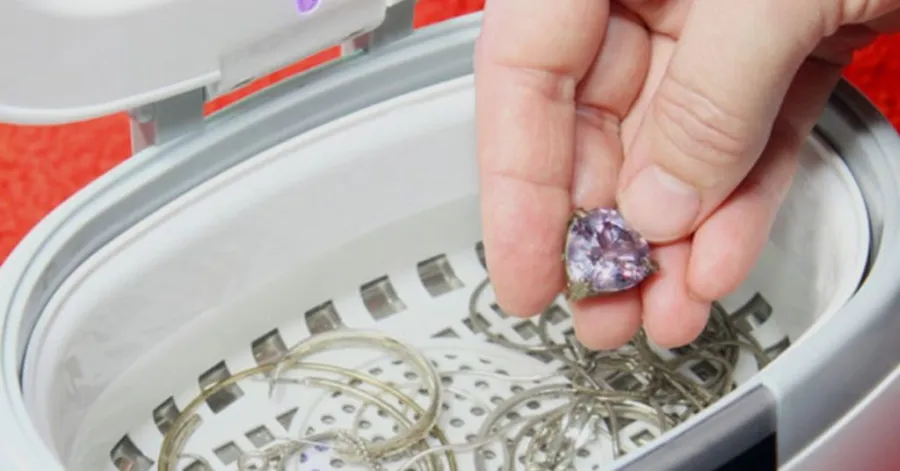
A jewelry ultrasonic cleaner helps remove dirt, oil, and residue from rings, chains, earrings, and bracelets. It uses high-frequency sound waves to make small bubbles in a cleaning solution, which help to clean tight areas and detailed surfaces. Not every piece of jewelry is suitable for this method. Especially care may be required in the case of gemstones, sensitive environments, and treated materials. Understanding how a machine works can help you choose the right solution and follow the correct steps to protect your jewelry. This guide explains how to safely use an ultrasonic cleaner and how to get the look of your jewelry.
What Is a Jewelry Ultrasonic Cleaner and How Does It Work?
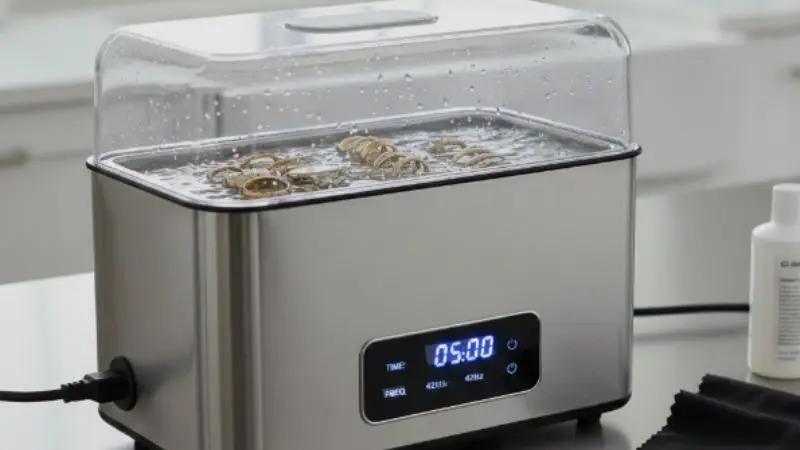
A jewelry ultrasonic cleaner is a handy machine for removing dirt, oil, and other buildup from jewelry. It uses high-frequency sound waves to clean small areas that are difficult to reach by brushing or covering. It is important to understand how the machine works before it is used, which pieces of jewellery are suitable for ultrasonic cleaning, and which materials may be damaged. This knowledge will help you to clean your jewellery safely and choose the correct method of cleaning for several pieces.
Recommended For Your Project
What Is a Jewelry Ultrasonic Cleaner?
A jewellery ultrasonic cleaner is a machine that cleans jewellery with the help of high-frequency sound waves and an appropriate cleaning solution. It has a tank where jewellery can be inserted into the basket before the cleaning cycle starts. The machine produces tiny bubbles in the liquid, which transmit loose dirt, butter, and residues from small holes and detailed surfaces. It can be useful for cleaning up rings, chains, earrings, and other appropriate items. But not every piece of jewelry is safe for that method. Always check your materials, gemstones, and the manufacturer’s maintenance instructions before adding your jewelry to the machine.
How Does a Jewelry Ultrasonic Cleaner Work?
To find out how the jewelry ultrasonic cleaning machine functions, the machine sends high-frequency sound waves through the cleaner liquid. These waves produce millions of tiny bubbles that quickly form and collapse in a process known as cavitation. The movement helps in the removal of dirt, fat, and residues from jewelry surfaces, including small spaces around settings and links. The cleaning solution is used to remove loose particles. However, a jewelry ultrasonic cleaner does not remove scratches or restore irreparable damage, and the right solution, temperature, and cleaning time must also be used.
Which Types of Jewelry Can You Clean With an Ultrasonic Cleaner?
Many durable jewelry pieces can be cleaned with a jewelry ultrasonic cleaner, insofar as the materials and construction are suitable. Solid gold, platinum, and some diamonds can tolerate ultrasonic cleaning when safe conditions are in place and are not damaged. Some pieces of silver can be suitable depending on design and finish. You must look after each object prior to cleaning and make sure the stones are secure. Well, if you don’t know for sure if the item is safe, get some advice from the jeweler. This is particularly important for antique ornaments, complex designs, and little pieces of fine jewelry.
Which Types of Jewelry Should You Avoid Cleaning With Ultrasound?
While ultrasonic cleaning works with many durable items, some pieces of jewelry can be damaged by vibration. Avoid the use of pearls, opals, emeralds with oil or resin treatments, turquoise, amber, and other porous or delicate stones in the machine unless a qualified jeweler confirms that they are appropriate. Vibrations could also weaken damaged or unprotected stones. Jewelry that contains adhesive components, fragile parts, or specific surface finishes can also require gentler care. When choosing an ultrasonic cleaner for jewelry, keep in mind that the machine is not suitable for every material. A soft cloth and a recommended soft cleaning method can be safer for sensitive pieces.
How to Use a Jewelry Ultrasonic Cleaner Step by Step
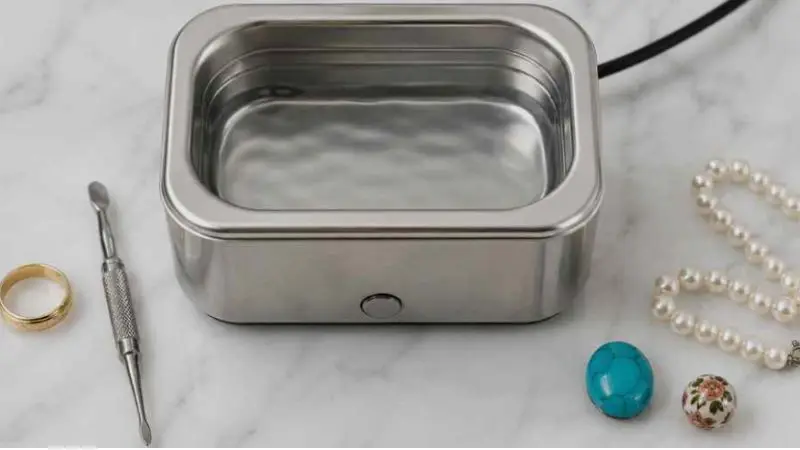
Once you’ve understood how ultrasonic cleaning works and the types of materials that will enable you to clean your jewelry, you can proceed and follow the proper steps to remove and reduce the risk of damage. Always read the jewelry ultrasonic machine instructions and follow the jewelry manufacturer’s care recommendations before starting. In general, the cleaning process includes inspecting the jewelry, preparing the solution, organizing the items, selecting settings, cleaning, and drying each item. If you learn to use an ultrasonic cleaner for jewellery, start with suitable, undamaged items and do not mix the thin parts with the jewellery, which requires a different method of cleaning.
Step 1: Check Your Jewelry for Damage and Loose Settings
Before starting the cleaning process, inspect each piece for loose stones, curved ridges, tears, broken fasteners, or other signs of damage. Ultrasonic vibrations can worsen an existing problem, especially if a gemstone isn’t held securely in place. Remove any inappropriate jewelry and set it aside for professional cleaning. If you are not sure about a gemstone or a setting, please contact a jeweler before continuing. Testing your items is an important part of your ultrasonic cleaner training to clean up the jewelry safely. Clean only pieces that are suitable for this method, and never assume that every ultrasonic-vibration gold or diamond item can withstand it.
Step 2: Fill the Tank With the Recommended Cleaning Solution
Start by placing the jewelry ultrasonic cleaner machine on a stable, horizontal surface and check the recommended filling level of the tank. Add clean water and an approved cleaning solution compatible with your machine and the jewelry material you intend to clean. Avoid household chemicals, bleach, and flammable liquids unless the manufacturer specifically provides for a particular product. The use of the wrong solution can damage the jewelry or machine. When choosing an ultrasonic cleaner, make sure it needs a special cleaning concentrate or works with a compatible solution to clean jewelry. Never work with an empty tank, and follow the manufacturer’s instructions for mixing and processing cleaning liquid.
Step 3: Place Jewelry in the Cleaning Basket
After preparing the solution, place your jewelry in the machine’s matching basket. The basket holds objects raised off the bottom of the tank and lets the cleaning liquid circulate around them. Arrange each item separately, if possible, to prevent chains from dangling and rubbing jewelry on other objects. Don’t overwork the basket, because these packed pieces may not even clear. When using ultrasonic cleaning for jewellery, keep the jewellery fully loaded when requested by the manufacturer’s instructions and make sure that the basket stays secure. Avoid placing items directly on the bottom of the tank or adding items that won’t fit ultrasonic cleaning.
Step 4: Set the Cleaning Time and Temperature
Once you have your jewellery properly positioned, select an appropriate cleaning cycle according to the machine manual and jewellery care needs. If your model provides you with a temperature setting, use only one temperature that is approved for both the machine and the article being cleaned. Start a short cycle on suitable jewelry and check the results before you decide whether there is any need for another cycle. If you are wondering how long to clean jewelry in an ultrasonic cleaner, there is no time that works for each item. Many routine cleaning cycles last several minutes, but the right duration depends on the machine, its dirt content, and the material being cleaned. Avoid excessive heat or recurring cycles, especially for gemstone jewelry.
Step 5: Rinse, Dry, and Inspect Your Jewelry
When the cycle ends, turn off the machine and remove the basket as carefully as indicated by the manufacturer. Rinse the jewelry with clean water to remove any remaining cleaning solution; make sure you don’t lose any tiny items down the drain. Dry any item with a soft lint-free cloth and leave all difficult-to-reach areas completely dry. Before storing jewelry, check for residual dirt, loose settings, or other apparent problems. When you learn to use an ultrasonic cleaner for jewelry, remember that washing and drying are important elements of the process. If residue remains, check whether the solution or cleaning process is suitable instead of repeating long cycles automatically.
How Often Should You Use a Jewelry Ultrasonic Cleaner?
Cleaning jewelry helps remove daily dirt, oils, and residues, which can regularly reduce its shine. However, how often you clean depends on how often you wear each item, its material, and its condition. Sensitive parts may require a gentler method, while some durable Jewelry may need occasional cleaning. Understanding the right cleaning frequency helps you keep the appropriate jewelry at its best without exposing it to unnecessary vibration or heat.
How Often Should You Clean Everyday Jewelry?
When you wear rings, necklaces, bracelets, or earrings every day, they can collect body oils, dust, lotion, and soap residue. You can regularly wipe these pieces with a soft cloth and sometimes use a jewelry ultrasonic cleaner if it fits. When deciding how often to use an ultrasonic jewellery cleaner, base it on the jewellery’s condition and care instructions rather than a fixed schedule. While some pieces need less frequent cleaning, durable pieces can benefit from cleaning every few weeks. Avoid common ultrasonic cleaning for items containing gemstones, delicate settings, or unknown materials unless you are sure of a qualifying jewellery dealer confirmations.
What Factors Affect Jewelry Cleaning Frequency?
Different factors determine how frequently jewelry needs cleaning, including daily wear, exposure to cosmetics, and the materials used. Rings collect more dirt during the day as they come into contact with hands, soap, and lotions. Necklaces and earrings may require cleaning less often, depending on how often they are worn. The environment is important because sweat, dust, and moisture can leave residue on jewelry. Before using a jewelry ultrasonic cleaner, check the manufacturer’s care instructions and consider the product’s condition. Jewelry with loose stones, cracks, delicate settings, or delicate gemstones can require professional care rather than ultrasonic cleaning.
What Are the Signs That Your Jewelry Needs Cleaning?
Jewelry may require cleaning when it looks dull, feels greasy, or has visible dirt around the settings and left. Rings can collect residue among gemstones, while chains can develop buildup around clasps and chain joints. But boring does not always mean that dirt is the problem. Scratches, worn-out plating, tarnish, and damaged finishes may require other treatment. Before you use an ultrasonic cleaning machine for jewelry, carefully inspect the product and confirm that its material is suitable. If a stone appears loose or the jewelry becomes visibly damaged, stop and ask a professional jeweler to examine it before you try to clean it.
Tips for Using a Jewelry Ultrasonic Cleaner Safely
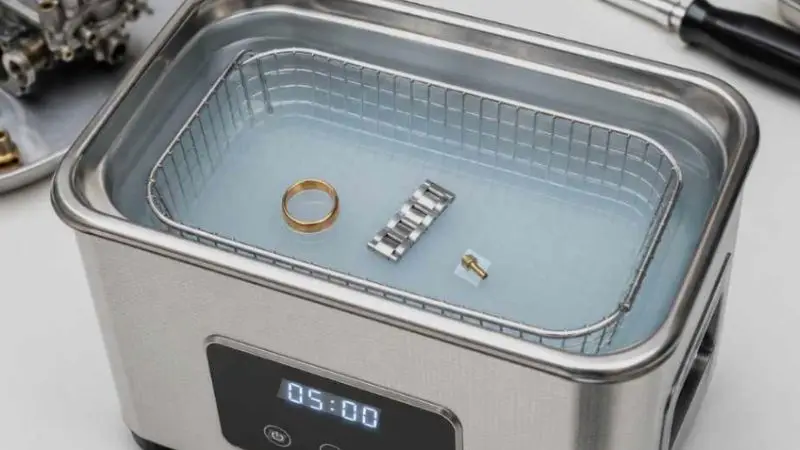
The correct use of the jewelry ultrasonic cleaner machine helps you clean suitable jewelry and at the same time reduce the risk of injury. Always read the instructions before choosing a cleaning solution, cycle length, or temperature. Don’t assume expensive jewelry or hard gemstones are automatically safe for ultrasonic cleaning. The item’s setting, treatment, and overall condition also matter. These practical tips can help you use your machine properly, to keep up its performance, and to produce consistent cleaning results.
Use the Right Cleaning Solution for Your Jewelry
Choosing the right cleaning solution is important, as some chemicals can damage jewelry surfaces, gemstones, or machine components. Use a solution that is approved by the manufacturer of the machines and is suitable for cleaning materials. While some machines work with water and compatible cleaning concentrates, others may require specific products. Avoid bleach, abrasive polishing devices, and flammable liquids unless the manufacturer expressly approves their use. When operating an ultrasonic cleaner for sensitive items, don’t forget that a soft solution cannot make inappropriate gemstones safe for ultrasonic cleaning. Always check the care instructions for jewelry before choosing a cleaning product.
Avoid Overloading the Cleaning Basket
Overloading the basket might prevent the cleaning solution from circulating well around each piece of jewelry. When objects touch or overlap, they can rub, scratch, or be tangled against each other. Place the pieces, where possible, in a single layer so that the liquid can be sufficiently available to reach their surfaces. Keep small items safely within the specified basket so that they don’t fall into the tank or get hard. If the basket is not busy, a well-ordered ultrasonic jewelry cleaning machine can clean suitable items more evenly. If you have more than one piece, clean them in separate batches instead of pushing them all into a cycle.
Follow the Recommended Cleaning Time and Temperature
Excessive cleaning or heat can increase the risk of damage to certain jewellery materials and settings. Follow the instructions of the machine and choose a cycle which corresponds to the item to be cleaned. For the relevant jewellery articles, start with a short cycle and test the results before taking a decision on the need for further cleaning. Do not assume a longer cycle will always result in a better one. Check the recommended temperature range and avoid settings that exceed your jewellery or cleaning solution limits when using a professional ultrasonic cleaning system. If dirt remains after an appropriate cycle, consult the guidance of the manufacturers instead of extending the cleaning time repeatedly.
Maintain Your Ultrasonic Cleaner After Use
Regular maintenance helps keep the machine ready for cleaning and for next use. After each cleaning session, turn off the unit and pull the plug according to the manufacturer’s instructions. Leave the solution to cool, empty the tank, and clean it as instructed. Wash the inside with a soft cloth and dry the tank before placing the machine. Avoid abrasive tools, which might damage the surface. Correct care of your ultrasonic cleaning equipment includes controlling the power cord, basket, and checking for signs of wear and tear. Follow the manual for deeper maintenance, and never dip the electrical base in water unless the manufacturer specifically allows it.
Wrap Up
A jewelry ultrasonic cleaner can help clean jewelry by removing dirt and residue from suitable pieces. Before cleaning, check your jewelry and use a compatible solution to ensure it delivers the best results, and follow recommended time and temperature values. After the cleaning cycle, always rinse carefully and dry. Remember that pearls, opals, and other sensitive materials may need alternative cleaning. Regular maintenance helps keep your machine in good condition. By understanding your jewelry needs and following the manufacturer’s instructions, you can choose a suitable cleaning routine and keep your favorite pieces looking clean without unnecessary risk.
FAQs
How Long Should Jewelry Stay in an Ultrasonic Cleaner?
Use an ultrasonic cleaner for only a few minutes to protect most jewelry. Before considering any other cleaning cycle, follow the manufacturer’s recommended cycle and check the item.
Can You Use Water Alone in an Ultrasonic Jewelry Cleaner?
Yes, water may loosen a bit of dirt, but a compatible cleaning solution can enhance the results. Always follow instructions from your machine and avoid inappropriate chemicals or additives.
Can an Ultrasonic Cleaner Damage Gold or Diamonds?
Yes, ultrasonic cleaning can damage Gold jewellery with individual settings and diamonds with breakage or damage. Check the condition of the item and check with the jeweler if you’re not sure.
What Cleaning Solution Should You Use in an Ultrasonic Cleaner?
Use a cleaning solution that is approved for your vehicle and jewelry. Avoid bleach, abrasives, and unapproved chemicals, which can damage jewelry or the machine.
How Often Should You Use an Ultrasonic Jewelry Cleaner?
The frequency of cleaning will depend on wear, mud, and jewelry. Occasionally clean appropriate pieces, follow Care instructions, and frequently avoid ultrasonic cleaning for sensitive or compromised items.