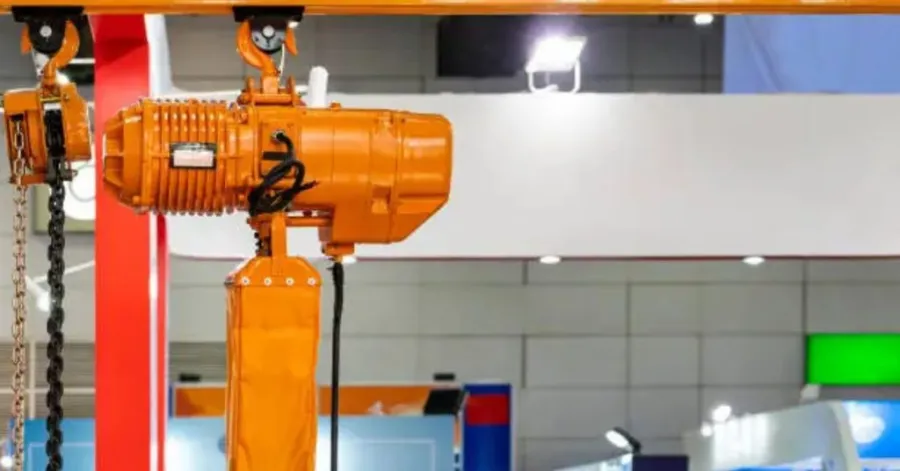
To install a 2-ton electric chain hoist correctly, prepare the support structure, mount the hoist, safely connect power, test all safety and control functions, run a load test, and train operators. Bad work can cause dropped loads, structural failure, electrical hazards, and OSHA 1910.179 violations. This guide uses the manufacturer’s manual and ASME B30.16 as its baseline. Proper installation of a 2-ton electric chain hoist with trolley leaves no step optional.
Correct installation and commissioning of electric chain hoist equipment demands care. Anyone learning how to install electric chain hoist hardware must treat the electric chain hoist as a certified lifting machine. This work protects your crew—every installation detail matters.
- Tools and Equipment Needed to Install a 2 Ton Electric Chain Hoist
- Check the Installation Location Before Mounting the Hoist
- Step-by-Step Guide to Install a 2 Ton Electric Chain Hoist Correctly
- How to Test a 2 Ton Electric Chain Hoist After Installation
- Mistakes to Avoid When Installing a 2 Ton Electric Chain Hoist
Tools and Equipment Needed to Install a 2 Ton Electric Chain Hoist
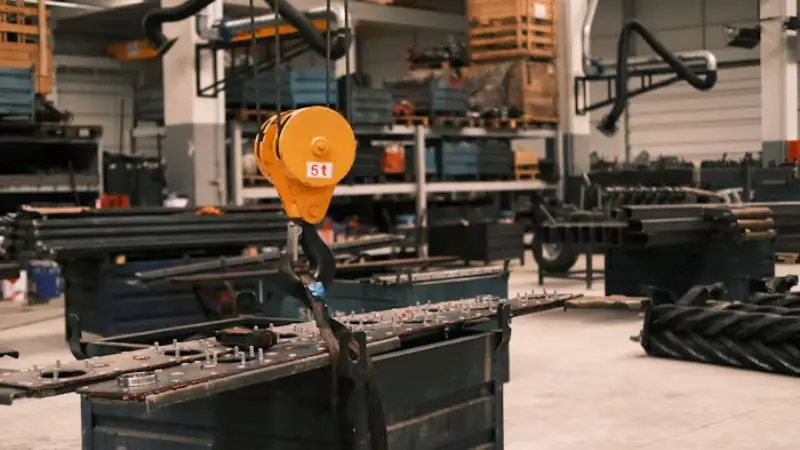
When installing a 2-ton electric chain hoist, don’t guess. Prepare all tools in advance. If you’re missing a tool during mounting, stop. That delay carries a risk.
Recommended For Your Project
Essential Installation Tools
Torque anchor bolts to the torque specified in the manual using a torque wrench. Use a spirit level and tape measure to check the support structure and ensure it is square and level. Drill the holes in the support to the proper bit size. You also need a 2-ton electric chain hoist/come-along to install the unit. Buy shackles and slings with a capacity greater than the electric chain hoist’s rated capacity.
Keep the manufacturer’s wiring diagram handy when doing electrical work. It shows how to connect the power supply and control pendant. Test the circuit for voltage and continuity with a multimeter before turning it on. Make clean connections using wire strippers, crimping tools, and insulated terminals. As you label each conductor, do so. This practice accelerates the next inspection.
Safety Equipment Required for Installation
Wear a hard hat, safety glasses, and steel-toed boots. Avoid touching chain and sharp hardware with bare hands. Use a fall-arrest harness to protect yourself from falling when working overhead. Read the 2-ton electric chain hoist specifications before installation to ensure you have the required safety equipment and installation conditions.
Electrical safety requires special attention. Unplug the power source and tag out before working on any wiring. Connect the hoist to ground as per code and manual. Grounding protects operators from electrical shock. Use a meter to test the circuit before installation of the hoist. Avoid using a switch position as a sole criterion. Install and inspect in accordance with ASME B30.16.
Check the Installation Location Before Mounting the Hoist
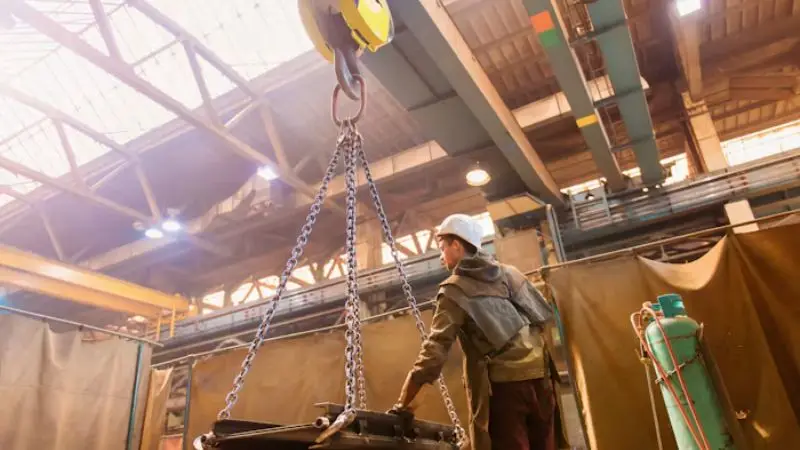
Check the supporting structure before attaching a hoist to ensure it can support the hoist’s load, weight, and dynamic forces. Select an appropriate mounting location with adequate clearances, safe lifting access, and sufficient lifting height.
Check the beam, trolley, mounting points, and connections for damage or wear, and ensure all components comply with the manufacturer’s specifications before installation.
Check the Load Capacity of the Support Structure
For a 2-ton electric chain hoist, the support structure design load capacity should be at least 2 tons. Inspect beam, brackets, anchors, and supporting connections before installing the unit. The structure should also account for the hoist’s weight, the trolley’s weight, and applicable dynamic forces during lifting and moving.
Do not rely on an existing beam’s strength because it supports other equipment. If necessary, have a licensed structural engineer check the load capacity. Read the manufacturer’s instructions and building codes. Always make sure the support structure is appropriate before installing the hoist.
Choose the Right Mounting Position
Select a mounting location so the hoist can move loads up and down without colliding with walls, machinery, or obstructions. Allow adequate space for the hook, load chain, trolley, and load. Check the lifting height to make sure the hoist can reach the required working positions.
Set up the hoist so operators are not under the load while guiding it. Whenever possible, avoid crossing walkways and workstations when lifting. When operating a 2-ton electric chain hoist with a remote control, the operator should be able to see the load and use the remote from a safe position. For a hoist using a trolley, check the beam to ensure it has the correct travel distance and end clearance. A suitable mounting position minimizes collisions and makes it easier to use in daily practice.
Inspect the Beam, Trolley, and Mounting Points
Check the beam for loose connections, deformed beam, damaged welds, corrosion, and cracks. Inspect mounting holes and attachment points for wear and damage. An AA-qualified person must evaluate any structural fault before installation. When buying a 2-ton electric chain hoist, also check whether the model suits your installation and support needs.
When using a trolley, ensure its capacity matches the hoist and that its beam width and profile fit. Inspect wheels, axles, side plates, and travel stops. Ensure the trolley rolls freely with minimal play or binding. Replace damaged parts with approved parts before mounting the hoist.
Step-by-Step Guide to Install a 2 Ton Electric Chain Hoist Correctly
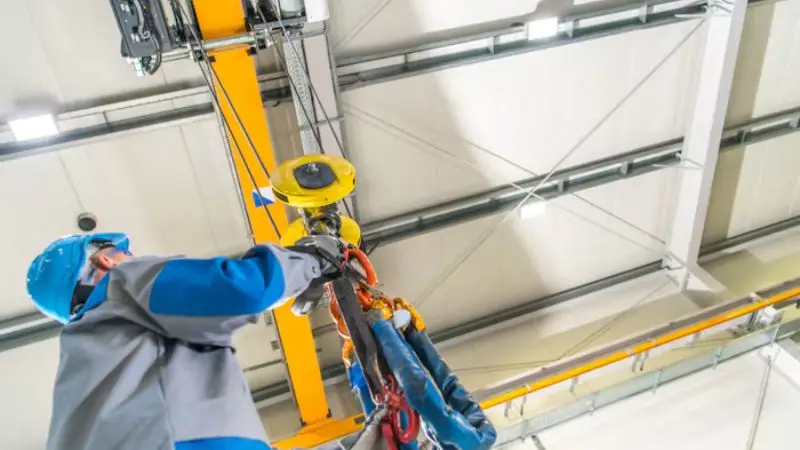
To install the 2-ton electric chain hoist, read the manufacturer’s manual, inspect the hoist, install the approved hoisting mechanism, and verify the load chain and hook. Test the electrical connections, pendant controls, and safety features per the manufacturer’s instructions.
Before testing or operating the hoist, a qualified electrician and competent personnel should perform the required installation and safety checks.
Read the Manufacturer’s Installation Manual
Read the instructions for use before operating the hoist. It provides mounting criteria, electrical specifications, rated capacity, chain arrangement, and safety precautions for your model. Check the 2-ton electric chain hoist specifications to ensure the unit meets your lifting requirements and installation needs. Verify whether the unit requires a specific trolley, suspension, or mounting accessory.
Before electrical work, verify the supply voltage, phase, frequency, and control requirements. Determine any special installation or commissioning requirements. Never use instructions for another model of hoist. Always have the manual handy during installation for reference and to check each step.
Inspect the Hoist Before Installation
Inspect the hoist for shipping damage, missing parts, loose fasteners, and corrosion. Check the housing, the suspension point, the load chain, hook, hook latch, and control pendant. For a 2-ton electric chain hoist installed with a remote control, inspect the remote control and connections for damage. Ensure that the ID plate is legible and has the correct rated capacity.
Inspect for twisted, kinked, stretched,d or damaged chain links. Inspect the hook for cracks, deformations, and a broken latch. Do not install a unit with defects that may compromise safe operation. Report any damage to the supplier or manufacturer, and ensure a fitting inspection is completed before continuing.
Install the Approved Mounting System
Follow the manufacturer’s instructions for the mounting system. This may be a beam trolley, suspension bracket, mounting pin, or approved support connection. When installing a 2-ton electric chain hoist with trolley, ensure the trolley is suitable for the hoist, matches the beam profile, and has sufficient load capacity. Ensure all parts are suitable for the hoist and for the application.
Follow the required assembly and lock-up sequence. Utilize appropriate fastening and locking devices. Avoid drilling, welding, cutting, or altering structural components unless they are correctly engineered and approved. Before mounting and lifting into position, verify that the mounting system is secure.
Attach the Hoist Securely
Raise the hoist using appropriate lifting equipment. Check the lifting equipment capacity and attachment points for the hoist’s weight. When selecting the most suitable 2-ton electric chain hoist, make sure it suits your application and lifting needs. Keep personnel clear of the suspended unit while positioning it.
Tie down the hoist with the approved suspension. Adjust every necessary pin, retainer, bolt, and locking piece per the manual instructions. Ensure the hoist is suspended in the proper direction and does not block the beam or other machinery. Check all connections before taking off the temporary lifting support.
Check the Load Chain and Hook
Ensure the load chain passes through the correct guides and sprockets. Reevee and orient the chains according to the manufacturer’s instructions. When installing a 2-ton electric chain hoist with remote control, avoid twisting or crossing the chain or letting it bind against the housing. Never twist, cross, or trap the chain against the housing.
Check the hook, latch,h and swivel as installed. Test the hook for free movement and ensure it closes properly. When provided, install the chain container correctly, and keep it clear of the chain. Do not shorten, splice, or repair the load chain without authorization. Before using the hoist, correct any chain or hook issues.
Connect the Electrical Supply
A certified electrician must wire the hoist per the electrical wiring diagram and electrical requirements. When selecting a 2 ton electric chain hoist for sale, ensure the power supply, motor, and control specifications comply with the site’s electrical system. Check that the power supply matches the motor and control requirements. Install properly rated conductors, protective devices, grounding, and cable protection.
Disconnect and lock off power before connecting. Check the wiring on the manufacturer’s diagram and the protective earth connection. Make sure cables do not hook or become entangled on the trolley, chain, or other equipment. Never energize the hoist until the electrical installation has been inspected and is safe to test.
Check the Pendant Control and Safety Features
Check the pendant housing, cable, buttons, and strain relief for damage. When installing a 2-ton electric chain hoist with trolley, check the control label to ensure the lifting and lowering directions match. Verify that the control labels are correct for the direction the control is to lift and lower. Inspect the emergency stop and other safety controls included with the hoist.
Before testing, ensure the operating area is clear, and personnel are in safe positions. Turn off the power when permitted, and test the controls according to the manufacturer’s instructions. Stop and isolate the equipment if any button does not work as intended or if a safety function fails. Fix the issue before proceeding.
How to Test a 2 Ton Electric Chain Hoist After Installation
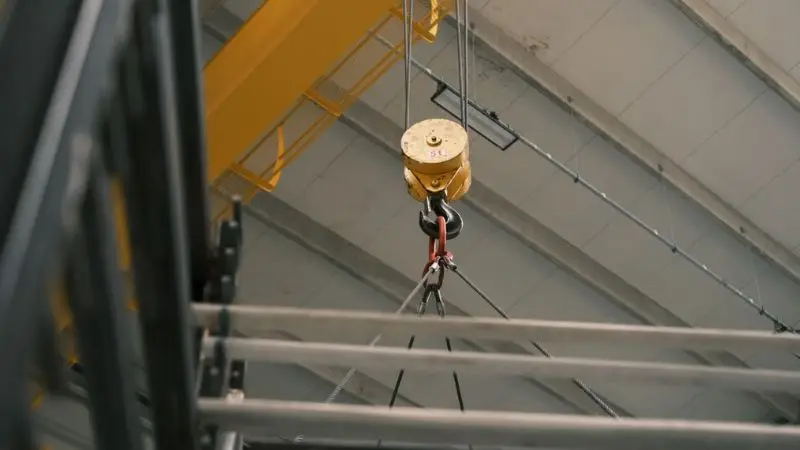
Before testing, check the work area, chain, hook, support system, and mounting connections. Operate the hoist without a load, check the controls, brake, and limit switches, and conduct an approved load test as needed. Note all defects during inspection and testing, and rectify them before operating the 2-ton electric chain hoist.
Perform a Pre-Operation Safety Inspection
Check the entire installation before operating the 2-ton electric chain hoist. Inspect the support structure, mounting connections, trolley, load chain, hook, and chain container. Make sure all required fasteners and retaining devices are in place. Check the load chain for proper alignment and damage.
Ensure the work area is clear, and no one is under the hook or a suspended load. Check electrical covers and ensure that cables are covered. Clear tools, packing, and waste materials from the operating area. Note any faults and repair them before the functional tests.
Test the Hoist Without a Load
Operate a 2-ton electric chain hoist remotely, without load, according to the manufacturer’s commissioning procedure. Move the hook up and down in an appropriate part of its travel. Watch for unusual noise, jerky movement, vibration, or chain binding.
Test the unit’s travel in both directions, if applicable, and if the unit is equipped with a trolley. Ensure the pendants function correctly and the emergency stop operates properly. Do not use the hoist if it shows abnormal movement, excessive noise, or a control fault. Check the equipment and troubleshoot before retesting.
Perform an Approved Load Test
Conduct a load test only if required by applicable regulations, standards, or the manufacturer’s commissioning procedure. In addition to the 2-ton electric chain hoist price, also consider the equipment’s safety features, installation requirements, and testing requirements. Include the test load and approved test method for the hoist type and installation. A qualified person must supervise the test and verify that it is suitable for the support structure, mounting system, and hoist.
Do not extend the test area, and never let anyone stand under the load. Increase the test load only as directed by the approved procedure. Check for abnormal movement or distress in the hoist, chain, hook, support structure, and trolley. Not all hoists will be tested for the same percentage of rated capacity or test load. Document the test conditions, results, and corrective actions.
Confirm the Brake and Limit Switch Operation
Run a test brake on the most reliable 2-ton electric chain hoist, per the manufacturer’s instructions. Ensure that the brake can stop and hold the load as intended. Do not test the brake by overloading the hoist or creating an uncontrolled load situation.
Test upper and lower limit switches (where fitted) as prescribed. These devices help prevent travel outside the limits but should never replace normal operator control. Never use a limit switch to end the lifting motion. Remove the hoist from service if a brake or limit switch fails until you correct the failure and repeat the tests.
Mistakes to Avoid When Installing a 2 Ton Electric Chain Hoist

To avoid common installation errors, check the support beam, rated capacity, correct electrical connection, and chain and hook. Operate the hoist only after completing all required commissioning tests, documenting the inspection, and training operators.
Proper installation and regular inspections of a 2-ton electric chain hoist can help prevent equipment failure, dropped loads, and serious injury.
Using a Weak or Unsuitable Support Beam
Loads applied to a support beam may cause it to bend, crack, or fail during lifting. This can cause dropped loads, equipment damage, and serious injury. Never choose a beam based only on its appearance or size. Read the 2-ton electric chain hoist specifications to know the weight, load capacity, and mounting conditions.
Check the beam’s capacity, span, condition, and connections before installation. If necessary, add the weights of the hoist, trolleys, and applicable dynamic and horizontal forces. Provide a qualified structural engineer if an assessment is needed. Never attach the hoist until a qualified structural engineer has verified that the entire support is adequate.
Installing the Hoist Without Checking Its Rated Capacity
A 2-ton electric chain hoist has a 2-ton capacity and works under certain conditions. The capacity marking does not indicate that all supporting beams, trolleys, slings, and attachments can support the same load. The complete lifting mechanism should be appropriate for the intended use.
Verify the hoist’s identification and ensure the load is within the lowest applicable capacity of the lifting arrangement. If the manufacturer’s instructions require it, account for the weight of lifting attachments. Do NOT use the hoist to lift people or pull loads sideways unless it is specifically designed and approved for that service.
Making Incorrect Electrical Connections
Faulty wiring may cause electric shock, motor damage, unexpected movement, or control-system failure. Incorrect supply voltage or phase connection may also cause the hoist to operate incorrectly. When installing a 2-ton electric chain hoist with trolley, follow the manufacturer’s wiring diagram and local requirements. Refer to the manufacturer’s wiring schematic and local codes.
A qualified electrician must check the supply, grounding, protective devices, control wiring, and cable connections. Install and troubleshoot the power separately. Follow the approved procedure when commissioning. Do not use the hoist if the controls react unexpectedly or the electrical protection fails.
Ignoring Chain Alignment and Hook Safety
A misaligned or twisted load chain can get stuck in the hoist and damage the chain guides or lifting mechanism. Before using a 2-ton electric chain hoist with wireless remote control, ensure the chain is properly reeved and moves freely through the guides. Before running the unit, check that the chain is properly reeved and the guides are functioning properly. Inspect the hook to ensure it is properly formed, and the latch is secure.
Do not use a hook that is cracked, worn, bent, or has a broken latch. Avoid letting the chain touch sharp objects or get caught between the load and other equipment. Place the hook above the load when lifting. This minimizes side loading and stabilizes the load in motion.
Skipping Commissioning and Safety Tests
Installing the hoist isn’t the end of the story. Equipment must undergo required tests and inspections before normal operation. Without commissioning, problems with electrical components, faulty brakes, incorrect control direction, or incorrect mounting connections may go undetected.
Fill in the manufacturer’s commissioning list and any relevant inspection and testing requirements. Record the results, correct any flaws, and retest as necessary before approving the hoist for use. Instruct train operators on control operation, rated capacity, emergency procedures, and safe lifting procedures. Make the inspection and maintenance records available for further tests.
When operators follow the manufacturer’s instructions and applicable safety requirements, a properly installed and tested 2 ton electric chain hoist can be used safely and reliably.
Final Safety Checks
Complete all steps in sequence: Inspect the structure; install the hoist; wire it up; test controls; conduct a load test; train the operator. List all of them as they come. Wait until all checks are clear before using the hoist. Note the rated load test and inspection findings in accordance with ASME B30.16. This record establishes that your 2-ton electric Chain Hoist is safe to operate.
Wrap Up
Installing a 2-ton electric chain hoist requires careful planning, proper mounting, and safe electrical connections. Before use, check the support structure, hoist capacity, load chain, hook, and loading components. Follow the manufacturer’s instructions and applicable safety standards for installation and commissioning. Verify operation and function and safety features such as test control, brakes, limit switches and others via approved procedures. Perform all necessary load tests, document defects, and fix them before operation.
Ensure train operators are trained in safe lifting techniques, and keep inspection, maintenance, and training records current. Following these steps helps minimize lifting risks and ensures safe, reliable lifting with your electric chain hoist.
FAQs
Before installing a 2-ton electric chain hoist, what should you check?
Please verify the load-bearing capacity, mounting points, trolley compatibility, and support-beam clearance before installation. Check the hoist, load chain, hook, and mounting parts for damage and follow the manufacturer’s installation instructions.
Should the electrical supply be connected to an electric chain hoist by?
A qualified electrician should connect the power supply using the manufacturer’s wiring diagram and in compliance with electrical requirements. The electrician must check voltage, grounding, protective devices, and cable connections before energizing the hoist.
What is the method of testing a 2-ton electric chain hoist after installation?
First, perform a pre-operation inspection, then test the lifting and lowering controls without a load. Test the emergency stop, brake, and limit switches as per the manufacturer’s procedure. Conduct a load test, as specified in applicable regulations, standards, or commissioning instructions.
When installing an electric chain hoist, what are the common mistakes?
Don’t use an improper support beam, overuse the beam’s rated capacity, make improper electrical connections, and neglect damage to the chain/hooks. Don’t overlook required commissioning tests, inspections, or operator training.
After installing the 2-ton electric chain hoist, why are inspection records important?
Inspection and testing records document the installation condition, test results, and corrective actions. Keep the manufacturer’s manual, inspection records, and operator training records on file, and reinspect after changes or repairs.