
Your outdoor bbq vent hood should last for many years and perform well if you can care for and maintain it properly. Begin with easy tips, such as regular cleaning and checking for weather damage. Maintaining your home’s exhaust hood will keep it safe and ensure that your food tastes great. These tasks can be done by you to avoid costly repairs in the future.
In this article, we will discuss the important tips to maintain your BBQ hood effectively and safely.
How Often Should You Clean Your Outdoor BBQ Vent Hood?

Below are the tips that will help you to understand how often you should clean your vent hood.
Recommended Cleaning Frequency
The majority of experts recommend that you clean your filters every month during grilling season. You may want to clean your filters every two months if you use your grill weekly. Cleaning your vent hood regularly will make it last longer and work better.
Set up a reminder on your phone to ensure you don’t forget to clean the filter.
Factors That Affect Cleaning Schedule (Usage, Environment, Weather)
The frequency of cleaning the filters is determined by a number of factors. Grease and smoke will build up more quickly if you grill frequently. Filters can become dirty due to dust or wind. You may notice that the filters clog up more quickly if you live in an area with trees or are humid. Check the filters immediately after a large cookout or storm.
Here’s a quick table to help you decide:
| Usage Level | Suggested Filter Cleaning |
| Light (1x/month) | Every 2 months |
| Moderate (1x/week) | Every month |
| Heavy (3x/week+) | Every 2 weeks |
Signs Your BBQ Vent Hood Needs Immediate Cleaning
You may need to clean your filters immediately. Look out for the following signs:
- Smoke doesn’t clear up fast.
- After grilling, you may smell food or grease.
- Filters look dark or greasy.
- Strange noises are coming from the vent hood.
Stop and clean the filters if you see them. It will keep your grill area clean and your vent hood working well.
Essential Tools and Supplies for BBQ Vent Hood Maintenance
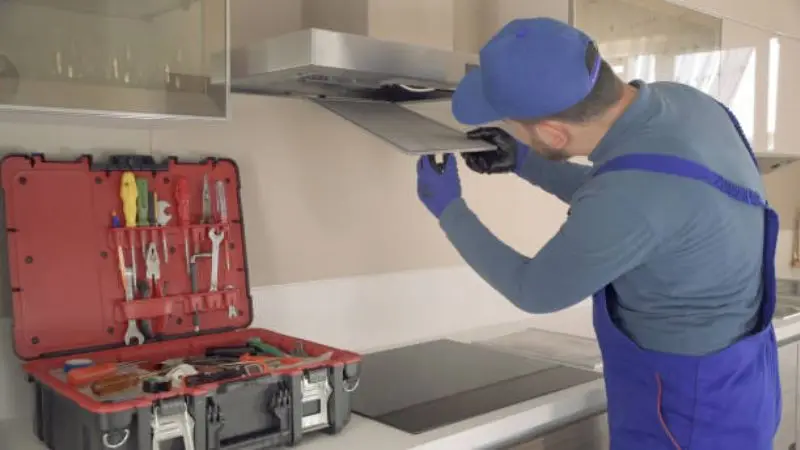
Without proper tools, you can mess up the cleaning process. These are some important tools that can make your kitchen vent hood maintenance easier.
Cleaning Agents (Degreasers, Natural Solutions)
Always begin the cleaning process with the correct cleaning agents. Choose a degreaser for the kitchen that can cut through grease quickly. For a more gentle touch, you can use warm water mixed with dish soap. Some people prefer natural solutions. If you’re looking for something simple and safe, try vinegar and baking soda. These options will help you to clean without a strong smell.
Test a new cleaner first on a small area. You can protect your kitchen hood from damage by doing this.
Brushes, Cloths, and Protective Gear
The right tools are important for maintenance and cleaning. Grab a soft-bristle bbq cleaning brush and scrub off any grease that has gotten stuck. Wipe surfaces with microfiber cloths, and they will be streak-free. Rubber gloves will protect your hands against hot water and cleaning agents.
Wearing safety goggles is important if you are using strong cleaning agents. These cleaning supplies are safe and easy to use.
Optional Tools for Deep Cleaning
You may need to dig deeper. Dust can be removed from small spaces with a vacuum. For stubborn grease, a handheld steam cleaner is ideal. A screwdriver is needed to remove panels or filters. These tools will help you clean all parts of your barbecue vent hood. These tools are not necessary every time, but they make deep kitchen cleaning easy.
Step-by-Step Guide to Cleaning Your Outdoor BBQ Vent Hood

Are you ready to tackle the grill hood on your outdoor barbecue? You can follow this step-by-step guide, especially if you’re learning how to install an outdoor BBQ vent hood.
Step 1: Turn Off Power and Prepare the Area
Turn off your vent hood power supply first. It is important to be safe when you are cleaning. Unplug or turn off the circuit breaker. Spread old towels or drop cloths to catch any drips. Remove any food or equipment from the area.
Step 2: Remove and Clean the Filters
Remove the filters from your vent-hood. The filters are usually easy to remove. Check your manual if you get stuck. Fill the sink with hot, soapy water. Let the filters soak in the hot water for 10 to 15 minutes. Rub each filter gently with a brush to remove dirt and grease. Rinse the filters well and let them dry. Repeat the cleaning procedure if you notice heavy buildup. Your filters should be clean and clear.
Cleaning your filter every couple of weeks will keep your vent hood in good working order.
Step 3: Clean the Interior and Exterior Surfaces
Always use a damp cloth and a gentle cleaner to clean the vent hood on both the inside and outside. Use a dampened cloth and a mild cleaner. Concentrate on areas with grease or smoke stains. With a clean, dry towel, wipe all surfaces. This step will make your vent hood look shiny.
Step 4: Degrease the Fan and Ductwork
Check for grease on the fan and ductwork. Spray degreaser in the toughest spots. Remove grime using a cloth. Use a brush if you notice a thick buildup. These parts should be cleaned to prevent fire hazards and keep the air flowing, especially if using an outdoor vent hood for gas grill.
Step 5: Rinse, Dry, and Reassemble
Properly rinse all parts that you have washed. Towel-dry everything. Reinstall the filters. Re-connect your vent hood to the wall or power.
Best Tips for Maintaining Your Outdoor BBQ Vent Hood
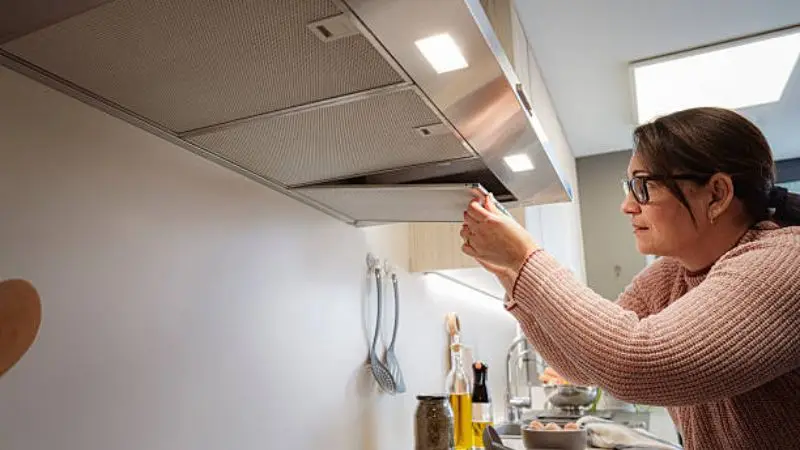
These are the best tips for maintaining the kitchen vent hood that can make your cooking space safe and hygienic.
Clean Filters Regularly to Prevent Clogging
Choosing the best outdoor BBQ vent hood for home is important, but cleaning the filters regularly is essential. By cleaning range hood filters, you can stop grease accumulation and maintain air flow. Filters that are dirty can cause airflow to be blocked, and odors will stick. Clean the filter every few times you use your machine. Simple filter maintenance can help you to avoid major problems in the future.
Tip: Mark your calendar for filter maintenance. You’ll never forget to clean your range hood filters.
Use a High-Quality Degreaser
When you cook outdoors, grease builds up quickly. For proper maintenance, you need a powerful degreaser. Spray the degreaser on your filters and allow it to sit for a couple of minutes. Rinse well and wipe away any mess. This step helps to reduce odors and makes cleaning easier. Use a cleaning product designed for outdoor vent hoods.
Inspect and Maintain the Fan Motor
Your outdoor bbq vent fan is powered by the motor. Check it every time you do maintenance. Check for dust, grease, or strange sounds. Wipe away any grease buildup. A clean range hood filter will help the fan run better and last longer. Filter maintenance is important to reduce repairs.
Protect the Hood from Weather Damage
The sun, rain, and wind can damage your outdoor bbq hood. Cover the hood when not grilling. When cleaning the filter, check for water or rust spots. Keep everything in tip-top shape by cleaning the filter and hood. This will keep odors at bay and protect your investment.
This is especially important for an outdoor kitchen vent hood with lights to protect electrical components.
Schedule Routine Deep Cleaning
For best results, deep-clean your car every month. Remove all filters, soak them, and replace. Rub down the entire vent hood of your outdoor barbecue. The fan, range hood filters, and interior walls should be cleaned. This prevents grease accumulation and keeps odors at bay. Enjoy a safe and clean grilling area every time.
Common Mistakes to Avoid When Maintaining a BBQ Vent Hood
These are the common mistakes that you can avoid during the cleaning of the vent hood.
Using Harsh or Abrasive Cleaners
Avoid using harsh cleaners, as they can damage your vent hood. Some harsh sprays can damage the finish, making it look old. When cleaning, use gentle products. Use a soft cloth with a mild cleanser to keep your hood shiny and lasting longer.
Ignoring Filter Maintenance
Many people overlook the filters. This step is important. Filters capture grease and smoke each time you grill. Grease builds up quickly if you ignore filters. Filters that are dirty block airflow, making your vent hoods work harder. Check the filters every time you cook. Clean the filters if you see any grease or dirt. Cleaning your filters will keep your vent hood running smoothly and your BBQ area secure.
Set up a reminder for you to check your filter often. A clean filter means less work in the future.
Skipping Safety Precautions
When cleaning your vent hood, you need to be careful. Before you begin, always turn off the electricity. Wear gloves to protect your hands. Use a flat ladder. You can avoid getting injured while working on filters or other parts by following safety precautions.
Neglecting Ductwork Cleaning
When you focus on filters the ductwork is often overlooked. Dirt and grease can be hidden in the ductwork. Vent hoods will stop working properly if you don’t clean this area. When you clean your filters, take the time to inspect the ductwork. Remove the buildup with a vacuum or brush. This helps to keep your entire system in good shape.
Conclusion
To avoid damage while removing grease effectively from the outdoor BBQ vent hood. Keep your filters clean and use mild cleaners. To ensure everything is working properly, regularly check the fan and ductwork. You can enjoy a safer grilling experience and a clean outdoor space every time By keeping your grill hood in good condition
FAQ
How do you know when to replace your BBQ vent hood filters?
Replace filters that are damaged, smell foul, or remain dirty even after cleaning. You should check them for any signs every few months.
Can you use homemade cleaners on your vent hood?
To clean the vent hood at home, use a mixture of baking soda and vinegar. This works great for removing light grease. Avoid using strong chemicals as they may damage the finish.
What should you do if your vent hood makes loud noises?
Properly clean your filters from time to time. Always use mild cleaners. Properly check the fan and ductwork. Cover the vent hood when it is not being used.