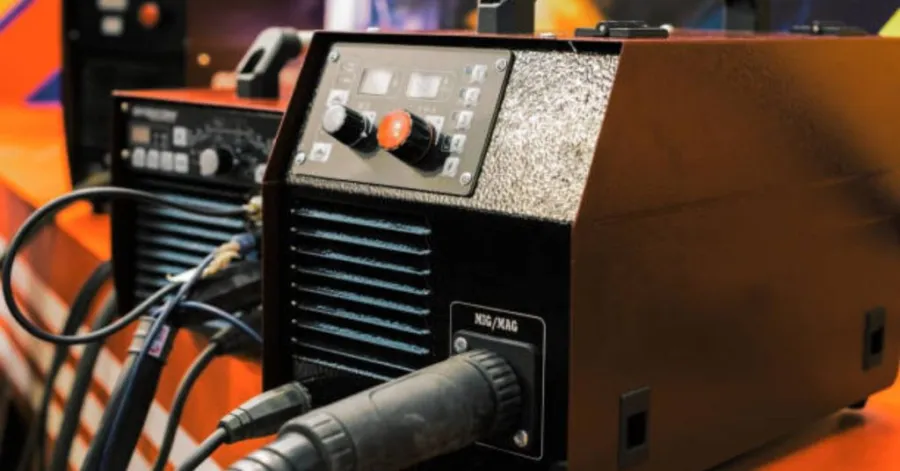
Welding requires inspection instruments to ensure your welds are strong, safe, and reliable. Any welding project needs proper inspection to achieve quality and safety standards, especially in industrial and structural applications. Proper welding inspection devices will help you detect defects, improve weld strength, and ensure uniform joints. The material, the type of weld, and the project’s needs will dictate the choice of tools. An in-depth assessment can help you avoid costly blunders and deliver professional results.
In this post, we will describe inspection tools for welding so you can understand their roles and importance, and how to choose the right equipment for every welding operation.
Key Factors When Picking Welding Inspection Tools
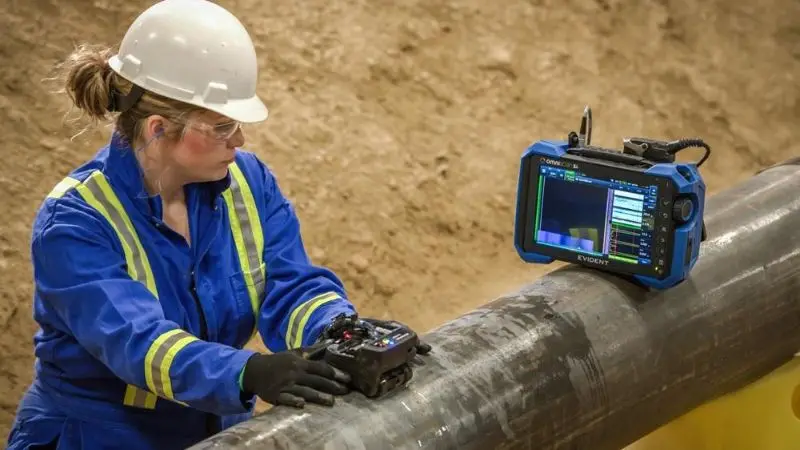
Type of Welding Project and Material Used
You want to look at your welding project and the materials you are using. Some essential welding inspection tools are required for welding metals, including specialized inspection equipment. For instance, aluminum and stainless steel are various types of welding gauges. You’ll want to know what welding gauges perform best with your material. If you are working with thick plates, you might need a more precise welding gauge. Tools that measure with great precision are often required for thin materials. Choose welding gauges that suit your welding procedure and the materials you work with.
Required Industry Standards and Compliance
You must adhere to industry welding rules. These rules help you maintain your job safely and well. Many tasks require you to use approved welding inspection tools. You should check whether your welding gauge meets the required rules. Some welding gauges are marked or have unique documentation. Ask your supplier about welding lab equipment that meets these rules.
Tip: Before buying any common tools used in weld inspection, always check your project’s guidelines.
Accuracy, Sensitivity, and Reliability of Tools
Accuracy of welding is vital. You need a welding inspection tools list that measures accurately every time. Some of the welding gauges are more accurate than others. Digital welding gauges can provide precise results. Check your equipment’s sensitivity. Good tools will help you prevent mistakes and keep your welds strong.” Welding is a precision operation. Every time..
Ease of Use and Operator Skill Level
Select tools appropriate to your skill level. Some handheld welding inspection tools and gauges are user-friendly. Others need to practice more. New workers might find measuring easier with digital welding gauges. If you get fresh personnel, put them on simple kinds of welding gauges. As your crew learns more, you can deploy superior equipment.
Budget and Cost Efficiency
You must consider your finances. Certain digital tools for welding inspection are more expensive yet have a longer life. You can get welding gauges that fit your price range. Digital tools may be more expensive initially, but they save time. Always look for the finest value in your equipment. Choosing the appropriate welding gauge saves you money and keeps the quality of your work.
| Factor | What to Check For |
| Project & Material | Types of welding gauges needed |
| Standards | Certified equipment |
| Accuracy | Digital welding gauge, precision |
| Ease of Use | Skill level, training |
| Budget | Cost vs. value |
How to Match Inspection Tools for Welding
Small-Scale vs Large-Scale Welding Projects
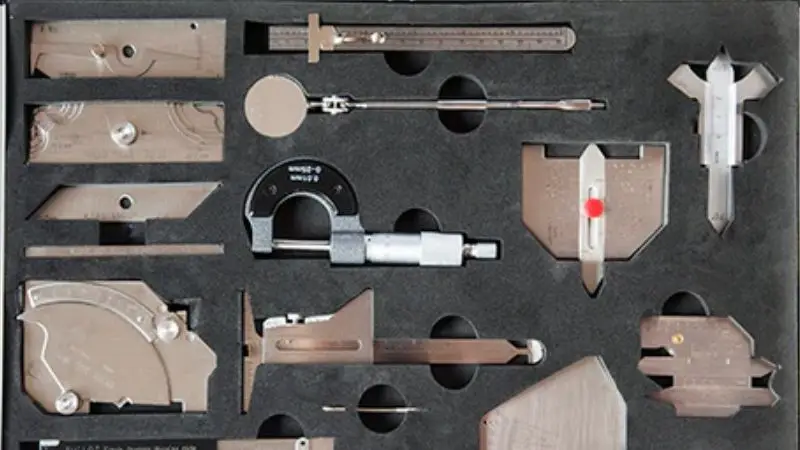
The scale of your project will dictate the essential welding inspection tools you choose. For small welding projects, simple measurement equipment is used. These tools quickly verify weld size and precision. For big welding jobs, you require modern equipment. For quick tests, a digital welding gauge may be used. Lots of welds, digital tools help. Choose the right tools for your workload.
Tip: Use digital welding gauge versions for large operations. This keeps the precision high and the mistakes low.
Structural vs Precision Welding Applications
You need to know if your project requires structural welding or precision welding. Structural welding is all about strength and safety. You require common tools used in weld inspection, good measuring instruments, and welding lab tools. Tools to measure microscopic details are needed for precision welding. Digital measuring tools with great accuracy. Learn to use measurement instruments for both types of welding. It is vital for both to measure weld size, but more crucial for specialized work where accuracy is critical.
| Application Type | Tools Needed | Focus |
| Structural | Strong gauges, lab equipment | Strength |
| Precision | Digital gauges, fine tools | Accuracy |
Indoor vs Outdoor Inspection Environments
Consider where you’ll be using your advanced welding inspection equipment. Indoor welding facilitates the use of sensitive electronic equipment. Tools for welding outdoors must withstand weather and dust. Choose tools that will be accurate in your work setting. Digital tools are great indoors, but you may need more rugged equipment for outdoor use. Just be sure your tools are accurate to begin with. This keeps your proportions correct and your quality up to par.
Always keep your tools safe after use. This ensures they are right and accurate.
Common Mistakes to Avoid with Inspection Tools for Welding
Ignoring Industry Standards and Certifications
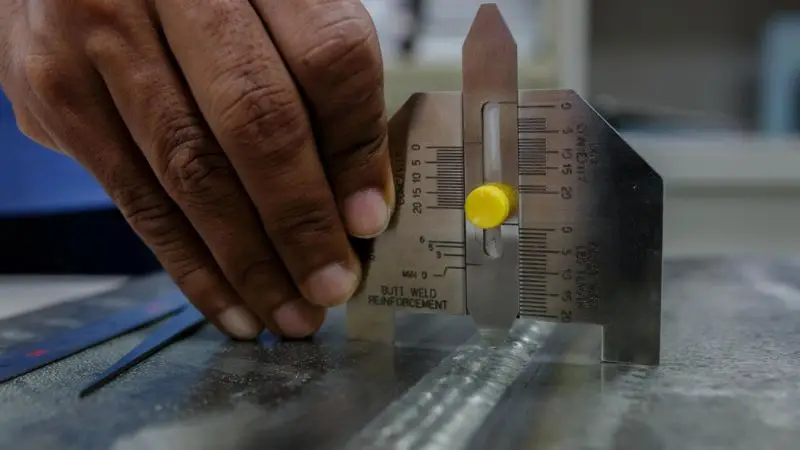
And check your welding inspection tools list for quality. Approved inspection tools and welding lab equipment are required for several different jobs. If you don’t, you can lose credibility and fail the inspection. Standards can make your work safer and of greater quality. Usually, it’s advisable to get confirmation before buying measurement gear.
Verify that your tools satisfy the requirements by checking the label or documentation.
Choosing Low-Quality or Inaccurate Equipment
Never buy cheap tools for your job. Bad measurements are often caused by bad equipment. This can result in weak, hazardous welds. You need handheld welding inspection tools that are accurate and precise. A digital welding gauge might help you achieve better results. Digital instruments also facilitate and accelerate measurement. Always check your tools before you use them.
Overlooking Maintenance and Calibration Needs
You must look after your tools. Many folks do not check calibration. If your common tools used in weld inspection are bad, your welds are wrong. Preventive maintenance keeps your equipment in tip-top shape. Digital equipment and digital welding gauges require a little extra TLC. Make a schedule to check and tune your tools.
| Maintenance Task | How Often | Why It Matters |
| Calibration | Monthly | Keeps accuracy high |
| Cleaning | After use | Prevents damage |
| Inspection | Weekly | Finds early problems |
Not Training Personnel Properly
You have to educate them on how to use the digital tools for welding inspection.” If the workers are not taught, they may misuse the tools. This may lead to mistakes and wrong measurements. Proper training ensures your team can use digital tools and measuring equipment effectively. Train all on the usage of welding lab equipment and safety considerations.
Training protects your personnel and your welding projects.
Best Practices for Using Inspection Tools for Welding
Regular Calibration and Maintenance
You have to regularly check your welding measuring tools. This needs to be calibrated to get accurate measurements. Always clean tools after usage. Such constraints restrict the scope for error. “You have to maintain it to keep it up to date. Keeping your essential welding inspection tools in good shape will yield better results. It also protects your welding safety. Perhaps you had a checklist to remember where you were when you last checked your equipment.
Proper Handling and Storage of Equipment
Keep an eye on your advanced welding inspection equipment. Don’t chuck them. Do not let them drop. Store your things in a dry place. Water can harm your tools and impact accuracy. Use racks or cases to keep everything in order. Store your tools properly. Good thinking. And it makes sure your measurements are right.
Label your storage areas. So you get to the proper equipment quicker.
Ensuring Consistent Inspection Procedures
Use the same steps every time you inspect a weld. Early findings challenge the idea of doing the same activities. Write down your welding inspection tools list and the steps, and share them with your team. This helps maintain your welding quality. You can compare the results of different inspections by using a table. Why is the welding gauge important for every project? Does it need to be done the same way?
| Step | Action | Why It Matters |
| 1 | Check calibration | Keeps precision |
| 2 | Inspect the weld visually | Finds defects early |
| 3 | Measure weld size | Ensures accuracy |
Integrating Digital Reporting Systems
Digital technology makes it easier to report the results of your handheld welding inspection tools. “Data can be stored on a computer or on a tablet. So you can work faster and save your time. Keep digital records so you can see trends and how things evolve. Sharing reports with your team is simple. Besides, digital technologies help you be more precise in your profession and maintain control over your tasks.
Digital reporting keeps your work secure and ensures you follow your industry’s rules.
Future Trends in Welding Inspection Technology
Automation and AI in Weld Inspection
AI and automation are revolutionizing Weld inspection. A machine can scan welds in a flash. They have the cameras and other technologies they employ to find flaws. “AI helps me discover subtle nuances that I might otherwise miss.” These strategies may help you improve the accuracy of your checks. They help protect and preserve the advanced welding inspection equipment’s strength. Artificial intelligence can recall the checks that have already been done. This means that later checks are more efficient.
Another good idea is to use automated inspections to save time and reduce errors.
Portable and Smart Inspection Devices
Now you can use common tools used in weld inspection. They are small, lightweight tools. You can use them on any job site. Smart devices connect to your phone or tablet. They pay off right away. You may test the accuracy and precision right now. Lots of interesting bits of kit with digital screens. Easy and fast to measure. No more heavy equipment needed.
- Portable devices enable you to operate in cramped settings
- Smart tools keep your measurement data for future use.
Real-Time Data Monitoring and Cloud Integration
You can see live welding data. The cloud gets information from computers. You can review your work from anywhere. It allows you to track correctness and accuracy over the long term.” Your team can get data via cloud tools. You can more rapidly see what is incorrect and pick up on trends. Welding is improved with the ability to see real-time data. If it goes wrong, you will be told.
| Benefit | How It Helps You |
| Real-time monitoring | Quick response to issues |
| Cloud integration | Easy data sharing |
| Digital measurement | Better accuracy |
Note: Digital tools for welding inspection and cloud technologies keep your welding projects tidy and up to date.
Conclusion:
The right inspection tools for welding are vital to the strength, safety, and quality of the welds. Before you start any project, you should select the right tools for your material type, weld design, and work needs. Make sure your tools are accurate, reliable, and fulfill industry safety regulations. Take the time to consider your choices, and you will be rewarded with better decisions and higher overall welding performance.
Good inspection tools uncover problems early and help to achieve consistent, strong welds. The best way to ensure your work is safe, efficient, and professional is to use industry-standard tools. l.
FAQ
What are the must-have welding inspection tools for beginners?
You should have a welding gauge, a fillet weld gauge, and a spotlight for visual inspection. You can use these instruments to check the size of your welds. They also help to discover any issues in the welds. When you’re just starting, it’s preferable to use simple tools. When you learn more, you can test advanced equipment.
How often should you calibrate welding inspection tools?
You have to recalibrate your tools once a month. This keeps your dimensions straight. Use your tools frequently, and look for mistakes. Look again.
Can you use digital welding gauges outdoors?
Digital welding gauges can be used outside. Your tool must withstand dust or rain. When you’re done, put it away carefully. It helps keep your tool in tip-top shape.
Why do you need certified inspection tools?
Certified tools help you comply with welding regulations. Certified tools ensure your welds are safe and robust. You’ll pass inspections. You’ll preserve your good name.