Are you wondering how to use a hole digger? Start by grabbing your manual post-hole digger and standing directly over your marked spot. To learn how to use a hole digger, squeeze the handles together, push the blades into the ground, then pull the handles apart to remove the soil. Always check your local regulations before you dig. Using a manual post-hole digger becomes easier with practice, and many beginners want to know how to use a hole digger, so you’re not alone. By following these steps, you’ll quickly master using a hole digger. Remember to keep your manual post-hole digger clean after each use. If you’re still curious about how to use a hole digger for your next project, just trust your tool and start digging.
Safety Precautions Before Using a Hole Digger
Prior preparation is essential before you start a digging project. Safety is most important, particularly during the operation of a hole digger. A few extra steps can help prevent injuries and enhance the smoothness of your work.
Essential Protective Gear
Your first step should be to protect yourself. Having the right equipment will keep you safe and comfortable. Ensure that you have.
- Solid gloves will avoid blisters and protect your hands from sharp objects.
- Safety glasses protect your eyes from flying dirt or rocks.
- Wear steel-toed boots to protect your feet in case of a tool drop.
- To prevent scratches and insect bites, wear long pants and sleeves.
- Wear ear protection in loud environments to protect your hearing.
Using the correct gear makes your job safer, but also lets you focus on how to use a manual hole digger correctly without difficulty.
Checking Your Work Area for Hazards
Always check your site before digging. If you know what is above you or underground, there will not be any accidents and no wasted effort. Search for.
- Gas, water, and electricity lines that are buried underground.
- Big stones and tree roots can stop your digging.
- Soil or ground that is wet or slippery, which can be tripped over or fall over.
Reach out to the nearby utility company to mark any underground lines. Make sure that the area is cleaned up. A firm and even ground makes working with a hole digger safe and efficient.
Common Mistakes to Avoid While Digging
Even the simple task of digging can go wrong if you aren’t careful. Mistakes beginners often make
- Avoiding safety inspections that can cause accidents.
- Utilizing an improper tool for a specific task.
- Excessive hours shoved into a work schedule force exhaustion.
- Debris was not cleared, reducing the speed.
If you stay patient and alert and follow the safety steps, you’ll learn how to operate a post hole digger step by step while keeping your project safe and productive.
How to Use a Hole Digger: Step-by-Step Guide
If you know how to use a hole digger for fence posts, your work will be quicker, safer, and more accurate. By taking the time to prepare your soil, following a steady technique, and digging carefully, you will make straight, precise holes that are ready for installing posts. Regardless of your selection, manual or powered, preparation and handling are essential. Needless to say, by understanding all these steps, you can prevent making a mistake, reduce fatigue, and achieve professional-looking results in a fencing or gardening project.
Get the Soil Ready Before Digging
Check the soil before you start using your post-hole digger to ensure digging is possible. Water the soil to make it soft and moist so that the blades of the mower can cut through, taking less effort. Clear away rocks, grass, and sticks from your digging spot to prevent your tools from becoming stuck. To ensure your fence post holes are in the right positions, make sure to mark the correct locations. Getting the area ready will reduce the hassles of digging and help understand how does a manual hole digger work without wasting time or effort.
How to Dig with a Manual Hole Digger
Manually digging requires balance, steady rhythm, and patience to get consistent results. For stability, stand with your feet at a shoulder-width distance and hold the handles of the digger with both hands. Insert the blades into the earth, then separate the handles to catch the soil. Continue to excavate soil and put it to one side until the hole is deep enough. Check your progress with a tape measure to avoid errors. Systematic, repetitive movement controls fatigue and teaches the step-by-step procedure for using a post hole digger. Manual digging is also made more efficient and safe.
Using a Powered Hole Digger
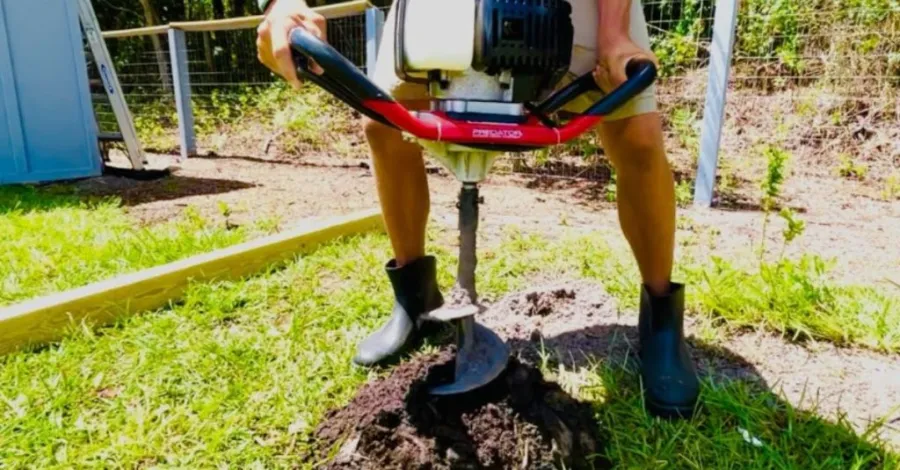
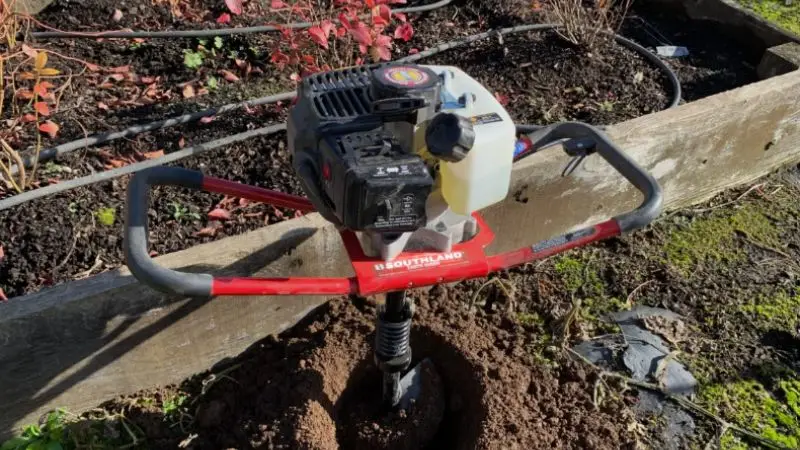
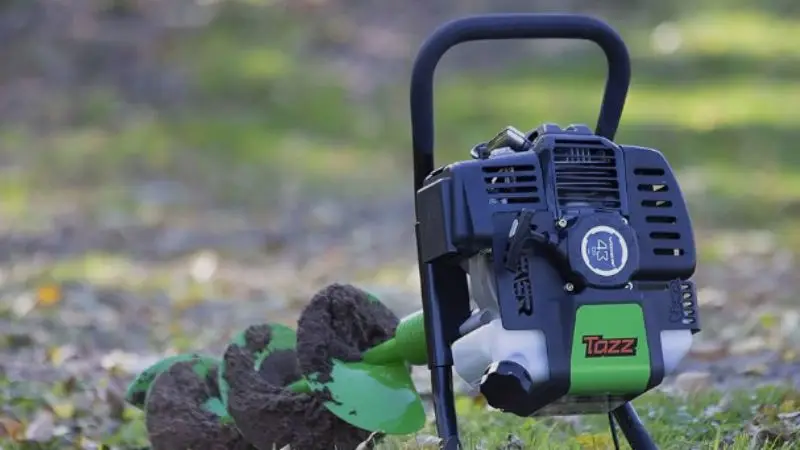
Powered post-hole diggers are great for large or challenging jobs as they save time and effort versus digging by hand. Before proceeding, completely read through the user manual instructions. While guiding the digger downwards, you will want to hold the handles tight and allow the engine to do most of the work. Be sure to pause at intervals to remove loose dirt from the hole. Although the machine does most of the work, you need to stay alert for safety. By following these steps, you can dig holes with a hole digger quickly and efficiently, without risking an accident or uneven holes.
How to Dig Deep or Large Holes
Larger holes will require a different approach than smaller holes. For small to medium-sized jobs, a manual digger works best. A bigger hole may need to be dug a little at a time. You may switch to a shovel if need be. Ensure your walls are straight so the soil won’t collapse or allow your posts to fall. In addition, remove excess soil to avoid problems with slipping or falling debris. Slowly but steadily, let the cutter do its work of removing the material so that the hole comes out clean and accurate. By learning these methods, you will also know how to effectively use a hole digger in difficult soil. Every hole will be steady, the size will be just right, and ready for fence posts.
How to Keep Your Hole Digger Working Well for Years
Maintaining the hole digger ensures it lasts longer and works better every time you use it. Regular cleaning and storage will prevent rust and wear from developing. Taking time to maintain a hole digger can save you a lot of time, money, and effort – whether you expect to use it for planting fence posts or gardening.
How to Clean and Store Your Hole Digger Properly
Clean your post-hole digger after use to remove all dirt, mud, and debris. After rinsing the blades, dry them with a towel to prevent the blades from rusting. It is best to store your tool in a dry area, like a garage or shed. If you’re able to, hang it up to lessen the wear on the blades and keep the handles strong. Avoid leaving your digger out in the rain as it can damage wooden handles and rust metal parts. By regularly cleaning and storing your tools properly, you will be ready for your next digging job.
How to Check Your Hole Digger for Damage and Wear
By inspecting your post-hole digger regularly, further issues can be prevented from happening. Before and after every job, check the handles for cracks and ensure all bolts are tightened. Get any rust off the tool with sandpaper and make sure moving parts have oil. Examine the blades for any defects or bends, and ensure handles feel strong. By doing these steps, you can confidently use your tool, and it also teaches you how to use a manual hole digger.
How to Fix Common Problems with Your Hole Digger
Your post-hole digger may not always work right. Soils can jam blades, loosen handles, or stiffen hinges. Make sure your blades are clean, loose bolts are tightened, and give a drop of oil to any joints that squeak or just won’t move. Use a file to sharpen the blades if they become dull. By addressing these small issues, you can use a hole digger to excavate holes more easily while also keeping the tool in top shape. After all, a smooth, safe, and effective digging session makes sense.
Wrap Up
If you use a hole digger rightly, it will make the job safe, efficient, and precise. To dig holes properly, prepare the soil, follow the right technique, and maintain your tool to avoid mistakes you may do. Regardless of whether you have a manual or powered post-hole diggers, learning how to use a hole digger, how to use a manual hole digger, and how to use a post hole digger step by step will make your project easier and faster. If you keep your tool clean, stored away, and troubleshoot every now and then, you will achieve professional results.
FAQs
How deep can you obtain using a post-hole digger?
Most manual post hole diggers allow you to dig three feet deep. If the holes you need are deeper than this manual digger can handle, then either get a longer manual digger or use a powered post-hole digger.
What should you do when you hit a rock while digging?
When you hit a rock, stop digging and check its size. Remove it by using a shovel or a pry bar. If you suspect there are very large rocks, shift the location slightly so you can go on without damaging your digger.
Can you use a post hole digger in wet soil?
Yes, a post-hole digger will work easily in wet soil because it’s softer to dig. You must be careful as mud might make the area slippery, and always wear shoes with grip.