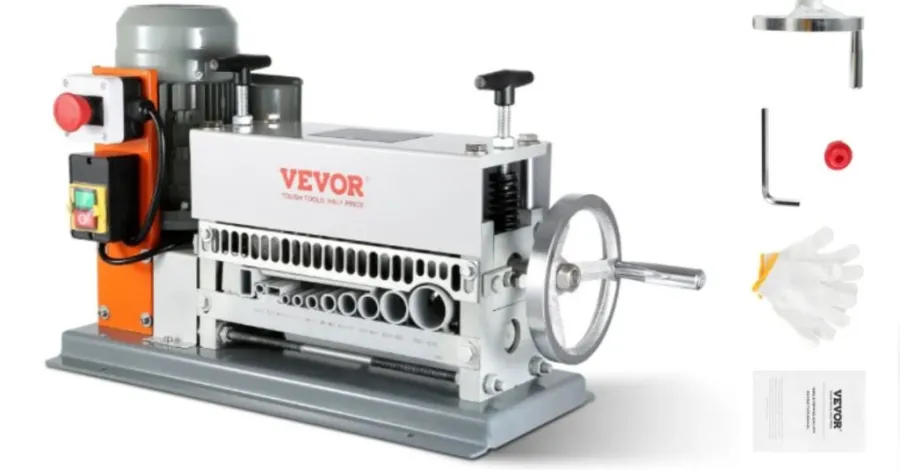
Stripping wires might look simple, but a single mistake can damage the wire, waste material, or even create safety risks. Whether you are a DIY enthusiast or working on home repairs, learning the correct technique is essential for both safety and precision. Many beginners struggle with nicked wires, incorrect notches, or unsafe handling, which can lead to frustration and delays. The good news is that with the right tool and a straightforward method, wire stripping becomes fast, safe, and accurate.
In this blog, we’ll guide you step-by-step on how to use a wire stripping tool safely and effectively, ensuring clean, reliable results every time.
What Are Wire Strippers?
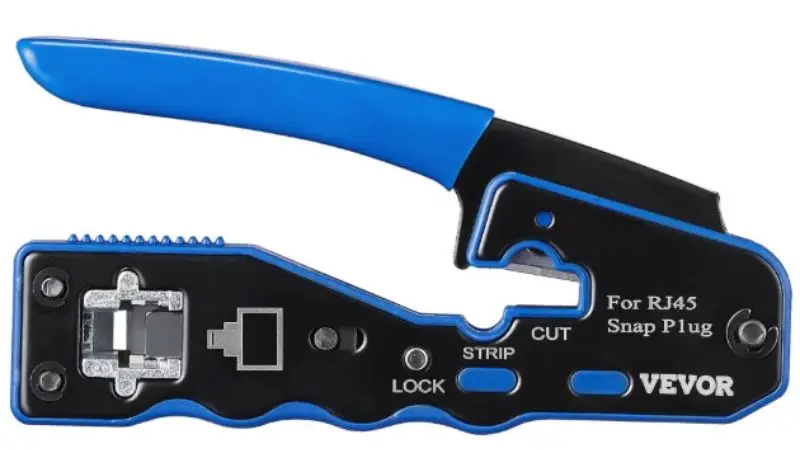
You might see a lot of tools in a toolbox, but wire strippers stand out for a reason. These handy tools help you remove the plastic coating from wires. You need to do this before you connect wires to outlets, switches, or other devices. Using a wire stripping tool the right way makes the job quick and safe. You do not have to worry about damaging the wire inside.
Types of Wire Strippers
You can find different types of wire strippers in stores, and understanding how to use a wire stripper correctly often depends on the tool you select. Here are some common types:
- Manual wire strippers: You control the tool by squeezing the handles and pulling off the insulation. These are simple and easy to use.
- Automatic wire strippers: These tools grip and strip the wire in one motion. You save time and effort with these.
- Cable stripping and cutting tool: This tool can strip wires and cut them to length. You get two jobs done with one tool.
Why Use Wire Strippers
You might wonder why wire strippers are better than knives or scissors. The reason is safety and precision. They remove insulation cleanly without harming the wire. Knowing how to strip wires with a wire stripper ensures strong, safe connections and prevents hand injuries.
Simply match the notch to your wire size, squeeze, and pull. By following the correct steps, you’ll work faster, avoid damage, and keep your projects neat, safe, and professional.
Safety for Stripping Wires
When you work with wires, safety comes first. Using a stripping wire tool properly helps you avoid accidents and ensures your project runs smoothly. Let’s look at the best ways to maintain safety and improve both protection and efficiency.
Personal Protective Gear
You should always wear the right gear before you start. Safety glasses protect your eyes from flying bits of insulation. Gloves help you avoid cuts and scrapes. Closed-toe shoes keep your feet safe if you drop a tool. These simple steps help you prevent accidents and keep your hands and eyes safe.
Tip: Never skip your safety glasses, even for small jobs. One quick slip can cause accidents.
Electrical Safety
You need to follow safety precautions when stripping electrical wire. The most important rule is to turn off. When learning how to use a wire stripper for electrical work, safety should come first. Shut off the power, confirm with a tester, and work in a dry space. Damaged wires should always be replaced before starting.
- Power off at the breaker
- Test before handling
- Keep the area dry
Workspace Setup
A clean workspace helps you avoid accidents. Clear away clutter so you do not trip or lose tools. Good lighting lets you see what you are doing. Keep your tools within reach. This setup helps you work faster and safer. You want to maintain safety at every step. If you follow these tips, you will notice better safety and efficiency in your projects.
Remember: Safety first. Take your time and check your work. You will finish with confidence and fewer accidents.
Tools and Materials
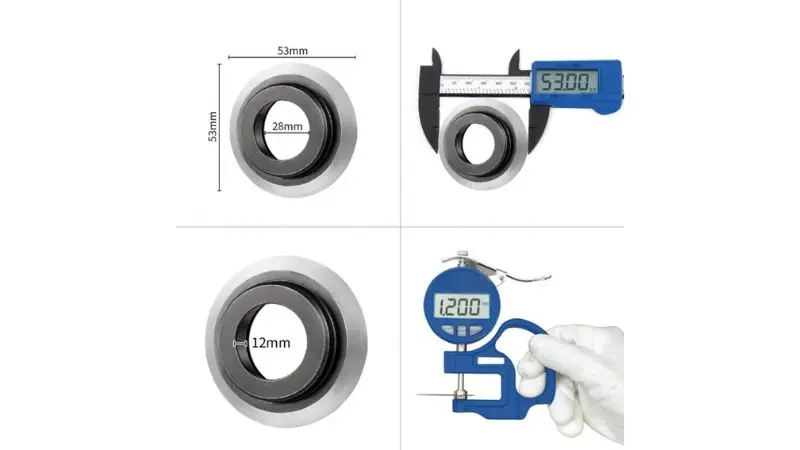
Choosing Wire Strippers
The right tool makes all the difference when working with electrical projects. If you’ve ever wondered how to strip wires without damaging them, the answer is simple: pick wire strippers that match your wire size. A proper fit avoids nicks and ensures clean insulation removal.
- Check the size range on the tool
- Use a cable stripping and cutting tool for convenience
- Test on scrap wire to fine-tune pressure
Other Essentials
You need more than just wire strippers to finish your work. Here is a quick list of essential tools for stripping electrical wire:
- Cable stripping and cutting tool
- Safety glasses
- Gloves
- Wire cutters
- Voltage tester
| Tool | Purpose |
| Wire strippers | Remove insulation |
| Cable stripping and cutting tool | Strip and cut wires |
| Voltage tester | Check for live wires |
| Safety glasses | Protect your eyes |
| Gloves | Protect your hands |
Remember, when you choose the right tool and use it with care, you get better results every time.
How to Use a Wire Stripping Tool
Prepare the Wire
Firstly, switch off the power and use a voltage tester to ensure that it is safe. Put on the gloves and safety glasses to protect your hands and eyes. Safety is essential when you know how to use a strip wire correctly.
Put the wire down flat where you’re working. If it’s unclean, clean it up so you can grip it better. Use a ruler to find out how much insulation you need to remove. Use a scale or the lines on your tool to make sure it’s correct. If you’re not sure what to do, look at the project instructions or the terminal.
Select the Right Notch
Check notches on your wire strippers that are marked with wire gauges. Pick the hole that is the right size for your wire. It could cut the wire or leave insulation behind if you use the wrong notch. Keep the wire in one hand and the tool in the other while using a wire stripping tool to strip wires. At the beginning of the insulation removal process, put the wire into the right notch. Just squeeze the insulation a little to get rid of it without cutting the wire. The conductor won’t get hurt if you use the right notch. The results will be safe and clean.
Strip Wires Safely
Choose the correct notch on the wire stripper. For manual wire strippers, squeeze gently to cut the insulation. Twist slightly and pull it off. For automatic wire strippers, place the wire, squeeze, and let the tool remove the insulation in one smooth motion.
When learning how to use a wire stripping tool on coaxial cable, keep fingers away from the blades. Do not rush. If the insulation feels stuck, check the notch or twist gently to avoid damaging the wire.
Check for Damage
Take a close look at the copper that is now exposed after the stripping. It needs to be smooth and shiny. Most of the time, nicks, cuts, or broken strands happen because you used too much force or the wrong notch. Wires that are damaged can make your job harder to do.
While using a stripping tool, it must be clean and well-kept. If you use a dull tool, you could cut or crush the wire, which could make the link weak or even dangerous. Don’t do stupid things like removing too much insulation. Spend some time on each step and make sure it is safe and sound.
Troubleshooting Tips
• If the insulation will not come off, twist the tool gently or switch to another notch.
• For stranded wire, twist the strands before stripping to keep them neat.
• For solid wire, apply steady pressure and avoid bending.
• Practice on scrap wire to build skill and confidence.
While using a wire stripping tool, follow each step carefully. Choose the right notch, check your work, and ask for help if unsure. With practice, you will strip wires cleanly and safely for any project.
Troubleshooting and Tips
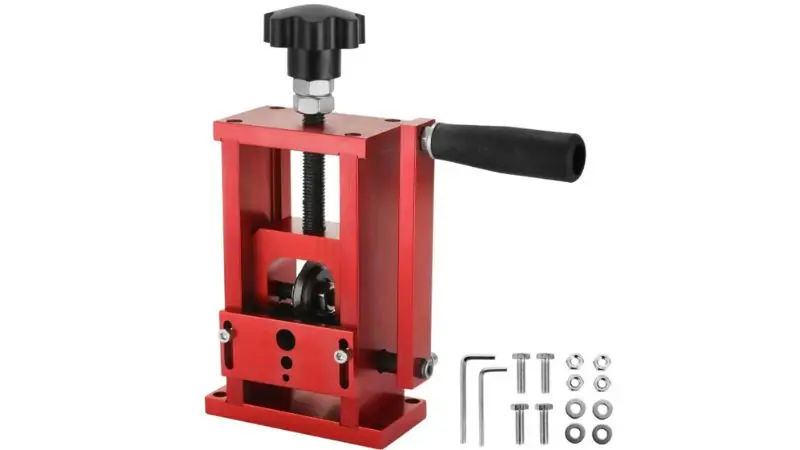
Avoiding Common Mistakes
Many beginners make the same wire stripping errors. Using the wrong notch can cut into the wire or leave insulation behind. Always match the notch to your wire size. Avoid pulling too hard, as it can break or stretch the wire. Use steady, gentle pressure.
Want to know how to strip wires without damaging them? Practice on scrap wire first. If you see nicks or broken strands, stop and adjust your technique. Take your time and double-check your work for clean, safe results.
Maintaining Wire Strippers
You want your wire strippers to last a long time. Clean them after each use. Wipe away any bits of insulation or dust. Store them in a dry place. Moisture can cause rust and make the tool hard to use. If the blades get dull, replace or sharpen them. Sharp knives make your job easier and safer.
A quick check before each project helps. Open and close the handles. Make sure the tool moves smoothly. If you see any damage, fix it before you start. Well-maintained tools give you better results.
Best Practices
You can follow a few simple tips to get the best results every time. Always wear your safety gear. Keep your workspace clean and bright. Measure the amount of insulation you need to remove. Use the right notch for your wire. Work slowly and check your progress.
Here are some quick tips for how to use a wire stripper correctly:
- Test your tool on scrap wire.
- Keep your fingers away from the blades.
- Never force the tool if it feels stuck.
Remember: Good habits help you work faster and safer. You will build confidence with each project.
Conclusion
You know how to use a wire stripping tool safely and effectively by using the right equipment, proper techniques, and consistent safety practices. Whether you are working with manual or automatic strippers, selecting the correct notch, applying steady pressure, and checking your work ensures clean results.
Always turn off the power, wear protective gear, and practice on scrap wire to build skill and confidence. With patience and care, stripping wires becomes a precise and straightforward task. By mastering how to use a wire stripping tool, you protect yourself, improve your efficiency, and achieve professional-quality results in every project.
FAQ
How do you know which notch to use on wire strippers?
Check the numbers next to each notch. These numbers match the wire gauge. Find your wire size, then use the matching notch. If you are unsure, test on a scrap wire first.
Can you strip wires without damaging them?
Yes! Use the correct notch and squeeze gently. Do not twist too hard. Always check the wire after stripping. If you see nicks or broken strands, try again with less force.
What should you do if the insulation will not come off?
Try twisting the tool gently or use a different notch. Sometimes, insulation sticks. Practice on scrap wire helps you learn the correct pressure.
Is it safe to strip wires with power on?
No, it is not safe. Always turn off the power first. Use a voltage tester to double-check. Safety comes first every time you work with wires.