Trimming is one of the practical skills every homeowner can learn to make the outdoor space neat while supporting tree life. Many people think they are harming the tree, and they avoid it. İn fact, it is essential for the good growth of plants and trees.
This guide will walk you through why you need to trim trees, how to trim tree, and tips and techniques for trimming like a pro. Let’s start!
Why should you trim a tree?

Tree growth is a continuous process, but not all growth is healthy. Let’s have a look om reasons why you should trim a tree:
- Branches that are weak can drain energy from stronger parts of the tree. With the help of trimming, plants can get nutrients exactly where they need the most.
- Trim gives safety to a tree. Limbs that are overgrown can break during storms and cause harm to the plants. Learning how to trim tree properly can save plants from hazards.
- Trimming improves overall appearance. A balanced tree makes your outdoor space look managed and beautiful.
- İt prevents overcrowding of branches. Branches with spaces grow stronger.
This simple technique increases the life of your tree.
Best time of year to trim trees
The time of trimming decides how fine a tree recovers. Mostly, when trees are trimmed during their dormant phase, they grow well. This phase lies in late winter or the beginning of spring.
İn the dormant phase, trees lose less sap and wounds heal more efficiently in this time. Knowing how to trim tree at the right time period helps the plant to heal rapidly.
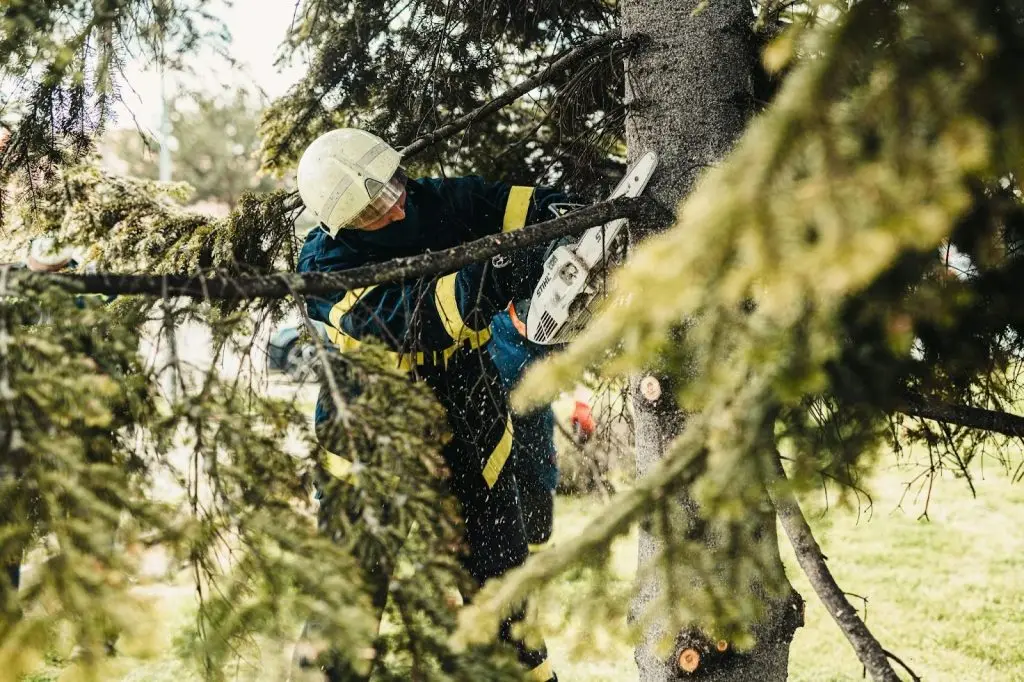
Sometimes summer trimming is required for safety. Cut broken and dangerous limbs with the help of a gas chainsaw. Do not trim trees in excessive heat.
We recommend avoiding trimming in the fall because at this time, cuts may heal slowly. İt is due to the reason that plants prepare themselves for the winter.
Tools and safety gear you’ll need
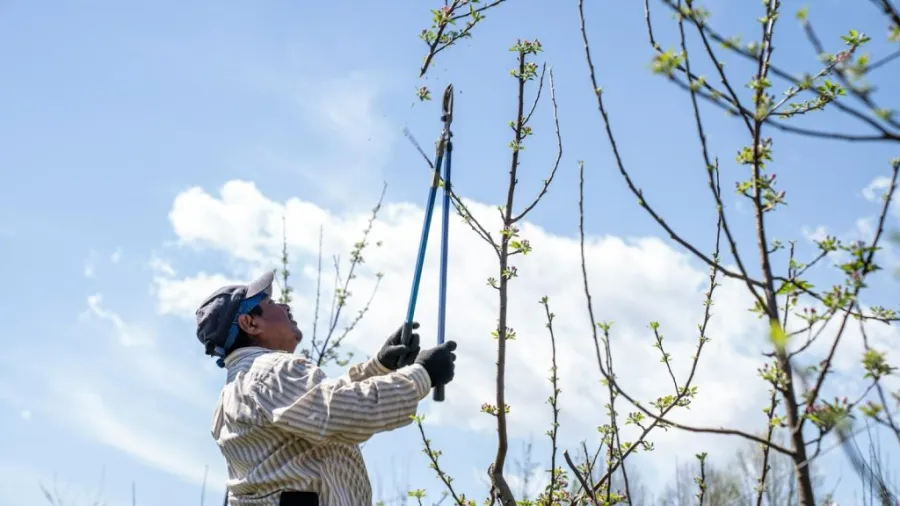
With the help of the right tools, trimming becomes easier and more precise. For small branches, use hand pruners. Loppers are good for medium limbs.
You will need a pruning saw for thicker limbs. İf you are an experienced worker, you can use power tools. Proper tools make the work efficient when learning how to trim tree correctly.
Do not forget to wear safety gear. Wear gloves to protect your hands from splinters and cuts. Eye protection prevents falling debris from entering your eyes. A pair of sturdy shoes protects your feet by giving them a good grip. We recommend wearing a helmet when working under heavy branches. These preparations avoid accidents and hazards.
How to trim a tree step by step
Without planning, trimming a tree leads to unsatisfactory results. Learning step by step gives less stress and keeps the process controlled.
Before beginning, check local guidelines and tree trimming rules to avoid frustration later. These rules are necessary to follow as they are for safety, like avoiding trimming near roads or power lines.
Do not rush, and work slowly and carefully so that each cut has a clear purpose.
1. Inspect the tree and identify problem branches
Examine the entire tree from ground level. İnspect the branches that look awkward and weak. Look where these branches go.
This careful inspection allows you to visualise and plan where to start trimming. This stage is crucial in learning how to trim tree efficiently.
You can also mark the branches before cutting to reduce unnecessary cuts and unintentional trimming.
2. Remove dead, damaged, or diseased limbs first
Dead branches are of no use in a tree. They only mess up the look and lean awkwardly. They are usually pale, dry, and brittle. İt is necessary to remove them for the tree’s strength.
On the other hand, if a limb is infected with any disease, this can harm the whole tree over time. Early removal protects the plant life. This is a core part of studying how to trim tree safely.
Keep the disease branches away from the healthy parts of the tree and dispose of them immediately.
3. Cut crossing and inward-growing branches
Crossing branches rub each other and can create wounds over time. These wounds attract insects and cause decay of the plant.
Branches that grow inward block air and sunlight from reaching all parts of the tree. İt is necessary to remove them for opening the canopy. This is the tip that highlights the variation between tree pruning vs trimming as we focus on structure when trimming.
Sufficient spacing improves airflow, and it also reduces the risk of diseases.
4. Make proper pruning cuts at the branch collar
There is a natural joint named the branch collar between the branch and the trunk. You should make cuts outside this area for natural sealing.
Do not cut too close to the trunk. İt is essential to cut at the correct places to know how to trim tree without harming it. With the help of smooth, controlled cuts, you can cut the edges.
5. Shape the canopy for balance and airflow
After removing extra branches from the trees, start shaping the tree. A well-balanced canopy maintains airflow between all areas of the tree. İt also helps in maintaining balance when a strong wind blows.
Sufficient airflow is also necessary to avoid moisture build-up, which causes fungal growth. The shaping step completes how to trim tree in an approachable way.
Special consideration for tree height and reach
The height of a tree determines the level of risk in trimming trees. Tall trees need more precautions. Do not work beyond your comfort zone to stay away from harm.
İt is a common question for many homeowners about how high to trim tree branches for safety and clearance. Starting from the lower limbs gives a safe passage under the tree.
For taller trees, use a ladder and someone to assist you.
Common mistakes to avoid
Some of the common mistakes you should avoid are:
- Over-trimming is one of the common mistakes. When you remove too many branches, it weakens the tree and slows down growth
- Topping a tree destroys natural structure. Understanding how to trim tree helps prevent these issues.
- İgnoring tool maintenance, as dull tools tear bark and attract diseases
When you should hire a professional arborist
Not all trimming jobs are easy to handle. You should hire experts for these cases:
- İf the trees are near power lines. These places are extremely dangerous and require professional help.
- İf the trees are too tall. Expert trimmers know how to trim tree limbs using proper climbing and safety tips, and they also know hidden problems solution.
İt is better to hire a professional for your safety and also for the tree. İt is a worthy investment.
FAQs
How much of a tree can I safely trim at once?
İdeally, removing no more than twenty-five percent of the canopy. İt helps in limiting stress and keeping the tree healthier. This is a basic rule on how to trim tree sustainably.
Can trimming hurt or kill a tree?
Yes, if you trim improperly, it can harm and kill the tree. Over-trimming can cause weakening, and poor trimming can cause stress. Correct techniques are useful for fast recovery and growth. İt keeps the tree strong for years.
What is the three-cut method in tree pruning?
This method prevents bark damage. İn the first cut, you cut underneath the branch. The second cut removes weight, and the final cut removes the stub cleanly. İt is the ideal method for large branches.
Is it safe to trim tall trees by yourself?
No, trimming talk trees alone is risky. Heavy branches fall unpredictably and can cause you harm. Seek professional help or wear safety gear for your safety.
Conclusion
Trimming trees is a beneficial method for both plants and your environment. İt keeps the outdoors clean and managed. On the other hand, it helps trees grow sufficiently and increase their lifespan.
Take help from the tips and techniques we discussed above for your assistance and make your space beautiful and strong for the years to come.