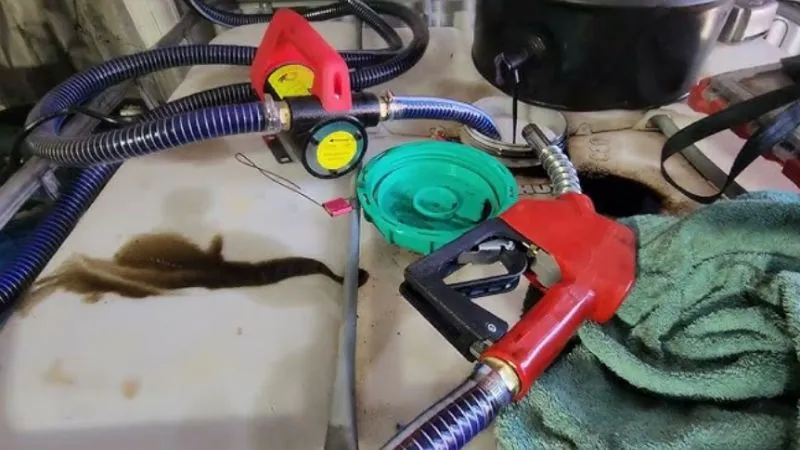
Transporting diesel fuel safely is critical for farms, construction sites, generators, trucks, and other equipment. Carry diesel in fuel transport-approved containers or tanks. Good preparation also includes inspecting containers for damage, fueling containers during travel, ensuring they don’t leak, and keeping fuel at a safe distance from ignition sources. Several ways to transport diesel exist, and the right method depends on the quantity, vehicle type, pump, and destination. Responsible handling and appropriate transportation requirements can help minimize spills, safeguard human health and property, and transport diesel fuel safely to its destination.
Table of Contents
What Do You Need to Transport Diesel Fuel?
However, you need the proper equipment before you can safely transport diesel fuel. The right containers, tanks, hoses, and spill-control materials limit leaks, spills, and handling issues during transport. The required equipment may also vary based on the quantity of fuel, the type of vehicle, and the location of use. If you are transporting fuel for agricultural use, construction, maintenance, or a remote job site, choose equipment specifically designed to transport diesel fuel. The following sections explain the primary items required for safe and practical diesel fuel transportation.
Recommended For Your Project
Use Approved Diesel Fuel Containers
When learning how to transport diesel fuel in containers, start with containers that are specifically approved for diesel fuel transportation. They should be able to withstand pressure, not leak, be easy to close, and should not be used for diesel fuel. The container size should match the amount of fuel you need to transport, but not be so small that it’s hard to handle. Don’t use damaged, unmarked, or unsuitable containers, as they can leak while in transit. Secure each container so it can’t roll around or tip over while the vehicle is in motion. Labels can also help you identify what is in a bottle. For smaller volumes, an approved portable container can be a practical solution for farm work, equipment maintenance, and other uses.
Choose a Suitable Diesel Fuel Tank
For transporting greater quantities of fuel, a dedicated diesel fuel tank might be more convenient. There are various sizes and shapes of tanks available for use on vehicles, trailers, farms and construction sites. When selecting a tank, make sure it is the right size, is constructed of the appropriate material, can be mounted, and will fit the diesel fuel. The tank must be designed and approved for the purpose of transportation. It should also be secured correctly to ensure that the unit does not move while in transit. When loading and transporting diesel fuel in a truck, an installed fuel tank provides better stability than loose containers. Always adhere to tank manufacturer’s specifications and applicable transportation regulations.
Use Suitable Hoses and Fittings
Hoses and fittings are essential when transferring diesel from the storage tank, vehicle, generator, or equipment. Use parts suitable for application to diesel fuel and under pressure. The hose should be pliable enough to manoeuvre and be fuel, wear, and temperature resistant. Fittings should form a tight seal without leaking. Check hoses, couplings, seals and connections prior to moving or pumping fuel. f a pump is used for diesel transfer, make sure its hose and fittings are also compatible with diesel fuel. Replace any damaged or cracked parts before use. Whether you’re transferring diesel for farm use, construction, or the safe movement of general equipment, compatible equipment makes fuel transfer easier to handle in a controlled manner.
Carry Spill Control Equipment
One part of preparing for diesel transportation is using spill control equipment. Once the container is loaded, unloaded, or travelling, a leak or spill can still happen, even if the container is suitable and handled properly. Have the right absorbent and clean-up materials and supplies on hand to contain a small spill quickly. Equipment used will depend on the quantity of diesel being moved and the environment in which it is being moved. You may need absorbent pads, granular absorbent, and other spill response materials. When designing a safe way to transport diesel fuel, think about what you would need if a container broke or a connection began to leak. Equipment and practices may help minimize environmental contamination and handling risks.
How to Transport Diesel Fuel in a Vehicle
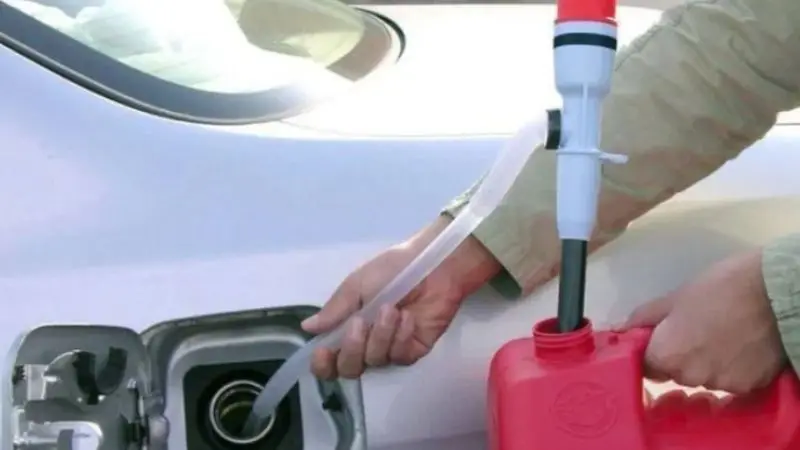
You need to properly prepare your vehicle for transporting diesel. Use a properly sized container, secure it, and inspect it for damage or leaks that could allow diesel to drip. You also need to consider the method of fuel loading, transfer, and unloading at the destination. From fueling equipment to a small construction project, handling fuel properly helps reduce the risk of spills and other hazards. If you are using a pump to transfer diesel after reaching the destination, position the equipment on a stable surface and follow its operating instructions.
Prepare the Fuel Container
First, select an approved, properly designed container to transport diesel fuel. Before filling, ensure it is clean, intact, and compatible with diesel. The closure must be tight and must not let any fuel leak out during transport. Do not overfill, as fuel needs space to expand. Do not let dirt or rain collect on the outside of the container before putting it in the vehicle. When learning to transport diesel fuel in containers, choose the right container to handle the product safely. Do not use damaged, leaking, or makeshift containers. A well-prepared container minimises the risk of spills during loading, transporting, and unloading.
Position and Secure the Container
Carefully put the diesel container in a steady position protected in transit so that it does not topple over on the trip. Tie it down with appropriate restraints to prevent slipping, tipping, or rolling during acceleration, deceleration, and cornering of the vehicle. Avoid sharp objects, heavy books, or items that may harm the container. When learning to load diesel fuel in a truck, it is especially important to position containers correctly, as they can move around in the truck bed. Never store fuel in places where passengers are supposed to sit. Follow container manufacturer’s instructions and applicable transportation guidelines on where and how to secure fuel.
Check for Leaks Before Driving
Before starting the vehicle, check the container and its lids carefully. Inspect the container for cracks, holes, corrosion, fuel around the container, loose caps, and fuel. Inquire about the space in which the container will be installed and ensure that there is no sharp object that could cut into or tear the fuel container. If you see a leak, don’t start driving until you have taken the appropriate action. An inspection can help you catch issues before they grow bigger during transport. This is especially critical if you’re transporting diesel fuel to a job site on rough roads or over long distances.
Drive Carefully
Your driving style can affect the stability of the diesel container. Start and stop slowly, and navigate turns carefully to minimize unnecessary load movement. Be careful not to drive over rough roads at a high speed since there is a possibility for containers or holders to break due to heavy impact. Ensure the fuel is always secured during the trip and recheck it when making a long stop or when weather conditions are particularly harsh. One of the most important aspects of safely transporting diesel fuel is to drive carefully, particularly when transporting fuel with tools and other equipment. Comply with all relevant road, vehicle and fuel transportation regulations on the journey.
Unload the Fuel Safely
At the end of your journey, stop in a suitable place and unload the diesel. Always shut down the engine and clear the area of smoking, burning, open flames, sparks or any other source of ignition. Care must be taken with the container – do not drop or drag it on the floor. Store fuel where it is to be stored as soon as practicable, not unnecessarily left exposed. If a pump is required to transfer the diesel, inspect the equipment before use and keep connections secure throughout the transfer. Careful unloading is particularly critical when transporting diesel fuel for construction activities where traffic, equipment and personnel can be close to unloading areas. After removing the container, check it and the surrounding area for fuel leaks or spills.
How to Transport Diesel Fuel in a Tank
For larger loads where diesel transportation becomes a more practical solution, using a dedicated fuel tank might be appropriate. The tank should, however, be suitable for diesel and for transport. Inspect fuel condition, capacity, connections, and mounting system prior to fuel loading. The right and secure tank may be a useful way to minimize travel-related spills, leaks, and movements. When learning to transport diesel fuel in a tank, it is also essential to follow the manufacturer’s instructions and appropriate transportation needs. If the tank includes a pump for dispensing diesel, inspect the pump, hose, fittings, and electrical connections before operating it.
Choose a Suitable Fuel Tank
Select a tank that has been specially designed and approved for diesel fuel and the method of transportation. Fuel tanks come in a variety of materials, shapes and sizes; choose the right one for your vehicle and fuel needs. The tank must be robust enough to support the normal handling conditions and provide appropriate openings, closures and fittings. Do not use tanks that are damaged, corroded or designed for transporting fuel. When learning to load diesel fuel into a truck, ensure that the tank is rated for the truck and its application. Never transport diesel unless it is done in accordance with the tank manufacturer’s instructions and the relevant regulations.
Check Tank Capacity and Compatibility
Always check the tank size before refueling it with diesel. Never overfill or overrate the tank. Also ensure that the tank, seals, hoses, fittings, and pump are compatible with diesel fuel. The tank should be capable of operating under the expected temperature and transportation conditions. One example of this is when transporting diesel fuel for farming operations, decide on a capacity that is adequate for the equipment you will be using but not too heavy a load. To avoid compatibility issues, overfilling, leakage, and transport problems, check this information before filling the tank.
Secure the Tank During Transport
Secure the fuel tank to prevent movement, tilting, or damage during vehicle movement. Always use the mounting system, brackets, straps, or restraints designed for use with the tank and vehicle. The tank must be stable during vehicle acceleration, braking, turning, and over rough surfaces. Don’t put heavy items against the tank, as they may damage it. If you are looking at ways to transport diesel fuel in a pickup truck, it’s especially important to secure it properly, as movement can increase risk. Install it according to the tank manufacturer’s specifications and any applicable transportation regulations to ensure that the tank is supported during transport.
Inspect Valves, Caps, and Connections
Check any valves, caps, fittings, hoses, and connections before loading a filled tank. Ensure that closures are secure and inspect for cracks, seal tears, loose fittings, corrosion, or diesel at connection points. Be sure to check the areas where hoses and other parts attach to the tank. If the system includes a pump, check it for visible damage, leaks, or loose connections before transferring fuel. Whether used for agricultural purposes, construction equipment, generators, or to transport to a remote work site, this is an important aspect of safe diesel fuel transport.
How to Transport Diesel Fuel for Different Applications
How you transport diesel fuel depends on the quantity and where it will be used. There may be differences in fuel needs and transport situations in construction sites, farms, generators, and heavy equipment. Improper container or tank selection and incorrect tank filling can minimize spills and handling issues. Also apply any transportation, storage, and workplace guidelines that apply to the situation. The following sections explain how diesel transport can vary by application (agri-machinery, construction machinery, and heavy vehicles).
Transporting Diesel for Construction Equipment
If you’re learning to move diesel fuel for construction, consider the equipment’s fuel needs, the distance to the work area, and job-site conditions. Transporting diesel to excavators, loaders, compactors, generators, etc., that aren’t connected to permanent fuel storage is possible. Use the right fuel container or transportation tank that is suitable for using the diesel fuel and for the intended use. Properly transport fuel and ensure that it is not in contact with ignition sources and incompatible materials. If you use a pump at the job site, secure it and use compatible hoses and fittings.
Transporting Diesel for Generators
Transporting diesel fuel becomes important when a permanent supply of fuel is not available at a location, and it is a critical component of the temporary power setup. Check the amount of diesel the generator needs and select a suitable approved container/tank prior to transporting fuel. During transport, place the fuel in a secure location, and check the container for damage or leaks before leaving the area. Carefully remove fuel at destination and transfer with fuel handling equipment for diesel. If a pump is used, follow its manufacturer’s instructions and keep the transfer area clear of ignition sources.
Transporting Diesel on Farms
Diesel may be needed on tractors, harvesters, irrigation equipment, pumps, and other farming machinery. If using a tractor for diesel fuel transportation, select an appropriate container or tank that will meet the needs of the farmer and tractor. Tie fuel securely to keep it stable during road travel or when on the farm. Before transferring fuel, inspect the fuel tank, caps, hoses, pump, and fittings for damage or leaks. Unload the diesel at the destination carefully and store the diesel at a suitable place. Prevent unnecessary handling and spills by following applicable transportation and agricultural fuel safety guidelines.
Transporting Diesel for Trucks and Heavy Equipment
Diesel consumption can be high for heavy equipment and trucks, especially when they are working long hours or on challenging jobs. If extra fuel is needed, transport it in a fuel tank or container that is clearly marked for diesel fuel and is appropriate for the mode of transport. Ensure fuel load is correctly secured and will not affect vehicles or cargo. When learning to load diesel fuel in a truck, ensure you know the tank capacity, mounting system, and transportation requirements before loading fuel. If the heavy equipment is away from permanent fuel storage, consider the delivery, unloading, and transfer of the diesel to eliminate unnecessary fuel handling hazards and spills.
Wrap Up
Safe handling of diesel fuel will help prevent common issues when loading, transporting, and unloading fuel. Always use appropriate containers or tanks; don’t overfill; ensure that closures are tight; check fuel equipment prior to travel. Handle diesel during transport without unnecessary ignition hazards, and don’t let it deteriorate. Fueling for farming, construction, generators, trucks, and heavy equipment requires planning ahead to make the process more manageable. It is also helpful to know the transportation specifications for your area, vehicle, and fuel volume. When done properly, with suitable containers, secure transportation, compatible transfer equipment, and a reliable pump when needed, careful planning can help minimize leaks, spills, fire hazards, and environmental damage.
FAQ
Which of the following is the safest method for transporting diesel fuel?
The best way is to store it in an approved container or tank that is specifically designed for diesel fuel storage, ensure it is properly closed, locked from any movement, prevent ignition sources, and ensure compliance with applicable transportation requirements.
Can Diesel Fuel be carried in a Pickup Truck?
Yes, diesel may be loaded in a pick-up truck under the following conditions: appropriate approved containers or tanks are used. Properly secure fuel, and adhere to vehicle and transportation requirements.
What is the amount of diesel that you can carry?
The permitted quantity is dependent on the local regulations, the type of container, the vehicle, and the purpose. Before transporting quantities of diesel fuel, verify any applicable transportation requirements.
Is it possible to transport diesel fuel in plastic containers?
Only transport diesel in plastic containers that are designed, approved, and compatible for diesel fuel. Never use ordinary household containers because they may leak or deteriorate.
What is the highest volume of gas that can be stored in a 25-gallon container for use as fuel?
Ensure that containers are upright and secured to prevent sliding, tipping, or falling, using appropriate restraint. Keep them safe from harm, excessive activity, and possible damage during transport.