Porcelain is dense and hard, and you need the right equipment, blade, and skill for the right cut. Using the wrong tool can chip tiles, crack tiles, create jagged edges, and waste tiles. The ideal equipment for cutting porcelain tile depends on the tile’s thickness, size, and the type of cut, as well as the project’s needs. Manual tile cutters are suitable for straight cuts, while wet tile saws are well-suited for precise cuts on large or thick tiles.
In this article, we will go over the top porcelain tile cutting tools for different sorts of cuts, including manual tile cutters, wet tile saws, diamond hole saws, and angle grinders.
Table of Contents
Ideal Porcelain Tile Cutting Tools for Different Projects
How to cut porcelain tile by hand? The first step in choosing the appropriate tool is to determine what kind of cut your project needs. Straight cuts are usually easier using a manual tile cutter or wet saw, but curves and notches require more specialized equipment. Tile thickness and size also play a role in the decision, as thick or huge porcelain can be difficult to score and snap by hand.
Recommended For Your Project
Manual Tile Cutters for Straight Cuts
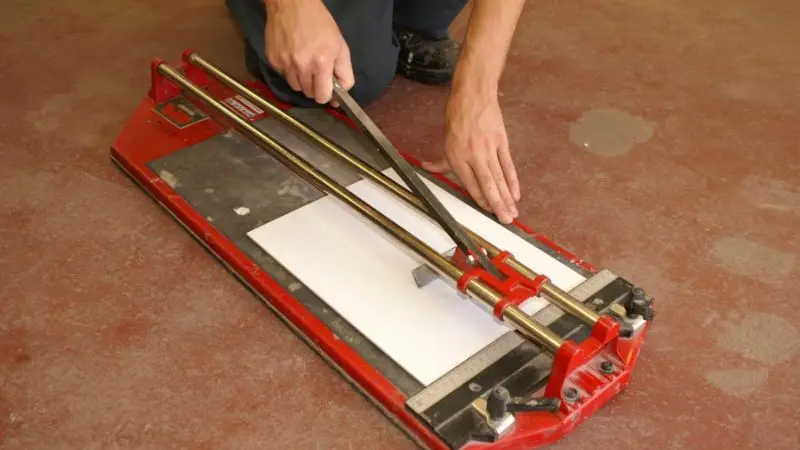
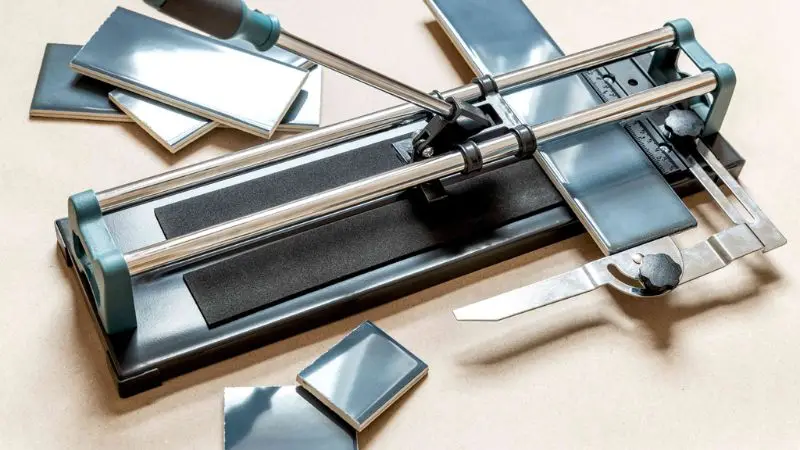
One of the best porcelain tile cutting tools for straight cuts on porcelain tile is a manual tile cutter. It scores a controlled groove across the tile surface with a scoring wheel and then snaps the tile along that line using a breaker mechanism. Handheld cutters don’t need electricity or water and are handy for indoor use. They are particularly good on typical porcelain tiles if the cutter is intended for the tile’s thickness and hardness. To use one, just press the tile against the guide, line up the line on the tile with the scoring wheel, and make one clean pass. Then use the tile breaker to break the tile apart with controlled pressure.
Wet Tile Saws for Thick Porcelain Tiles
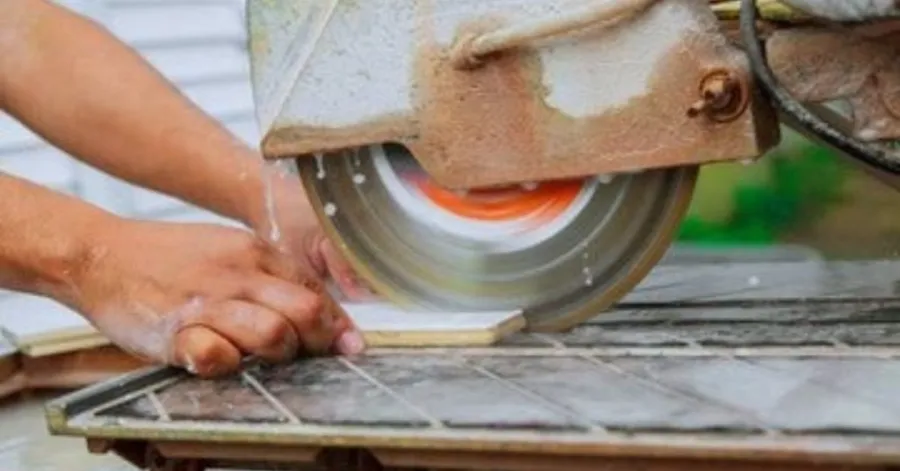
What tools are used to cut porcelain tile? Wet tile saws are a great option for thick, dense, or large-format porcelain tiles. It’s a diamond blade that cuts all the way through the tile, cooled by water, which also controls dust. A wet saw is not like a manual cutter that snaps the tile along a scored line. A wet saw is used for demanding materials and for accurate cuts. Depending on the model, it can make straight, cross, rip, and angled cuts. Slowly feed the tile through the blade with a wet saw; don’t press down too hard. Proper water flow, blade selection, and steady support all contribute to producing cleaner, more controlled results.
Diamond Hole Saws for Circular Openings
A diamond hole saw is one of the best tools for cutting round holes in porcelain tile. These are generally used for pipes and faucets, shower fittings, and other fittings that require holes through the tile. What is the best way to cut porcelain tile? Measure the size and position of the desired opening before drilling. Mark the center clearly and hold the tile down so it won’t move while you cut it. Use a diamond hole saw designed for porcelain or tile, and follow the manufacturer’s instructions for speed and cooling. Push too hard; increase the pressure progressively. Drill the hole and test the tile in place to ensure the opening provides the desired clearance.
Angle Grinders for Curves and Notches
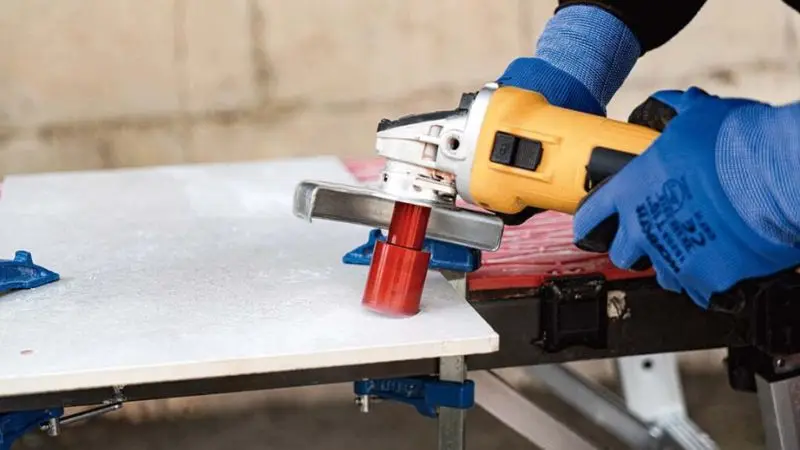
An angle grinder fitted with a suitable diamond blade can also be used to cut curved, notched and irregular shapes that are difficult to make with a manual tile cutter. It’s best tool for cutting porcelain tile around door frames, drains, pipes, cupboards and awkward corners. Cutting: Mark out the required shape clearly, then cut along the line slowly. Don’t force the grinder through the porcelain; too much pressure might create more chipping and less control. Angle grinders can also generate a lot of dust and debris; therefore, it is necessary to wear the right protective equipment. But for lengthy, straight cuts, a manual cutter or wet saw is usually easier and more consistent.
How to Choose the Right Porcelain Tile Cutting Tool
How to cut porcelain tile with a wet saw? The correct porcelain tile cutting tool depends on the material, thickness, size, and type of cut. First, decide if you need straight cuts, angular cuts, curves, notches, or holes. A manual cutter works well for many conventional straight cuts, but a wet saw offers greater versatility for thick or tricky porcelain. An angle grinder is good for irregular shapes, and a diamond hole saw is good for circular apertures. Make sure the instrument’s maximum cutting capacity is verified before use. Choosing the right equipment for your tile will improve accuracy, speed up the cutting process, and reduce damage.
Consider Tile Thickness and Size
The thickness and size of the tile are important parameters in selecting suitable cutting equipment. How to cut porcelain tile without chipping? With a manual cutter, thin and standard porcelain tiles can be cut, provided the cutter has sufficient cutting capacity and the scoring wheel is suitable for porcelain. Dense tiles sometimes require more cutting force and may be easier to cut with a wet saw. You have to support large-format tiles so they do not flex during cutting. Before you start, make sure you compare the tile’s thickness and size to the manufacturer’s specifications for the tool you chose. If the equipment is too small or fragile, the cuts may be poor, crack, and waste material needlessly.
Choose the Right Diamond Blade
What tools are used to cut porcelain tile? Porcelain is dense and will soon show faults in an unsuitable blade. So while cutting porcelain, you need a good diamond blade. Pick a blade that’s made for porcelain or rated for it, and that works with your equipment. Diamond blades with a continuous rim are the standard choice for wet saws when you need a smooth edge. The condition of the blade is important, too. A dull, broken, or inappropriate blade may cut slowly and create rough edges or excessive chipping. Check the blade regularly and replace it if its performance decreases. The right blade can make a difference in cutting efficiency and cut quality.
How to Prevent Chipping When Cutting Porcelain Tile
How to cut porcelain tile by hand? The first step in avoiding chips is to utilize the proper tool and cutting component for the porcelain. If you are using a manual cutter, use a sharp scoring wheel and do one smooth, controlled pass, not several passes over the same line. Select an appropriate diamond blade for your wet saw and feed the tile through the blade at a consistent rate. Don’t push the material too hard, as this can cause stress, chips, or splits. Proper support of the tiles is also crucial, especially for large ones. Before you cut an important tile, practice cutting on a scrap piece to perfect your pressure, pace, and technique.
Tips for Cutting Large Porcelain Tiles
Large porcelain tiles need to be handled with care because they are more unwieldy to support and control. Be certain you have the best tool for cutting porcelain tile. Make sure you measure, then measure again, before you mark your cut line. Be sure the wet saw’s table and guides will fit the tile size. Unsupported portions will bend, increasing the risk of cracking. Ensure adequate support is provided as recommended by the tool manufacturer. Push the tile through the blade, but don’t rush. Cutting large-format porcelain can be safer and more predictable with good preparation and suitable support.
How to Cut Porcelain Tile for Pipes and Fixtures
What is the best way to cut porcelain tile? Cutting porcelain around pipelines and fittings involves careful planning and correct measurements. Take measurements from two reference points (such as the edge of an adjacent tile) to the pipe location, then transfer those measurements to the tile. A diamond hole saw, when used properly, can cut a clean hole for circular apertures. A grinder can be used to make larger or irregular holes as needed. The gaps may affect the final look, so don’t make the opening too huge. Once you have cut it, set the tile in place, verify the fit, and then add the adhesive. If the opening is a little too small, gently remove small amounts of material rather than forcing the tile into position.
Common Mistakes to Avoid
How to cut porcelain tile without chipping? Some typical faults make cutting porcelain tile more difficult and lead to material waste. Using the improper blade can cause excessive chipping, and using an inadequate manual cutter can make it difficult to shatter thick porcelain. Measuring only once can lead to faulty cuts; therefore, key measurements should always be double-checked before cutting. Big tiles can crack if not adequately supported when cutting. Too much pressure might also ruin the tile or give uneven results. Another mistake is to neglect worn scoring wheels or diamond blades. Plan each cut, select the right tool, and practice your skill on waste material.
Safety Tips for Cutting Porcelain Tile
Safety always comes before speed when using the best porcelain tile cutting tools. Depending on the equipment, the cut may contain sharp fragments, dust, water, electricity, and whirling blades. Wear suitable eye protection and comply with respiratory protection requirements for your cutting method and work location. Do not put your hands in the blades or moving parts. Never reach over a running saw. Secure your work surface and make sure the tile is firmly in place before you begin to cut. Electrical equipment in water – Always follow the manufacturer’s safety instructions when operating electrical equipment in water and wet environments. Store wires, hoses, tools, and loose tile pieces in an organized manner to create a safer work area.
Test Your Cut Before Installation
How to cut porcelain tile with a wet saw? Dry-fit the tile and check the fit carefully before you lay a cut porcelain tile. Make sure the edges are flush with the surrounding tiles and allow for the necessary grout joints and movement gaps. Smooth out any cracks/chips or rough edges on the cut if necessary. If you are installing tricky pieces, it would be helpful to know where each tile belongs. Label the back of each tile. Test it out before gluing to correct any small flaws in measurement or cutting. This simple method will save tile waste and make the installation process easier. Always make sure the last bit fits in without forcing it.
Conclusion
Choosing the right porcelain tile cutting tools can make your process faster, cleaner, and easier. Manual tile cutters work well for many straight cuts, but wet tile saws offer more flexibility when working with thick, hard, and large-format porcelain. Diamond hole saws are good for making circular holes. Angle grinders can be used for curves and notches. Always use the right tool and blade for the material, thickness, size, and cut needed on the tile. Measure twice, accommodate large tiles, and practice your technique on waste material before cutting critical sections. With the right tools, controlled movement, and safety precautions, you can achieve accurate, professional-looking porcelain tile results.
FAQ
Why does my porcelain tile chip when I cut it?
Chipping happens when you use the wrong blade or push too hard. A diamond blade made for porcelain prevents most edge damage. Always score the glazed side first. Test on a scrap piece before cutting your final tile. These porcelain tile cutting tools work best with steady, even pressure.
Which tile cutter works best for a small bathroom floor?
For straight cuts on standard tiles, a manual tile cutter delivers fast, clean results without water or power. Choose a wet saw when your porcelain is more than half an inch thick. Match the tool to your tile size and thickness. A quality tile cutter saves time and reduces waste. These porcelain tile cutting tools handle most residential jobs.
How do I cut holes in porcelain tile for pipes?
Use diamond hole saws with a standard drill. Mark the hole position clearly. Drill slowly with water to cool the bit. Start at low speed, then increase gradually. Diamond hole saws produce clean circular openings without cracking the tile surface.