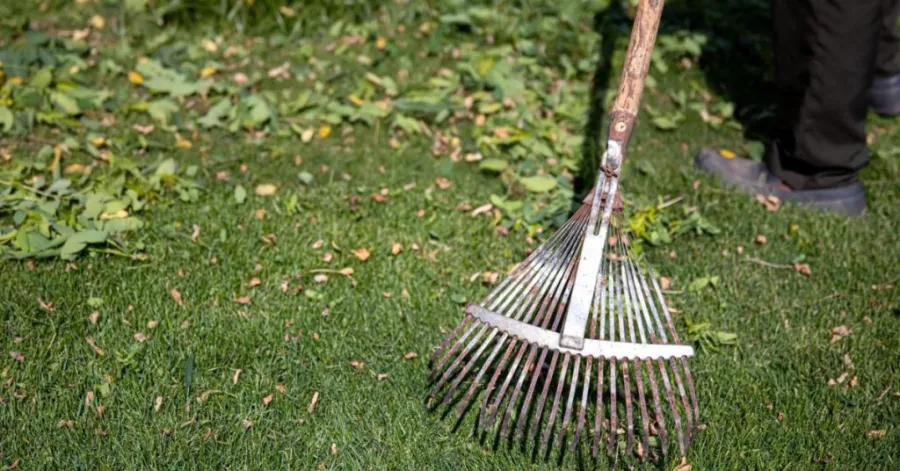
Do you want to know how to remove small twigs and debris from grass easily and quickly? The first step is to amass the proper tools, such as a lawn sweeper and gloves. The early morning is the time that will help you see all the debris properly, and make it faster to clean up. Removing small twigs and leaves on a regular basis helps your yard look neat and helps you save time later. Clearing out tree debris also protects your grass and helps it to grow healthy. By understanding how to best approach scattered twigs and debris, you can have a clean, safe, and beautiful lawn all year long.
Common Types of Lawn Debris that You Need to Be Aware of
Keeping your lawn clean begins with knowing what type of debris you are working with. Different types of debris require slightly different ways of cleaning. When you know what’s on your grass, however, it’s much easier to use. Get rid of leaves, twigs, and debris from the lawn in a simple and effective way.
Small Twigs and Branches on Your Lawn
Small twigs and branches are one of the most common problems that you will see, especially after windy weather. These pieces drop off trees and spread across your yard in no time. If you ignore them, they can cause your lawn to be unattractive and even destroy your mower when you cut the grass.
Removing regularly is the best way to remove small twigs from grass, as it keeps your lawn smooth and safe. Twigs can also block sunlight from reaching the grass, which might slow down healthy growth in the long run.
To manage them easily, you can:
- Walk around your yard after storms
- Pick up visible twigs before mowing
- Clear larger branches first to prevent damage
Using simple tools to remove small debris from the grass, such as a rake or a lawn sweeper, can be a simple way to make this job much quicker and easier.
Leaves and Other Organic Matter in Grass
Leaves are more than a fall problem. You may have them scattered throughout your lawn throughout the year. Along with leaves, other organic matter, such as pine needles and flower petals, accumulate on top of the grass and have health consequences.
When these materials remain on the lawn for an extended period, they can retain moisture and prevent air from circulating. This makes it difficult for your grass to breathe and grow properly. That’s why learning how to remove small twigs and debris from grass also comes with cleaning out organic matter on a regular basis.
Common sources of organic debris are:
- Leaves
- Pine needles
- Flower petals
Wet leaves can become heavy and slippery, which makes cleanup more difficult. Following Easy lawn cleanup methods for twigs and sticks, as well as leaf removal, are effective ways of having a clean and fresh-looking yard. You may also reuse collected leaves by adding them to a compost pile so that you’re also turning waste into something useful.
Other Lawn Debris, such as Rocks and Trash
Not all of the debris in your yard comes from trees or plants. At times, you will discover unwanted things such as rocks, plastic pieces, or even small trash from your home. These objects can be dangerous if left unattended.
They can cause damage to your lawnmower or injuries, especially if somebody walks on the grass barefoot. That is the reason it is important to look carefully at your lawn before starting any cleaning or mowing routine.
Here are some common items of non-organic debris:
- Small rocks
- Plastic wrappers or bottles
- Broken toys or miscellaneous objects
Including these checks as part of your regular lawn care routine helps ensure that your outdoor space is safe and enjoyable. Working with proper tools to remove little debris from the grass will likewise enable you to collect these items rapidly without having to put in a lot of work.
Simple Tools You’ll Need to Clean Twigs and Debris from Your Lawn
Using the right tools makes the process of lawn cleaning much easier and faster. When you select tools according to the size of your lawn and the type of debris, your work will be easy. This helps you to follow how to remove small twigs and debris from grass without stress and save your time.
Choosing the Right Rake for Your Lawn
A rake is one of the easiest tools you can use to clean your lawn. A leaf rake is ideal for small twigs and dry leaves because it is gentle on the grass and easy to move. For thicker sticks, a garden rake is better as it is stronger. The proper use of the right rake is part of the best way to remove small twigs from the grass. A wide rake helps to cover more area in a quick period. Many people are also fond of plastic rakes as they are light and comfortable to use for a longer cleaning session without feeling tired.
Using a Leaf Blower for Fast Cleanup
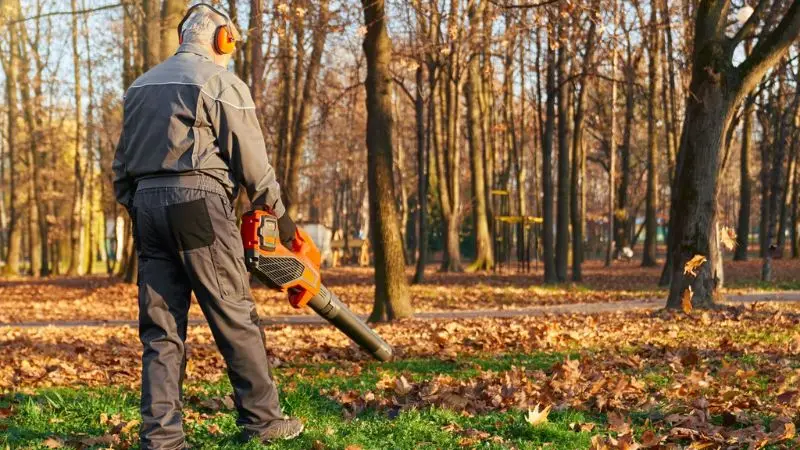
A leaf blower is a useful tool if you need to clean up your lawn in a short amount of time. It enables you to sweep leaves and small twigs into piles without bending over and over again. This makes it one of the easiest lawn cleaning methods for twigs and sticks. Electric blowers are ideal for smaller yards as they are rather quiet and easy to use. Gas blowers are ideal for large areas as they are more powerful. Always blow debris away from paths, plants, and close to prevent backing. How to get rid of leaves, twigs, and debris from the lawn in a clean and controlled way.
@wickedwayne777 Replying to @bobstuff726 Broom takes too long, blower creates too much dust. There, I said it!!!! #broom #blower #construction #clean #sweep #dust #reply
♬ original sound – wickedwayne777
Using Lawn Sweepers and Mulchers for Deep Cleaning
Lawn sweepers are quite handy if you have a large amount of debris scattered all around your yard. They function similarly to a mower and pick up pieces of foliage such as small twigs, leaves, and dirt from the grass. This helps to save time and effort, especially in bigger lawns. Some lawn sweepers also feature a mulching function, which chops up debris into small pieces that you can reuse as garden mulch. These machines are great tools for removing small debris from grass because they clean while recycling. They also make it easier to follow how to remove small twigs and debris from grass efficiently.
Wearing Gloves and Safety Equipment When Cleaning
It is so important that you wear gloves when cleaning your lawn. They help to protect your hands from sharp twigs, dirt, and small insects hiding in the grass. Gloves also make it easier to pick up the debris without hurting your fingers. You can also wear safety glasses to protect your eyes when using tools such as blowers or vacuums. Closed shoes help to protect your feet from injury. Wearing appropriate safety equipment ensures that you are comfortable when working. It also enables you to clean your yard with confidence, which follows how to get rid of leaves, twigs, and debris from the lawn safely and without any problems.
Step-by-Step Guide to Remove Small Twigs and Debris From Grass
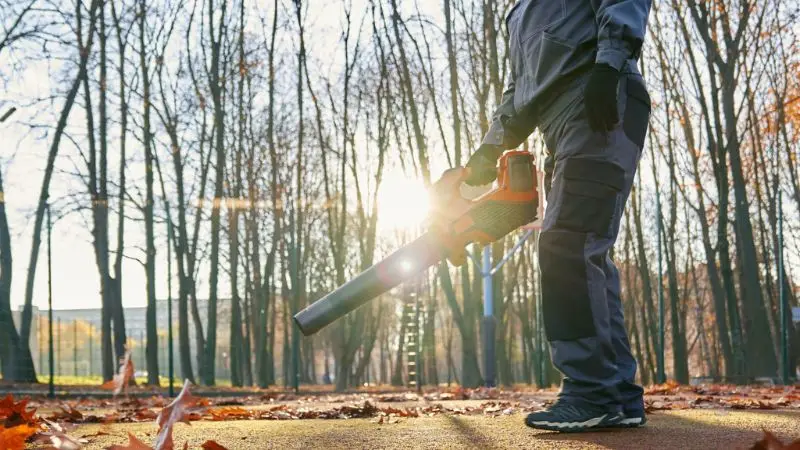
Cleaning your lawn is easier if you follow a simple plan. Step-by-step ways help it to be fast and organized. By knowing what to do first, you can learn how to remove small twigs and debris from grass without missing anything. Regular cleaning also helps ensure that your lawn is kept healthy and neat.
Step 1 – Check Your Lawn Carefully for Debris
The first thing to do is to walk around your yard and look for twigs, leaves, and other rubbish. Look under bushes, along fences, and in corners where little sticks often hide. This gives you a full view of everything you need to get out. By being careful in your inspection, you can plan your cleanup in an efficient way. This step is fundamental to getting rid of leaves, twigs, and debris from the lawn in an organized way. When you know where debris is, you save time and skip pieces hidden in the cleaning process.
Step 2 – Use a Rake or Leaf Blower to Collect Loose Twigs
After inspection, it’s time to pick up debris. A rake is good for thick grass, and a leaf blower pushes the twigs and leaves into piles, and they are quick to move. Move in straight strokes to evenly cover the entire yard. Point the blower away from flower beds and pathways to contain debris. This step is one of the easy lawn clean-up methods for twigs and sticks. Proper use of a rake or blower helps make the process faster and allows you to prepare for proper disposal. Wearing gloves will help to protect your hands from sharp sticks and rough debris while you work.
Step 3 – Pick Up and Discard Debris Correctly
Once you have all the debris in small piles, pick it up carefully. A tarp or large bag is easier to carry. Make sure that you collect even the smallest pieces of twigs and leaves, because they hide in the grass and will cause problems later on. Proper disposal ensures a safe and tidy lawn. You may put the debris in your yard waste bin or in accordance with your city disposal rules. This step completes the main part of how to remove small twigs and debris from grass efficiently and keep your yard clean and free of hazards.
Step 4 – Optional: Convert Small Twigs and Leaves to Mulch or a Compost
Instead of disposing of small twigs and leaves, you can recycle them. Use a mulcher or put them in a compost pile. This produces mulch or compost, which helps your garden grow. This step is a part of the tools to remove small debris from grass effectively and at the same time help the environment. Mulching helps eliminate waste and provides your lawn with a natural fertilizer. Doing this on a regular basis makes yard cleanup a useful activity, allowing you to reuse natural materials rather than discard them.
Step 5 – Maintain Your Lawn to Avoid Debris Buildup
Regular maintenance will make future cleanup easier. Trim trees & bushes to reduce falling twigs and leaves. After storms, inspect your yard and remove any debris as soon as possible. Weekly attention avoids the development of large piles. This is a major part of how to get rid of leaves, twigs, and debris from the lawn. A bit of work every week is all that is needed to keep your lawn looking neat, healthy, and easy to manage. The prevention of debris accumulation will save you time and your grass in the long run.
Tips for Efficient Lawn Cleanup and Avoiding Debris Buildup
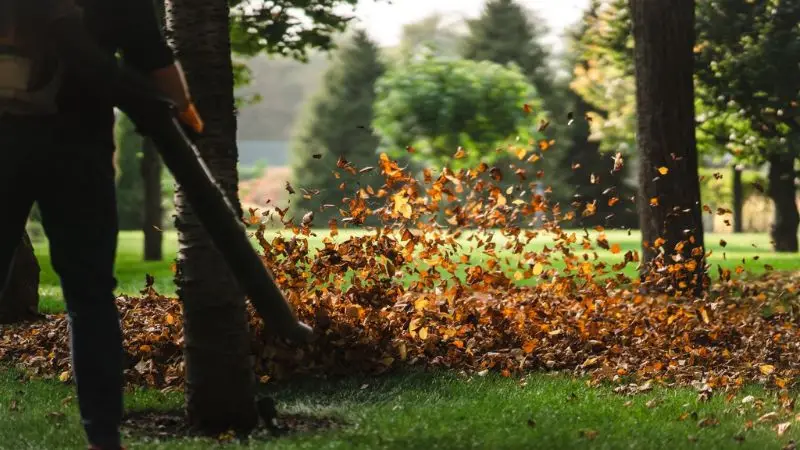
Cleaning your lawn regularly helps you save time as well as keep your yard clean and healthy. Following some simple steps, you can take to manage the twigs, the leaves, and other debris. Cleaning up twigs and sticks from an easy lawn is made more effective and less tiring with the right routine and tools.
Best Time of Day and Season To Clean Your Lawn
The optimum time for cleaning your lawn is early in the morning, when the grass is cool. This makes you avoid the midday heat, and your work becomes more comfortable. The best seasons for major clean-up projects are in the spring and fall, as more debris, such as twigs and leaves, is accumulated during these seasons. Following storms or windy days, you can see extra leaves and sticks on your grass. Planning to do the cleanup during these times helps you work on how to get rid of leaves, twigs, and debris from the lawn efficiently while keeping your yard neat and safe.
Regular Maintenance vs. Seasonal Deep Cleaning
Regular maintenance disrupts the growth of a large debris pile. By picking up twigs and leaves on a weekly basis, you make seasonal deep cleaning a lot easier. Waiting until fall or after storms may leave you with a big, overwhelming mess. Setting a time each week to work on cleanup or taking a simple checklist will help you stay organized. Asking family members to help makes work in the yard quicker and more sensible. These habits are an integral part of how to remove small twigs and debris from grass and save time in the long run.
Eco-Friendly Methods to Deal with Lawn Debris
Instead of tossing out leaves and small twigs, you can recycle them. Adding debris to a compost pile makes free fertilizer for your garden, and mulching helps to keep your grass healthy. Many cities also offer yard waste pickup, making disposal easy and eco-friendly. Following these methods is part of the tools to remove small debris from grass while caring for the environment. Using natural, recycled materials and proper disposal helps reduce waste and keep your lawn clean at the same time.
How to Keep Twigs and Leaves from Piling Up on Your Lawn
It is easier to prevent debris than to have to clean up a big mess later on. Cut back trees and bushes on a regular basis so there are fewer twigs and leaves falling on your lawn. Cleaning gutters to prevent leaf overflow in your yard. Keep your cleanup tools handy, so you’ll be able to do a quick clean-up after storms. Staying ahead of debris makes the method for easy lawn clean-up methods of twigs and sticks much simpler, and your yard will look neat without all the extra effort. Regular attention helps keep your lawn healthy and safe throughout the year.
Wrap Up
Learning how to remove small twigs, leaves, and debris from grass is easier when you use the right tools and follow a simple routine. Regular inspection, while using rake, leaf blower, lawn sweeper, etc., and proper disposal ensures a neat and healthy yard. Turning small twigs and leaves into mulch/compost adds additional benefits. Early morning cleanups and seasonal maintenance save time and eliminate massive debris piles. Following these steps will not only improve the appearance of your lawn but also protect the grass from damage as well. With regular upkeep, you can have a neat, safe, and beautiful lawn throughout the year.
FAQ
Can I leave little twigs in my yard?
You should not leave twigs. They block the sunlight and make your yard look messy. Pick them up to maintain a healthy lawn.
What do I do after the clean-up for yard waste?
You can compost yard waste or use city pickup. Compost transforms waste into plant fertilizer. City pickup makes this easy to dispose of.
How frequently should I clean my yard?
You want to clean your yard every week. Regular cleanup prevents yard waste from accumulating and your space from becoming hazardous.