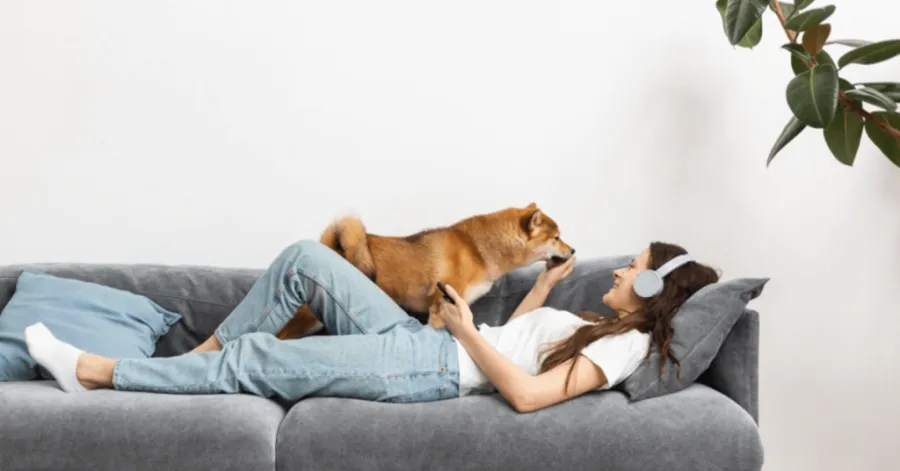
Your sofa is the heart of your living room—where you relax, binge-watch, and cuddle with your pets. But let’s face it: it can also trap some not-so-welcome pet smells. If you’re wondering how to remove pet odor from your sofa, the answer is simple—act fast! Studies show that pet ownership often leads to lingering smells and faster furniture wear.
But don’t worry, you don’t need a new couch—just the right steps. With a few quick and easy tricks, you can kick those odors to the curb and bring back that fresh, clean vibe to your favorite spot. In this blog, we’ll walk you through simple, effective ways to remove pet odor from your sofa and keep it smelling fresh every day.
Understand the Cause of the Smell

Before cleaning pet odors from your sofa, it’s important to know where the smell is coming from. Different causes need different cleaning methods. Using the wrong one can make the problem worse. By finding the exact source, you can treat the smell properly and keep it from coming back. Let’s break down how to identify and understand these odors.
Common Sources of Pet Odors on Sofas
Pets can leave smells in different places on the sofa. Some of these spots may be hidden and hard to see. To find the best way to clean pet odor from furniture, you need to pinpoint the exact source. Familiar odor sources include:
- Urine stains: Look for wet spots, yellow stains, or areas where the fabric feels stiff and rigid. Sometimes these stains are not visible to the naked eye. Using a black light can help reveal hidden urine spots that cause strong smells.
- Food residue: Pets often snack or chew treats on the sofa. Check between cushions and under cracks for crumbs or grease. These bits of food can rot and cause lingering smells. This is where using baking soda to remove pet odor can be very helpful in neutralizing sour or stale smells.
- Mold growth: If your sofa has been exposed to moisture like wet paws, spills, or high humidity, mold can grow inside. Look for dampness, dark spots, or a musty smell. Mold smells bad and can harm your health, so it’s important to find and clean it quickly.
By carefully checking these areas, you can find where the odors come from and clean more effectively.
Differentiate Between Odor Types
Not all pet smells are created equal. Each type of odor needs a different approach. Knowing how to tell them apart is the first step in choosing the right method, whether you’re learning how to remove dog smell from couch fabric or cleaning up after a messy accident.
- Urine smell: This odor is sharp and ammonia-like. It can be extreme, especially if the stain is old and hasn’t been cleaned quickly. Urine often soaks deep into the fabric, making it harder to remove over time.
- Food smell: This usually has a sour or rotten odor. It comes from crumbs, grease, or spills left on the sofa by your pet. These food particles can attract bacteria, which cause the foul odor to linger.
- Mold smell: Mold has a musty, damp, and earthy scent. It often grows when the sofa has been exposed to moisture or spills. Mold can also damage the fabric and may cause health problems if left untreated.
By identifying the type of smell, you can choose the right cleaner. For example, vinegar works well on many odors but may not entirely remove mold smells. Using the wrong product can waste your time and money.
Factors That Affect Pet Odors on Sofas
Some things can make pet odors worse or harder to remove. Knowing these helps you manage the smell better:
- Sofa material: Fabrics like cotton or wool hold onto smells more than leather or microfiber. If you want the best way to clean pet odor from furniture, consider the material first. Natural fabrics may require deeper cleaning or repeat treatments.
- Pet habits: Pets that jump on the sofa right after outdoor walks can bring in dirt and moisture. Pets who eat or rest on the sofa may leave food crumbs, sweat, or oils that cause odors. Watching your pet’s habits can help you prevent bad smells.
Understanding these factors helps you pick the right cleaning method. It also helps in setting rules or using covers to protect your sofa from future odors.
Effective Methods to Remove Dog Smell and Pet Urine

Once you’ve identified the source of the smell, it’s time to take action. Fresh stains need fast treatment, while older odors may require deeper cleaning. This section covers reliable methods that target dog smells and pet urine trapped in your sofa fabric.
Quick Steps for New Stains and Smells
Acting quickly is the best way to clean pet odor from furniture before it sets in. If you notice your dog has just had an accident on the pet couch, begin by gently blotting the spot with a clean cloth or paper towel. This helps lift out as much moisture as possible.
Avoid rubbing, as this only pushes the urine deeper into the fabric and worsens the stain. After blotting, rinse the area with cold water using a spray bottle or a damp cloth. Blot again to remove the extra moisture. These steps help prevent the smell from settling into the cushions.
Simple Fixes Like Baking Soda and Vinegar
If you’re looking for a natural solution, baking soda to remove pet odor is a safe and straightforward option. It works well for mild dog smells or fresh stains. Sprinkle baking soda on the smelly area and gently rub it into the fabric. Let it sit for several hours or overnight, then vacuum it up.
For added strength, spray a mix of white vinegar and water (equal parts) on the stained area. Once the fabric dries, reapply baking soda and vacuum again. This method is also helpful if you’re trying to figure out how to get rid of cat urine smell from sofa corners or hidden spots.
Using Enzymatic Cleaners for Tough Smells
For stronger smells and older urine stains that don’t go away with simple methods, enzymatic cleaners offer a more powerful solution. These cleaners are designed to break down the proteins and compounds in pet urine, eliminating the root cause of the odor. Apply the enzymatic cleaner directly to the affected area, following the instructions provided.
Let it sit for the recommended time so it can fully penetrate the fabric and work on the smell. Once done, blot or rinse the area and allow it to dry. Enzymatic cleaners are especially useful for deep cleaning, helping to refresh your sofa when basic methods are not enough.
Preventing Pet Odors on Your Sofa

After cleaning the pet sofa and removing existing odors, the next step is to prevent them from coming back. A few smart habits and changes can make a big difference. From using protective covers to training your pets, this section covers how to stop pet smells before they start.
Use Protective Covers and Clean Your Sofa Regularly
A washable sofa cover is one of the easiest ways to stop pet smells before they start. Covers help block pet hair, moisture, and dirt from reaching your sofa fabric. Choose covers that are machine washable and easy to remove. Cleaning them often keeps your couch looking and smelling fresh.
In addition to using covers, vacuum your sofa once a week. Don’t forget to clean under the cushions and inside cracks. Before vacuuming, sprinkle a small amount of baking soda to remove pet odors—this helps absorb smells and freshen the whole sofa.
Groom Your Pets Regularly to Reduce Odors
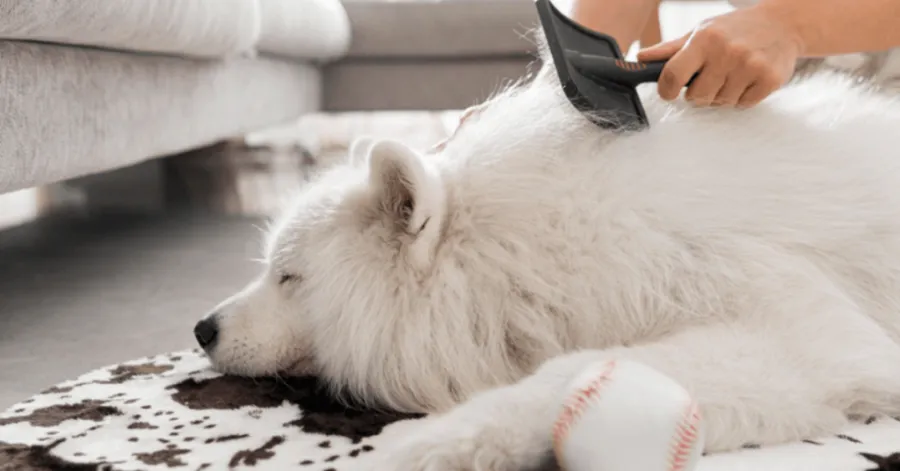
Clean pets leave fewer odors behind on your sofa. Regular grooming keeps your pet’s fur healthy and helps prevent smells from spreading around the house. Brushing your pet daily or a few times a week removes loose hair and skin flakes, both of which can carry unwanted odors.
Bathing your pet with pet-safe shampoo also helps reduce body odor, especially after outdoor play or during hot weather. When pets are groomed often, there is less chance that their scent will settle into your sofa. This simple habit goes a long way in maintaining a fresh-smelling living room.
Train Your Pets to Stay Off the Sofa
Teaching pets not to use the sofa will stop any smells from building up there. Offer your pets rewards such as praise or treats whenever they decide not to use the couch and stay in their beds or designated areas. Building good habits usually works best with positive reinforcement as you repeat them.
Lots of pet owners turn to tools such as motion alarm sensors, scratch-resistant matting, and pet sprays to keep pets off their furniture. When pets are eligible for reward behavior consistently, they understand the areas they should stay out of. Training will help your furry friend keep your couch clean for a long time if you also groom and use protective covers.
Wrap Up
Removing pet odors from your sofa doesn’t have to be hard. By finding the source of the smell, using easy cleaning methods, and keeping your sofa protected, you can enjoy a fresh-smelling home. Regular grooming, using covers, and simple training can also stop future smells.
Whether it’s new stains or old odors, acting quickly and using the right steps makes a big difference. Keep your sofa clean, fresh, and cozy for both you and your pets. With these tips, your living room will always smell as good as it looks.
FAQ
What is the fastest way to remove fresh urine stains?
Get the wet spot dry with a cloth, clean it with cold water, and sprinkle baking soda to remove odors. Let everything dry out first; then vacuum to get rid of any leftover smells or remains.
Are there any home remedies to get out the smell of fabric couches?
Baking soda or a vinegar and water spray can easily help clean and deodorize the smelly part. Both ways help remove bad odors naturally, so your sofa feels and smells clean.
Is it possible to create an enzymatic cleaner for pet smell problems?
Indeed, you need to mix warm water, lemon juice, and baking soda together. You can use this solution to soften the odor and wipe away mild pet stains without products from the shop.
Because of pets, should I clean my sofa more often than usual?
Vacuum your sofa once a week, clean the protectors every two weeks, and do a thorough cleaning once every month. This habit removes a lot of pet hair, dirt, and odors, so your home remains fresh.
What material for a sofa is suitable for homes with pets?
Cotton and velvet aren’t as good as microfiber and leather at avoiding stains and smelly odors. They are simpler to keep clean and do not store pet smells or hair like some other ones do.