Are you trying to find out how to repair a muddy backyard? It is very frustrating to step outside and sink into mud. Mud messes up your yard and renders it useless and out of bounds for outdoor plans. Most muddy yards occur due to poor drainage, heavy rain, and bare patches in the soil. The good news is that how to fix a muddy backyard is not necessarily an expensive or complicated process. Simple solutions like adding gravel, using a gravel grid for walkways, or planting ground cover can transform a wet, muddy yard into a dry and welcoming space. These tips about how to fix a muddy backyard will help anyone take back their outdoor area in a relatively short time and with minimal effort.
Why Your Backyard Gets Muddy After Rain
A muddy backyard can be a very frustrating situation, especially if it keeps happening after every rain. Before you fix the problem, it’s important to understand what is causing it. When you know what the root issue is, it is far easier to select the best way to correct a muddy yard.
Let’s examine the most common reasons your yard is always wet and messy:
Poor Drainage Causes Water to Pool on the Surface
One of the biggest reasons attributed to a muddy yard is poor drainage. When water is unable to move anywhere but off the surface, it begins to accumulate and rest on the surface. Over time, this standing water makes the soil soft and sticky. You may notice puddles that take days to go away or areas that are always soggy when you stand in them. This is a sure indication that you need backyard drainage solutions that are simple and easy to do. Fixing the drainage will allow water to flow properly and do good in how to stop the backyard from getting muddy and keep your lawn usable even after rain.
Heavy Clay Soil Retains Too Much Water
Clay soil in your backyard may worsen mud problems. Clay is very dense and will not let water pass through very easily. Instead, it retains water for a long period of time, leaving your yard wet and sticky. You may feel that your shoes are sinking into the ground after rain, which indicates poor soil drainage. This type of soil makes it more difficult when learning how to fix the muddy backyard, but it can be improved with time. Adding organic matter helps to loosen soil and contribute to the drainage process, helping to eliminate mud issues on a long-term basis.
Low Spots Cause Water Pooling
Uneven ground is another common cause of a muddy yard. Low spots are like small bowls that collect water and naturally collect water after rain. Instead of spreading out or draining away, the water remains trapped in these areas. This results in constant areas of wet patches, which never seem to dry up. If you’re trying to figure out how to get rid of mud in your backyard, leveling these spots is an important step. By having a good fill and smooth ground, you are helping to make it easier for water to flow across your yard, and that means no standing water that can lead to muddy areas.
Too Much Water from Rain or Overwatering
Excess water is an easy cause of muddy yards, but a cause that is often overlooked. Heavy rain may flood your yard, especially if there is already poor drainage. On top of that, watering your lawn too much can make things even worse. When the soil receives more water than it can cope with, it gets saturated and turns into mud. If you want to prevent your backyard from getting muddy, controlling the amount of water your yard receives is crucial. Adjusting your watering practices and paying attention to weather situations can go a long way to making a big difference.
Lack of Grass Leaves Soil Exposed
Bare patches in your yard will make it easier for mud to develop. Grass and plants help absorb water and hold the soil together. Without this natural cover, rainwater strikes the ground directly, and it is easily turned into mud. You may find empty areas become messy much faster than sections that have grass. If you are working on how to fix a muddy backyard, installing grass or ground cover is a smart move. It helps to stabilize soil and promote better drainage so that you can have a cleaner and healthier lawn.
How to Fix a Muddy Backyard Fast
If your yard is already muddy, you probably want a fast and simple solution. The good news is, you don’t always have to invest in costly tools and big changes to see improvement. A few quick fixes can have your outdoor space back into usable form while you work on the long-term fix.
One way that these ideas are helpful is if you are looking for how to fix a muddy backyard without delay. They can also provide a starting point before deciding the best way to fix a muddy yard for the future.
Mulch or Wood Chips Can Cover Up Mud Instantly
Mulch and wood chips are among the most expedient solutions for muddying something. When you spread them around the moisture in the ground, they absorb, and you get a dry surface on top. This makes it easier to walk without sinking into the mud. Over time, they also help to improve soil condition as they break down small bugs into snail to garden softener. If you are looking for some ways to get rid of mud in the backyard, this is a quick and affordable option. A thick layer is best as it stays in place longer and makes your yard look neat and clean.
Gravel Helps to Create a Dry Walking Surface
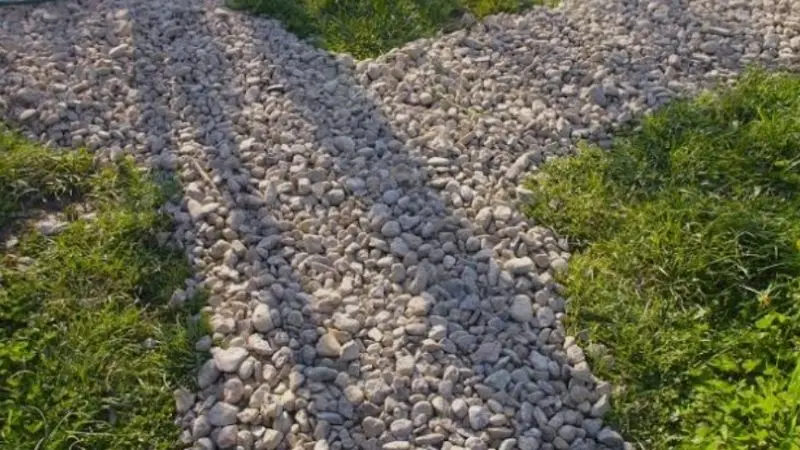
Gravel is a hard and durable choice to make for areas where people walk frequently. It allows the water to pass through easily, which greatly helps in preventing puddles from forming. After installation, it forms a hard surface that remains dry even after rain. For an even better result, you can lay the gravel over a plastic gravel stabilizer grid. These grids hold the gravel in place, prevent it from sinking into mud, and make walking safer and easier. This makes it a great choice for paths, entry points, or areas near patios. Many homeowners view this as the optimal solution to a muddy yard in areas where there is heavy traffic.
Stepping Stones Create Clean and Easy Pathways
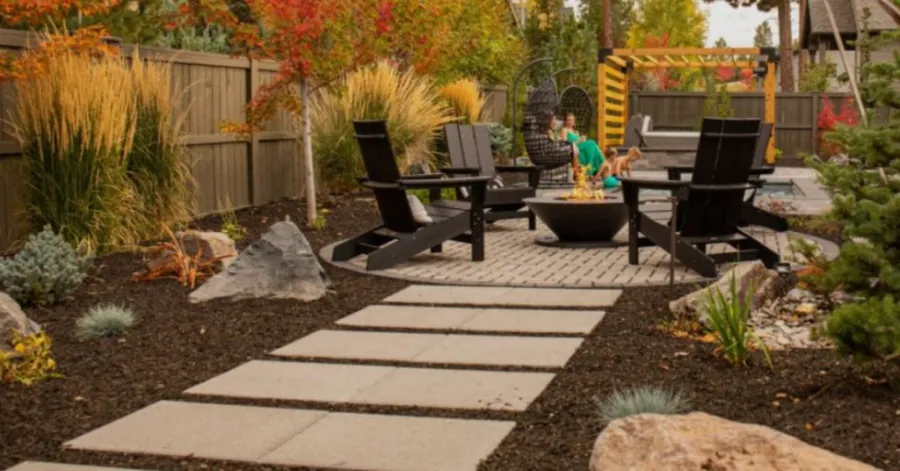
Stepping stones or pavers are an easy way of finding your way around your yard without getting mud on your feet. You can put them directly on the ground or set them into mulch for added stability. They help to guide foot traffic and prevent compacting and wetting of the surrounding soil.
This is one small change that can make a big difference when used on a daily basis. If you are learning how to stop the backyard from getting muddy, controlling where people walk is an important step. It helps to keep some areas dry and limits general mess in your yard.
Temporary Ground Covers Work for Busy Days
Sometimes you need a quick fix, especially if the kids or pets want to play outside. Ground covers such as straw, old rugs, or rubber mats may protect muddy areas immediately. They form a barrier between the ground and foot traffic, allowing things to stay cleaner and safer. While these are not permanent solutions, they are useful when you need fast results. If you are interested in the question of how to get rid of mud in the backyard for a short time, these options can take care of the problem until you opt for a more permanent solution.
Long-Term Solutions to Fix a Muddy Backyard
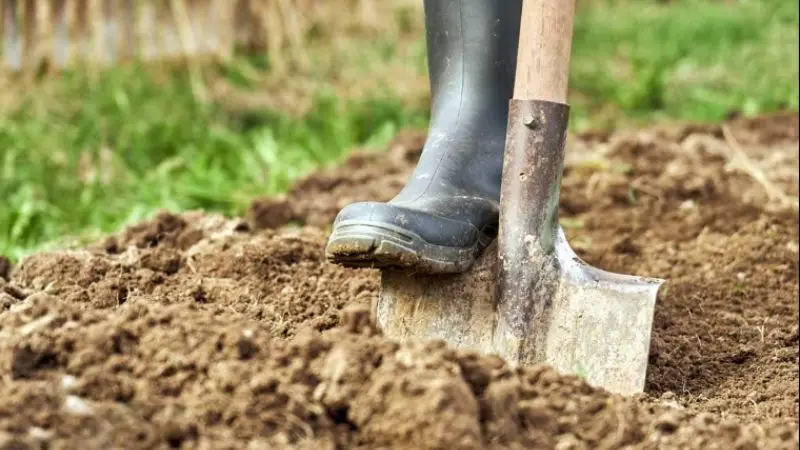
Quick fixes can help for a while, but long-term solutions are achieved by solving the root problem. If you want a yard that doesn’t stay wet during any season of the year, you have to think in terms of long-term improvements. These methods not only work deeper in the soil, but also prevent mud from coming back again.
If you are serious about fixing a muddy backyard, the following solutions will help you create a cleaner, more usable outdoor space for years.
Improve Drainage to Keep Water Moving Away
Installing a proper drainage system is one of the best ways of controlling water. Systems such as French drains or simple trenches can assist in the process of redirecting excess water away from your yard. Once a path of water is open, water does not stagnate on the surface and form mud. This is one of the most reliable, simple backyard drainage solutions for long-term success. It directly supports how to stop the backyard from getting muddy, free fixing the main cause to cover the problem. Even a few simple things can make a big difference in dealing with after heavy rain.
Regrading Helps Water Flow in the Right Direction
Sometimes the shape of your yard makes it so that water collects instead of draining away. Regrading involves changing the slope to allow water to naturally slope away from your home. By raising the level in certain areas and lowering it in others, you direct water to a place where it is safe to drain. This method works quite well when combined with other fixes and provides long-lasting results. Many homeowners consider this to be the best option for resolving a muddy yard, with poor slope being the primary concern. A well-shaped yard helps the water to flow and avoids the constant appearance of wet patches.
Adding Topsoil Corrects Low and Uneven Areas
Low spots in your yard tend to collect water and become muddy areas. Adding fresh topsoil is useful in helping fill these areas and creating a more even surface. Once the ground is level, water does not pool up in one location but spreads out. This helps increase overall drainage and drying of the soil after rain. If you are working on how to get rid of mud in the backyard, then leveling the ground is an important step. It not only reduces puddles, but it also prepares your yard for grass or plants to grow better.
Artificial Turf or Sod Provides Immediate Coverage
Covering bare soil is a good idea to avoid mud again. Artificial turf and sod both give some quick results and help your yard deal with water better. Turf permits water to pass through and retains surface cleanliness, and is therefore ideal for play areas. Sod, on the other hand, provides you with real grass that absorbs water in a natural manner. Both of them are useful if you are learning how to fix a muddy backyard without having to wait months for the growth. They provide a firm surface and decrease the likelihood of the mud returning.
Grass and Plants Form a Natural Drainage System
Plants play a big role in keeping your yard dry and healthy. Grass and ground cover absorb water in their roots and bind the soil together. This reduces erosion and prevents mud from being easily formed. Over time, plants not only improve the structure of the soil to allow for better drainage, but also, if you are looking for a way to prevent your backyard from getting muddy, planting grass or appropriate ground cover is a good option. It transforms your yard into a balanced system that takes care of water on its own.
Best Drainage Solutions for a Muddy Yard
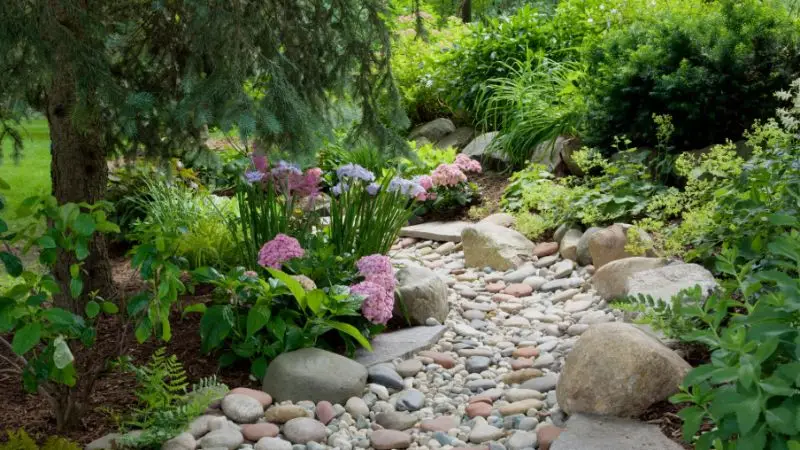
When trying to solve the problem of a muddy yard, you must have the right drainage system in place in order to be totally solved. Water being able to drain well means that before the water has begun to settle and become mud. Without that, even the best fixes will only work for a very short time.
If you are looking for ways to fix a muddy backyard, the following drainage methods are among the best ways to keep your lawn dry and healthy.
French Drain Helps to Remove Excess Water Easily
A French drain is one of the most reliable methods of dealing with standing water in your yard. It works by channeling water through an underground, hidden pipe through which it can flow away from problem locations. You begin by digging a trench, adding gravel, and laying a pipe that has holes in it inside the trench. Once covered, it is quietly doing its job without affecting the look of your yard. This method is popularly known as one of the simple backyard drainage solutions that provides long-term results. It plays a big role in preventing the backyard from getting muddy by removing water before it can collect.
Dry Creek Bed Moves Water While Improving Yard Look
Dry creek bed useful and beautiful. It is designed to direct water across your yard using a shallow trench that is filled with stones or rocks. Rainfall water drains through this path rather than spreading across your lawn. When it dries up, it is a natural design element in your outdoor space. This method is useful if you are attempting to understand how to get rid of mud in the backyard without rendering the yard look extremely technical. It fits well with landscaping while being an effective drainage path.
Rain Garden Absorbs Water Naturally
A rain garden is an intelligent and environmentally friendly solution to the problem of excess water. It is designed in a low area where the water typically collects and is filled with plants to soak up moisture. These plants help to soak up water very fast and prevent the water from turning into mud. Soil in this area becomes more naturally well-draining with time. This approach supports fixing a muddy backyard using nature rather than heavy construction. It is also one of the more attractive solutions for simple backyard drainage for homeowners who want function and beauty.
Downspout Extensions Keep Water Away from Yard
Water coming from your roof can cause serious mud problems if the water drains too close to your home. Downspout extensions help to carry that water further away to reduce the chances of water pooling near your yard. This simple change can keep a huge amount of water from soaking into one area. It also helps to improve the performance of other draining systems that you may install. If your focus is on how to stop the backyard from getting muddy, then managing roof runoff is an important step. It will keep your yard drier and save your lawn from repeated water damage.
Budget-Friendly Solutions for Cleaning a Muddy Backyard
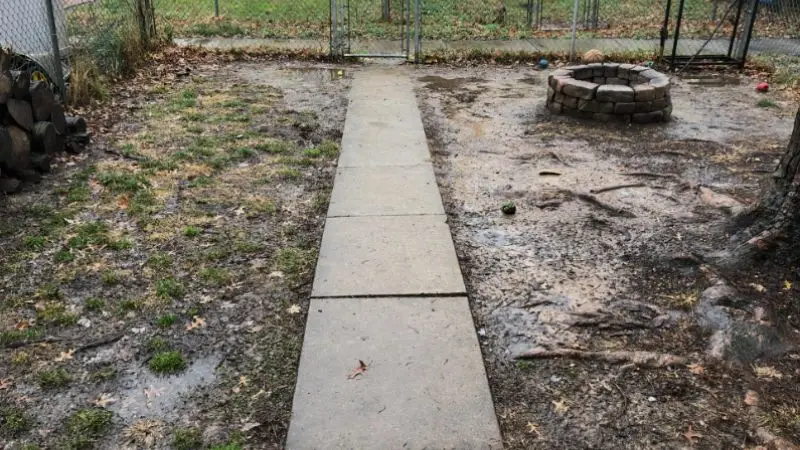
Fixing a muddy yard does not necessarily mean spending a lot of money. With a little effort and creativity, you can improve your yard with simple and inexpensive materials. These solutions are great if you are looking for quick results without making a big investment.
If you are looking for how to repair a muddy backyard without breaking the bank, here are some ideas that will help you fix drainage issues and allow you to use your backyard even after a rain.
Simple DIY Drainage Hacks That Actually Work
You can improve drainage in your yard using a couple of easy means that don’t require special tools. Digging shallow trenches is helpful for directing water away from places where mud forms. This enables water to flow faster, rather than resting on the surface. Another simple way is to loosen the soil so that water can soak in better by using a garden fork. These small changes are normal, easy backyard drainage solutions that show how to stop the backyard from getting muddy for backyard solutions. When water is flowing as it should, your yard dries more quickly, and it is cleaner.
Inexpensive Ground Covers Can Help Control Mud
The easiest way to deal with mud is to cover bare soil. Materials such as straw, pine needles, or shredded leaves can absorb moisture and form a dry layer on top. These types of things are low-cost and easy to spread throughout problem areas. If you want a more environmentally friendly look, then you can plant ground covers such as clover that grow fairly quickly and deal well with wet conditions. This approach is great for anyone searching for ways of getting rid of mud in the backyard without spending too much money. It also increases the quality of soil in the long run and aids in proper drainage.
Recycle Materials to Make Dry Walkways
You will not always have to purchase new materials to fix a muddy yard. For example, old pallets, leftover gravel, or spare stones can be used for making dry paths and walking areas. Pallets can be utilized over muddy sites to keep feet out of the mess, and gravel or stones will help water drain through the mud, rather than collecting on the surface. This method is considered by many as a practical and best method to repair a muddy yard in areas that are heavily used. It minimises mud and gives your backyard an easy and workable appearance.
Small Changes Can Make a Big Difference
Even small improvements can have a strong impact on your yard. Focusing on problem areas and using simple materials can allow for a slower process of turning a muddy space into a dry and comfortable one. These affordable methods are perfect if you are just beginning your learning on how to fix a muddy backyard. Over time, the combination of these ideas, coupled with improved drainage, will help you enjoy your outdoor space without having to worry about mud after every rain.
How to Prevent Your Backyard from Getting Muddy Again
The next step after fixing your yard is to keep it dry and clean throughout the year. Mud usually returns when small problems are neglected, so frequent care makes a big difference. With some easy habits, you can save your yard and avoid having to deal with the same problem in the future.
If you want to get a handle on how to stop your backyard from getting muddy, work on keeping good drainage, and your soil covered and balanced.
Simple Habits to Keep Your Yard Dry
Taking care of your yard regularly prevents water from becoming mud. Small actions, at the right time, can save all the work you have already done. These steps are also good for fixing a muddy backyard in the long run by stopping the problem before it starts to occur.
- Keep gutters and downspouts free of debris so that water flows away from your house, rather than soaking into your yard
- Check for bare after rain and reseed to improve water absorption
- Do not overwater your lawn, especially during rainy weeks
- Aerate the soil to assist water in soaking into the soil and not remaining on the surface
- Add mulch around plants to help protect the soil and lessen splashing
- Cover areas used by heavy foot traffic with gravel, wood chips, or stepping stones
- Be consistent for long-term results
Consistency is the key to a mud-free backyard. When you are checking over your yard after heavy rain, you can quickly find problem areas before they get worse. Fix any small problems first, to prevent larger drainage problems down the lane.
This ongoing care is one of the best ways to fix a muddy yard because you can prevent it from creating damage instead of repairing it. It also plays well with simple backyard drainage solutions to ensure that your yard is dry, healthy, and easy to use throughout every season.
Wrap-Up
Learning how to fix a muddy backyard requires a combination of temporary fixes, as well as long-term solutions and regular maintenance. From laying mulch or gravel to installing a French drain or planting grass, every step helps to control water and limit mud. Understanding the drainage, soil type, and high traffic areas in your yard makes it easier to determine the best way to remedy a muddy yard. Simple habits such as cleaning gutters, aerating the lawn, and covering bare spots will prevent mud from returning. By using a combination of smart solutions with regular care, you can have a clean, dry, and healthy backyard all year, no matter after heavy rain.
FAQ
How do you remedy a muddy fast backyard?
You can pour mulch, wood chips, or gravel over muddy spots. Lay Stepping Stones for Quick Paths. These fixes are immediate and can help you enjoy your yard once again.
Will the final grass grow back after the mud?
Yes, grass will grow back if you reseed the bare spot and maintain good drainage. Add topsoil if needed. Water lightly until the new grass appears.
What is the cheapest way to cover mud?
Try straw, pine needles, or shredded leaves. These materials absorb water and cover mud. Old pallets, or stones, can also be used for walkways.
Can pets and kids play in a muddy backyard?
It is best to cover muddy areas with mats, rugs, or mulch. This keeps everyone clean and safe. You can also create an area of dry play with gravel or turf.