Take a glance at your daily routine, almost everything is based on electricity. From morning coffee to the bedroom light, everything runs on electricity. Therefore, learning the basics of how to connect electrical wiring safely is an extremely important skill to learn.
In this article, we will walk you through essential steps with practical guidance and tips to help you connect wiring safely and confidently so that you can do simple electric tasks like a pro. If you are a DIYer or electrician, you must have to confidently and repeatedly make safe connections every single time you pick up your tools.
Types of electrical wiring projects
Learning how to connect electrical wiring is useful in many real-life situations, and each application has particular standards and necessities. Here are some types of projects you’re probably working on:
Residential wiring
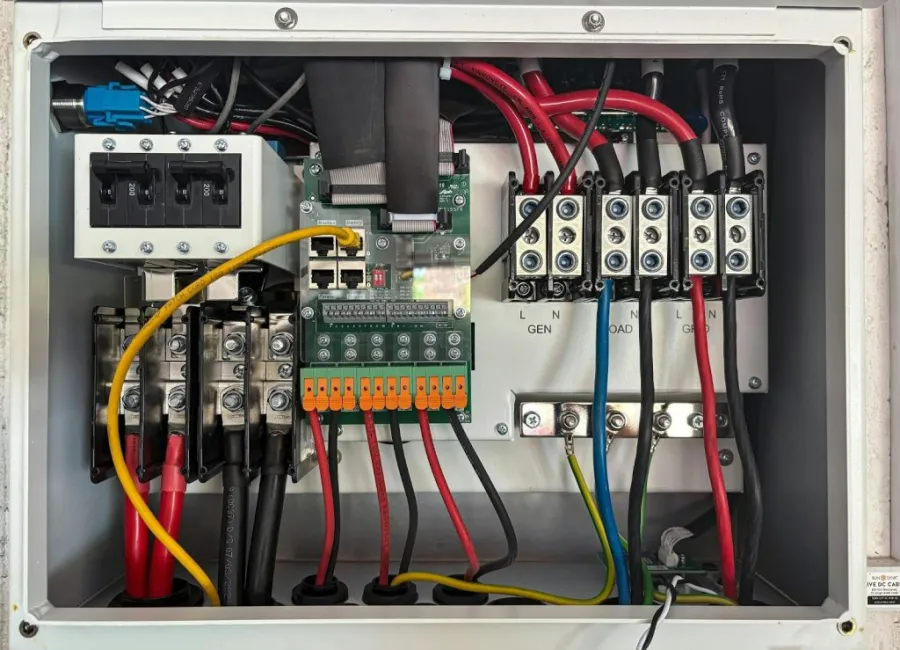
Home connections has wirings systems connected with appliances, outlets, and lighting. Safe connections prevent hazards and short circuits, and for this, you need proper junction boxes and connectors.
When installing switches or fixtures, homeowners often connect to wires. Follow the correct methods strictly for household safety.
Automotive and industrial wiring
Sturdy and durable wiring is necessary for automotive and industrial machines. As these settings face more vibrations and heat, they demand strong crimps and insulation. For industrial systems, you require more compliance with safety codes.
In these environments, the safest way to join electrical wiring is with sealed connectors and strain relief. Tehy help avoid mechanical failure and roughness.
Networking and low-voltage systems
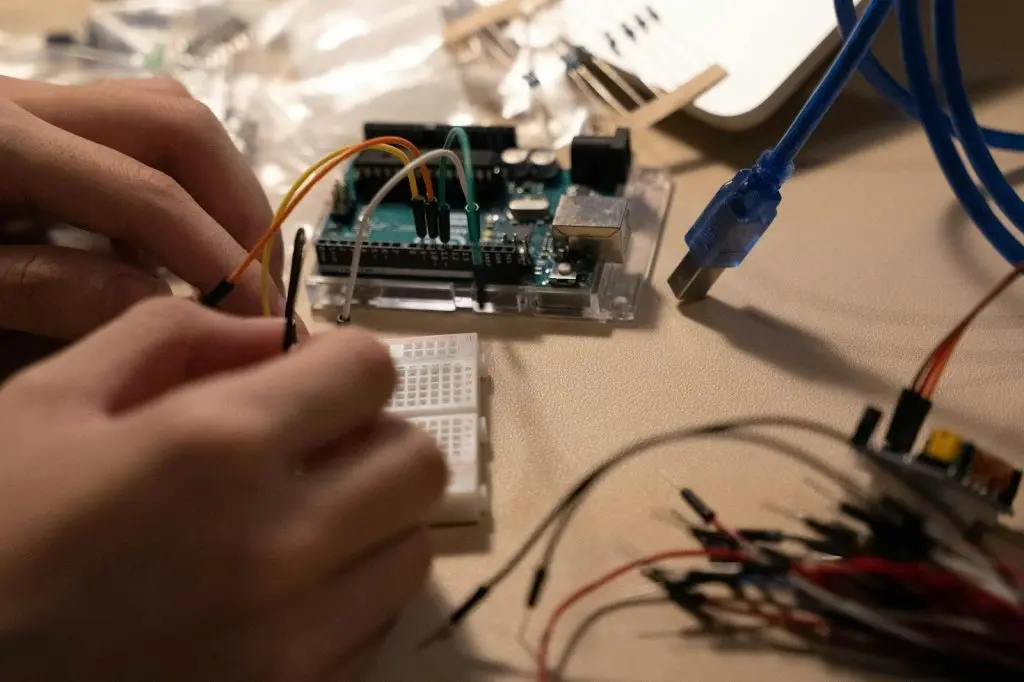
Data cables and security wiring have a low-voltage system. In these settings, precision matters a lot because signal quality is affected by interference. If the terminations are clean, they improve performance.
A clear understanding of connecting wire types helps you choose the right method for electric or data transmission. Every system has its unique requirements, and you should keep in mind those for safe connections.
Safety tips before connecting wiring
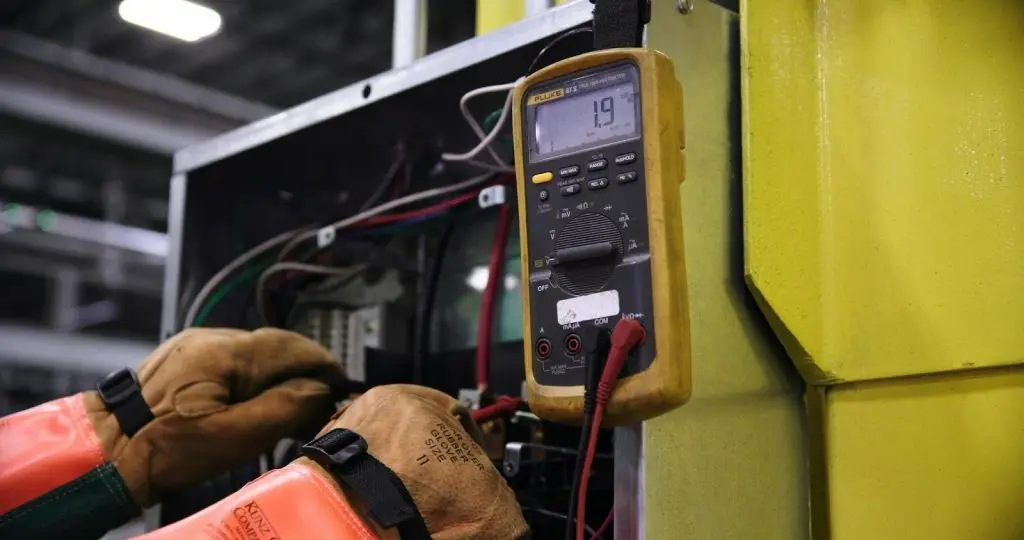
When working on electrical systems or learning how to connect electrical wiring, safety becomes your first priority. Keep these points in mind:
- Before touching any wire turn off the power supply
- With the help of a tester, confirm the power supply is terminated
- Wear insulated gloves and safety eyewear
- Keep the work area dry and well bright
- Never work with exposed conductors and damaged insulators
If you follow these instructions carefully, it will reduce hazards and give you long-term durability. Follow electrical codes and manufacturers instructions to keep your devices safe from errors.
Tools you need:
For making how to connect electrical wiring safe and sound, use the right tools. Poor wirings can lead to weak connections and worn out wires.
Here are some of the basic hand tools required for any electrical work:
- Screwdrivers: Well insulated screwdrivers prevent accidental shocks
- Pliers: They help in bending wires safely
- Voltage tester: A trustworthy tester confirms the power status before and after performing work
But we need more tools…
Crimping tools and wire strippers
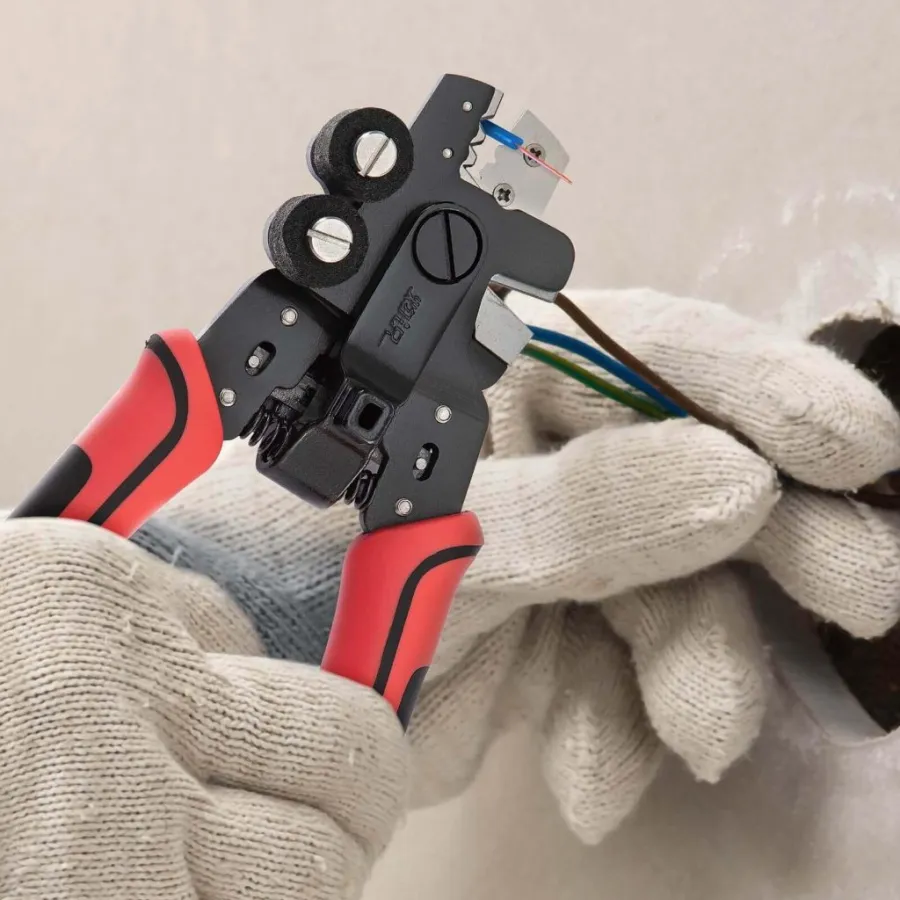
You need wire strippers for removing insulation safely without damaging the conductors. It ensures clean contact and sturdy joints. On the other hand, crimping tools compress the connectors onto wires and reduce electrical shocks.
Mastering how to connect wire ends properly involves the use of these tools. Proper crimping enhances conductivity and avoids loosening with time.
Connectors, wires, and protective gear
Conductors have three main parts, including terminals, wire nuts, and butt connectors. Choose connectors that are rated for your wire gauge and voltage. For safety and protection, use gloves and glasses.
Don’t compromise with incompatible connector types or wire sizes. Use quality products to improve safety and lifespan.
How to connect electrical wiring in easy steps
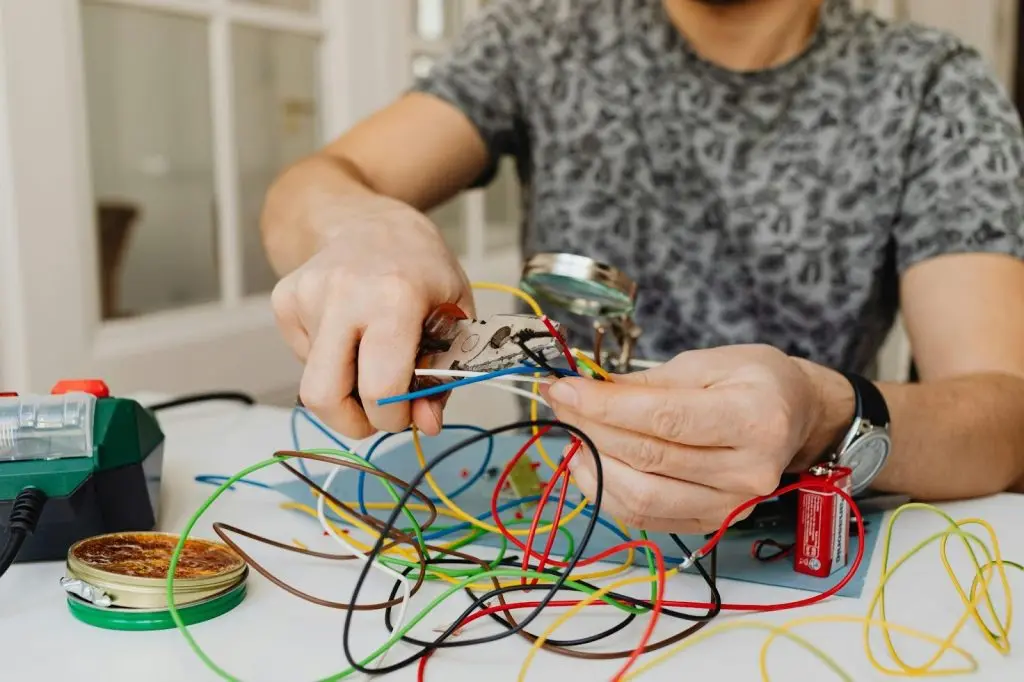
Breaking down the method into clear steps is helpful if you want to learn how to connect electrical wiring. Each step is important for safety and accuracy:
- Shut off the power at the breaker
- Make sure the tester is verified before proceeding
- Next, strip insulation carefully to expose copper
- Now align the wires correctly and use the right connector
- Crimp with trustworthy crimping tools until the connection is stable. After that gently tug to check for security
- Cover the joint with connector cap or proper insulation
- In last, restore the power and check the circuit
Following these steps ensures consistent and safe operations.
FAQs
What is the safest way to connect electrical wires?
The safest method is to turn off the power before starting and use the correct connectors. Don’t forget to test the connection before and after work. Strictly follow the code necessities.
Can crimping tools be used for all wire types?
Crimping tools work better with specific connectors and stranded wires. For solid wires, you need screw connections or terminals. Check the compatibility of tools with wire types.
How do I know if the connection is secure?
If you gently pull the connection and it does not move, it means it is firm and secured. Next, the thing is proper insulation. To confirm the connection, check with the help of a tester.
What are common blunders when connecting wiring?
Commonly, loose joints and incorrect connectors are the blunders made. Ignoring safety checks and rushing work often leads to failure.
Do I need a professional to connect the wiring?
For simple tasks, you can handle connecting wires easily with proper instructions. If the situations are complicated, you must consider licensed electricians for safe operations.
Conclusion
If I have to connect wires and make a safe connection, I would make sure that the power is off before working and check the current flow with a tester. I would match the electric codes with the connectors, crimp the wires securely, and use proper insulation for safety. Knowing how to connect electrical wiring becomes hassle-free if you learn the steps carefully.
Safe operations using protective gear is necessary when doing any electrical task. Follow the instructions carefully and take the help of tips and techniques we have discussed above to avoid any dangerous activity while working. Remember, patience and understanding is crucial for this work so put them in your tool box.