You are at the right place if you want to learn how to clean a snow blower carburetor. This guide will tell you that DIY snow blower carburetor cleaning does not require any special skills. Just pay attention to the instructions and be safe. Wear your eye protection and gloves before you begin. Take your time. When you’re finished, your snowblower will perform better.
Always try to work in an area that is well-ventilated to avoid fumes.
Signs Your Snow Blower Carburetor Needs Cleaning
Difficulty Starting the Engine
You may have tried to start your snowblower several times, but it just wouldn’t work. It is common for you to need attention. The tiny passages in the carburetor can be blocked by old fuel or dirt. This can cause the engine to not get the correct mix of fuel and air. If you have trouble starting your engine, it may be because of a dirty or faulty carburetor. Check the clean carburetor if you want your machine to start again.
Tip: Use a step-by-step troubleshooting method. Check the fuel first, and then the carburetor.
Engine Runs Rough or Stalls
When it finally starts, does your engine sputter or surge? The carburetor may not be working properly. The passages and jets can be blocked by dirt or gunk. The engine will either receive too much fuel or not enough. When you use the snowblower, you may hear popping noises or notice that the engine has stopped running. Cleaning your carburetor will restore engine performance.
Reduced Performance or Poor Fuel Efficiency
The carburetor may be to blame if your snowblower is weaker than normal or consumes more fuel. The machine may not be able to throw as much snow or may seem to lose power when under load. The engine will work harder if the carburetor is clogged, wasting fuel and reducing performance. Cleaning regularly keeps everything in top condition.
Tools and Materials Needed to Clean a Snow Blower Carburetor

You need the correct tools and supplies before you begin cleaning your carburetor. This will make the entire process safer and easier. Do not stop the process because you forgot to include something. Let’s look at what you need.
Essential Tools (Screwdrivers, Wrenches, Pliers)
To remove the carburetor and perform repairs, you will need some basic tools. Here’s a quick list:
- You can loosen or tighten screws using flathead and Phillips screwdrivers.
- With a wrench, you can remove the bolts holding the carburetor in place.
- You can use pliers to grip and remove hoses or other small parts.
Tip: Keep all your tools in a tray or toolbox. You can easily find the tools you need.
Cleaning Supplies (Carburetor Cleaner, Compressed Air, Brushes)
You can’t just wipe the carburetor clean. To remove dirt and old fuel, you need to use special tools. What works best to unclog a snow blower carburetor?
| Cleaning Supply | Purpose |
| Carburetor cleaner | Breaks down gunk inside the carburetor |
| Compressed air | Blows out tiny passages and jets |
| Small brushes | Scrubs away stubborn dirt and deposits |
You should spray carburetor cleaner into all the nooks and crannies. Use compressed air to clear out any leftover debris. Brushes help you reach tight spots inside the carburetor.
Safety Gear (Gloves, Eye Protection)
When cleaning a carburetor, safety comes first. You don’t want dirt or chemicals to get in your eyes or on your skin. Wear:
- Gloves that protect hands from carburetor cleaner, fuel, and other chemicals.
- Protect your eyes from splashes by wearing eye protection.
Attention: Carburetor cleaning can cause irritation to your skin and eyes. Never skip safety gear.
You are now ready to clean your carburetor. Preparing ahead will make the job easier and safer.
Step-by-Step Guide: How to Clean a Snow Blower Carburetor

This step-by-step tutorial will show you how to clean a Snow Blower Carburetor. No mechanic is required for cleaning and maintaining snow blower carburetor. Follow each step which are written below carefully.
Step 1 – Prepare Your Snow Blower for Maintenance
Remove the spark plug wire and turn off your machine. You will be safer while working. Allow the engine to cool and place the snowblower flat on a surface. Before you begin, gather all the tools and materials. This step-by-step guide will help you stay organized.
Tip: Take photos of your carburetor before removing anything. You can then remember where to put each part.
Step 2 – Remove the Carburetor Safely
This is an essential step to fix the dirty carburetor on snow blower. The carburetor is usually located near the engine, and it connects the fuel line and air filter. Remove the clamps and bolts with a screwdriver or wrench. Pull the fuel line gently. Be careful not to spill any fuel. Set the carburetor up on a clean, flat surface.
Step 3 – Disassemble the Carburetor Components
Remove the bowl, float, and jets. Remove the jets, bowl, float, and rotor. Sort each piece. It will be easier to assemble everything if you arrange the parts in order. Check for any damage to gaskets and seals.
Step 4 – Clean the Carburetor Thoroughly
Spray carburetor cleaning solution into all small holes and passages. Scrub dirt and old fuel with a brush. Blow compressed air into the jets and passages. How to clean a snow blower carburetor begins with this step. Repeat this process until the entire carburetor looks clean.
Step 5 – Reassemble and Reinstall the Carburetor
Reassemble the carburetor. Ensure that each piece is in the correct place. Do not overtighten screws. Attach the carburetor to the engine. Reconnect the air filter and fuel line.
Step 6 – Test Your Snow Blower for Proper Function
Start your snowblower by plugging in the spark plug wire. Start your snowblower. Listen for smooth running. You did a good job cleaning the snowblower’s carburetor if it sounds smooth. If you are not satisfied with your work, go back and check it.
You can keep your snow blower running all winter with this step-by-step guide.
Tips to Prevent Carburetor Clogging in the Future
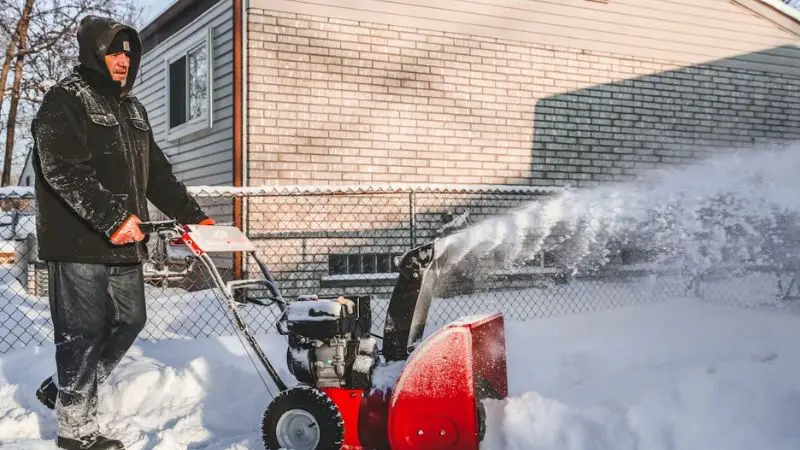
It is easy to keep your carburetor in good condition if you adopt a few simple practices. It is not worth it to have a carburetor that gets clogged every winter. This guide will give you some practical tips on how to avoid problems with your snowblower and maintain its performance.
Use Fresh Fuel and Fuel Stabilizers
Old fuel may cause debris to build up in your carburetor. When you refill your machine, you should always use fresh gasoline. Add fuel stabilizer to your tank if you are planning to store the snowblower longer than a couple of weeks. It will prevent the fuel from deteriorating and forming sticky deposits. Fuel stabilizers are available at most hardware shops. These fuel stabilizers are simple to use and can make a huge difference.
You can use the date to know where you purchased your fuel. Fresh fuel keeps your carburetor cleaner.
Run the Snow Blower Regularly During Winter
- Carburetor issues can occur if you let your snowblower sit too long. Even if you don’t need to remove snow, it is important to start the machine at least once every two weeks. The engine running helps to move fuel through the carburetor, preventing the accumulation of debris. Clean the carburetor if you have trouble starting or notice rough running.
- Once a month, start your snowblower.
- Let it run between five and ten minutes.
- Listen for engine noises that are smooth.
Store the Snow Blower Properly in Off-Season
Storing properly keeps your carburetor working well. Drain the fuel tank before you store your snowblower for the winter. Or run the engine to the point of stopping. This removes old fuel and reduces the chance of clogging. Cover your machine so that dust and moisture are kept out. If possible, store it in a place that is dry place.
| Storage Step | Why It Matters |
| Drain the fuel tank | Prevents sticky deposits |
| Cover snowblower | Keeps out dust and moisture |
| Store in a dry area | Reduces rust and corrosion |
Following these tips helps you avoid carburetor trouble. You will spend less time fixing problems and more time clearing snow when you need it.
Common Mistakes to Avoid When Cleaning a Snow Blower Carburetor

Cleaning your carburetor can make your snowblower run like new. You may still run into trouble if you don’t watch out for common mistakes. Here are some things you should avoid.
Using Harsh Chemicals or Improper Tools
You may think that cleaners with more power will perform better. This is not the case with your carburetor. Chemicals can cause damage to the tiny parts. Rubber seals and gaskets can be eaten away by harsh chemicals. Always use carburetor cleaner. The tools you use are important. You can damage the screws if you use an incorrectly sized screwdriver. This makes it difficult to put the carburetor together again.
Over-Tightening Screws During Reassembly
Over-tightening screws can damage your carburetor. The carburetor can be damaged by over-tightening. Over-tightening can lead to engine failure and leaks. Screws should be tightened until they feel snug. Don’t force them.
Here is a quick guide:
| Screw Type | How Tight? |
| Small screws | Snug, not forced |
| Bolts | Firm, not tight |
Neglecting Safety Precautions
When cleaning your carburetor, you might be tempted to ignore safety precautions. This is never a wise idea. The cleaner for the carburetor can cause irritation to your eyes and skin. Gasoline can ignite. Wear eye and glove protection. Work in an area with good airflow.
Remember that safety gear will keep you safe against chemical splashes, burns and cuts.
By avoiding these mistakes, you can clean your carburetor correctly. You will be rewarded with a snowblower that starts smoothly and performs well.
Conclusion
Regular carburetor cleaning will keep your snowblower in top shape. Regular maintenance will save you money and time. Check other parts, such as the spark plug or air filter. Schedule cleanings and inspections to clean the snow blower carburetor for yourself.
Remember: A little attention now will lead to fewer problems in the future.
FAQ
How often should you clean your carburetor?
You should clean your carburetor once a season or whenever your snowblower starts acting up. Regular cleaning helps your machine run better and last longer.
Can you use regular household cleaners on the carburetor?
No, you should not use regular cleaners. Always pick a carburetor cleaner made for engines. This keeps the parts safe and gets rid of tough gunk.
What if your snow blower still won’t start after cleaning the carburetor?
Check the spark plug, fuel, and air filter. Sometimes, another part causes the problem. If you still have trouble, ask a professional for help.
Do you need to remove the carburetor to clean it?
Yes, you need to take the carburetor off to clean it well. This lets you reach all the small parts and passages inside.
Is it safe to clean the carburetor yourself?
Yes, you can clean it yourself if you follow safety steps. Wear gloves and eye protection. Work in a space with good airflow.