Artificial turf is frequently used in patios, outdoors, and indoors to create a cozy space. It’s a great way to provide a play area for your child and pets. So, regular cleaning of artificial turf is essential to maintain its hygiene. You need to spend a little effort to maintain cleanliness frequently and do a deep cleaning once a month.
But the question is, how to clean artificial turf? No worries! Here is a detailed, step-by-step guide to help you maintain your synthetic grass. Regular maintenance not only lowers the chances of piling hard particles but also maintains the shape and quality of your turf.
How to Clean Artificial Turf
Remove Debris and Loose Dirt
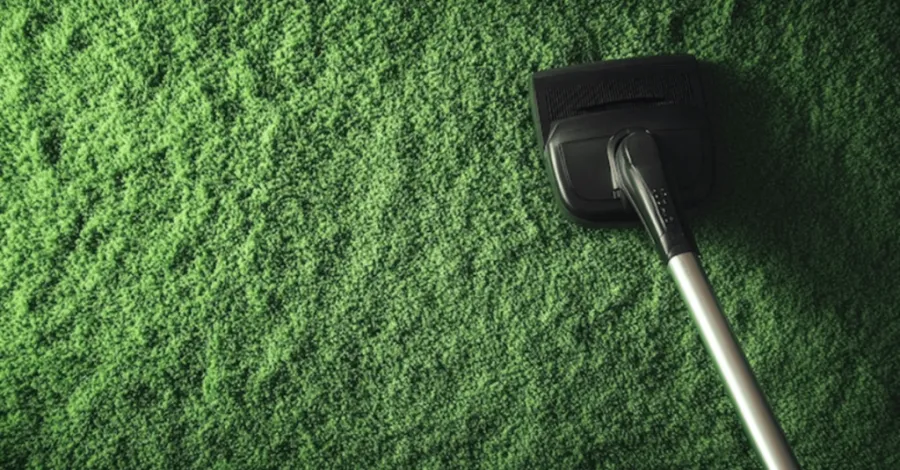
With a little effort once a week, you can prevent permanent damage. Solids can also block the drainage system. You can also use a broom or sweeper to collect the debris gently. Avoid any pulling or sharp tools. If you don’t have these tools, a broom works just fine. You can also use a vacuum with the lowest suction level for small particles or dirt. As we all know, high suction disturbs infill.
Rinse the Turf with Water
After cleaning debris or hard particles, thoroughly rinse the turf. For this purpose, you can use a garden hose and spray the whole turf. It is a great way to remove any dirt or pollen that has settled into the fibres of the grass. Keep it in mind to avoid heavy pressure; it can displace the infill or damage the turf.
Make sure to rinse the sports equipment that is in heavy use, such as areas where kids play or pets roam. A thorough rinse helps keep your artificial grass clean and fresh, especially after rain or windy days.
Apply a Cleaning Solution
For deeper cleaning, you’ll need a safe cleaning solution. Choose a product specifically designed for artificial grass cleaning, or create your own DIY mix. A simple solution of water and mild dish soap works wonders for removing grime and refreshing your turf.
Spray the cleaning solution evenly across the surface. Use a soft-bristle brush to scrub stubborn spots or areas with visible dirt. Pay extra attention to high-traffic zones or spots where spills have occurred. After cleaning, let the solution sit for a few minutes to allow it to break down dirt and bacteria.
Brush the Turf for a Fresh Look
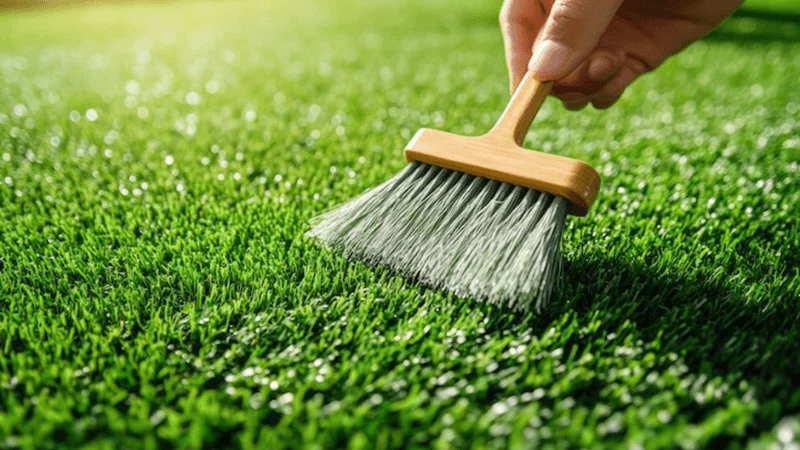
Brushing your artificial turf keeps it neat. After rinsing, use a soft-bristle brush or turf rake to fluff the grass. This step helps the blades stand upright, giving your lawn a natural appearance. Brush against the direction of the grass fibers. This lifts the blades and clears any stuck dirt or debris.
Work on small sections to cover the entire area. If some spots appear flat, spend extra time brushing them to smooth them out. Brushing also spreads the infill evenly, which keeps the turf soft and stable. If your lawn feels uneven, brushing can help smooth it out.
Final Rinse and Let It Dry
After brushing, rinse the turf one last time. Use a garden hose to wash away leftover soap or dirt. Spray evenly, especially on areas you scrubbed earlier. This final rinse removes residue that could attract dirt or cause stains. Let the turf air dry naturally after rinsing.
Artificial grass dries fast, so you won’t have to wait long. Avoid stepping on it while wet to keep the blades upright. On sunny days, drying occurs even more quickly. Air drying is easy and helps your turf last longer. Once dry, your lawn will look clean and ready to enjoy.
Best Way to Clean Artificial Grass for Specific Issues
Sanitize Artificial Grass After Pet Waste
Cleaning after pets keeps your artificial grass clean and safe. Pet waste can cause smells and bacteria, so sanitizing is essential. First, pick up solid waste using a scoop or bag. For liquid waste, rinse the spot with water to dilute it.
Use a pet-safe enzyme cleaner for sanitizing. These cleaners effectively remove bacteria and odors. Spray the cleaner over the dirty area and let it sit for a brief period. Rinse the turf again with water to remove leftover cleaner. This step ensures no residue stays behind. Sanitizing regularly helps keep your lawn safe for pets and family.
Remove Odors Effectively
Bad smells can cling to artificial grass, especially in areas with pets or in hot weather. Find the source of the odor first. Pet waste, spills, or standing water can cause smells. To remove odors, rinse the turf with water. Then, spray a mix of water and white vinegar.
Vinegar is an excellent natural way to neutralize odors. Spray it evenly and let it dry in the air. This method works for how to clean the fake grass. For strong odors, use a turf deodorizer. These products refresh the grass without harming it. Regular cleaning and deodorizing help keep your lawn smelling fresh.
Treat Stains and Spills
Spills happen, like drinks at parties or pet accidents. Cleaning stains promptly prevents them from adhering to the turf. Blot spills with a cloth or paper towel. Don’t rub, as it spreads the stain. Apply a cleaning solution next. Mix water and mild dish soap for most stains.
Spray the solution onto the stain and gently scrub with a soft brush. For tough stains, repeat the process if needed. Rinse the area with water to remove soap and dirt. Let the turf dry completely before using it again. Regularly cleaning spills helps keep your artificial grass looking great and prevents damage.
Recommended Cleaning Solutions for Artificial Grass
Safe Cleaning Products
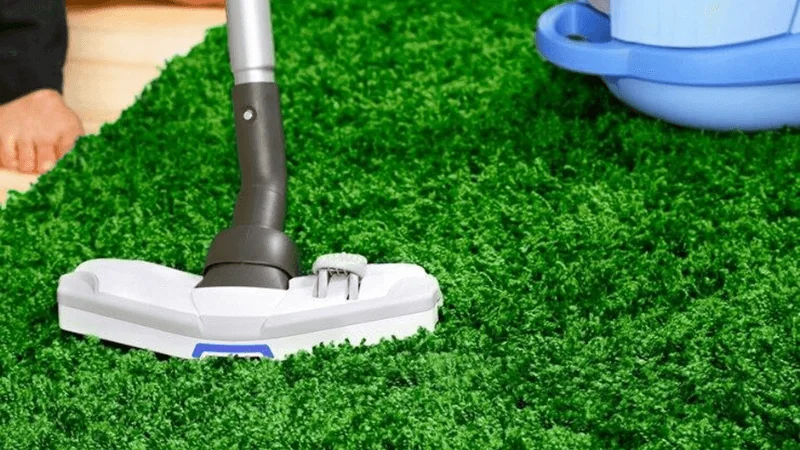
After learning how to clean synthetic turf, you also need to choose the right cleaning agents. Selecting the right cleaners helps maintain the good shape of your artificial grass. Many store-bought cleaners are made just for turf. These are gentle and safe for kids and pets. Look for labels like “pet-safe” or “non-toxic.”
Enzyme-based cleaners are great for cleaning pet messes. They remove bacteria and smells. Artificial grass deodorizers help your turf smell fresh and clean. A mild dish soap is a cheap and easy choice for everyday cleaning.
DIY Cleaning Solutions
Homemade cleaners are simple and cost less. You can make them with things you already have. A mix of water and mild dish soap works well for dirt and stains. For bad smells, use a mixture of water and white vinegar. Vinegar is a natural way to eliminate odors. Spray it evenly and let it dry naturally.
Here’s how to make a DIY cleaner:
Ingredients:
You will need the following items:
- a gallon of water
- 2 tablespoons of mild dish soap dissolved in water
- Optional: 1 cup of white vinegar for odors like in pet spots
Instructions:
1. First of all, mix the ingredients (water, soap, and vinegar) in a bucket.
2. You can use a spray bottle or sponge to apply it.
3. Make sure to scrub gently with a soft brush.
4. Finally, rinse thoroughly with water.
Avoiding Harsh Chemicals
Strong chemicals can damage your artificial grass and cause it to wear out more quickly. Things like bleach, ammonia, or harsh soaps can fade the color or damage the fibers. They might also bother pets or kids playing on the turf.
Stick to gentle, safe cleaners. If you are unsure, read the label or contact the manufacturer. Avoid using pressure washers, as they can damage the infill and harm the turf.
Maintenance Frequency for Artificial Turf
Taking care of your artificial turf is easy with a regular plan. By sticking to a schedule, you can maintain a clean, fresh, and long-lasting appearance. Break your turf care into daily, weekly, and monthly tasks for best results.
Daily Maintenance Tips
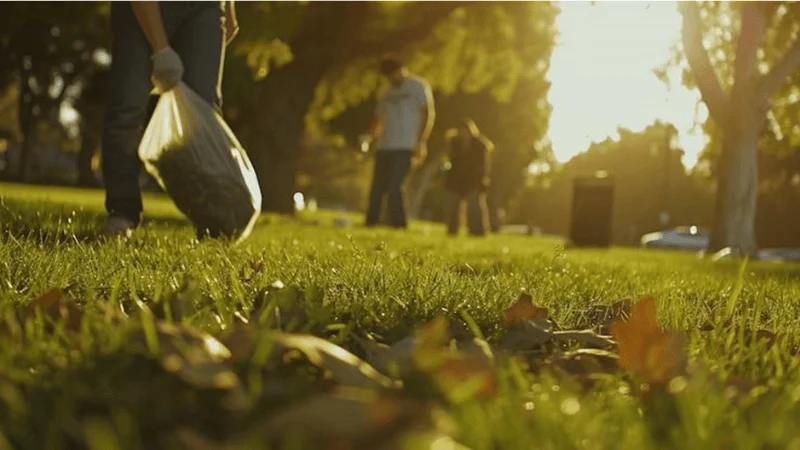
Spend a few minutes each day checking your turf. Look for debris like leaves, twigs, or trash. Clearing these items stops them from getting stuck in the fibers. Use your hands or a broom to remove them quickly.
If you have pets, clean up after them right away. Pick up solid waste and rinse the area with water. For liquid waste, spray a pet-safe enzyme cleaner to remove smells and germs. This keeps your turf clean and safe for everyone.
Weekly Cleaning Routine
Once a week, give your turf a deeper clean. Brush the grass to lift the blades and spread the infill evenly. Use a turf rake or a soft-bristled brush, brushing in the direction of the grass for better results.
After brushing, rinse the turf with a garden hose. Focus on areas where pets frequently play or people often walk. If dirt or smells remain, use a mild cleaning solution and scrub gently. Weekly cleaning keeps your turf fresh and ready to use.
Monthly Deep Cleaning
Every month, do a complete deep clean of your turf. Begin by removing all debris and thoroughly rinsing the surface. Then, sanitize the turf using a turf cleaner or a mix of water and mild dish soap. Scrub tough spots with a soft brush to remove dirt.
Pet owners should pay extra attention to areas their dogs use most. Use an enzyme-based cleaner to eliminate bacteria and odors. After cleaning, rinse the turf again and let it dry naturally. Deep cleaning helps your turf last longer and look its best.
Common Mistakes to Avoid When Cleaning Artificial Grass
Use of Harsh Chemicals
Stains can be removed easily with strong agents, but keep in mind it is a major don’t for your turf. Chemicals such as bleach or ammonia are frequently used in homes to remove tough stains. They can fade the color of your turf and also weaken its fiber. This damage makes your artificial grass look old and worn out.
Use gentle cleaners made for turf instead. Enzyme-based cleaners or mild dish soap clean well without causing harm. If unsure about a cleaner, test it on a small hidden spot first.
Neglecting Regular Maintenance
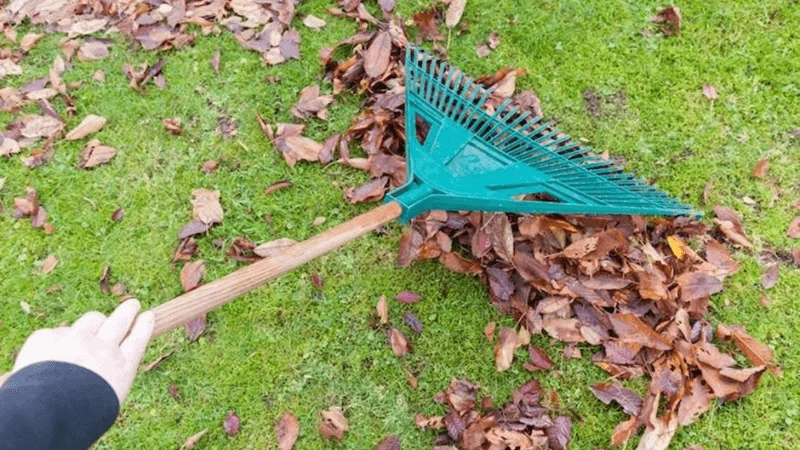
Skipping regular care can lead to more significant problems later. Dirt, leaves, and pet messes can accumulate quickly. This can cause your turf to look dirty and produce unpleasant odors. Ignoring these issues can also make your turf wear out faster.
Make cleaning a habit. Spend a few minutes daily clearing debris and checking for spills. Brush and rinse your turf weekly to keep it neat and fresh.
Overwatering the Turf
Artificial grass doesn’t require much water, so avoid overwatering it. Unlike real grass, it doesn’t soak up water. Too much water can cause puddles or drainage problems. This might lead to mold or mildew, especially in shady spots.
When rinsing, use a garden hose with a soft spray. Focus on dirty areas instead of soaking the whole lawn. Let the turf dry completely before walking on it again.
Ignoring Pet Waste or Stains
Ignoring pet waste or stains on your artificial turf can lead to bigger problems than you might think. When left unattended, pet waste can cause unpleasant odors, attract bacteria, and even damage turf fibers over time. If you have pets, cleaning up after them should be a top priority.
Solid waste is easy to handle—just scoop it up and dispose of it properly. For liquid waste, grab a garden hose and rinse the area thoroughly. This prevents the urine from soaking into the turf and causing lingering smells. To sanitize the spot, use a pet-safe enzyme cleaner. This keeps your lawn looking fresh and prevents long-term damage.
To Sum Up
Knowing how to clean artificial turf, lawn maintenance is a breeze. You simply need to follow a few basic steps for regular cleaning, as well as seasonal deep cleaning. With some tips and care, your lawn will be fresh, safe, and long-lasting. Frequently cleaning up pet messes will eliminate the smell, stains, and potential for permanent damage.
You need to understand that your work does not end at installing the artificial turf. Never use strong chemicals or excess water on turf to maintain its shape. Always use turf-friendly materials and safe agents for pets or children. Enjoy a neat, green lawn that’s perfect for fun, relaxing, or hosting friends!
FAQ
How frequently should we clean the turf?
Monthly deep cleaning is standard. However, to keep it in top-notch condition, you should clean the turf at least once a week. But in the case of any pet, daily cleaning of the pet’s spots is essential.
Can I use a pressure washer on artificial grass?
No, avoid using a pressure washer. The high pressure can damage the turf fibers and displace the infill. Stick to a garden hose with a gentle spray setting for rinsing.
What’s the best way to remove pet odors?
Rinse the area with water, then spray a mix of water and white vinegar. For more pungent smells, use a pet-safe enzyme cleaner. These break down bacteria and effectively neutralize odors.
Can I use bleach or ammonia to clean stains?
No, harsh chemicals like bleach or ammonia can fade the color and weaken the turf fibers. Use mild dish soap or enzyme-based cleaners instead. Always test new products on a small area first.
How do I prevent my turf from looking flat?
Brush the turf regularly with a soft-bristle brush or turf rake. Brush against the direction of the fibers to lift them. This keeps your lawn looking natural and prevents flattening.