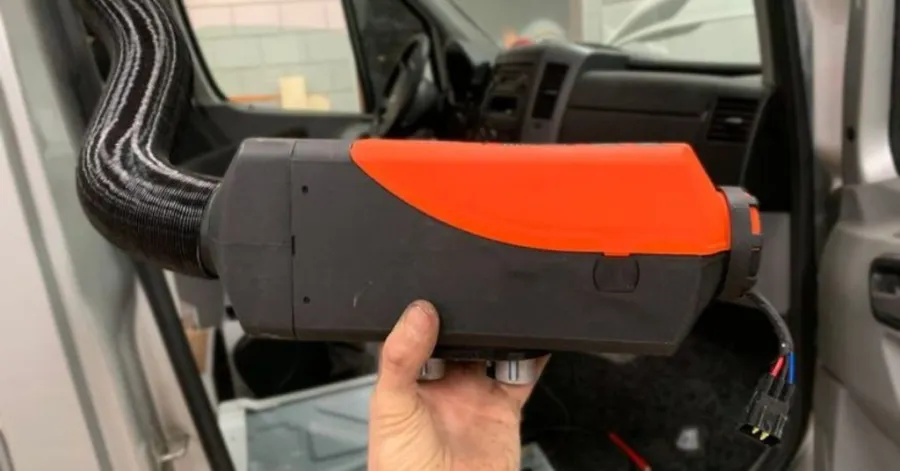
You probably know that diesel heaters can be found in cars, RVs, and even homes. You also want to put it in your car. The main thing I want to know, though, is how a diesel heater works. You fill the tank with diesel, and the heater burns it safely. Then, it blows warm air into your space. It keeps you warm, even on the coldest days. This comprehensive guide explains the various components of the diesel heater, its operation, and its performance compared to other heaters. Let’s get started!
Main Parts of a Diesel Heater
Chamber of Combustion
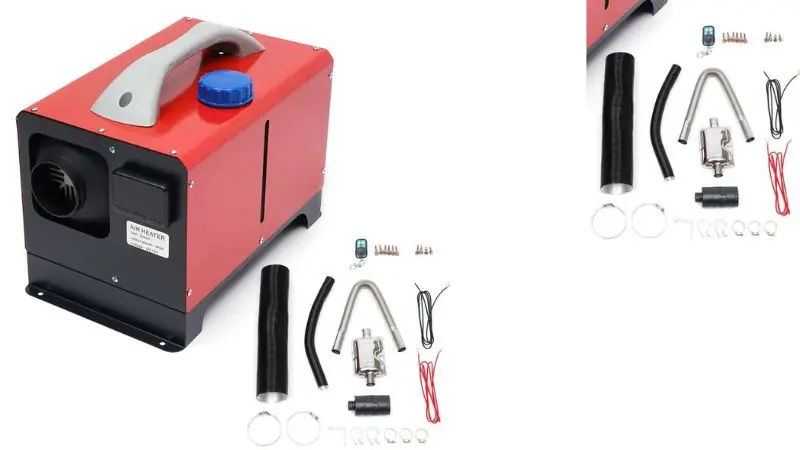
The combustion chamber is like the heart of your diesel heater. This is where the magic happens. When you turn on the heater, air and diesel fuel mix together in this chamber. The heater then burns the fuel, which makes heat. You can feel the warmth, but you can’t see the flame.
Tank and Pump for Fuel
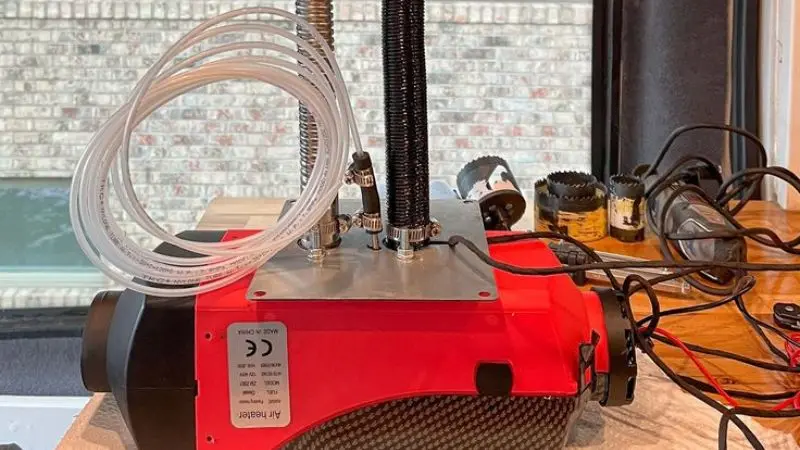
A steady supply of fuel is needed for your diesel heater. The diesel is stored in the fuel tank, and the pump sends it to the combustion chamber. The majority of tanks are located outside or beneath your car or camper. The pump operates quietly and delivers the correct amount of fuel for safe and effective heating.
Air Intake and Exhaust
There are two separate air paths in each diesel heater. One brings in new air to burn the diesel. The other path eliminates the exhaust gases. This setup maintains a clean and safe air environment by keeping the air clean. You don’t have to worry about breathing in fumes.
Heat Exchanger
The heat exchanger is like a bridge. It takes the heat from the burning diesel and transfers it to the air that enters your room. The hot air is never mixed with the exhaust. This design keeps you safe and warm. The heat exchanger is a crucial component of a diesel heater, ensuring that only clean, warm air enters your space.
How Does a Diesel Heater Work
Mixing Air and Fuel
The first thing your diesel heater does when you turn it on is pull diesel fuel from the tank. The pump sends the fuel to the area where it burns. The heater also pulls in fresh air from outside at the same time. The air and fuel mix together inside the chamber. This mixture is essential because it helps the heater burn the diesel cleanly and efficiently.
Ignition and Combustion
The heater uses a glow plug to light the mixture after the fuel and air have mixed. When the heater turns on, you might hear a soft click or hum. It doesn’t take long for the combustion chamber to get hot. The burning diesel generates heat, but the flames and smoke remain outside your living space. You only get the heat, not the smoke. Here’s a quick look at what happens:
- The glow plug gets hot.
- The mixture of fuel and air catches fire.
- The combustion chamber makes heat.
Moving Heat to the Air
The heat exchanger is located directly adjacent to the combustion chamber. It grabs the heat from the burning diesel and passes it to the air inside your space. The heater uses a fan to blow room air over the heat exchanger. The air picks up the warmth and then flows back into your room. The exhaust gases from combustion go outside through a separate pipe.
| Combustion Air Path | Heated Air Path |
| Draws air from outside | Takes air from your room |
| Mixes with diesel fuel | Passes over the heat exchanger |
| Burns and exits as exhaust | Returns to your space as warm air |
This design answers the question, How does a diesel heater work, by showing how the heater keeps the combustion process and your indoor air completely separate.
Air Circulation in the Space
The heater’s fan keeps the warm air moving. You feel the heat almost right away. The air flows evenly, so you don’t get cold spots. You can adjust the temperature with a simple control panel. Some models even let you set timers or use remote controls.
Factors Affecting Fuel and Energy Consumption
There are several things that can change how much fuel your diesel heater uses:
- Model: Heaters made after 2025 use less fuel and have better controls.
- Weather: When it’s colder, your heater has to work harder and use more diesel.
- Altitude: The heater’s ability to burn fuel can change at high altitudes. Some models change on their own.
Keep these things in mind if you ever wonder how a diesel heater works in different places. They help you select the best heater for your needs and maintain a comfortable temperature in your space.
Benefits and Uses
Efficiency and Reliability
You want a heater that works every time you turn it on. Then, how efficient are diesel heaters? Diesel heaters give you steady heat, even in freezing weather. These heaters start quickly and maintain a warm temperature for hours. You can trust them to run without fuss. Most models in 2025 feature smart controls, allowing you to achieve the right temperature with less fuel consumption.
Cost-Effectiveness
Saving money matters. Diesel heaters use fuel wisely. You spend less on diesel than on propane or electricity. Many new heaters use less energy, so you keep more cash in your pocket. You also avoid surprise repair bills because these heaters are designed to last a long time.
| Heater Type | Average Fuel Cost | Lifespan |
| Diesel Heater | Low | 5-10 years |
| Propane Heater | Medium | 3-7 years |
| Electric Heater | High | 2-5 years |
Common Applications
Are diesel heaters safe to use? You can use a diesel heater almost anywhere. People put them in RVs, vans, boats, and tiny homes. Some folks use them in garages or workshops. If you travel or live off the grid, a diesel heater keeps you comfortable.
- RVs and campers
- Boats and yachts
- Tiny houses
- Garages and sheds
Advice on How to Pick and Use
Select a heater that fits comfortably in your room. Check the power and size. Ensure the model fits well at your height. Before you buy, read reviews. Follow the directions carefully when installing your heater. Check the pipes and clean the unit often. You save fuel and get more heat. Would you like to learn more about how a diesel heater works? Read the manual that came with your model. There are tips inside that will help you.
Conclusion
You now know how a diesel heater works and why it will be helpful in 2025. You get safe air, steady heat, and real savings. Before purchasing something, consider your space, the weather, and your specific needs. Want something comfortable and reliable? A diesel heater might be the best option for you.
FAQ
How often should you fill up the diesel tank?
You usually fill it up every few days. It all depends on the size of your tank and how frequently you use your heater.
Can you use a diesel heater while you’re driving?
Yes, you can use your diesel heater while you’re driving. It keeps your area warm and safe. Just keep the exhaust clear.
What type of maintenance does your diesel heater require?
Clean the pipes that bring in and let out air. Look for leaks. If you need to, change the filters. With regular maintenance, your heater will continue to run smoothly.