What does it take to cut brick so the edges stay straight and the material doesn’t break? The job can be done by hand with a hammer and chisel, or mechanically with a diamond-blade saw. The best approach depends on the brick type, the cut you need, and the project size. If you are a beginner picking up how to cut brick, practice making basic cuts on leftover scraps first.
Bigger projects go faster and end up with neater cuts if you switch to an angle grinder or masonry saw. Inside this guide, you will learn how to cut brick at home, handle standard tools, and make clean, straight cuts without incident. Always wear appropriate protective equipment and work safely.
Table of Contents
What Tools Do You Need to Cut Brick?
There are primarily two ways to cut brick. The tools called for differ between the two, as do the final finishes.
Pick your gear according to how large the job is, which cut is required, and how comfortable you feel holding hand tools versus power tools.
Recommended For Your Project
Brick Hammer and Cold Chisel
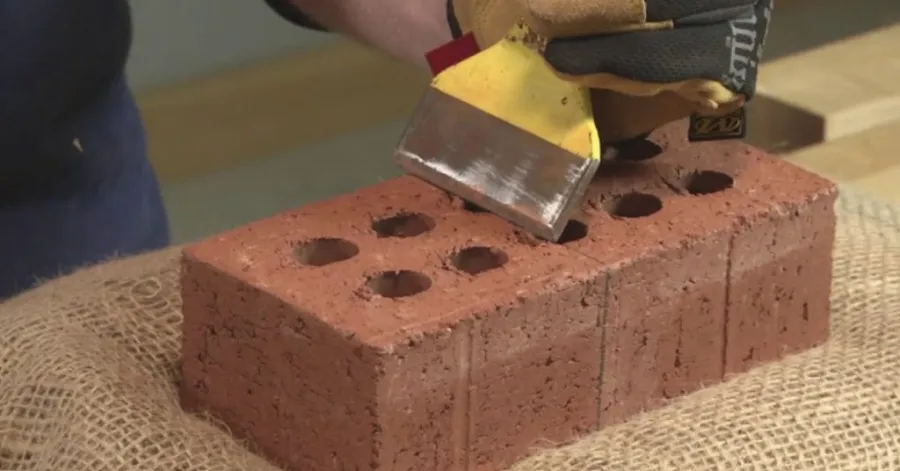
For manual brick-cutting, people have long relied on a brick hammer paired with a cold chisel. The head of a brick hammer features a striking flat face on one side and a chisel-shaped blade on the opposing end. Made of hardened steel, the cold chisel features a sharp cutting edge. Hitting the chisel with the hammer scores the brick first and then cracks it apart.
Because the tools are so straightforward to use, this approach suits anyone learning how to cut brick for beginners. It fits the bill just as well for how to cut brick with basic tools. A pencil to mark your cuts and a solid surface to work on are both required. Doing it by hand cuts down on airborne dust, though it demands more elbow grease and patience. You might end up with rougher edges, too.
Angle Grinder or Saw With a Diamond Blade
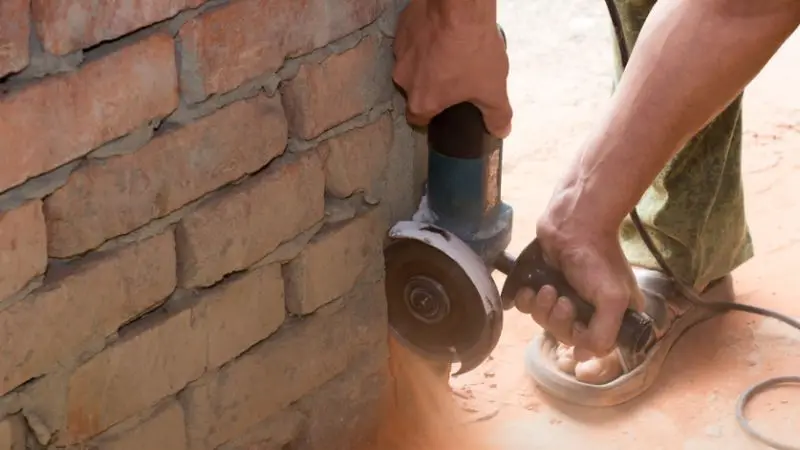
Fitting an angle grinder with a diamond blade covers a broad range of brick-cutting tasks. Straight lines can just as easily be cut using a circular saw or a dedicated masonry saw, provided you fit the right diamond blade. Rather than striking and chipping away at the brick, the blade wears it down by grinding. The result is a quicker cut that leaves a much neater finish.
When the job calls for real accuracy, a wet saw running a diamond blade is another solid option to cut brick. Running water over the cut keeps the blade cool while knocking down loose dust. Whenever a job is substantial or calls for a stack of identical cuts, power tools save the day. Never skip the basics: put on your dust mask, work gloves, and protective goggles every time. Set up your work in a well-ventilated spot, and do not shove the blade into the brick by force.
What You Need to Do Before Cutting Brick? Step-by-Step Instructions
The secret to a good cut happens long before any blade or chisel actually hits the brick. You will get a far cleaner cut if you measure carefully, mark your line, and keep your surface steady. The following walkthrough covers how to cut brick accurately and without injury using a range of tools.
Step 1: Measure and Mark the Brick
First, measure the opening where this piece will actually sit. Pencil the needed dimensions right onto the brick using a tape measure. Account for a thin mortar joint if that is what your build calls for. Lay down a sharp, distinct line using either a marker or a well-sharpened pencil. Your grinder, saw, or chisel will follow this mark straight across.
Double-check every number before making a cut, especially if you are learning how to cut brick at home. If you plan to cut by hand, run a strip of masking tape straight over the line. The tape keeps your chisel tracking true and helps prevent loose chips from breaking off. Mark both faces of the piece before doing anything if you are figuring out how to cut thin brick.
Step 2: Prepare Your Work Area
Set up a firm, steady workspace before picking up your cutting tools. Cutting accurately is a lot tougher if your table wobbles. Lay down a rubber mat or a sheet of plywood beneath the brick so you shield the worktop and collect debris. Keep your tools within arm’s reach and clear away any clutter in the immediate area. Put on safety glasses, heavy gloves, and a mask to block the dust. Take the job outdoors if you are running a saw or grinder, or crack some windows to get fresh air moving.
Sawing or chipping brick kicks up silica dust, which is hazardous if it gets into your lungs. Hand tools still throw off tiny fragments at high speed, so wearing eye protection remains just as necessary. Lock the brick down with a clamp whenever you are able to. Keeping the brick locked down makes cutting straightforward and keeps your tool tracking along the line. That step matters even more when you follow the guide on how to cut a brick without damaging it.
How Do You Cut Brick With a Hammer and Chisel
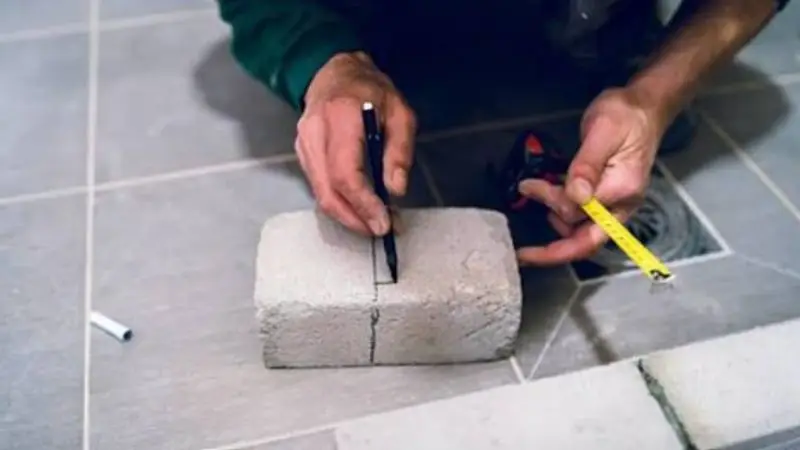
You only need a simple hammer and chisel to split bricks manually. For smaller tasks where power equipment is unnecessary, this technique is ideal. The secret lies in scoring a sharp, visible line all the way around before you strike the final break.
Mark the Brick Before Cutting
Every hand cut should begin with a sharp, well-defined mark. Pull a tape measure across the spot where the brick is going to go. Leave a slight allowance for mortar if your build calls for one. Take a sharp pencil and run your cut line straight over the brick’s face. If the surface is coarse, a marker works just as well. Do not rush this part if you are trying to figure out how to cut brick at home.
Lay masking tape right over the mark so your cold chisel has a distinct edge to track. That can keep the edges from flaking away as much, too. Mark both sides of the brick if your goal is learning how to cut a brick without damaging it. Double-check your numbers before you pick up any tools.
Score the Brick With a Chisel
Set the edge of the cold chisel right on the line you drew. Keep it vertical, but angle it just a bit toward the waste piece. Tap the chisel steadily and firmly using your brick hammer. Do not swing at it with excessive force. You are only trying to carve a channel here, not punch a deep hole. Follow the cut line from one end all the way to the other.
Scoring is what this is called, and it gives the brick a natural weak point. Go over the line two or three times so the groove gets deeper. Stay mindful of your fingers and keep them clear of the striking zone as you work. Set the brick up on its edge once you have scored all four faces. Strike the waste portion squarely with your hammer. The brick ought to snap right through the groove you made. This gives you a straightforward approach to how to cut brick with basic tools.
How Do You Cut Brick With an Angle Grinder
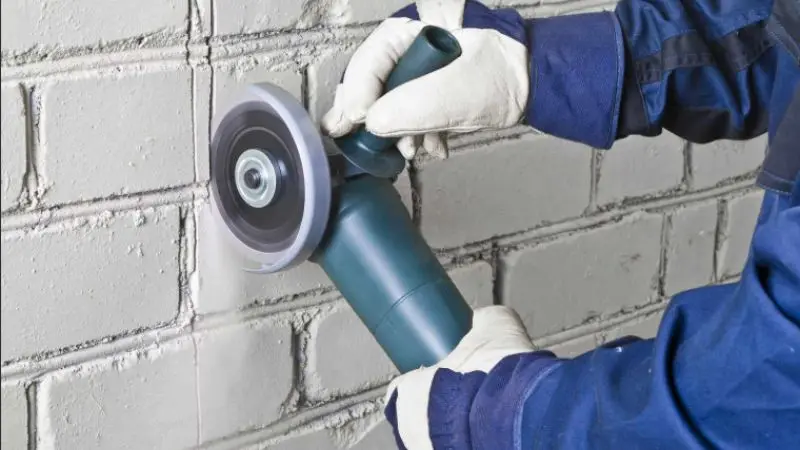
Cutting brick goes quicker and takes less out of you with an angle grinder than with hand tools. Paired with the proper blade, the tool turns out straight edges without much struggle. Still, you have to handle the grinder with care and hold it tight the whole time you cut.
Pick the Right Diamond Blade for Masonry
Pick out a diamond blade intended specifically for masonry work. Blades built for wood or metal will not work properly on brick. Rather than slicing like a conventional blade, diamond grit wears through the brick by grinding. Check the label to make sure the blade is rated for brick, masonry, or concrete. For bigger projects, a wet saw equipped with a diamond blade is another solid option. The water keeps dust down while keeping the blade from getting too hot.
If you are just figuring out how to cut brick for beginners, sorting out the right blade comes first. A continuous-rim diamond blade tends to leave a cleaner edge on thinner brick. Bring the blade up to full speed before it meets the brick, then work in shallow passes. Do not try to muscle the blade through the cut. Keeping your pressure even gives you cleaner control and stops the blade from getting too hot.
Get Your Cut Line Clearly Marked
A well-marked line keeps the blade where you want it and cuts down on errors. Pull your measurements on the brick carefully using a tape measure. Lay the line down using either a marker or a pencil. When cutting thinner stock, put your mark on both faces of the brick. Doing that makes it easier to stay on line and keep the face square. Do not switch on the grinder until you have spent real time measuring and marking, especially if you are learning how to cut brick for a DIY project.
Set the brick on something solid and, if you can, clamp it down so it cannot shift. Put on safety glasses, heavy gloves, and an appropriate mask to keep the dust out. Switch the grinder on and give it time to get all the way up to running speed. Bring the edge of the blade down carefully right along your layout mark. Keep your hands steady and do not force the tool; let the wheel cut at its own pace. If you have not done this before, run a test cut on an offcut brick first.
How Do You Cut Brick With a Saw
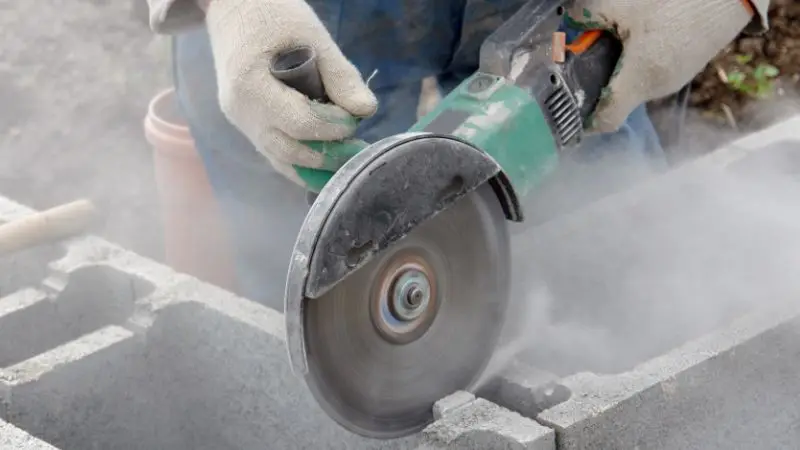
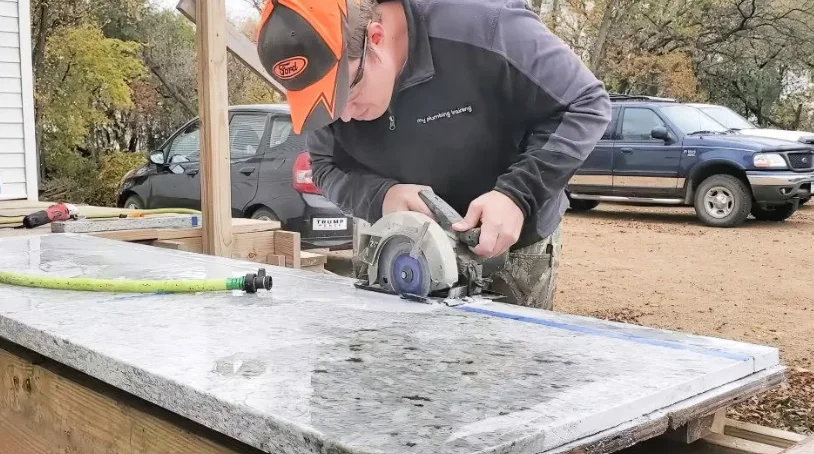
Compared to chisels and hammers, a saw gets the job done quicker and leaves a truer edge. This is the right approach if you want dead-straight lines or have to churn out matching lengths. Pick out a saw equipped with a diamond-grit masonry blade, and get your brick ready before making the cut.
Choose the Right Saw and Blade
Pick a circular saw, masonry saw, or wet table saw rated to handle brickwork. Mount a diamond blade that is clearly rated for concrete, brick, or general masonry work. Never attempt this with a wood-cutting or metal-cutting wheel. Because diamond abrasive grinds the material rather than tearing it, the resulting edges come out far cleaner.
For bigger workloads, a wet cutting saw pays off because the running water suppresses dust and keeps the blade from overheating. Beginners learning how to cut brick should practice first with a basic straight cut on an offcut. Make sure the blade is tightly seated before you switch the saw on. Move steadily and keep your pressure light when working with thin brick. Do not push the blade harder than it wants to cut.
Measure and Mark the Brick
Take the dimensions of the installation opening before you make a single cut. Draw your cut line using a tape measure paired with a pencil or marker. Marking both faces of a thin brick will help ensure the cut stays true. Factor in room for the mortar joint if your layout requires one. Marking accurately like this is a key step in how to cut brick for a DIY project.
Set the brick on a solid base and clamp or brace it so it cannot shift during the cut. Put your safety goggles, heavy gloves, and dust mask on before you begin. Verify that the water reservoir is full and feed the blade steadily if you are running a wet saw. Abide by the tool maker’s safety recommendations at all times.
Cut the Brick With the Saw
Set your marked brick firmly down on the saw bed or another rock-solid surface. Switch the saw on and let the diamond blade spin up to full speed before touching it to the brick. Feed the brick into the blade slowly, staying right on the line you drew.
Keep your pressure consistent and let the blade do the actual work. Rushing the brick into the blade puts unnecessary load on the tool and tends to chip the cut. If you are using a wet concrete saw, make sure the water feed runs the entire time you cut. This keeps the blade from overheating and helps cont
Wrap Up
Your cuts will be cleaner and easier to pull off if you pick the right technique from the start. Manual tools suit smaller tasks fine, but bigger jobs call for saws and other power gear. Safety goggles, gloves, and a dust mask should always be worn whenever necessary. Take the time to measure and mark each brick accurately before you cut into it.
Push with an even hand and let the tool take the strain. If you’re tackling how to cut brick at home for the first time, try a few practice runs on scrap material. Taking your time and using the proper gear will teach you how to cut a brick without damaging it, leaving you with neat cuts for your DIY project.
FAQs
What are the best concrete saws for cutting pavers and patio stones?
You can get good results with the MK Diamond MK-101, the DEWALT DWC860W, or a wet masonry table saw. Running a wet diamond blade keeps dust down, leaves a cleaner cut, and helps stop patio stones from chipping.
What are the safest concrete saws for beginners and what features should I compare?
If you are new to this, look at compact masonry saws or the DEWALT DWC860W. Look closely at blade guards, easy-to-manage weight, water hooks, dust removal, secure handles, overload shutoffs, and easy-to-follow directions.
What are the best concrete saws for small basement projects and indoor use?
For smaller tasks, look at the DEWALT DWC860W, the Makita 4100NHX1, or compact electric masonry saws. To keep indoor dust and mess down, stick with electric saws that have water delivery or proper dust extraction.
Which concrete saws are easiest to transport and load into a truck — top lightweight models?
Good lightweight options are the Makita 4100NHX1, the STIHL TS 420, and small handheld masonry saws. If you plan to haul the saw around often, look at its total weight, blade size, handle setup, and how much space it takes up before you buy.
What are the best concrete saw accessories to buy as a starter kit and which saws are compatible?
A basic starter setup needs matching diamond blades, safety glasses, ear protection, water hookups, dust extraction, and a respirator if conditions call for one. Make sure each accessory matches your saw model, arbor size, and blade dimensions.