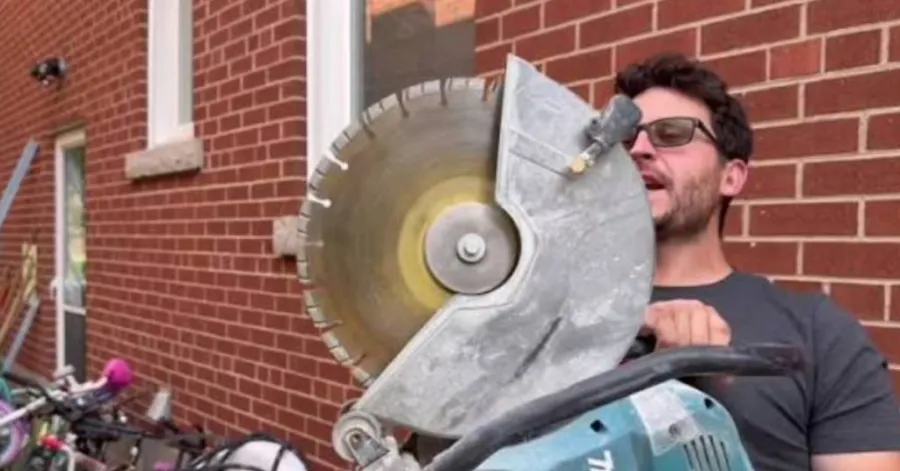
Replacing the concrete cutting blade on a walk-behind saw comes down to unplugging the spark plug, taking off the blade guards, unbolting the arbor, and putting on the new blade. A concrete cutting blade, in simple terms, is built specifically to chew through tough surfaces like concrete, asphalt, and masonry.
As long as you follow the correct procedure and put on the proper safety gear, you can take care of this yourself. Working around a walk-behind concrete saw means safety has to be your top priority. Before you lay a finger on the blade, make sure the spark plug wire is disconnected every single time. Keep safety glasses and heavy-duty work gloves on through every step of the job. This guide covers walk-behind saws and walk-behind saws alike. Follow each step for safe concrete cutting.
Table of Contents
What You Need Before Replacing the Saw Blade
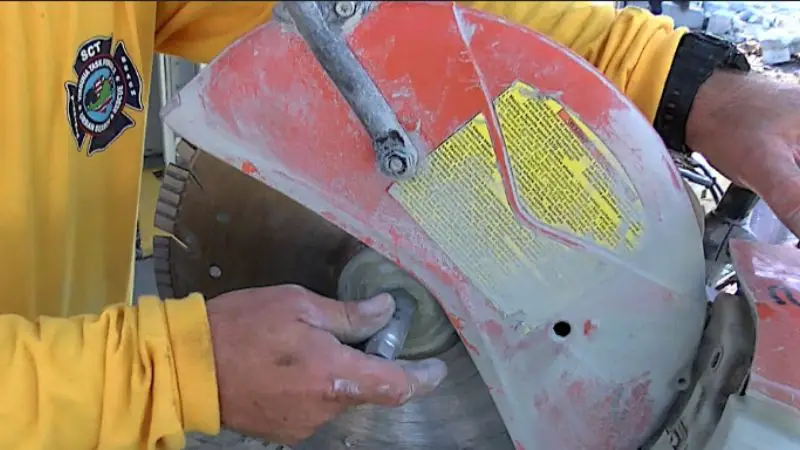
Get every tool and piece of safety gear together before you start changing out a blade. Picking the proper blade matters just as much, since cutting performance and safety can both suffer if the size or type is wrong.
Recommended For Your Project
Tools and Equipment
Have your tools laid out before you begin swapping the blade. Find a wrench that matches the arbor bolt on your walk-behind concrete saw. A socket or combination wrench works on most models, though the saw itself dictates the exact size. Consult the owner’s manual prior to taking out the bolt. Grab a piece of scrap wood or a wooden block, too, so the blade won’t turn as you back the bolt out. Use a wire brush to clear concrete dust and grime off the arbor area. Have a clean rag and a soft mallet close at hand. Put on safety glasses, heavy-duty gloves, and a dust mask every time you work near the blade or the dust it kicks up.
How to Choose the Right Concrete Saw Blade
Getting the right blade comes down to two things: the saw you have and the concrete you are cutting into. Start by looking at blade diameter and arbor size if you are not sure how to pick a concrete cutting blade. The saw’s spindle has to fit the arbor hole precisely, and you cannot exceed the tool’s maximum blade diameter. A diamond blade is what people typically reach for on the majority of concrete jobs. Blade bond has to pair up with the concrete you are cutting, too. Green concrete cuts well with soft-bond blades, whereas abrasive or cured slabs call for different bond types. Pay attention to segment height, too. You get extra cutting life out of taller segments, though they tend to carry a higher price tag.
Here is a quick reference for matching blades to tasks:
| Job Type | Recommended Blade |
| Cured concrete | Standard diamond blade |
| Green concrete | Soft-bond blade |
| Reinforced concrete | Segmented blade |
Give any new concrete cutting blade a thorough once-over before putting it on the saw. Check for hairline cracks, detached segments, or any other visible flaws. If a blade is damaged, do not put it on the machine; it could shatter once you start cutting. Confirm that the blade’s specs match what is listed in your saw manual before you run it. Running a walk-behind concrete saw safely depends a great deal on picking the right blade and inspecting it thoroughly.
How to Replace a Concrete Cutting Blade on a Walk-Behind Saw
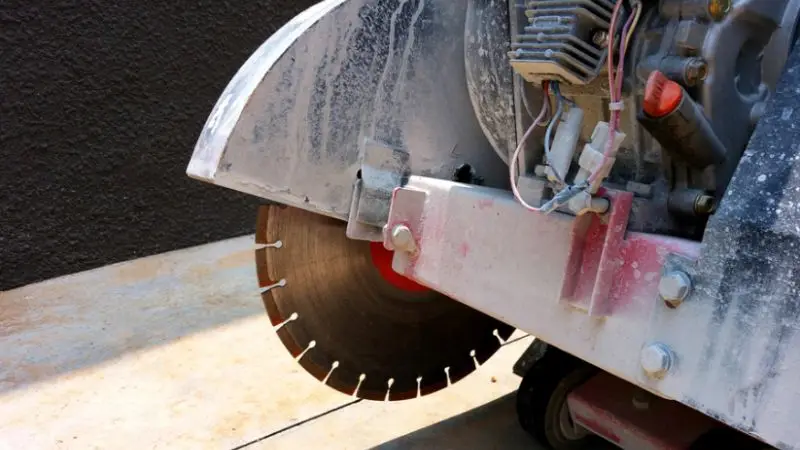
Blade changes demand real caution since your hands are right next to heavy machinery and sharp metal edges. Go through the steps in sequence, and refer to your saw‘s manual every time for directions specific to your model.
Step 1: Turn Off and Secure the Walk-Behind Saw
Set the walk-behind saw down on level, solid ground. Switch the engine off and wait until the entire unit has cooled down. You can easily burn yourself on a hot engine block or muffler. After that, pull the rubber boot off the spark plug to detach the wire. Tuck that wire far enough back from the terminal that the motor cannot fire up by mistake.
Look the whole concrete saw over for existing wear or breaks before unbolting the blade. Inspect the belt, the water supply line, all mounting bolts, and the guard over the blade. Check that the guards are firmly mounted and that nothing is cracked or rattling loose. Spending two or three minutes on an inspection now can save you headaches while changing the blade.
Step 2: Put on the Right Safety Gear
Put on a pair of heavy-duty work gloves before you touch the blade. Thin gloves will not protect you against cuts from the diamond segments and sharp metal edges. Keep concrete dust and stray metal grit out of your eyes by wearing safety glasses. Wearing a dust mask helps cut down on how much fine concrete powder you breathe in. Loose dust turns the ground slick, so pick heavy-duty work boots with reliable traction.
Skip anything baggy and take off jewelry that could get pulled into moving parts. If your hair is long, tie it behind you before you begin. Safe operation of any walk-behind concrete saw begins with putting on the right protective gear. This job requires you to touch a concrete cutting blade and work right up against the arbor. Work at a steady pace and be mindful not to let your fingers brush against sharp edges. Do not try to cut corners on these safety measures.
How to Install a Diamond Blade on a Concrete Saw
Take a good look at the new blade before putting it on, once the old one is off. To run properly and without risk, the electric concrete saw needs a blade with the right diameter, arbor size, and rotation direction.
Check the Blade Direction
Check the new diamond blade before you mount it to the tool. Find the directional arrow stamped on the blade surface. That arrow points to which way the blade is meant to turn. The rotation of the blade has to align with the spin of the saw’s spindle. Look up your specific model in its manual to verify which way the spindle turns. Never assume a standard clockwise or counterclockwise spin, since directions vary by model.
Mounting the blade backward risks poor cutting performance and uneven wear. The diamonds along the segments have to strike the concrete going the right way. Running the blade backward also risks unwanted wobble or extra vibration while working. To cut concrete with a diamond blade safely, always follow the blade’s rotation arrow and the concrete saw manufacturer’s instructions before tightening the arbor bolt.
Match the Blade to the Saw
The arbor bore on the replacement blade has to fit the spindle of your saw. If the hole is oversized, the blade will sit crooked; if it is undersized, it simply will not slide on. Look up the arbor diameter in the saw‘s manual before you pick out a blade. Blade diameter matters just as much. Do not ever mount a blade that exceeds the saw‘s rated maximum size. You might get away with running a smaller blade, but you will lose cutting depth.
The material you are cutting dictates the style of blade you need. Cured concrete usually calls for standard diamond blades, whereas green concrete needs soft-bond blades and reinforced slabs often respond best to segmented rims. Wipe any grit, grime, or raised metal burrs off both the arbor and the flange surfaces. Set the blade flush against the inner flange. Before tightening anything down, verify that the blade sits dead flat with zero gap behind it.
Wrap-Up
Swapping a blade on a walk-behind saw is straightforward enough if you stick to the procedure. Shut the engine off, lock the saw in place, put on your PPE, take off the worn blade, and mount the replacement properly. Verify the rotation arrow points the right way, then torque the arbor bolt to the exact spec in your manual. Do not run any concrete blade that shows visible damage, cracks, or loose fitment. Give the blade a close look and clear out the arbor housing whenever a cut is finished. Sticking to these basics keeps your cuts safe and ensures the concrete saw is ready to go next time.
FAQs
What are the pros and cons of walk-behind concrete saws versus hand-held concrete saws?
Because they cut deeper and track straighter without requiring as much muscle, walk-behind saws suit slabs and extended joints best. Hand-held saws cost less, weigh less, and get into tight spots or handle quick trimming with less hassle.
Which concrete saws are easiest to maintain and repair for DIY users?
Basic hand-held cut-off saws and uncomplicated gas walk-behind units usually demand the least effort to keep running. DIY maintenance and standard fixes go smoother on machines with open engine layouts, simple blade mounts, and readily sourced spares.
Compare blade types: which blades work best on different concrete mixes and which saws use them?
Cutting concrete almost always calls for diamond blades. Hard concrete needs a soft-bond blade, whereas softer, more abrasive mixes usually cut better with a harder bond. The arbor dimensions and blade diameters differ between walk-behind models and hand-held units.
Which concrete saws have the longest blade life — list models known for durability?
How long a concrete cutting blade lasts hinges largely on the concrete mix and aggregate, your cut depth, water volume, and the quality of the blade itself. Long-lasting options built for pros include the Husqvarna FS 400 LV, the FS 400 LV S, and equivalent floor units from Wacker Neuson and Multiquip.
Which concrete saws offer the best user reviews for ease of setup and operation?
The Husqvarna FS 400 LV serves as a prime example of an uncomplicated, easy-to-run saw. Positioning the saw and making cuts feels more manageable thanks to balanced weight, a retractable handwheel, an integrated depth gauge, and adjustable grips.