The following seven concrete brick cutting methods can produce neat, precise cuts: angle grinder, circular saw, wet saw, chisel and hammer, masonry cutoff saw, block splitter, and professional cutting services. Choose the method that is suitable for your project and skill level. Safety is of paramount importance. Ensure that the proper safety gear is worn and all steps are carefully followed. With the right equipment and proper preparation, it is possible to cut concrete bricks accurately. How to cut concrete bricks without a saw? Using the proper tools and following the correct steps can help you achieve better results while staying safe.
Protective clothing and setting up the work area are as critical as selecting the appropriate cutting tool. This guide will show you 7 safe and effective ways to cut concrete bricks, the required tools, step-by-step cutting instructions, and practical safety tips. At the end, you will know which method is most appropriate for your project and how to cut clean, precise cuts with confidence.
Table of Contents
Essential Safety Equipment Before Cutting Concrete Bricks
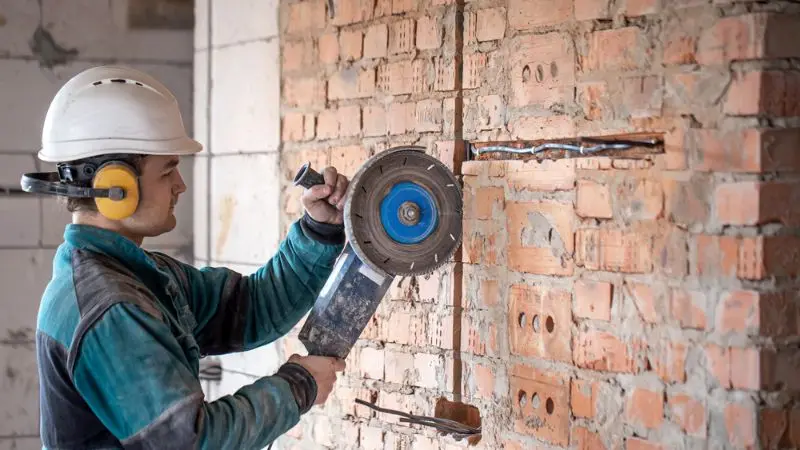
Use appropriate safety equipment before cutting concrete blocks to prevent injuries from flying debris, noise, and dust. Use steel-toe boots, heavy-duty gloves, an N95 dust mask or other respiratory protection, ear protection, and safety goggles. Also, establish a safe, clean, dry, and well-lit work area free of hazards to prevent accidents and to cut safely and efficiently.
Recommended For Your Project
Eye, Ear, and Respiratory Protection
When cutting, make sure that eyes, ears, and lungs are protected first. Concrete dust is harmful to the human body. Wear protective glasses to avoid dust or small particles getting into your eyes. Cutting tools are noisy; wear ear protection (ear muffs or earplugs). Use a dust mask or a dust-mask respirator to avoid inhaling dust particles. These are all measures to keep you safe and healthy. It poses special dangers to the eyes when concrete bricks are being cut. Concrete, stones,s and dust are capable of flying rapidly through the air in small fragments. A particle can scratch the eye or hurt it. How to Cut The Concrete Bricks perfectly? Safety Goggles create a barrier that stops dust and other particles from entering the eyes. If you have a clear view, you’ll be able to follow the cutting line, resulting in cleaner, more accurate cuts. Use a particulate respirator that has a particulate filter (N95 or higher).
Choosing the Right Gloves and Footwear
When cutting concrete bricks, always wear sturdy gloves and shoes. Gloves to protect hands from sharp edges and rough surfaces. Select construction site gloves. Choose shoes or boots with sturdy soles and closed toes. If a brick falls on your feet, steel-toed boots will offer extra protection. When it comes to shoes and boots, the ones that keep your feet safe, sound, and stable are the best.
Recommended gear:
-
- Heavy-duty work gloves
-
- Heavy-duty shoes or steel-toe shoes.
Preparing a Safe Work Area
Set up the work area before beginning work operations. Clear away trip hazards. Ensure that the ground is flat and dry. Avoid children and pets. Keep tools within easy reach. Lighting will help you see what you are working with! When cutting concrete blocks, always take safety precautions to avoid injuries. The main benefit of setting up a safe work area is improved safety. The least desirable method of cutting concrete bricks produces dust, noise, and flying debris. Objects, cords, or other materials can get in the way in your work area, making it hard to balance or to operate the power tool. It becomes easier to move around safely, and the risk of accidents is reduced when unwanted objects are removed. A tidy and well-organized work area will help prevent slip-ups and mistakes.
Tools Used for Cutting Concrete Brick Methods
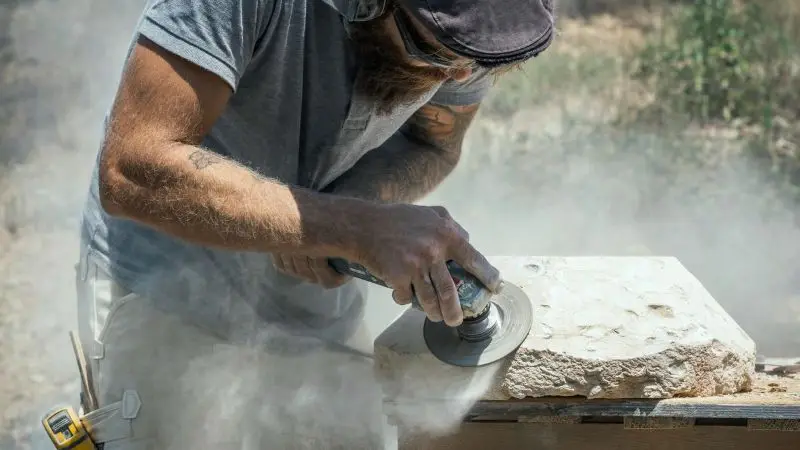
When cutting concrete bricks safely and accurately, it is important to use the proper tools. They come in a variety of forms, such as an angle grinder, a masonry circular saw, a wet tile saw, a brick chisel and hammer, a masonry cut-off saw, and a block splitter, depending on the size of the project and the cuts you want to make. Choose the right tools for the job and for the skill level to get the job done accurately and cleanly.
Angle Grinder with Diamond Blade
A small or medium-sized angle grinder can be used. Easy to use and cuts both straight and curved cuts. How to use an angle grinder to cut concrete bricks? The concrete brick is easily cut with the diamond blade on the angle grinder. To hold the angle grinder, use both hands for better control. The angle grinder will produce dust and noise, and safety equipment should be worn. Concrete Bricks are a heavy, high-strength material that conventional blades cannot easily cut. A diamond blade is made up of small diamond particles, which form a very sharp and durable edge. This allows the blade to glide through concrete blocks easily and effectively. Users will be able to cut faster and make higher-quality cuts. It is also very useful as it offers good control. Angle grinders are smaller and easier to handle than larger cutting machines.
Masonry Circular Saw
A masonry blade on a circular saw provides straight, accurate cuts. Use a circular saw if you have more extensive work to do or are cutting lots of bricks. How to cut concrete bricks without a saw? This circular saw is suitable for dry and wet cutting. Be sure to get a circular saw with adequate power for concrete bricks. Be sure to confirm the blade’s sharpness on your circular saw and that it is designed for masonry.
Why would you want to use a circular saw?
-
- Quick and sharp for long, straight cuts
-
- It’s easy to change the depth of the cut
-
- Assists in guides for increased accuracy
Wet Tile Saw
A wet tile saw is a tile saw operated with water to cool the saw blade and eliminate dust. Smooth and clean cuts can be made with a wet tile saw. Ideal for indoor projects or reducing dust. How to hand-cut concrete bricks? A wet tile saw is recommended for decorative bricks or thin bricks. Dry concrete cutting can create a significant amount of fine dust that can be spread across the work site. This dust can make it hard for people to see the cutting line and can irritate their respiratory systems. The wet saw cutting method retains most of the dust from becoming airborne. The work site is still cleaner, with less dust around people, equipment, and buildings. A wet saw can help you cut more cleanly, make it safer, and protect your health. There is no overheating of the blade because water is present. This approach is suitable for large jobs.
Brick Chisel and Club Hammer
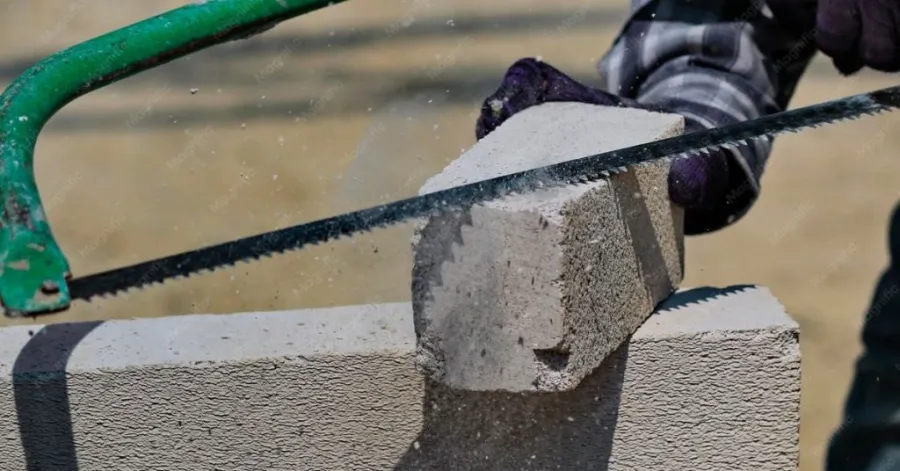
Using a brick chisel and a club hammer is suitable for simple jobs. Starting with the brick, mark the score with the chisel. Then, tap it with the hammer to split the brick. This method doesn’t require power tools. It can be used if you need only a few cuts or don’t need much sound. This technique is particularly applicable to small-scale cutting jobs. If you only need to cut a few concrete bricks, power cutters may not be necessary. Use a chisel and a hammer to make fast repairs, modify brick for landscaping, or make small changes while building. This will save time as there is no need to set up the large machines or electrical connections. Only a brick chisel and a club hammer are the safest tools for cutting concrete bricks. Manual operation is more suitable for noise-sensitive areas.
Masonry Cut-Off Saw
A masonry cut-off saw is a heavy-duty saw for large projects. Can be used for thick bricks or blocks. The cut-off saw is used for cutting to a depth and cuts quickly. This tool is recommended in situations where numerous bricks are to be cut quickly. A masonry cut-off saw is specifically designed to cut these difficult materials. It is a motorized machine with a robust diamond blade, ensuring that it can cut through thick bricks and blocks efficiently. This is particularly useful for large-scale projects. Many concrete bricks need to be cut; using a small hand tool can be time-consuming and labor-intensive. The masonry cut-off saw is better controlled than using a hammer and chisel to break the bricks. Users can more easily follow marked cutting lines and make cleaner edges.
Block Splitter
A block splitter is a tool that uses a lever to split bricks. How to cut concrete bricks without a saw? A block splitter will make quick,k coarse cuts. This is the best tool for outdoor projects, or if you are not looking for a smooth edge. A block splitter comes in handy for outdoor work. Shearing of concrete pavers, bricks, or blocks is common in many landscaping projects, such as forming walkways, patios, garden borders, and retaining walls. These projects are frequently conducted outdoors, and an on-site block splitter is an ideal solution as it does not require an electric connection. The user can take the tool to the work area and begin cutting right away. Always use the right tools for the right job, and the right tools for yourself. The right tool makes for the best results.
Best Cut Concrete Brick Methods for Every Project
This is where the best cut concrete brick method varies from project to project, depending on project size, desired finish, and level of experience. From angle grinders and circular saws to wet saws, chisels, block splitters, and pro cutting services, there is a variety of options, each with its own benefits. By using the recommended technique and adhering to safety precautions, you can ensure clean, accurate, and efficient results.
Cutting with an Angle Grinder
Concrete blocks can be cut with an angle grinder for quick, easy cuts. The tool is suitable for small work or for making detailed cuts. How to use an angle grinder to cut concrete bricks? Grip the grinder and slowly run it over your marked line. Make sure to wear safety equipment, as dust and noise will be produced during this process. This is a popular instrument because of its speed and control. Use an angle grinder too – it will give you great control. An angle grinder is significantly smaller, lighter, and easier to use than larger cutting equipment. Users can more accurately direct the tool along a marked cutting line. This is beneficial for projects that demand precision, like cutting bricks, positioning pavers, or trimming in hard-to-reach areas.
Using a Circular Saw with a Masonry Blade
Using a circular saw with a masonry blade will produce straight, clean cuts. This can be used for larger projects or to help cut many bricks. Adjust the blade depth before starting. Slowly push the saw to prevent chipping of the brick. It is one of the most commonly used techniques to cut concrete bricks for home use. How to properly cut concrete bricks? A marked line can be easier to follow with a circular saw, helping ensure cleaner edges and better-fitting pieces. Precise cuts help minimize material waste and provide a more professional look. This is made possible by the key feature of the masonry blade, which makes it better suited for cutting concrete bricks. Standard saw blades are not meant for hard materials and can be damaged or ineffective.
Cutting with a Wet Saw
A wet saw uses water to keep the blade cool and to minimize dust. This tool can be used to make smooth and accurate cuts. If you are working inside or don’t want your work surface to be dirty, use a wet saw. This technique is often used to cut concrete and produces a shiny surface. Concrete bricks are rigid materials, and can be chipped and cracked if cut the wrong way. A wet saw is the easiest way to cut concrete bricks and provides a steady cutting action that minimizes damage and produces cleaner edges. This is particularly beneficial where the surface to be cut will be exposed in the finished work, for example, when designing brick walkways, garden layouts or decorative fittings. One of the most significant benefits of using a wet saw is the water cooling. Another advantage of a wet saw is better cutting accuracy. The constant blade motion and the cooling effect of water enable users to direct the tool more easily along marked lines.
Scoring and Splitting with a Chisel
A line can be scored into concrete, and then tapped with a hammer and chisel until the concrete cracks. This approach does not require any electric power. Useful for small jobs or if you don’t want to hear as much noise. This is the method for beginners since it is simple and safe, a very novice-friendly approach. You are going to work at a slower speed than with power tools, so you have time to concentrate on the individual steps of your task. The cutting line can be carefully marked, and the brick can be carefully scored and struck with a hammer to create a split if desired. This is a slower process that allows new users to easily and comfortably master the fundamentals of concrete brick cutting. The hammer and chisel produce less noise and are better suited to residential neighborhoods or areas where noise levels are critical.
Using a Masonry Cut-Off Saw
For thick bricks or blocks, use a power saw to cut concrete. How to cut concrete bricks without a saw? The masonry cut-off saw cuts deeply and quickly. For large projects or to cut many bricks quickly, use this tool. Take all safety precautions; this is a powerful saw. A masonry cut-off saw is more controllable than manually breaking the brick with a hammer and chisel. Marked cutting lines are now easier for users to follow, and edges are cleaner to create. A masonry cut-off saw is a large machine for large projects. It can be used to make thick bricks or blocks. The cut-off saw makes fast, deep cuts. This tool is useful for rapidly cutting many bricks. The masonry or stone cut saw is a specialized machine designed for use on hard surfaces such as masonry. With its powerful motor and hard diamond blade, it can quickly and efficiently cut through heavy brick and block walls.
Splitting with a Block Splitter
To make a quick and rough cut in concrete, use the block splitter. Load the brick into the splitter and pull the lever. The brick snaps right where you drew the line. The brick snaps right at your line. It works well for outdoor projects or if a level edge is not required. How to make a clean cut in concrete brick? A block splitter is particularly useful for exterior jobs or projects. When landscaping projects involve adding walkways, patios, garden borders, and retaining walls, they often require cutting concrete pavers, bricks, or blocks. A block splitter is a helpful solution for these projects, as they may be done outdoors and require no electricity. Users can take the tool directly to the work site and begin cutting right away. Always select the correct tool for the job and your capability. The right tool will give you the best results.
Hiring Professional Cutting Services
If it’s a large or complicated project, you can hire people to do it. They use advanced concrete brick-cutting techniques and appropriate equipment to cut concrete. This is the decision you will make that will save you time and ensure clean, precise cuts. Professional help also saves lots of time. The simplest approach to making cuts in concrete bricks is to measure and mark the areas to be cut, set up cutting tools, cut the bricks, and clean up the space after the work is completed. This process can take many hours or even days for large projects. Professional cutting services can do the job considerably more quickly since they have the proper tools and experience in the craft. In this way, you can concentrate on other aspects of your building or landscaping project. For optimal results, always match the method to the project’s size and skill level.
Step-by-Step Guide to Cutting Concrete Bricks

Proceed step by step to make accurate and safe cuts in concrete bricks. The first cut should be made by measuring, marking the cut line, and taking the brick to make a shallow cut to secure it, then making progressively deeper cuts until a clean edge is produced. Lastly, smooth any rough edges for a more aesthetically pleasing appearance and to make the brick easier to handle.
Measure and Mark the Cut Line
Measure the brick where you plan to cut to start. Use a tape when measuring. Mark the line with pencil/chalk. How to hand-cut concrete blocks? A straight line will be useful for guiding through the concrete cutting process. Be sure to double-check the measurements before proceeding. You can also see where you are cutting (the cut line will be marked). If you select a pencil, chalk, or marker and use it to draw a line, you can keep it on the right cutting path as you draw. The line is used to help maintain focus on the job and to ensure straight cuts when using an angle grinder, circular saw, wet saw, or chisel. Unless guided, it tends to wander, leading to uneven results that may be inaccurate.
Secure the Brick Properly
Set the brick on a stable surface. Secure it to prevent it from sliding with clamps or a non-slip mat. A secure brick will help you make a straight cut and remain safe. Do not place the brick in your hands when cutting concrete. How to cut concrete bricks without a saw? Angle grinders, circular saws, and masonry cut-off saws are examples of cutting tools with spinning blades that require control. When the blade contacts the brick and begins to move unexpectedly, the tool may slip or kick back. This means there is a greater chance of accidents and injuries occurring. Using clamps or a stable support on the brick helps you keep it in position and gives you greater confidence when operating the tool. A solid workbench or sawhorse provides more control and security.
Make a Shallow Guide Cut
With the tool turned on, lightly scratch along the line to be followed. Cut into shallow cuts first; this is the easiest way to cut concrete bricks. Starting to cut deeper into concrete can be tricky, and this guide will keep your tool on track. Be patient and don’t rush through this step. The blade may at times deviate from the cut line when it is first put into a concrete brick, particularly if the surface is rough. A shallow guide cut makes a good guide for the blade. This guide keeps the blade within the cut for straighter, more precise cuts as you continue cutting. This can be minimized by using a shallow guide cut to provide a starting point for the blade. This will facilitate control of the tool and a consistent cutting action.
Complete the Cut Gradually
Go over the guide several times. First pass should be just a little deeper; second pass, just a little deeper, etc. Follow the product’s instructions and let it do the job. Do not force it. How to clean cut concrete bricks? Cutting concrete in stages helps reduce cracking and provides a clean edge. Use a chisel and hammer to hit the line until the brick cracks gently. If a blade is pushed through a concrete brick at one time, it may deflect from the marked line. This can lead to uneven or crooked cuts. The blade will follow the guide more easily, cutting a little deeper with each pass so that you can stay on the right path. This promotes better-cut and brick fits. Slowly making cuts helps protect the cutting blade as well. Concrete bricks generate a lot of resistance when being cut.
Wet Cutting vs Dry Cutting: Which Method Is Better?
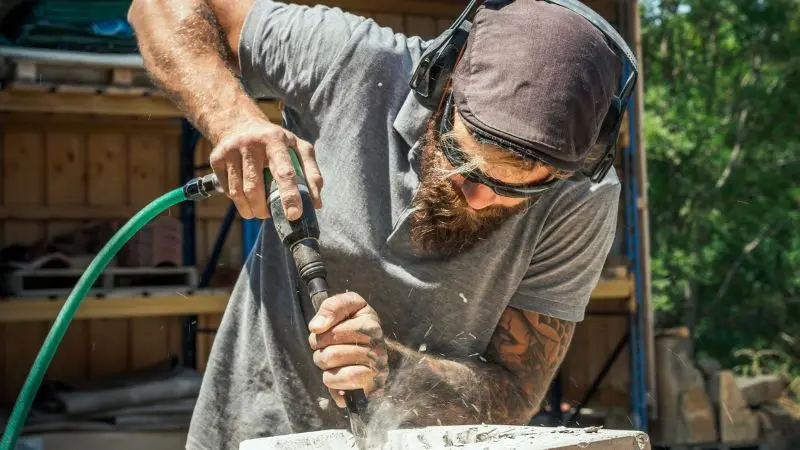
There are pros and cons to wet and dry cutting, depending on your project’s needs. Use wet cutting to minimize dust, maintain a cool cutting temperature and achieve a smoother cut, especially indoors and for precision projects. Dry cutting is quick and easy to set up and more appropriate for outdoor or smaller jobs, but always remember to wear appropriate safety equipment and select the method that suits the job.
Benefits of Wet Cutting
Wet cutting is performed using water, which cools the blade and controls dust. The amount of dust in the air will be reduced, making your workspace safer. Water will also extend the blade’s life. When you cut concrete pavers or concrete slabs, you will want to have smoother edges, so wet cutting is preferable. Wet cutting is used for indoor jobs or for those that require a clean finish. Wet cutting is used when the area needs to be kept clean or when it is safe to cut concrete bricks.
-
- Wet cutting has several advantages:
-
- Reduced dust in the air.
-
- Cooler blade for longer life
-
- Fewer cuts in concrete bricks and pavers
-
- Safes the lungs.
Advantages of Dry Cutting
There is no use of water in dry cutting. They can be set up and ready to go in no time, and tools can be moved with ease. Dry cutting is good for outdoor projects, particularly when cutting concrete pavers or bricks. There is no need to worry about water cleanup. How to cut concrete bricks without a saw? Dry cutting is a good choice for small jobs or for cutting concrete in water-free locations. Use a dust mask when dry cutting concrete to protect your lungs.
-
- Dry cutting has several benefits:
-
- Quick installation and dismounting.
-
- Ideal for outdoor use.
-
- Easy to move tools
-
- Great for fast cuts.
When to Choose Each Method
Wet cutting is best for smooth edges, less dust, and a safer working environment. Wet cutting is recommended for concrete slabs or for work inside. When working outdoors, for small jobs, or when you need to get things done quickly, dry cutting is preferable. How to cut concrete bricks cleanly? You can save time by using dry cutting when cutting concrete pavers in your yard. Care should be taken when selecting the most suitable method for a particular project to ensure the cuts are clean and precise. Safety first, and the right equipment should be used at all times. Do each step carefully to achieve the optimum results. When you’re dealing with a large or complex task, hire a pro to assist you.
-
- Use the appropriate implement to suit the skill.
-
- Always wear safety equipment.
-
- Double-check your measurements.
Wrap Up
The proper cut-concrete brick method will depend on the size of your project, the tools you have, and your level of experience. For example, an angle grinder, a circular saw, a wet saw, a chisel and hammer, a masonry cut-off saw, a block splitter, etc. If not, you need to use the proper technique to get clean, perfect cuts! Always wear appropriate safety equipment and set up the work area before starting work. Measure carefully, secure the brick,k and make slow cuts to achieve the very best. For jobs that require smoothness and low dust, either wet cutting or dry cutting is suitable, but wet cutting is better. For outdoor jobs that need to be done quickly and with minimal dust, dry cutting is suitable. With the right tools and these safe cutting techniques, you can confidently get the job done with concrete brick and achieve professional-quality results.
FAQ
What is the safest way to cut concrete blocks?
Safety gear is always worn, and the proper cutting tools are always used. Before starting, make sure to secure the brick. Please follow the instructions for the method you’re selecting. This will make it easier to cut concrete blocks safely and provide clean cuts.
Is it possible to cut concrete blocks with a non-power cutting tool?
Yes, you can use a chisel and hammer. Tap gently to split the block after scoring the line. One of the oldest ways of cutting concrete. It is suitable for small jobs and is less noisy.
To prevent dust when cutting concrete, what should I do?
Wet cutting can be done. Water helps to keep the blade cool and minimizes dust. When cutting concrete blocks dry, wear a dust mask. Work in a well-ventilated area to avoid inhaling fumes and vapors, which can harm the lungs.
If my cut is not straight, what should I do?
Before cutting concrete, verify measurements and clearly indicate the line. A guide or straight edge should be used. Work at your own pace and let the tool do the job. Smooth out rough edges with a masonry file if necessary.