A greenhouse heater is a very important device for gardeners who wish to have their plants healthy throughout the year.
These greenhouse heaters save the lives of plants during winter seasons when the weather changes to cold, and it becomes difficult to keep them alive. They will assist you in taking care of your garden, keeping the right temperature, and keeping your plants green throughout the year.
In this blog post, you will be guided on all that pertains to greenhouse heaters, types of heaters, installation, and the right size and model of the heater to use to ensure your plants are fresh throughout the year. Let’s get into it.
What is a greenhouse heater?
A greenhouse heater is a gadget that is meant to keep the temperature constant in your greenhouse, particularly when the weather is cold or unpredictable.
It keeps your plants growing even when the outside temperature is lower than the usual temperature zone. It aids in avoiding frost damage and contributes to the healthy development throughout the year.
These heaters establish a controlled climate that establishes the best growing conditions of vegetables, flowers, or plants. Plants can grow in all seasons in any place provided that they receive good temperatures to grow. It is thanks to these greenhouse heaters that we have crops all year round.
Regardless of having a large greenhouse or a small backyard garden, the most important thing in achieving the same is a reliable small greenhouse heater that will ensure the plants are healthy and productive at all times.
Why do you need a greenhouse heater?
A healthy greenhouse is one that requires a warm and humid climate. Plants can be subjected to temperature changes, growth can be slowed down or even killed by the lack of a heater, which is sensitive to certain species.
The reason why a greenhouse heater is a good investment for you is that:
- Avoids frost and cold shock: In winter or early spring, plants in unheated greenhouses may be subjected to freezing. A large number of plants requiring warm temperatures will perish.
- Favors seed germination: It is often necessary to have a stable, warm temperature in order to germinate many seeds. A greenhouse heater will assist you in keeping the temperature constant and ideal for seed germination.
- Facilitates healthy growth: Nearly all plants require a warm climate to efficiently absorb nutrients at the early stages of growth.
- Prolongs growing seasons: It is easy to grow vegetables such as tomatoes, peppers, or orchids even during colder seasons. In case you have a greenhouse heater, you do not have to wait to have the right season to produce a crop.
- Secures investments: Some plants are highly sensitive to the temperature and require special attention. When you have taken the time and resources to grow such rare or delicate plants, then it is necessary to keep the perfect conditions. The only way to save your investment is to use a greenhouse electric heater.
With a greenhouse heater and a thermostat, you are able to control the temperature accurately, and this will guarantee you have the best growing conditions all year round.
Types of greenhouse heaters
Greenhouse heaters come in a variety of different types, with each providing its own advantages depending on the size of your greenhouse, your budget, and your energy requirements. We should talk about them separately to be able to select the most suitable one:
Electric Greenhouse Heater
A very popular choice of heater is an electric greenhouse heater, whether small or large. It is hygienic, secure, and simple to set up. All you have to do is plug it in and you are set to go.
Electric heaters distribute heat evenly and can be paired with thermostats for automatic temperature regulation. Models like the greenhouse heater with thermostat offer overheat protection, two-speed settings, and powerful heating suitable for small to medium spaces.
Pros:
- Easy to use and install
- No emissions or fumes
- Low maintenance
Cons:
- Requires a consistent power supply
- May increase electricity costs
Gas Greenhouse Heater
Gas heaters use natural gas or butane to produce heat. They are ideal for larger greenhouses where electricity might be costly or unavailable.
Pros:
- Suitable for large-scale greenhouses
- Heats up quickly
- Cost-effective for long-term use
Cons:
- Needs proper ventilation
- Requires regular maintenance of gas lines
Propane Greenhouse Heater
A propane greenhouse heater is efficient and portable, making it perfect for gardeners who need flexibility. Propane burns cleanly, providing strong, consistent warmth without relying on electricity.
Pros:
- High heat output
- Works during power outages
- Portable and flexible
Cons:
- Requires propane refills
- Needs ventilation to prevent moisture buildup
Radiant Greenhouse Heater
Radiant heaters work by directly warming plants, soil, and surfaces rather than the surrounding air. This method is efficient for small or specific sections of a greenhouse.
Pros:
- Direct heating for plant areas
- Energy-efficient
- Minimal air movement (reduces heat loss)
Cons:
- Limited coverage area
- May require multiple units for larger spaces
Solar Greenhouse Heater
Greenhouse solar heaters are an eco-friendly option that takes renewable energy from the sun to warm your greenhouse. They’re ideal for gardeners who want to reduce their carbon footprint and save on energy costs.
Pros:
- Uses free, renewable solar energy
- Environmentally friendly with zero emissions
- Reduces long-term operating costs
Cons:
- Depends on sunlight availability
- May require a backup heat source during nighttime or cloudy days
- Higher initial setup cost for solar panels and storage systems
Despite these drawbacks, a greenhouse heater solar setup is perfect for sustainable gardening enthusiasts looking to blend technology with nature. It’s eco-friendly and cost-effective in the long run.
How to choose the right greenhouse heater
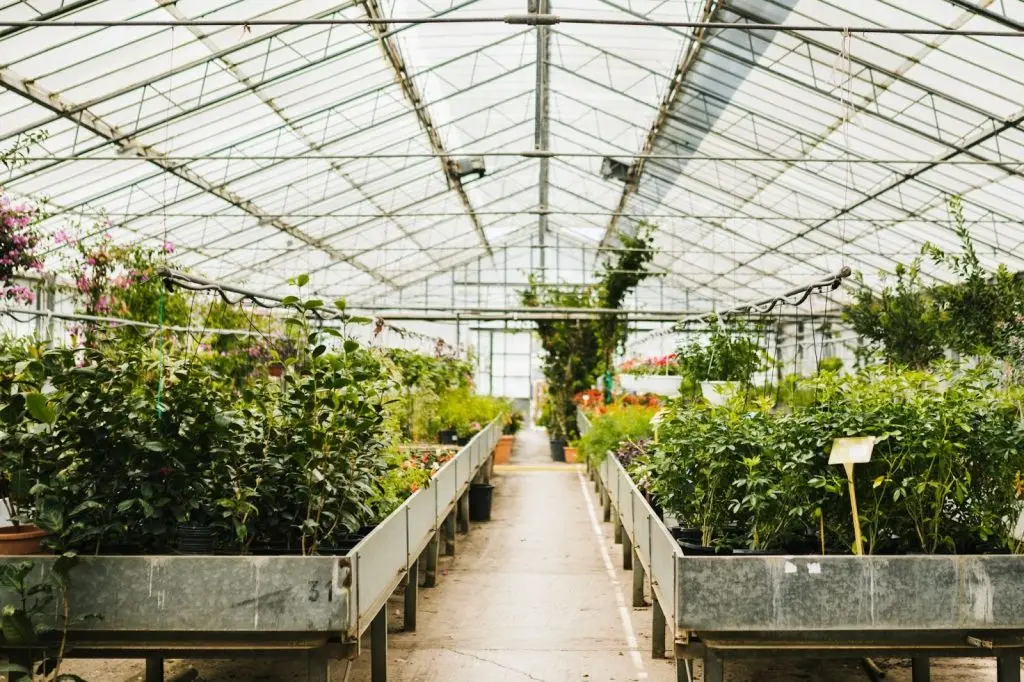
The problem is that it is so exhausting to select the most appropriate greenhouse heater when there are many variants on the market.
Nevertheless, the choice of the most suitable heater is determined by the size of your greenhouse, climate, source of energy, and the needs of the plants. The following are some of the tips that will enable you to select the appropriate greenhouse heater without a headache:
Pick the right type of greenhouse heater
Begin by analyzing your needs. In the case of small indoor setups, a small greenhouse heater or an electric greenhouse heater can be suitable. A gas or propane heater can be used to give you the additional power necessary in case you are in colder climates or have a large greenhouse.
You will be able to find many different models of greenhouse heaters to select which one suits your needs in terms of efficiency, size, and safety.
Calculate the heater size for your greenhouse
You are probably asking yourself what size of greenhouse heater you should have. The size of the heater is significant to ensure a steady temperature.
To know the right size of your greenhouse heater, you have to compute the volume of the greenhouse, the temperature you want to raise the temperature, the insulation, and the outside climate, among others.
Online calculators of greenhouse heater size will work, or you can follow the following steps:
- Measure the total area (length × width × height).
- Determine your insulation quality.
- Use a greenhouse heating calculator or a simple BTU (British Thermal Unit) formula to estimate required heating power.
Excess heat may dehydrate plants, whereas the opposite may happen under cold conditions; thus, correct calculation will provide a balance and energy efficiency.
Compare energy efficiency and running costs
The second thing that comes to our mind when we mention technology is efficiency and its cost. Energy efficiency impacts your utility bills and environmental footprint.
Electric heaters are usually highly efficient in converting energy (nearly 100%), yet they are costly to operate in the long term.
Gas or propane models, on the other hand, might be cheaper to operate but need more servicing and safety inspections. A greenhouse heater solar system may be a long-term investment in case sustainability is a priority and the renewable energy is used to reduce the cost of operations.
Consider Safety, ventilation, and environmental factors
The first thing should be safety. Models that have overheat protection, automatic shut-off, or a thermostat should be selected. Also, make sure that there is adequate ventilation in the event of using a fuel-based heater to prevent the accumulation of carbon.
In case your greenhouse is made of sensitive materials such as polyethylene or vinyl coverings, place your heaters in a safe position so that they are not damaged or exposed to fire.
Setting up your greenhouse heater
Once you have found your perfect greenhouse heater, it’s time to set it up to grow your favourite plants. Installation is the most important step; you should be careful to avoid any mistakes. A correctly installed heater maximizes performance, safety, and plant health.
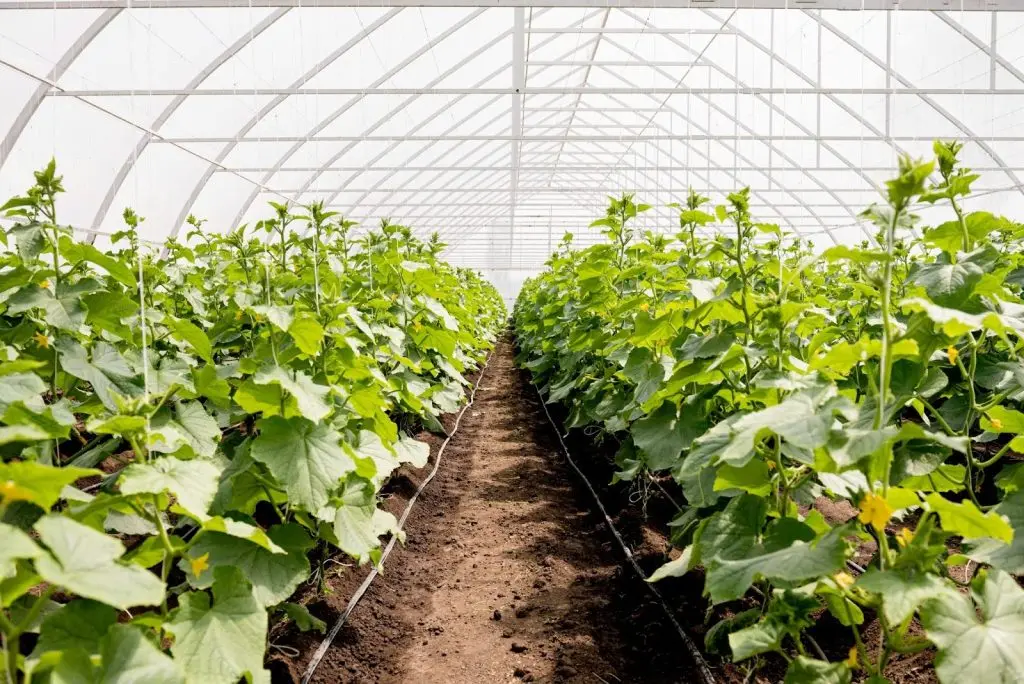
Ideal placement for even heat distribution
The ideal position for your heater is near the coldest area, usually the entrance or the base of the greenhouse. You should avoid placing it too close to plants or flammable materials.
For larger spaces, use multiple small heaters instead of one large unit for more even distribution. A small grow tent heater provides flexible placement options thanks to its portable design.
Using thermostats and temperature controls effectively
A greenhouse heater with a thermostat allows you to automatically maintain consistent warmth. You can set temperature ranges according to plant requirements. For example, tropical plants need a temperature between 70–80°F, while cool-weather crops prefer 50–60°F.
Digital thermostats and timers save energy and reduce the need for constant manual adjustment.
Best practices for safe installation
For safe installation and better results, follow the manufacturer’s guidelines.
- Keep heaters off damp surfaces to prevent electrical hazards.
- Use proper extension cords rated for outdoor or greenhouse use.
- Check wiring and gas lines regularly.
- Install smoke or Carbon dioxide detectors if using gas heaters.
Maintaining your greenhouse heater
The secret of a long life performance is maintenance. A properly maintained greenhouse heater is efficient, safe, and lasts longer over the years. The following are some of the maintenance measures that can be done on your greenhouse heater to enhance its efficiency and longevity.
Regular cleaning and inspection routines
Heating can be lowered by dust and dirt. To perform better, you need to clean vents, filters and fan blades every month to avoid their blockage. In cleaning electric heaters, make sure they are unplugged before cleaning. In the case of gas heaters, make sure that all lines are off and cooled before examination.
Checking fuel lines, wiring, and filters
Fire hazards are caused by fuel spills or broken wires. You are supposed to inspect all connections regularly and change damaged parts as soon as possible. Make sure that your small greenhouse heater is running well and without noise.
Any sound or unusual thermal performance can be an indicator of a mechanical problem that you cannot overlook.
Seasonal maintenance tips to extend lifespan
Just like you should have special treatment in various seasons, so is the case with your heater. You need to check your heater before winter so that it is prepared to be used heavily. It should be kept in a dry and secure place after the growing season to avoid corrosion.
To achieve long-term performance, you can combine your heater with a robust building, such as a walk-in tunnel greenhouse, which is well-insulated with long-lasting protection against bad weather, and your heater will not have to run as frequently.
Conclusion
A greenhouse heater is an important tool to keep your greenhouse plants healthy and productive all year long. There are multiple options available for different greenhouse setups, ranging from small electric heaters to solar-powered and propane models.
But before buying any greenhouse heater, you should consider factors like its size, energy efficiency, cost, safety, and proper maintenance so that you can give your plants a consistent warmth even during freezing winters.
For reliable, high-performance options, explore VEVOR’s greenhouse heater collection. Whether you need a compact, small greenhouse heater, a versatile electric greenhouse heater, or a powerful greenhouse heater with a thermostat, you’ll find durable, efficient solutions designed to protect your plants and your investment.