You may use gasoline tank charts to find out how much gas is in your tank. To find out how much gas is left, you can compare the number on these charts to the amount of gas in your tank. To acquire the right results, you need to know the geometry of your tank and how much room it has. The design can influence the way things are measured. These gadgets can help you keep better track of how much petrol you have, so you don’t run out without warning. This is incredibly important for planning excursions, keeping track of how much petrol you use, and making sure your car or other items always have enough gas to work properly.
This article will explain how gas tank charts work, how to read them correctly, what can alter their accuracy, and how they can help you keep track of your fuel levels, plan trips, and avoid running out of petrol.
What Are Gasoline Tank Charts?
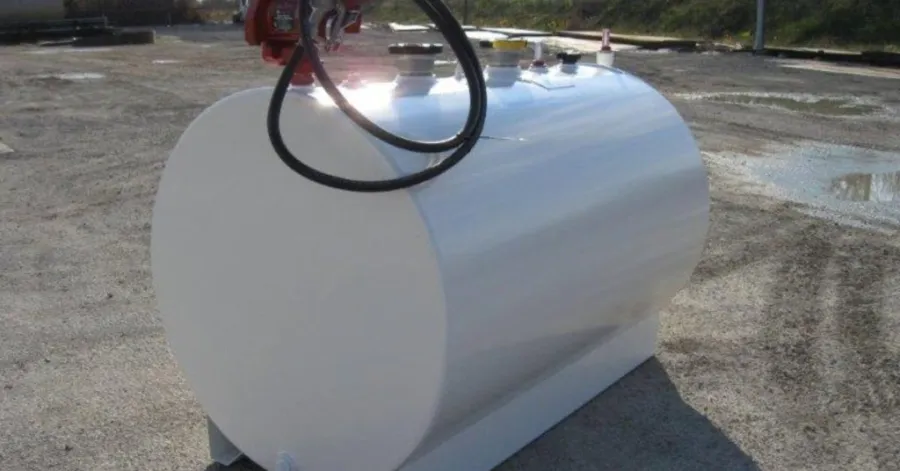
@thrivingcountry The new Diesel Tank from Vevor is the way to go. With a 58 gallon capacity, built in fuel filters, 10GPM pump and 13 foot dispenser hose with an auto cut-off nozzle, you will love it as much as I do. #vevor #vevortools #farm #equipment #fuel #heavyequipment #tractor #thrivingcountry
♬ original sound – Thriving Country
Definition and Purpose of Gasoline Tank Charts
You can determine how much fuel is in a tank by checking how to read gasoline tank charts. These charts show how the height of the fuel affects the total volume. You can see a figure on the chart that matches the amount of gas in your tank. That figure shows you how many liters or gallons you have.
Gas tank charts can be used for tanks of many shapes and sizes. Some tanks are shaped like circles. Some are rectangular. Some have their own shapes. There needs to be a chart for each type.
Tip: Before using a chart, always check the geometry of your tank. For the numbers to be right, the chart has to match your tank.
Why Fuel Tank Measurement Charts Are Important
You should know how much gas you have. Gasoline tank chart for cars help you figure out how much fuel you have without guessing. This is helpful for you:
- Don’t run out of gas.
- Get the proper amount of gas.
- Keep proper records for your business.
- Stop fuel from being stolen or lost.
You can rapidly monitor your fuel level with a chart. You don’t have to empty the tank or use any special tools. You only need to look at the chart and measure the depth.
Industries That Use Gasoline Tank Charts
Every day, many businesses use fuel tank charts. Here are a few examples:
| Industry | How They Use Tank Charts |
| Gas Stations | Track fuel inventory and deliveries |
| Transportation | Manage fuel for trucks and buses |
| Agriculture | Monitor fuel for tractors and machines |
| Construction | Measure fuel for heavy equipment |
| Emergency Services | Ensure backup generators have enough gas |
If you work in one of these fields, you might find these charts useful. You may save money and avoid complications by measuring things correctly.
How Gasoline Tank Charts Work
Understanding Tank Calibration and Volume Measurement
Before you can utilize gas tank charts, you need to calibrate truck fuel tank measurement chart. Calibration involves determining how much fuel can fit at different heights in your tank. You put a certain amount of fuel in the tank and then mark the level. You do this again at other points. Each mark stands for a certain amount. This procedure creates a chart showing the amount of gasoline at a given height. You can look at this chart to see how much fuel you have at any time.
If you move or change your tank, you need to recalibrate. A minor tilt can affect the measurements.
Relationship Between Fuel Level and Volume
The geometry of your tank changes how the volume and gas tank capacity chart by vehicle type level match up. Each inch of height in a rectangular tank usually holds the same quantity of fuel. As you travel up in a cylindrical or circular tank, the amount of fuel per inch changes. The middle holds more fuel per inch than the top and bottom. You need to use the right chart for your tank’s shape. This helps you avoid mistakes when reading the fuel levels.
Here is a simple example:
| Tank Shape | Fuel per Inch (Bottom) | Fuel per Inch (Middle) | Fuel per Inch (Top) |
| Rectangular | Same | Same | Same |
| Cylindrical | Less | Most | Less |
Common Fuel Tank Chart Units: Liters, Gallons & Inches
How to read gasoline tank charts will show you different units. Most charts provide fuel height in inches or centimeters. They show how much space there is in gallons or liters. Before you read the chart, make sure you know what the units are. Big mistakes can happen when you mix up units. One liter is not the same as one gallon, for instance. One inch is not the same as one cm. Use the same units for both your measurements and your chart.
Tip: Keep track of the units you use for each measurement. This keeps your records clear and helps you avoid becoming confused.
Types of Gasoline Tank Charts
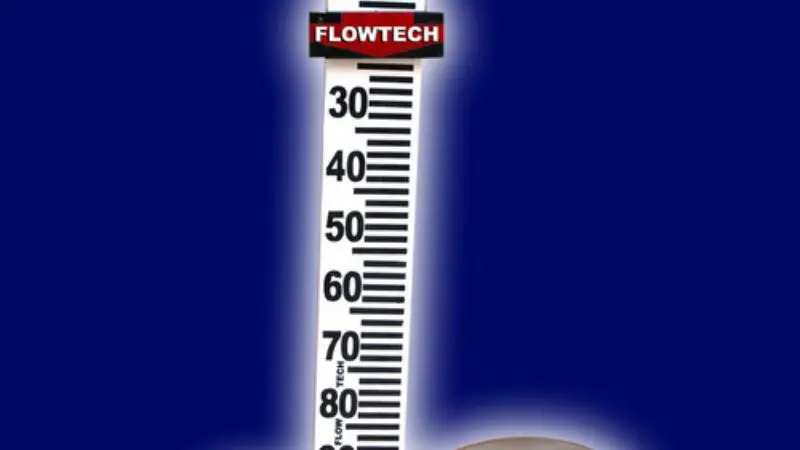
You need the proper chart for your tank when you measure fuel. There is a separate chart for each tank shape. There are four main kinds of gasoline tank chart for cars. These help you get the most accurate reading of your gas.
Vertical Tank Charts
You use vertical tank charts for standing tanks. These tanks look like enormous cans of Pepsi. The truck fuel tank measurement chart tells you how much gas you have at each height. You measure from the bottom to the top. The figures on the chart match the amount of fuel in the tank. Gas stations and fuel depots often include vertical tanks.
Tip: Always measure straight up from the bottom. This is the finest way to read.
Horizontal Cylindrical Tank Charts
Horizontal, cylindrical tanks sit on their sides. They look like long barrels or tubes. The gas tank capacity chart by vehicle type for these tanks differs from that for vertical tanks. The quantity of fuel per inch changes as you go up. The middle has more fuel than the ends. You need to use a chart created for horizontal tanks. This helps you not make mistakes.
- You can often see these tanks on farms or at building sites.
- The chart shows how much space there is for each inch or centimeter of depth.
Rectangular Tank Charts
The sides and bottoms of rectangular tanks are flat. They look like enormous boxes. It’s easy to read the chart for these tanks. Every inch of height stores the same amount of fuel. You can use a stick or a ruler to find out how deep it is. The chart will show you the loudness immediately.
| Tank Shape | Chart Complexity | Where You Find Them |
| Rectangular | Simple | Small businesses, farms |
Custom Fuel Tank Charts for Irregular Shapes
Some tanks don’t have normal shapes. Some tanks have sloping bottoms or rounded sides. These tanks need charts made just for them. You can’t use a regular chart for them. You have to manually measure and calibrate these tanks, or use specialized software. Custom charts help you find the perfect numbers for your tank.
Important: Before you choose a fuel level indicator chart, make sure your tank is the right shape. If you use the wrong chart, you can get the wrong answer.
You may use gas tank charts for any tank, but you must pick the correct one. This helps you keep track of your gas and avoid making expensive mistakes.
How to Read Charts for Gasoline Tanks
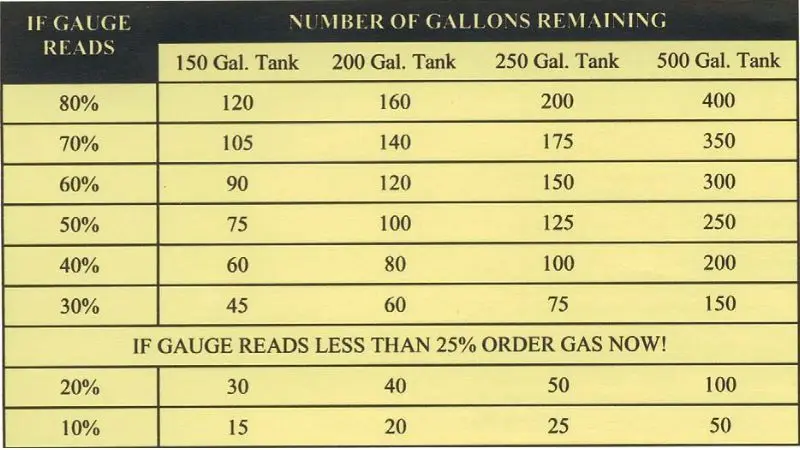
Step-by-Step Guide to Reading Tank Charts
There are a few simple steps you can follow how to read gasoline tank charts. These are the first things you should do:
- Check the gasoline level: Use a measuring tape or a dipstick. Put it straight into the tank until it hits the bottom. Take it out and look at the damp spot.
- Write down the measurement: Please write down the number you see. This figure shows how deep the fuel is, in inches or centimeters.
- Look for your chart: Make sure you have the right chart for the size and form of your tank.
- Find the right size: On the left side of the chart, you should see your recorded number.
- Read the volume: To check how much gas is in the tank, move across the row.
Tip: Always use a clean dipstick so that dirt doesn’t get into your fuel.
Interpreting Dip Measurements
You need to know what your dip measurement indicates. The number on your dipstick shows you how much petrol is in the tank. The reading might not be right if gasoline tank chart for cars isn’t level. Always start measuring from the same place. This helps you achieve the same outcomes every time.
| Dip Measurement (inches) | Fuel Volume (gallons) |
| 10 | 50 |
| 20 | 110 |
| 30 | 180 |
Converting Measurements into Fuel Volume
The truck fuel tank measurement chart lets you change your dip measurement into a fuel volume. Look for your measurement on the chart. To view the volume in gallons or liters, read across. If your number is between two other numbers, guess how much it is. If your dipstick reads 15 inches and the chart says 10 inches equals 50 gallons and 20 inches equals 110 gallons, you can assume 15 inches is about 80 gallons.
Gas tank charts are a quick and easy way to check your fuel and keep accurate records.
How to Create a Gasoline Tank Chart
Manual Calculation Methods
If you know the shape and size of your tank, you can make a gas tank capacity chart by vehicle type by hand. To begin, measure the tank’s height, breadth, and length. For a rectangular tank, apply this formula:
Volume = Length × Width × Height
If your tank is cylindrical, measure its length and diameter. This is the formula:
Volume = 3.14 × (Radius × Radius) × Length
Make a table. In one column, write down the height of the fuel, and in the other column, write down the volume that goes with it. Check the fuel level at regular intervals, such as every inch or every centimeter. Put the volumes you found in the table.
Tip: To avoid making mistakes in your chart, check your calculations again.
Using Tank Calibration Tools and Software
You can generate fuel level indicator chart more quickly with the right equipment or software. You can enter the size and shape of your tank into many online calculators. The tool will make a chart for you. Some programs let you save the chart to your computer or print it off. You can also get more accurate results with calibration sticks or electronic sensors.
- Tools that work online save time.
- Software makes mistakes less likely.
- It’s easy to change digital charts.
Key Factors to Consider (Tank Shape, Temperature, Tilt)
You must think about a few things before you finish your chart:
| Factor | Why It Matters |
| Tank Shape | Different shapes need different charts. |
| Temperature | Fuel expands or shrinks with heat. |
| Tilt | A tilted tank changes fuel readings. |
Before you measure, always verify the weather and the position of your tank. This helps you receive the most accurate results from your chart.
Conclusion:
Gasoline tank charts help you keep track of how much fuel you have and manage your supply better. These charts will help you quickly figure out how much fuel is left in your tank so you don’t run out of gas. Check the fuel level often and choose a chart that fits the exact shape and size of your tank. It is also important to calibrate the tank properly so the readings are accurate and trustworthy. Also, online tools and digital calculators can help speed up and simplify the process. Always check your charts and records often. This will help you avoid making mistakes and keep your fuel storage safe and organized.
FAQ
How often should you recalibrate your gasoline tank chart?
At least once a year, you should reset your tank chart. Recalibrate your tank right away if you move it or see readings that don’t seem right. Checking your gasoline records regularly helps you keep them accurate.
Can you use the same chart for different tanks?
You can’t use the same chart for more than one tank. The shape and size of each tank are different. Always use a chart that is right for your tank.
What should you do if your tank is not level?
Make sure your tank is always level. Your results may be inaccurate if your tank is tilted. Before you measure, try to level your tank. If you can’t, write down the tilt and change your chart if you can.
Are there free online tools for creating gasoline tank charts?
Yes, many websites offer free tools. You type in the size of your tank. The tool makes a chart for you. These tools help you work faster and make fewer mistakes.
Why do temperature changes affect fuel measurements?
Gasoline expands or contracts when the temperature changes. Fuel takes up more space when it’s hot outside. It shrinks when it’s cold. For the best results, always measure gasoline at the same temperature.