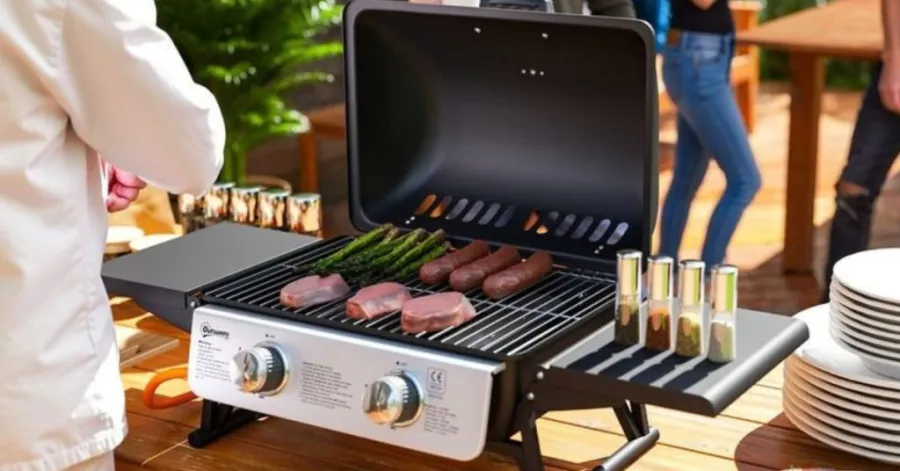
Imagine you carry a grill with you while camping or traveling, and it starts producing a weak flame or uneven heat. This is a very overwhelming condition. Sometimes you even set everything up, only to end up without BBQ. This is a sign you need a gas regulator for your grill. If you are hearing this term for the first time, we are here to guide you about it. It is an important step in making every grill work in all conditions. You can easily find the best gas regulator for a BBQ grill with this guide.
Types of Gas Regulators for BBQ Grills
Picking the right gas grill regulator helps you grill safely. There are different types. Each one has a special job. Let’s look at them so you can choose what works for your grill.
Low-Pressure Gas Regulators
Most backyard grills use a low-pressure gas grill regulator. These regulators keep gas moving safely and evenly. If you use an LP gas regulator, your flame stays gentle. This helps food cook the same all over. Most grills need this kind to stop flare-ups.
High-Pressure Gas Regulators
Some grills need more heat. A high-pressure LP gas regulator gives extra power. You use this for big grills or special burners. If you want to sear steaks quickly, this regulator helps.
Adjustable Gas Regulators
Do you want more control? An adjustable gas grill regulator lets you change the pressure. You can make the heat higher for searing. Or lower it for slow cooking. This type is good if you grill a lot and want a variety of options.
Propane vs Natural Gas Regulators
You must match your regulator to your fuel. A propane gas regulator works with propane tanks. Natural gas regulators connect to home gas lines. Always read your grill’s manual before buying. Using the wrong regulator can be unsafe.
How to Choose the Right Gas Regulator for a BBQ Grill
Check Compatibility with Your Grill
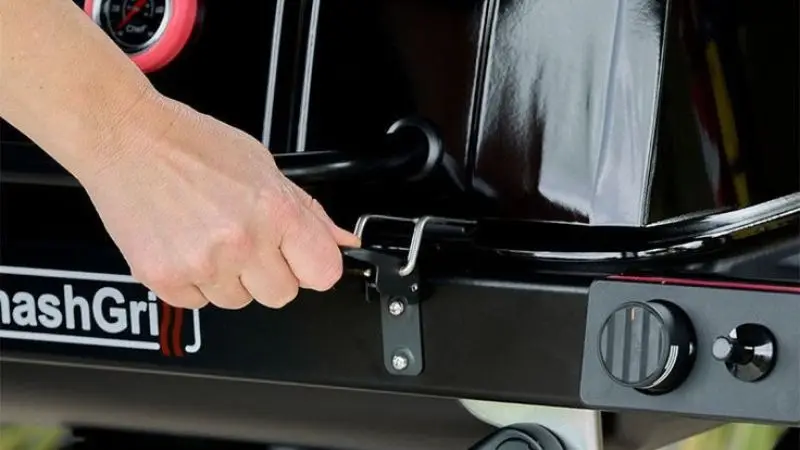
Compatibility matters most. So, always check the regulator’s specifications when choosing your grill. If it features the right model. For this, you can check the manual or the label for the specifications. The wrong regulator can also damage your grill. So always choose the right gas regulator for the BBQ grill.
Understand Pressure Ratings (PSI & BTU)
Pressure ratings matter a lot. You will see numbers like PSI (pounds per square inch) and BTU (British Thermal Units). These numbers tell you how much gas flows to your grill. Most backyard grills use a low-pressure gas grill regulator. If you have a big grill or want more heat, you might need a high-pressure option. Always match the regulator’s PSI and BTU to your grill’s needs.
Hose Length and Connector Types
Check the hose length before you buy. A short hose can make setup hard. A long hose gives you more room to move your tank. Also, look at the connector type. Some grills use a screw-on fitting, while others use a snap-on fitting. Make sure the gas grill regulator fits your grill and tank.
Safety Certifications to Look For
Where can I buy a gas regulator for a BBQ grill? Safety comes first. Look for marks like UL or CSA on your gas regulator for a BBQ grill. These show the regulator passed safety tests. Never skip this step. Certified regulators help keep you and your family safe. You can check online for these certified models or ask any shopkeeper to help you make a perfect purchase.
Weather Resistance and Durability
As grilling is always done outside, your grill and its parts should be durable. It should handle the wind, sun, and rain well. The regulator should also be resistant to harsh weather. For this, you can opt for stainless steel material. You can also go for a brass one. You don’t need to replace it often. So you should always make a wise choice at first to reduce the costs of replacing again and again.
Signs You Need to Replace Your BBQ Gas Regulator
Weak or Uneven Flame
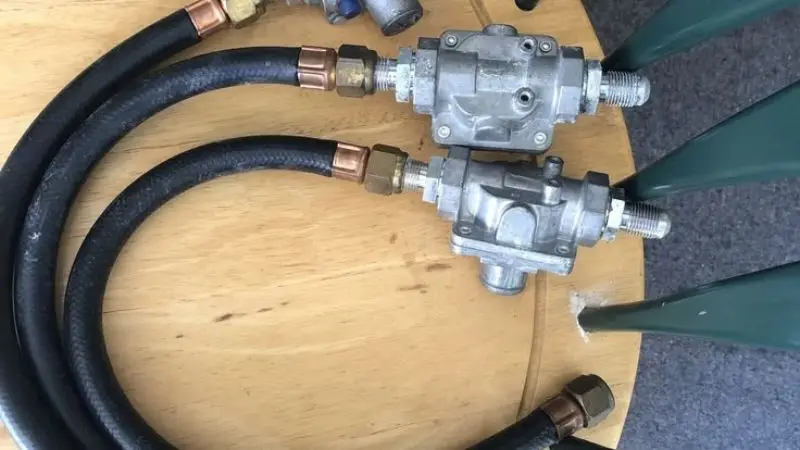
You fire up your grill, but the flame looks weak or flickers. Food takes longer to cook, and you notice cold spots. This is a classic sign of a gas regulator issue. If your grill used to heat up fast and now struggles, you probably need a replacement. Don’t ignore the low-flame BBQ grill regulator problem. A weak flame means your grill isn’t getting enough gas.
Gas Leaks or Smell
If you smell any gas around your grill, this is a sign of a large leakage. You should quickly respond to this before any damage. Sometimes you also hear the hissing of gas during grilling, you should stop th process. It can cause a fire at the spot and cause damage to you. Most probably, you need to tighten all connections. Or you should replace your gas regulator for the BBQ grill before you use it again.
Regulator Freezing or Overheating
If you ever touch your regulator and its temperature is abnormal, it’s time to replace it. If it is cold, it means it is not working properly. If it is hot, it can cause severe damage. In both cases, whether the regulator is frozen or overheating, replace it, as it can’t be repaired.
Grill Not Reaching Proper Temperature
You set your grill to high, but it never gets hot enough. Burgers stay pale, and steaks don’t sear. This happens when the regulator can’t deliver enough gas. If your grill used to cook fast and struggles, it’s time for a replacement.
Step-by-Step Guide to Installing a Gas Regulator for a BBQ Grill
Tools You Will Need
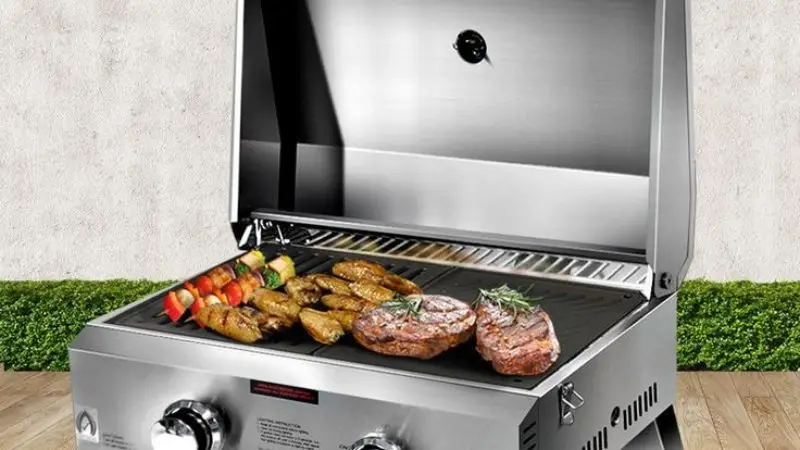
How to fix a gas regulator on a BBQ grill? Before you start, gather your tools. You will need an adjustable wrench, a soapy water solution, and a towel. Some grills may need a screwdriver. Having everything ready makes the job easier.
How to Remove the Old Regulator
First, turn off the gas supply at the tank. Make sure the grill is cool. Disconnect the hose from the tank by turning the fitting counterclockwise. Use your wrench if it feels tight. Next, unscrew the old gas grill regulator from the hose. Set the old part aside for proper disposal.
Installing the New Regulator Safely
Take your new regulator out of the package. Attach it to the hose by turning it clockwise. Tighten it by hand, then use the wrench to achieve a snug fit. Connect the other end to the gas tank. Make sure all connections feel secure. This step helps prevent leaks and keeps your grill safe.
Leak Testing After Installation
After the installation, you should always check for leaks. If there is any leakage, it can cause severe damage. Usually, leaks happen in the connections. You can easily check for any leaks. You just need to mix dish soap in water. Put this solution on the connections. Open tha gas valve and check for any bubbles. Bubbles are the sign of gas leakages; you need to fix them. But if there are no bubbles, then congratulations, you have successfully connected the hose.
Conclusion
Now you definitely know the importance of the right gas regulator for a BBQ grill. You can get one for your grill. All you need to do is match the pressure ratings and safety tips of each option to make a perfect choice. In this guide, we have tried to outline the features of the good regulator, the problems, and the repairs you need for a specific problem.
FAQ
How often should you replace your BBQ gas regulator?
You should check your regulator every year. Replace it if you see damage, smell gas, or notice weak flames.
Can you use any gas regulator with your grill?
No, you need a regulator that matches your grill and fuel type. Always read your grill’s manual before buying a new one.
What should you do if you smell gas while grilling?
Stop grilling right away. Turn off the gas. Check all connections. If you still smell gas, call a professional for help.