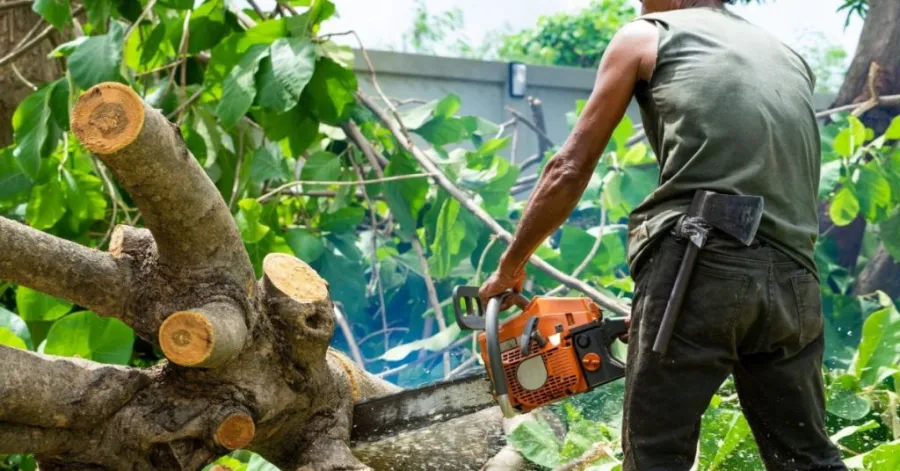
By adhering to a clear, simple plan, you can handle garden reshaping with a gas chainsaw. To ensure safety, it is always advisable to put safety first and put on full protective gear before any cutting is done. Always check the chainsaw to ensure it is in good condition and that it is safe to use. You can choose the shape you want your garden to have by determining it beforehand, so you don’t waste time making any cuts. Be slow in work and move steadily and in even blows rather than hurrying. Focus on control and balance while cutting. By remaining vigilant and patient during the process, you will have a clean, tidy and professional-looking garden.
- Essential Tools, Workspace Preparation, and Chainsaw Setup for Safe Garden Reshaping
- Safe and Simple Way to Trim Hedges with a Chainsaw
- How to Use a Powered Hedge Trimmer for Clean and Precise Hedge Finishing
- Clean-Up and Care After Garden Reshaping with a Chainsaw
- How to Fix Common Problems in Garden Reshaping with a Chainsaw
Essential Tools, Workspace Preparation, and Chainsaw Setup for Safe Garden Reshaping
You must prepare well before you commence any cutting work and ensure your garden work is safe, smooth and well arranged. A clear plan will help you avoid mistakes, and your garden will have a clean, natural appearance. Preparation is as significant as cutting when you are engaging in DIY garden cleanup and reshaping with chainsaw tools. It also enhances your manipulation and reduces the effort in working. When your tools, space and machine are in place, the entire process will be more enjoyable and easier to accomplish.
Essential Tools You Need for Garden Reshaping with a Gas Chainsaw
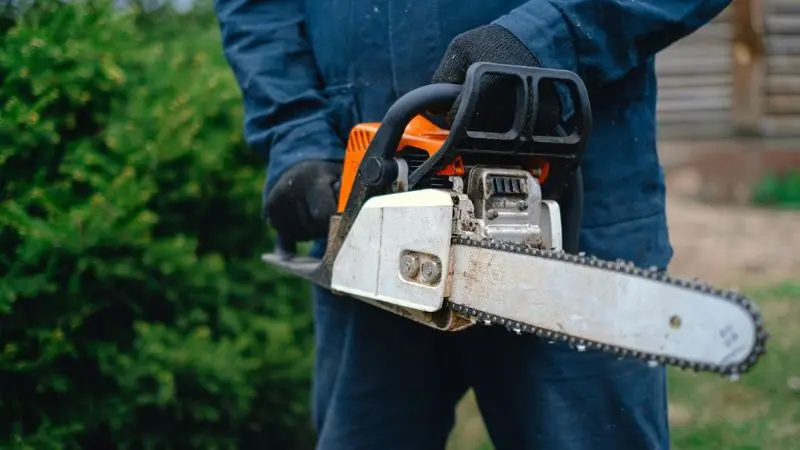
The first step in a successful garden project is to have the right tools. When re-shaping a garden with a gas chainsaw, you need to mix both high-powered and small cutting equipment so as to have a more controlled cut and clean outcome. The gas chainsaw is used to work on large branches, and smaller tools are used to do finishing. An appropriate installation will save time and enhance precision. Being ready in advance, so that you are not interrupted in the middle of work, is always a good idea.
Key tools you need:
- Large branch gas chainsaw.
- Small cut pruning shears.
- Medium branch loppers.
- Shape tape to measure.
- Chalk or string to outline.
- Sweep to clean up rubbish.
- Waste bag or wheelbarrow.
These tools combined simplify the process of learning how to use a chainsaw in landscaping projects in the backyard. It also allows you to be in control and create a balanced garden shape without straight cuts or uncovered spots.
How to Prepare Your Garden Workspace Before Cutting
Prior to using any cutting tool, it is essential to have a clean place. It helps you move safely and focus more on your work. If you want to landscape your yard with a gas-powered chainsaw, preparation is key to making your garden look tidy and professional after trimming. Begin by clearing the area of any obstructions to movement and inspecting the ground to avoid accidents. Next, examine your plant to see what to trim away, nd what to retain.
Steps to prepare your workspace:
- Eliminate sticks, rocks and garden tools.
- Move furniture and decorations away.
- Easy-to-follow hoses, wires or barriers.
- Check dead or weak branches on plants.
- Determine areas to reshape.
- Draw your design in chalk or string.
By having a clean and organized workspace, you will be able to work more quickly and safely. This also enhances the accuracy of tree and shrub trimming with a gas chainsaw and allows you to shape plants without killing healthy growth.
Chainsaw Setup and Safe Starting Guide for Beginners
To use your chainsaw safely and cut smoothly, a proper setup is required before use. This is a step that is highly considered by anyone about to learn how to use a chainsaw for backyard landscaping projects, since it helps reduce risk and increase control. A well-maintained chainsaw is more effective and longer-lasting. Always ensure that you have checked your tool before starting the engine.
- Chainsaw setup steps:
- Chain tension and sharpness.
- Check screws and loose parts.
- Fuel: Have a proper oil mixture ready.
- Fill the tank with fuel and clean up spillages.
- Set up the chainsaw on flat ground.
- Pull out the chain brake prior to starting.
Safe starting steps:
- Grasp the handle in the front.
- Fasten the back handle with your foot.
- Gently pull the starter cord.
- Allow the engine to warm up, then cut.
This is a helpful setup procedure for DIY garden cleanup and redefining with chainsaw tools, as it helps manage your tasks and avoids unexpected mishaps. With a proper cut, you have a smoother, safer, and more efficient cut.
Safe and Simple Way to Trim Hedges with a Chainsaw
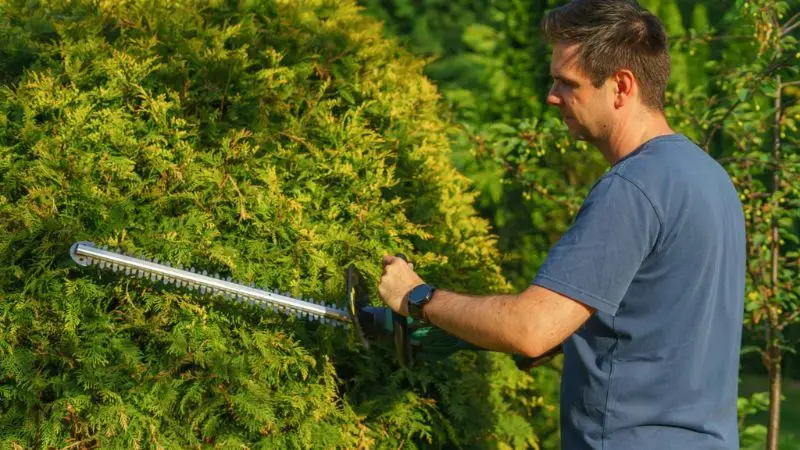
Control and planning are the safe beginning of trimming hedges. Always use your marks to prevent cutting out irregularly. When working with the chainsaw, hold it and maintain a comfortable balance in the body. Beginning at the top and working down. Do not trim away excessively in one sitting, since it might kill the plant. Small and prudent cuts have always been the best form of health.
Follow the marked hedge lines.
- Start cutting from the top.
- Make small cuts and use very slow cuts.
- Prune away minimal growth.
- Check the shape while trimming.
This approach helps learn to operate a chainsaw for backyard landscaping by enhancing safety and precision.
Why You Should Start with Large Cuts First
Always start with large cuts when reshaping hedges and then work on details. This will assist you in making the basic shape very fast and clearly. First, remove tall or uneven branches so that you can see the structure better. Attempt not to do everything at once. When the primary shape is prepared, finish with tools of a smaller size.
- Make big branches the first.
- Develop a simple shape early.
- Slowly, step by step, work.
- Use small tools for finishing.
- No deep or abrupt cuts.
The method can be applied in tree and shrub grooming methods involving gas chainsaws since it maintains the well-being of the plants.
How to Cut Hedges at the Right Angle for Better Shape
Right angles to cutting assist in making your hedges grow stronger and appear balanced. The bottom must always be broader than the top to ensure that the sun gets to every part. Move the chainsaw in a gentle upward slope when cutting. No straight vertical cuts should be made, as they may weaken lower branches in the long run.
- Base to be larger than top.
- Cut with a slight upward angle.
- Adhere to instructions.
- Swim upwards.
- Avoid straight edges
This is significant in landscape yard conversion with a gas-powered chainsaw to give a healthy growth and clean structure.
How to Make Hedge Cuts Even and Smooth
Even cuts bring your garden to a clean and professional look. Taking a break periodically and having a look at your work from a distance. This will assist you in identifying irregular areas early. Move slowly and constantly to be more controlled. Attempt to make cuts in the same direction to be consistent. Accuracy is also enhanced by dry weather.
- Check the shape while working.
- Maintain even movements of the hands.
- Cut along one way.
- Dry working.
- Mend holes in uneven patches.
This enhances the outcomes on how to trim hedges like a pro and assists in less risky ways to use a chainsaw when it comes to backyard landscaping.
How to Use a Powered Hedge Trimmer for Clean and Precise Hedge Finishing
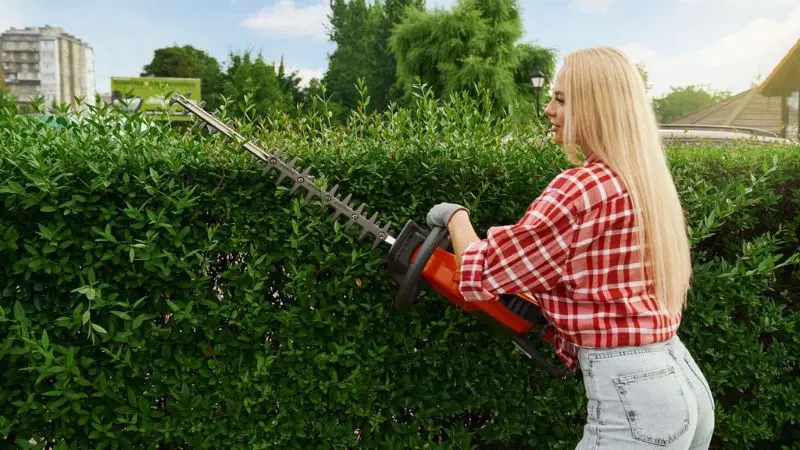
Once the main cutting is complete using a chainsaw, the next step is to refine the shape. A motorized hedge trimmer will help you clean up the edges and keep your hedges looking seamless and well-cut. It is all detail work in this stage, not heavy cutting. When applied in the right manner, it provides your garden with a sharp and professional appearance. It is a significant aspect of DIY garden cleanup and reshaping with chainsaw tools, since the finishing touches determine how your landscape will look.
How to Smooth and Refine Hedge Shape Using a Powered Trimmer
Even after the large branches have been pulled off, your hedge might still appear untidy. An electric hedge trimmer will help you smooth the surface and enhance the shape. To achieve better control, hold the tool with both hands. Go slowly on the hedge in a balanced position. Motions should be light and sweeping, rather than deep. When making the design, always stick to the shape that you have already drawn on so that the design remains even and clean.
- Hold the trimmer with both hands.
- Move in slow sweeping motions.
- Follow the hedge shape leading.
- Take away small rough edges.
- Take a step backwards to monitor progress.
This activity assists in the utilization of a powered hedge trimmer because it is control and precision-oriented. It will also enhance performance in the case of how to use a chainsaw to landscape the backyard, as trimming is done after cutting down heavily.
Precision Trimming for Sharp Edges and Clean Finishing
Hedges are pruned to achieve a very clean, accurate look. This step is about edges, corners, and flat surfaces. Always cut gradually and take little bits off at a time. The end of the trimmer is useful for finer work, such as around corners or in irregular areas. When you hurry,y you run the risk of cutting it too short, and losing the shape, so great care is necessary.
- Cut small pieces in a delicate way.
- Apply the tip in corners and edges.
- Make movements slow and even.
- Even out of shape tops.
- Avoid overcutting areas
This method enhances the outcome of tree and shrub pruning methods using a gas chainsaw, since it provides the final touch to the job following heavy pruning. It also assists in landscaping yard transformation using a gas-powered chainsaw that will leave your garden with a smooth and balanced look.
Safety and Best Practices for Using a Hedge Trimmer
The use of any powered garden tool is very important in terms of safety. Always hold the trimmer with both hands and ensure it is firmly held. Wear a protective mask and gloves to keep off flying debris. Do not cut higher than the shoulders, as it makes it more difficult to control and more dangerous. Secondly, ensure that your working space is free of any barriers such as wires or stones.
- Put on gloves and safety glasses.
- Hold the tool with both hands.
- Avoid overhead trimming
- Check the area for obstacles
- Do dry hedges only.
Wet branches may complicate the trimming process due to sticking to the blades. Dry weather provides more control and clean cuts. These safety measures can make you more certain about how to use a powered hedge trimmer and contribute to safer use of a chainsaw in backyard landscaping projects in general.
Clean-Up and Care After Garden Reshaping with a Chainsaw
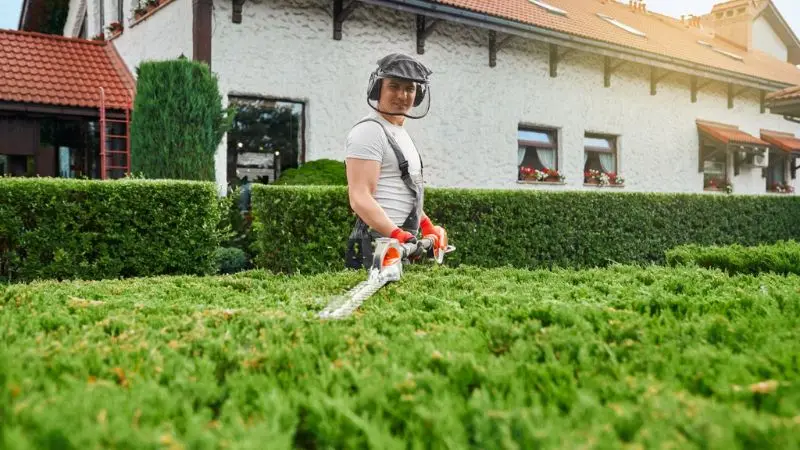
Once you have trimmed and shorn your hedges, it is not complete until you have washed and cared for your equipment and plants. Clean-up will make your garden safe, tidy, and healthy. It also assists in making your equipment last longer and perform better the next time. It is a critical step in DIY garden cleanup and reshaping using chainsaw tools, since proper finishing practices enhance the aesthetics and long-term health of plants.
How to Dispose of Garden Trimmings Properly
After the trimming, you will find leaves, branches and cuttings all over the ground. Rapid washing makes your garden clean and avoids pests. Begin by gathering up all the rubbish into little heaps with a rake. Then put all that into a wheelbarrow or a strong garden bag so that you can easily transport it. Never keep garbage lying about.
- Collect the twigs into little heaps.
- Quickly collect with a rake.
- Put the garbage into a wheelbarrow or bags.
- Clean the area after work.
- Clean up any debris.
There are various ways in which you can dispose of waste. Compost can take healthy plant material, and larger branches can be bundled to be collected or picked up by the municipality. This step supports landscaping yard transformation using a gas-powered chainsaw because a clean garden always looks more finished and organized.
How to Clean and Maintain Your Chainsaw After Use
Once the garden is reshaped with a gas chainsaw, it is significant to take care of the tool. Always shut off the chainsaw and allow it to cool down, and then clean it. Wipe the body and bar with a clean cloth to dust off and sap. Inspect the chain and clear any debris that is stuck on, such as leaves and wood chips. Maintenance will ensure that your tool is safe and efficient.
- Allow the chainsaw to cool and then clean it.
- Wipe body, wipe bar.
- Take debris off the chain.
- Check chain sharpness
- Store in a dry place
Check oil levels and refill, also if necessary. A good tool is kept in good condition, which will help the tool work well in the future and minimize the chances of breaking. This is particularly handy when using a chainsaw in a backyard landscaping project, where safety and reliability are paramount.
How to Care for Plants After Hedge Trimming
Once trimmed, your hedges require attention to rejuvenate and become stronger. Begin by giving them plenty of water, especially in dry seasons, to restore their moisture. Examine the plants and trim off the remaining broken branches with pruning shears. This is effective in avoiding illness and promoting good health.
- Water following clipping.
- Take out the missed, broken branches.
- Small cuts should be made with pruning shears.
- Looks stressed.
- Have healthy and clean soil.
Another thing you can do is to use mulch on the lower part of your hedges. Mulch aids in moisture retention and in slowing down the growth of weeds. This post-cutting practice enhances healing and assists in tree and shrub pruning techniques with a gas chainsaw, which keeps your garden robust, balanced and healthy after each pruning session.
How to Fix Common Problems in Garden Reshaping with a Chainsaw
Despite attention to detail, minor problems can arise when hedge-trimming and shaping a garden. It is normal, particularly when using powerful tools. The good thing is that most issues can be fixed easily as long as you remain composed and fix them bit by bit. Good troubleshooting is a significant component of DIY garden cleanup and reshaping with chainsaw tools, as it helps you make things better without starting from scratch. We will see the most frequent problems and the way to resolve them without any harm.
How to Fix Uneven Hedge Cuts and Bumpy Shapes
Even cuts are quite frequent, and mostly when you are a beginner. After you step away from your work, you may find bumps or lopsided parts. It is just to note and then correct. Go around the hedge and view from different perspectives to ensure that you can see the uneven areas well. Mark with simple signs to direct your corrections and not to guess.
- Walk around and inspect the hedge shape
- Highlight uneven areas.
- Shave gradually and in small amounts.
- Take a step aside frequently to review progress.
- Guide with a string on straight lines.
Ensure you do not take away excessively at a time. Such little changes are always better. The method helps better understand how to use a chainsaw for backyard landscaping projects, as it allows careful corrections that provide a smooth, more professional finish without harming the plants.
How to Repair Damaged or Broken Branches After Cutting
In some cases, branches can be cut irregularly or broken during trimming. This may impact the appearance and well-being of your hedge. The most appropriate action would be to repair the damaged areas as soon as possible in order to allow the plant to heal. When cutting, never leave the edges rough, as they can cause scratches and injuries. This will help prevent illness and support healthy growth.
- Cut off broken or torn branches
- .Clean cuts with sharp pruning shears.
- Eliminate dry or dead wood.
- Cut damaged areas below.
- Do not leave half branches hanging.
Clean cuts ensure faster plant growth and stronger plants. This particularly concerns tree and shrub trimming methods with gas chainsaws, where the health of the plants is determined by the precautionary finishing of the wild vegetation after extreme cutting. There will be branches that will naturally fill the shape out as they become healthy.
How to Solve Common Chainsaw Problems During Work
The problems with chainsaws can slow down your work, but most of them have easy ways to resolve the problems. One should not force the tool, but check it. Always ensure safety first before making adjustments. Fuel, chain tension, or blade sharpness are typical common problems. The majority of these problems can be avoided by regular checks.
- Check the fuel mix if the engine won’t start
- Fasten the chain tightly when loose.
- Hone the blade to cut more easily.
- Remedy smoke problems using proper fuel.
- Continue with problems, refer to the manual.
Do not use a defective chainsaw any longer. Early troubleshooting helps in safeguarding your tool and your safety. This is necessary in landscaping yard transformations using a gas-powered chainsaw, where quality equipment is crucial for ensuring a smooth, controlled transformation throughout the garden.
Wrap-Up
Garden reshaping using a gas chainsaw is easy when you take every step step by step, beginning with preparation and ending with final cleanup. With the right tools, safe cutting techniques, and proper finishing techniques, you will be able to create a clean, balanced exterior. A gas chainsaw is a powerful tool; however, it performs better with planning, control and patience. Once trimmed, the garden can be healthy with proper cleaning and taking care of the plants. Troubleshooting and small corrections are also used to enhance your final results. Through practice, you will feel more confident in hedging and keeping your garden in order and make your garden look more professional each time you work outdoors.
FAQ
What is the frequency of your hedge trimming with a gas chainsaw?
The hedges are to be reshaped once or twice a year. Autumn is the best time. This time is beneficial to give your plants time to recuperate before winter. You can trim more frequently should you observe rapid expansion.
Do you have a gas chainsaw that can cut all the bushes?
No, you must only cut with a gas chainsaw large, woody bushes or thick hedges. Hand pruners or a hedge trimmer should be used to trim small or delicate bushes. This helps your plants to be safe.
What to do when your chainsaw freezes?
Turn off the engine immediately. Very carefully loosen the chainsaw. Never force it. In case you are unable to remove it, cut it with pruning shears in the area where it is stuck.
What is your way of maintaining straight and level cuts?
- Draw your lines either with chalk or with a string.
- Take frequent steps back to ensure you are on track.
- Hold with both hands.
- Cut gradually and do as your guides.
Can hedges be trimmed when they are wet?
No, wait till it is dry. Branches which are wet may fall and lead to an uneven cut. The ground is also slippery due to wet conditions, thus exposing one to an accident.