Noticed a big crack in your garage floor or garage tiles? Don’t worry. Many cracks look serious, but are usually surface-level. With the right tools and steps, you can easily repair.
With a little time and care, you can make your garage floor safe and smooth again. Even better, understanding what causes these cracks can help you prevent them in the future. Let’s walk through how to handle garage floor crack repair the easy way—no stress, no heavy equipment, and no need to call a pro.
Can You Repair Cracks in a Garage Floor?
Seeing cracks in your garage floor might feel worrying, but don’t stress. In most cases, you can fix them yourself with a few simple tools and some patience. In the next sections, we’ll explore whether a DIY approach is right for you and how to check the crack before getting started.
Why Do Garage Floor Cracks Happen?
Before starting any garage concrete floor crack repair, it is helpful to understand why these cracks form in the first place. In the next parts, we’ll look at what causes these cracks. Knowing this makes your step-by-step garage floor crack repair guide even more effective.
- Common Reasons for Garage Floor Cracks
Concrete naturally shrinks as it dries, and that shrinkage often causes cracks. This is one of the most common reasons you may need to repair cracks in garage floor surfaces. Heavy vehicles or dropped tools can also cause damage, especially if pressure is applied to the same spot repeatedly.
Water can also be a problem. When it gets into concrete and freezes, it expands and pushes the slab apart. In addition, shifting soil beneath your garage can cause uneven support. While all these factors can lead to cracks, they usually aren’t a sign of serious damage..
- When You Should Be Concerned
Not every crack means your garage is in danger. Many small cracks are normal and easy to fix. But you should look closer if cracks keep getting wider or deeper. These may require more than basic repairs. Signs to watch include cracks larger than 1/4 inch, cracks stretching across the floor, or sections that feel uneven or wobbly.
Water leaking through a crack is also a red flag. If you notice these issues while doing garage concrete floor crack repair, stop and consider professional help. Acting early can save you money and help protect your garage from bigger problems.
How to Check the Crack Size and Depth
Before you begin any repair, you need to check the crack closely. Small cracks, less than 1/4 inch wide, are usually safe to fix with filler or epoxy. These products are perfect if you’re learning to repair cracks in the garage floor by yourself.
For cracks wider than 1/4 inch, measure the width using a ruler or tape. If a crack looks deep or uneven, it may need extra steps, like widening the crack first. This helps the filler hold better. If the crack keeps growing or the floor shifts, stop and get help. Early action prevents serious damage.
Tools and Safety for Repairing Cracks
Before jumping into the repair process, it’s important to get everything ready. Having the right tools and materials on hand makes your project faster, smoother, and more successful. In this section, we’ll go over what you’ll need and how to stay safe while completing your garage concrete floor crack repair.
What You Need to Get Started
To repair cracks in the garage floor concrete, you’ll need a few basic tools and materials. These help clean the area, apply filler, and seal the surface properly. You can find most of these items at your local hardware store or in ready-to-use repair kits.
Here’s what to gather:
- Wire brush or stiff broom
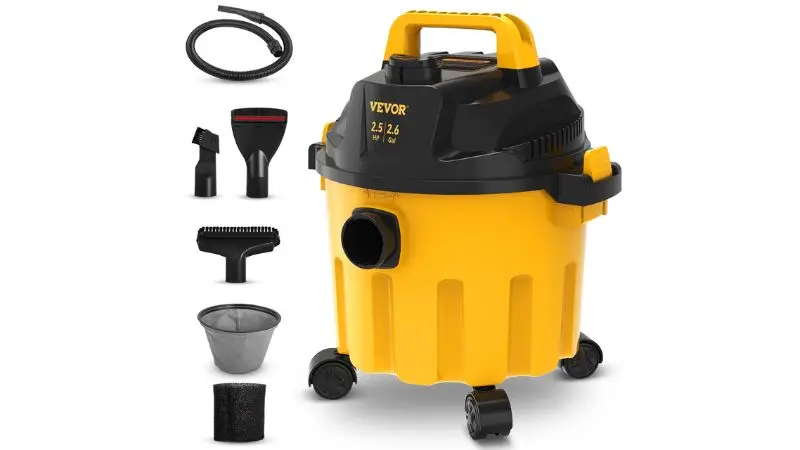
- Shop vacuum or handheld vacuum
- Chisel and hammer, or an angle grinder
- Concrete crack filler or epoxy
- Putty knife or trowel
- Mixing bucket and stir stick
- Concrete patch or polymer-modified cement
- Paintbrush or roller (for sealing)
- Clean rags or towels
Safety Gear
When working on a step-by-step garage floor crack repair guide, safety is just as important as tools. Repairing cracks can stir up dust and involve chemicals that might irritate your skin, eyes, or lungs. That’s why wearing proper gear is a must—even for small jobs.
Make sure to wear:
- Heavy-duty gloves
- Safety glasses or goggles
- Dust mask or respirator
- Old clothes or coveralls
- Knee pads if kneeling a lot
Step-by-Step Garage Floor Crack Repair Guide
If you’re ready to fix those cracks in your garage, you’re in the right place. You don’t need to be a pro—just take your time and follow each step. Whether it’s a small crack or a large gap, this step-by-step garage floor crack repair guide will help you do the job safely and confidently.
Step 1: Clean and Get Ready
Before you begin to repair cracks in the garage floor concrete, it’s important to clean and prep the surface. Start by clearing the area—move your car, bikes, and anything else off the floor. Sweep away all loose dust and debris. Then, scrub the crack with a wire brush to remove any weak concrete pieces.
Finish by vacuuming the crack so it’s clean and dry. A clean surface helps the filler stick better and last longer. Don’t skip this part—it’s the foundation of a strong repair that lasts through use, weather, and regular garage activity.
Step 2: Widen and Fill the Crack
If the crack is narrow, you may not need to widen it. But for larger cracks, use a hammer and chisel or an angle grinder to open it slightly. The bottom of the crack should be a bit wider than the top. This shape helps hold the filler in place.
Choose your repair compound based on crack size. For small ones, use a filler; for bigger ones, choose epoxy or polymer-modified cement. Mix the product in a bucket and press it deep into the crack with a trowel or putty knife. This step is key in garage concrete floor crack repair.

Step 3: Smooth and Let It Dry
Once you’ve filled the crack, smooth out the surface. Use a trowel or putty knife to level the top of the patch with the rest of the floor. Wipe away any extra material using a damp cloth before it dries. This gives the area a cleaner, finished look. Now let the repair cure.
Dry times vary, so check the product label. Some fillers dry in hours, others take a full day. Don’t walk or drive in the area until it’s completely cured. Patience here is important if you want lasting results from your garage floor crack repair.
Step 4: Seal the Surface
The final step in your garage concrete floor crack repair project is sealing. Once the filler is completely dry, apply a concrete sealer to protect the repaired area. Use a paintbrush or roller for even coverage. Sealing helps stop water, oil, and dirt from damaging the surface and prevents new cracks from forming.
Let the sealer dry fully before moving things back into your garage. This finishing touch keeps your work strong and your floor looking clean. When sealed properly, repairs last longer and make it easier to maintain your garage in the future.
Repair Concrete Cracks with Resurfacing
Sometimes, fixing cracks alone doesn’t make your garage floor look its best. That’s where resurfacing comes in. It gives your garage floor a fresh, even layer without replacing the whole slab. In the next two sections, we’ll go over when resurfacing makes sense and how to do it the right way. It’s a smart upgrade if you’re serious about garage concrete floor crack repair that lasts.
When Should You Resurface?
You don’t always need to resurface your garage, but sometimes it’s the best choice. If your floor has many small cracks, worn spots, or rough patches, resurfacing helps. It gives a clean, smooth finish that hides repairs and protects the surface.
You may also choose this method if you plan to paint or seal the floor later. Resurfacing makes it easier to apply coatings evenly. If your floor only has one or two cracks, simple filling may be enough. But if the surface looks tired, resurfacing is a great way to repair cracks in concrete and refresh the floor.
Steps to Resurface Your Garage Floor
You can resurface your floor over a weekend, especially after you finish all your garage concrete floor crack repair. First, sweep and vacuum to remove dust and debris. Then, fill and dry any visible cracks. Once the surface is ready, mix your resurfacing compound.
Spread it across the floor using a squeegee or trowel, working in small sections. Keep the layer thin and smooth. Let it dry fully—most need about 24 hours. After it cures, you can apply a sealer for extra protection. Resurfacing gives you a cleaner, smoother space and makes future cleaning much easier.
How to Prevent Cracks from Coming Back
Simple care routines can make a big difference over time. In this section, we’ll cover how to maintain your floor, why sealing matters, and when it’s time to call in a professional. These tips help protect your earlier work and keep your garage concrete floor crack repair lasting for years to come.
How to Maintain a Healthy Garage Floor
Good habits help prevent new cracks from forming. Sweep your garage often to remove dirt and grit that can wear down the surface. If you spill oil or chemicals, clean them right away to avoid long-term damage. Check the floor regularly for signs of wear, and try to park in different spots now and then.
This helps spread the weight and reduces pressure on one area. You don’t need to do much—just be consistent. Preventing cracks is easier than fixing them. These habits work great alongside any recent work you’ve done to repair cracks in the garage floor concrete.
Why Sealing Helps Prevent Future Damage
Sealing adds strong protection to your floor and helps stop new cracks from forming. A good sealer keeps out water, oil, and road salt, all of which can slowly break down concrete. You can use clear sealers for a natural look or glossy types for a polished finish.
Choose what fits your space and style. Reapply sealer every few years to keep the layer strong. It doesn’t take long and is easy to do yourself. After a full step-by-step garage floor crack repair guide, sealing is the last but very important step to finish the job right.
When to Call a Professional for Help
If the cracks are small and the floor isn’t uneven, you can easily fix them with tools from the hardware store. If the crack is deep, water is leaking through, or the concrete is shifting, then calling a pro is smart. Professionals use stronger materials and special tools.
Signs Your Floor Has Serious Problems
Not all cracks are minor. Some mean the floor underneath is damaged. If you see cracks that keep growing, or if water leaks through after rain, it’s a warning. Cracks that break into chunks, feel soft, or give off a musty smell may also show deeper problems.
These are signs that basic patching may not be enough. If your garage floor sounds hollow or shifts when you walk on it, stop and call a pro. Learning how to fix wide cracks in the garage concrete floor is useful, but serious damage always needs expert help for safety and stability.
Wrap Up
Garage floor crack repair is easier than you might think. With the right tools and a little time, you can fix most cracks yourself and make your garage floor look like new. Cleaning, filling, and sealing the cracks helps protect your floor from future damage. Regular care and sealing also prevent new cracks from forming. Most small cracks don’t mean serious trouble, but if you see deep or growing cracks, it’s smart to call a professional. Taking action early keeps your floor safe and strong. Follow these simple steps to handle garage floor crack repair the right way.
FAQ
1. How long does it take to repair a garage floor crack?
Most repairs take a few hours. You need to let the filler dry, which can take up to 24 hours. Always check the product label for exact drying times.
2. Can I paint over a repaired crack?
Yes, you can paint over the repair once it is fully dry. Use concrete paint or epoxy for the best results. Make sure the surface is clean before painting.
3. What if the crack comes back after repair?
If a crack returns, check for moisture or movement in the floor. You may need a stronger filler or a professional inspection. Small cracks can be filled again.
4. Do I need special tools for small cracks?
You do not need fancy tools for small cracks. A wire brush, vacuum, and putty knife work well. Most repair kits include what you need.