Changing an electrical outlet wiring is a straightforward DIY task that can be done with minimal tools and effort. Understanding how an outlet functions assists beginners in avoiding costly hazards and blunders. With proper knowledge and discipline, everyone can learn this essential task successfully.
Learning electrical outlet wiring also develops awareness for starters and DİYers of home electrical systems. This comprehensive guide breaks down the process into easy and structured steps with useful tools so that even beginners can follow them conveniently. Let’s explore it!
What is an electrical outlet wiring?
Before knowing the steps, you must know what an electrical outlet is. İt acts as a connection between devices and the home power supply.
Each outlet is responsible for delivering electricity safely to the devices through a complete circuit, and understanding this basic role is crucial before touching any wiring.
The basic and standard electrical outlet wiring colors are red, white, and green for hot, neutral, and ground paths in an electrical outlet wiring series. The hot wire passes electric current, and the neutral returns it to the panel. The work of the ground is to protect against faults.
Electric outlet wiring obeys strict codes to minimize shock risks and fire. These codes describe wire size, outlet rating, and methods of connection. İt is necessary to follow these rules carefully for every beginner.
Another factor to consider is voltage and amperage. Mostly, 120-volt outlets with 15 or 20 amp ratings are used in homes. The outlet and circuit load must be matched to prevent overheating and shocks.
Common types of electrical outlets
There are 110 electrical wiring outlets, and every outlet is designed for a different purpose. There are various types of electrical outlets wiring to switch that match safety needs and electrical requirements. Here are the most common types of electrical outlet wiring:
1. Standard residential outlets
İn most homes, standard residential outlets are present. They are usually designed and rated for 15 amps and control everyday devices. These outlets are simple for beginners and are easy to wire.
Two vertical slots and a grounding hole are the basic features of these outlets. Among the two, one slot is wider to maintain polarity. İf the writing is properly done, it ensures the appliances operate securely.
These outlets are common in living rooms, offices, and bedrooms. They reinforce lamp chargers and electronics. Proper wiring is necessary to avoid safety hazards.
2. GFCI and AFCI outlets
GFCI(Ground–Fault Circuit İnterrupter) is used to protect against electrical shocks in wet areas. They disconnect the power when they encounter any imbalance. They are installed in bathrooms, kitchens, and garages by code.
AFCİ(Arc-Fault Circuit İnterrupter) protects against arc faults that are responsible for fire. Their work is to monitor current patterns and is mostly required in bedrooms.
Electrical outlet wiring for these devices needs load identification and careful installation. Any incorrect connection can disable protection and cause serious damage. You have to read the instructions carefully before wiring.
3. Specialty and high-load outlets
Higher power requirements need specialty outlets to support. These outlets, like dryers, ovens, and workshop tools, often use higher voltage circuits.
For higher voltage circuits, they need thicker wires and sturdy connectors. Beginners should avoid these unless they are properly instructed; otherwise, improper installation can damage the equipment or even cause overheating.
There are some specialty outlets, including locking mechanisms to prevent accidental disconnection. You need to have proper planning before dealing with high-load systems.
Electrical outlet wiring safety guidelines
When you are doing electrical work, safety becomes the first priority. Keep in mind these safety tips:
- Make sure the power is shut off before beginning.
- İt is good to test the outlet to ensure the circuit is off.
- Wear protective gear such as insulated gloves for an extra layer of safety.
- Make sure the tools have insulated handles to prevent electrical shocks.
- Work in dry conditions.
- Make sure the electrical outlet wiring is not rushed.
If you are in doubt, stopping is the safest option. Careful inspection is necessary to prevent costly faults. Following these local electrical codes is mandatory to prevent electrical shocks and hazards. Beginners should consider these as non-negotiable rules.
Tools and materials needed for electrical outlet wiring
The correct use of tools enhances safety and quality. Poor tools are responsible for more risks and loose connections. The beta thing is to prepare the entire wiring process for simplification.
Consider these hand tools for your assistance:
- A flathead screwdriver for minimal terminal screws
- A Philips screwdriver for mounting screws
- Voltage tester to confirm that the power is off
- Crimping tools
- Needle-nose pliers for shaping wire ends and for precise control. Clean bends enhance terminal contact.
Wire preparation and connection tools
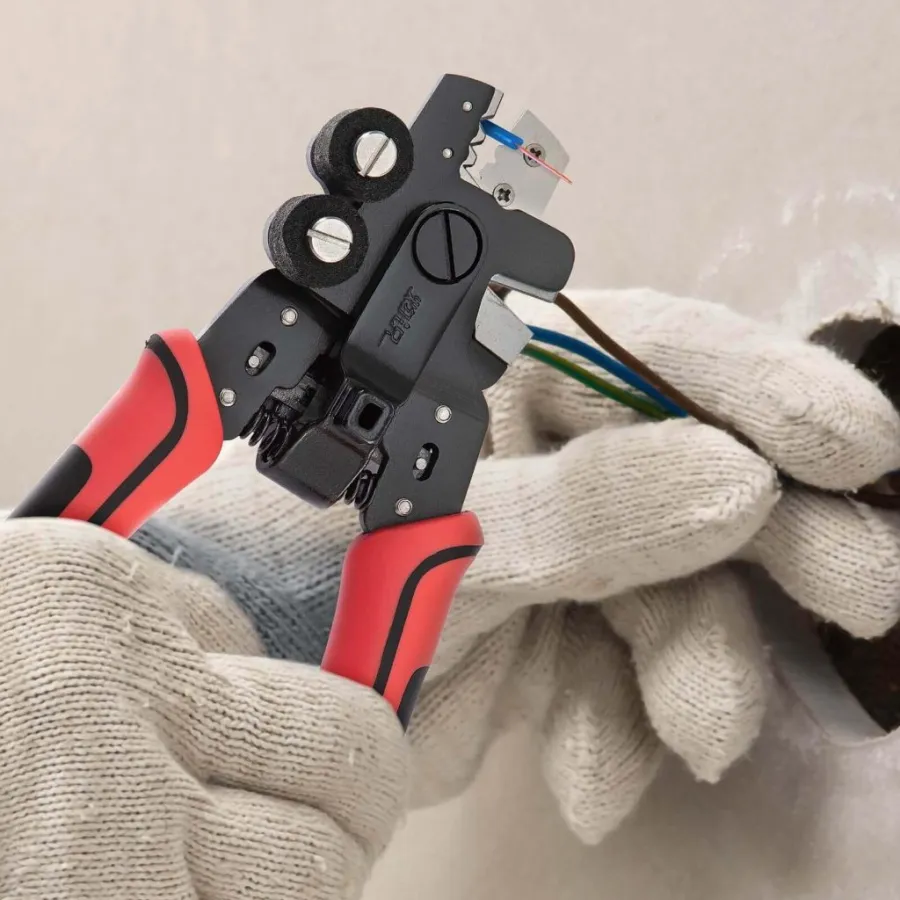
Wire strippers are necessary to remove insulation cleanly. İf stripping is done properly, it avoids nicking conductors as damaged wires weaken the connections.
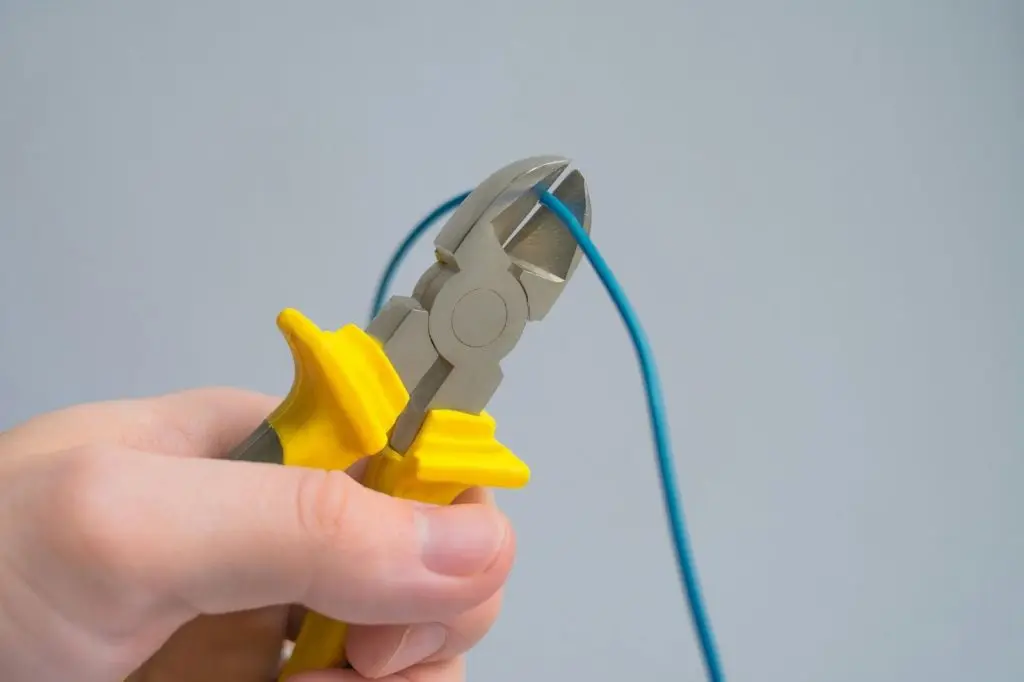
You will need cutters or a pipe wrench to trim the wire to the accurate length. An even length is necessary for better organisation. Clean cuts lessen the installation time period.
Terminal connectors assist in joining wires safely, and they also improve consistency. Beginners can benefit from their reliability.
Electrical outlet wiring step by step
- First, switch off the electrical circuit breaker. İt confirms the outlet has no power using a tester.
- Remove the outlet and faceplate precisely.
- Pull out the outlet to access wires.
- İdentify the ground and hot neutral wires and check if they have any damage or corrosion.
- Strip the wire ends if required.
- Connect the hot wire to the brass screw.
- Now connect the neutral wire to the silver screw.
- Next, attach the ground wire to the green screw.
- Check that all the connections are secured and tight.
- Push wires back precisely into the box.
- Mount the outlet and reinstall the faceplate securely.
- Restore the power supply and test for working.
These steps show how to wire an electrical outlet safely.
How to ensure long-term reliability in outlet wiring
The longevity of connections relies on installation quality. Neat connections lessen resistance. Sturdy and strong terminals prevent unnecessary movements.
Another thing that matters is the environment. Humid, dusty, and warm surroundings degrade wiring. For this, you have to look for the proper outlet type.
Besides these, regular inspections help to detect early problems and prevent costly repairs.
Proper wire termination techniques
You have to cut the wire ends properly to correct the length. Excessively exposed copper increases risk factors, and too little exposure leads to weakened contact.
Create hooks neatly around the screws to maintain even pressure. Make sure to wrap in a clockwise manner to prevent loosening.
Consistent termination gives an advantage to electrical outlet wiring, and uniform methods improve reliability.
Choosing the right connectors and crimps
Proper size is essential to avoid failures. Connectors should match the wire gauge. Make sure to check the specifications before installing.
Furthermore, the crimps should be uniform and tight because poor crimps cause resistance. Use quality tools to make a difference.
Using approved connectors enhances compliance and safety. Proper materials are necessary for reliable work in the long run.
FAQs
What color wires are used for electrical outlet wiring?
Red or black wires show power, and white wires are generally neutral conductors. Green or bare wires are for grounding purposes.
Can I wire an electrical outlet myself?
Basic outlet wiring is possible for beginners and DİYers. Local codes should allow it, but if you are uncertain, consider a professional for a safe installation.
What happens if an outlet is wired incorrectly?
İncorrect wiring leads to safety hazards, fire, and shocks. İn some cases, the devices may not function properly or even fail.
Are crimped connections better than twisted wires?
According to many professionals, crimped connections are better than twisted ones because they offer persistent pressure. They also resist loosening over time.
How do I ensure a secure electrical connection?
By using correct tools and connectors, tightening the terminals properly, and inspecting connections before restoring, you can have a secure connection.
Conclusion
Electrical outlet wiring is a manageable DIY project that can improve the functionality and safety of your home. Beginners should understand the fundamental tools and safety rules before starting. Careful consideration can prevent you from hazards and develop self-confidence.Follow this step-by-step guide to reduce mistakes. Use quality connectors for improved durability. Safe wiring is necessary for both property and people. You need to have patience and attention to manage electrical outlet wiring.