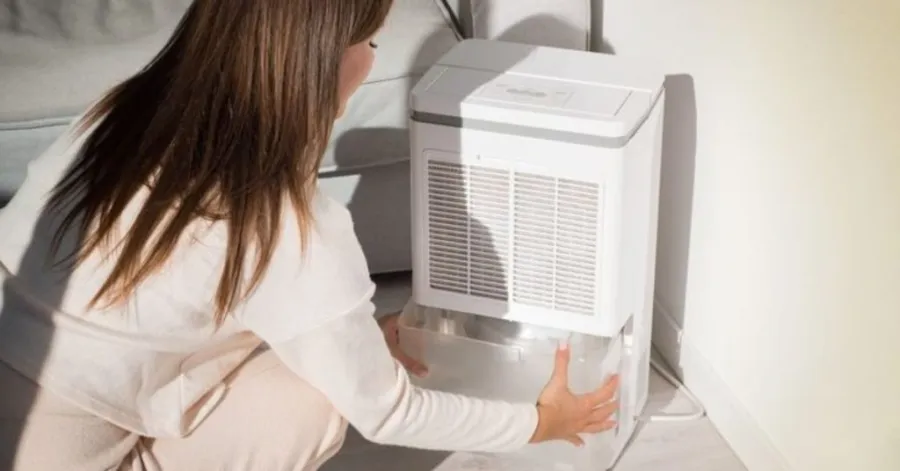
You can use a dehumidifier to prevent mold and start the battle against it in your home. When you lower the humidity, you stop mold from growing and spreading. Mold harms your health and damages your property. The dehumidifier for mold helps protect your health and your belongings. You win the battle against mold by choosing the right dehumidifier for mold, using it properly, and keeping it well-maintained. By controlling humidity, you make your home safer and cleaner.
What Causes Mold Growth in Homes?
The Role of Excess Humidity in Mold Development
If you have a humid home, you may be worried about mold. Mold requires water to exist and grow. Excessive moisture in the air is a favourite habitat for mould. Mold spores are continually floating in the air. They begin to grow while waiting for the right humidity. Controlling moisture is the key to preventing mold from growing. Mold can grow and ruin your property if you don’t monitor humidity levels.
Ideal Indoor Humidity Levels to Prevent Mold
Can a dehumidifier prevent mold growth? You should keep the right humidity in your home. Experts say the best indoor humidity is between 30% and 50%. If the humidity goes over 60%, mold can start to grow. You need to check the humidity often. Keeping humidity low makes it hard for mold to grow. This keeps you and your things safe. The right humidity stops mold from being a problem.
Common Areas Where Mold Thrives
It can be found in damp situations. The most common humid areas are kitchens, basements, bathtubs, and laundry rooms. Mold grows in dark, poorly ventilated spaces. Hidden spots. You’ll want to look under furniture, behind sinks, and around windows. Likely to be damp and so able to grow mould. If you observe water droplets or a musty smell, it may be a sign that mold is growing.
How Does a Dehumidifier Help Prevent Mold?

Reducing Moisture Levels in the Air
A dehumidifier helps lower the water content in the air. It takes moisture out and makes the air drier. Too much water in the air lets mold grow fast. When you use a dehumidifier to control mold and mildew, you make it harder for mold to survive. You should check the humidity regularly with a tool. Try to keep the humidity between 30% and 50%. This stops mold from spreading in your home.
Creating an Unfavorable Environment for Mold Spores
Mold spores float around and wait for wet air. High humidity gives them what they want. A dehumidifier keeps the air dry and stops mold from growing. Mold needs water to start growing. If the air is dry, mold spores cannot become a problem. You keep your home safe by making it hard for mold to grow.
Improving Indoor Air Quality and Comfort
Mold removal is not the only function of a dehumidifier. It makes it easier for you to breathe. If there is less water in the air, then there will be fewer dust mites and mold. It seems as though the air in your home is cleaner and fresher. People with asthma or allergies can benefit from this. The atmosphere in your home is less sticky, and it smells nicer.
- Benefits of using a dehumidifier:
- Less mold in your home
- Cleaner air to breathe
- More comfort for everyone
Protecting Walls, Furniture, and Belongings from Mold Damage
Mould can also damage other things you own, such as your walls and furniture. A dehumidifier can help prevent damage to these items. Humidity Level: High humidity levels can cause paint to discolor and wood to rot. Mold may damage and taint fabric. The dry air helps you save money and keeps the aesthetic value of your property. You will not have to pay for major repairs.
Can a Dehumidifier Get Rid of Existing Mold?

What a Dehumidifier Can and Cannot Do
A dehumidifier reduces the amount of water in the air. This helps stop mold from spreading to new places. The machine pulls water out and keeps rooms dry. If you keep the air dry, new mold will not grow. But a dehumidifier cannot clean up the mold you can see. You need to scrub mold off with the right cleaners. The machine helps control the air but does not remove stains or mold damage.
Dehumidifier vs. Mold Remediation: Understanding the Difference
It is crucial to recognize the difference between getting rid of mold and dry out the air. If you keep the air dry with a fan, mold won’t come back. Mold Removal Mold removal is the process of washing floors, walls and other surfaces to remove mold. You will need a few cleaners and tools to get this job done. A fan can get rid of mold, but it can’t generate mold. For optimal effects both should be used together.
When Professional Mold Removal Is Necessary
You should call an expert if you see a lot of mold or smell a strong musty odor. Mold can hide behind walls or under the floor. Professionals have specialized tools to find and remove hidden mold. You may need help if you feel sick or if the mold keeps coming back. Experts know how to handle big problems and keep your home safe. After they finish, you can use a dehumidifier to keep the air dry and prevent mold from returning.
Best Types of Dehumidifiers for Mold Prevention
Picking the right dehumidifier helps you stop mold. Different types work best in different rooms and situations. You should choose the one that fits your home and needs.
Refrigerant Dehumidifiers for Large Spaces
How to use a dehumidifier for mold prevention? A refrigerant dehumidifier is good for big rooms or basements. In order to remove water from the air, it makes use of cold coils. Locations that are both warm and wet are ideal for this variety. This can be utilized in areas where water accumulates rapidly. The majority of individuals choose to install these devices in large family rooms, garages, or basements.
Desiccant Dehumidifiers for Cooler Environments
Desiccant dehumidifiers are able to absorb moisture because they make use of a unique substance. It is possible to use them in cool spaces where other varieties are not effective. Your attic, crawl space, or cold room are all good places to put them to work. In order to function, these machines do not require warm air and are very silent.
Whole-House Dehumidifiers for Long-Term Mold Control
A whole-house dehumidifier connects to your home’s HVAC system. It lets you control the humidity in every room at once. This type gives you strong mold protection. You do not need to move the machine around. It is best to keep your entire home safe from mold for the long term. These are the best dehumidifiers for mold in basements.
Portable Dehumidifiers for Problem Areas
Portable dehumidifiers are compact and easy to transport. Bathrooms, closets, and laundry rooms are all good places to put them to use. Using this equipment, you can prevent mold from growing in areas where it is typically found. If you do not require them, you can put them away in a safe place. Mould can be kept away from problem areas with these simple measures.
- Use portable dehumidifiers for:
- Bathrooms that do not have good airflow
- Closets that smell musty
- Laundry rooms with wet air
How to Choose the Best Dehumidifier for Mold
Room Size and Coverage Capacity
Pick a dehumidifier that fits your room size. Small rooms need less power. Big rooms need a stronger machine. Look at the label for how much space it covers. A small unit in a big room will not work well. Measure your room before you buy anything.
Moisture Removal Rate (Pints per Day)
Each machine shows how much water it can remove daily. This is called the moisture removal rate. If your house is very humid, pick a higher number. Basements often need 50 pints or more each day. Bedrooms can use a lower number.
Energy Efficiency and Operating Costs
Choose a dehumidifier that uses little electricity. Look for the ENERGY STAR label to save money. Check how many watts it uses and compare models. Some machines cost more to run, so pick carefully.
Continuous Drainage vs. Manual Emptying
Some machines let you attach a hose to drain water. Others have a bucket you must empty by hand. If you use it a lot, a hose saves time. Buckets are fine for small rooms or if you do not use it often.
- Continuous drainage: Good for basements and laundry rooms.
- Manual emptying: Works for bedrooms and closets.
Built-In Humidistat and Smart Features
A built-in humidistat checks the humidity and turns the machine on or off. Smart features let you use your phone to control it. These tools help you keep the right humidity. Set your goal and let the machine do the work.
Noise Levels for Bedrooms and Living Areas
Noise is important if you use it in a bedroom or a living room. Check how loud it is before buying. Quiet machines help you sleep and relax. Loud ones are better for basements or garages.
Conclusion
You can protect your home from mold by using a dehumidifier. This tool keeps the air dry and stops mold from spreading. Regular care for your dehumidifier helps it work better. Check your indoor humidity often. Choose the right dehumidifier for your space.
FAQ
Can a dehumidifier completely stop mold from growing?
A dehumidifier makes the air less humid. This makes it hard for mold to grow. You still need to clean your home often. Fix any leaks you find right away. If you do not control moisture, mold can come back.
How often should you run a dehumidifier to prevent mold?
Run your dehumidifier every day in rooms that feel damp. Try to keep the humidity between 30% and 50%. Use a hygrometer to check the humidity level. Change the settings if the weather changes.
Where should you place your dehumidifier for the best results?
Put your dehumidifier in the middle of the room or near wet spots. Do not put it in corners or behind things. Make sure air can move around the machine.
What maintenance does a dehumidifier need?
Clean the filter once a month. Empty the water tank when it gets full. Wipe off dust from the outside. Taking care of your dehumidifier helps it work better.
Can you use a dehumidifier in winter?
You can use a dehumidifier in winter if your house feels damp. Desiccant models are better for cold rooms. Watch the humidity and change how you use it if needed.