Without enough oxygen, pond water degrades and the fish and plants inside it struggle to survive. Learning how to aerate a pond can help improve circulation, reduce stagnant areas, and support better water quality. What you choose depends on your pond’s size and needs, with options ranging from diffused air and surface aerators to solar setups, wind units, or living plants. Cloudy water, fish gulping air at the top, bad smells, or dense mats of algae are all indicators that oxygen might be running low. Small ponds can often get by on just a basic air pump and stone, but bigger setups usually call for more powerful hardware. This guide runs through standard aeration techniques to help you settle on the right approach.
How to Aerate a Pond: Easy Steps
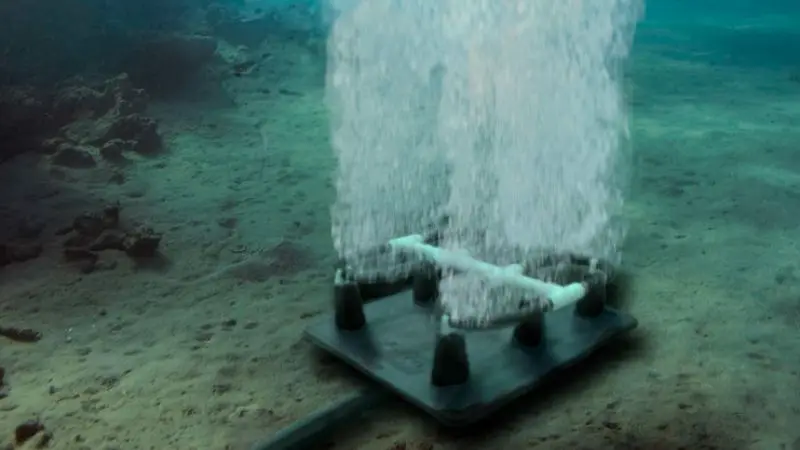
The right setup comes down to your pond’s dimensions, how deep it runs, and how much oxygen it actually demands. Certain setups pull water up from the pond floor, whereas others work by introducing oxygen right at the top.
Think about where your pond lacks oxygen the most and how much movement it actually needs before you buy any gear. These approaches will walk you through aerating a pond properly.
Recommended For Your Project
Step 1: Use a Pond Air Pump and Air Stones
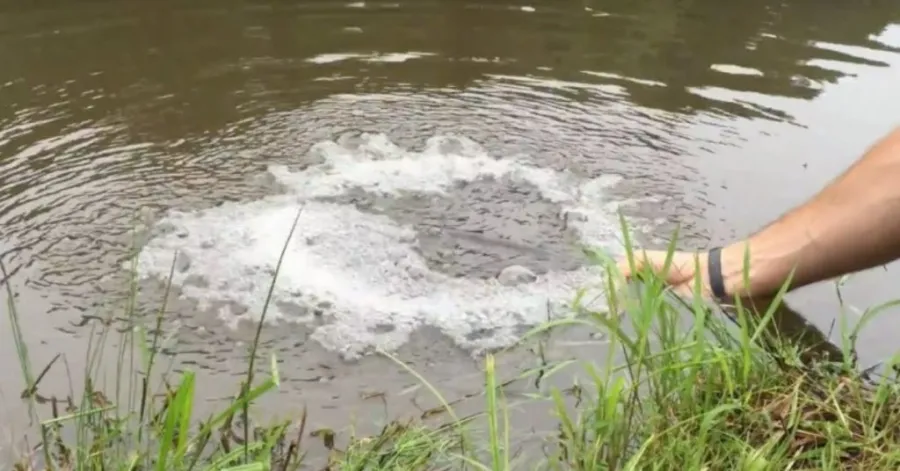
Pairing an air pump with air stones gives you an uncomplicated entry point into pond aeration. It is a simple way to aerate a pond, especially for small ponds. Air travels from the pump through the tubing and into the stones, sending tiny bubbles drifting through the water. Those rising bubbles drag oxygen-starved bottom water upward and help gases trade out at the surface. Set the pump on dry ground and attach the airline tubing to get the system running. Next, drop the air stone into a deeper section, which usually means two to three feet down for a lot of small ponds. If you don’t have access to power, solar pond aerators give you another way to go.
Step 2: Follow These Steps for Bottom-Diffused Aeration
Bottom-diffused aeration operates by pulling water up from the bottom toward the surface. This method works well when you need to aerate a pond with deeper water. That movement breaks up stagnant water layers and carries oxygen across more of the pond. Begin by setting the air pump somewhere dry and level close to the pond edge. Hook up the airline tubing, then fasten the air stone or diffuser to the end. Sink the diffuser into a deep spot, making sure it doesn’t rest right in loose muck. Switch the unit on and verify that there is a steady stream of bubbles coming up. If the pond is on the larger side, getting good circulation might take more than one diffuser. You can always scale things up down the road by fitting extra diffusers or air stones as demand grows.
Step 3: Install a Fountain Aerator
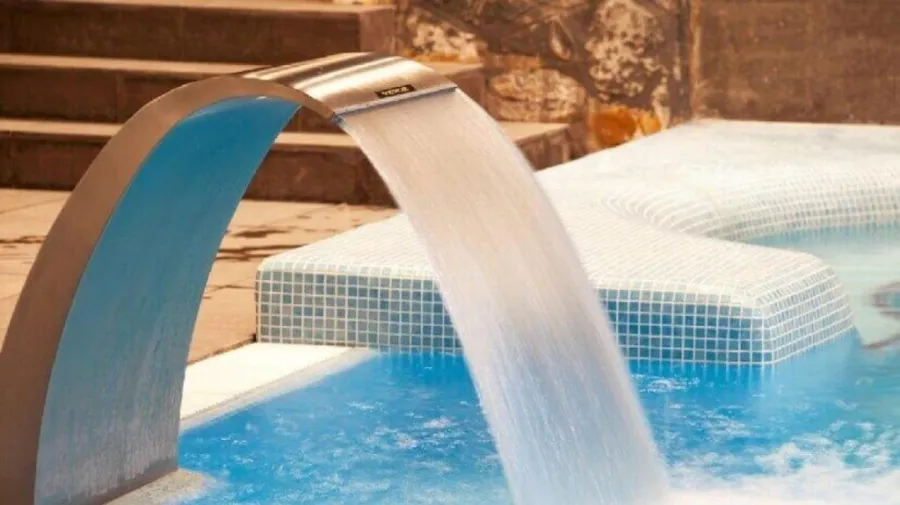
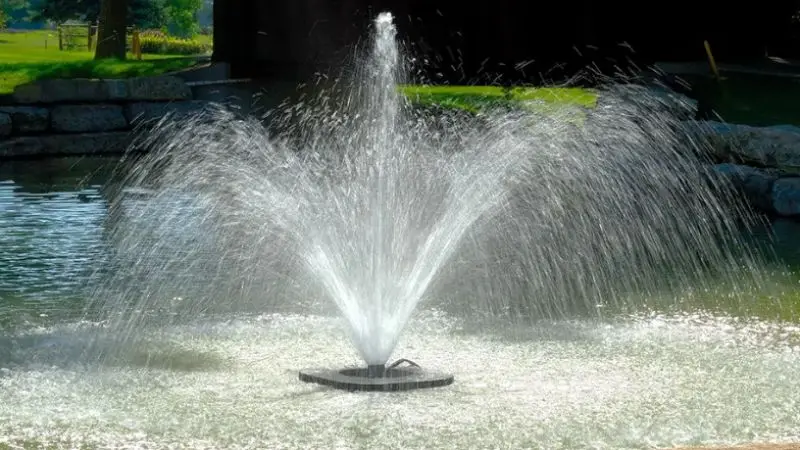
Fountain aerators introduce oxygen by shooting water into the air so it can splash back into the pond. This is another simple way to aerate a pond through surface water movement. Oxygen gets absorbed into the water as the droplets blend with the surrounding air. Beyond moving the water’s surface, this setup can double as a visual accent for the pond. Installation starts by attaching the fountain head to an appropriate submersible pump. Set the pump roughly 18 to 24 inches down, guided by your specific gear and the state of the pond. Set it where the spray can turn over the water without kicking up muck from the bottom. Fountains suit shallow water particularly well, since moving the top layer is often plenty to cover aeration needs.
Step 4: Consider Other Pond Aeration Methods
If standard fountains or air pumps do not fit your situation, alternative aeration setups are available. This is another simple way to aerate a pond through surface water movement. Where breezes are reliable, wind-powered aerators drive air into the pond using the wind itself. That said, their performance shifts with the weather. Solar setups give you a separate off-grid path, running at their peak when direct sun hits the panel. Because they do not rely on sunshine or a breeze, electric units run far more reliably. Base your equipment choice on how big and deep the pond is, what power is on hand, and how much oxygen the water demands. Diffused air usually serves deeper water best, whereas a surface system can be plenty for a shallow pond.
How to Choose the Right Pond Aeration Method
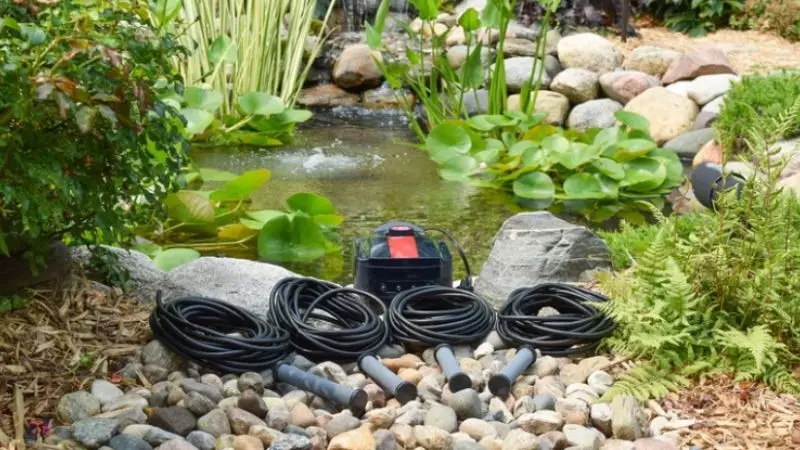
Aerating a pond properly comes down in large part to picking the right setup. How much aeration you need depends on all four variables: the pond’s size, its depth, the fish load, and what power is available. Those same details will point you toward the style of aerator that makes the most sense.
Before deciding when is the best time to aerate a pond, consider the pond’s condition and oxygen needs throughout the day. When the system is sized correctly, it keeps the water moving steadily without running up power bills for no reason.
Consider Pond Size and Depth
Check the pond’s depth before deciding how to aerate a pond. If the pond is shallow, under four feet, a small air pump, fountain, or waterfall might be all it needs. Once a pond has real depth, it takes gear capable of pulling bottom water all the way to the top. With bottom-diffused systems, a diffuser rests on the pond bed and releases a stream of rising bubbles. That rising action turns the whole water column over and cuts down on dead, stagnant pockets. A big pond might also call for multiple diffusers, since a single air stone cannot always circulate the whole basin.
Consider Fish and Aquatic Life
Fish and other aquatic life affect how often should you aerate a pond because they consume oxygen as they live and grow. A pond with more fish may need you to aerate a pond more often. When a pond is heavily stocked with fish, oxygen can drop off much faster, particularly once the weather heats up. Plants change the oxygen equation too, adding it during the day under sunlight and using it back up overnight. Keeping an eye on how your fish act can tip you off to low oxygen before it becomes a disaster. When fish hang right at the surface or look like they are gulping air, the pond is likely short on aeration. Tuning your aerator run times to match the season and your fish numbers helps keep oxygen at a much safer level.
Consider Budget and Power Source
Your budget and available power source also influence how long should you aerate a pond. Putting in a small fountain or air pump might be cheaper upfront, whereas deeper or larger ponds often call for more gear in a bottom-diffused setup. If you have a dependable electrical hookup, electric units will run consistently. If you do not have electricity nearby, solar units are a solid alternative, though they rely entirely on having enough sun. Look at ongoing electrical bills alongside the sticker price when weighing different options. If the unit matches the pond, it will keep water moving without pulling excess electricity.
How Long and How Often Should You Aerate a Pond?
How much you need to run the system shifts with the weather, water temperature, pond dimensions, and the number of fish. Knowing how long should you aerate a pond helps you provide enough oxygen without running the system more than necessary.
Ponds often need extra aeration hours when the air is stagnant, or temperatures spike. Below, you will find details on daily schedules, seasonal adjustments, and the physical signs that oxygen is running low.
Does a Pond Aerator Need to Run 24/7?
Leaving the unit on all day and night keeps the water moving steadily, but every pond has its own needs. If you are unsure how many hours a day should a pond aerator run, start with several hours and observe how fish respond. Water that has sat still for months or years usually needs aeration introduced slowly. Begin with just a couple of hours daily, building up the duration every few days. If the setup is already well established and oxygen demand spikes, running it for longer stretches can make sense. When the air is hot, or the wind dies down, running the unit non-stop helps keep oxygen numbers from dipping.
How Long to Aerate a Pond in Summer
Summer requires extra attention when deciding how to aerate a pond in summer. Warmer water simply cannot hold as much dissolved oxygen, even as fish and pond life keep burning through it at elevated rates. Algae blooms drive sharp swings in oxygen, particularly once the sun goes down. Extending aeration times helps keep the water moving and preserves oxygen through stagnant or high-heat days. A heavier fish population might mean you have to run the system even longer. No single schedule works across all ponds. Keep an eye on water temperature, pond conditions, and how the fish act, making small changes to the aerator only as required.
How to Aerate a Pond in Winter
Winter changes how to aerate a pond in winter because cold conditions can affect water circulation and fish survival. Do not drop a diffuser into the deepest pocket and blast it if the pond surface freezes over entirely. Vigorous circulation at the bottom pulls the deeper, warmer water up to the top and breaks up the pond’s natural thermal layering. Move the diffuser up into shallower water instead, or turn down the flow to suit your local weather. Moderate aeration can still serve a purpose if your pond stays largely free of ice through the winter. Maintain a hole in the ice when needed, tweaking the setup as weather and water temperatures shift.
Watch for Signs of Low Oxygen
Knowing how often it is necessary to aerate a pond also means observing what happens in the water, rather than following the established schedule. Shifts in the pond frequently appear as fish flowing the surface or burning into the air, alongside bad odours, debris, or fast-growing algae. Oxygen demand increases when a pond is full of fish, stifled by organic rot and debris, or sits through extended periods of calm. Step up the aeration in phases as you see it, instead of letting it all spin in one go. Vigorous circulation can kick the bottom of the mud and leave the water cloudy for a while. Keeping an eye on things allows you to dial in running hours so conditions remain more stable for fish and other pond life.
Pond Aeration Tips and Maintenance
Putting hardware in the right spots and staying on top of routine care will help your aerator run at its best. Understanding the mechanics of aeration is only one piece of keeping water moving properly across all four seasons.
Minor faults anywhere in the pump, line, or diffuser can choke off air delivery and drag down oxygen. Inspect the gear on a regular schedule and make quick fixes before you lose operating performance.
Position Air Stones and Diffusers Correctly
Placing your hardware in a proper place is the key to getting effective aeration from a pond. With a bottom diffused system, the diffuser is put in a deep spot that works well for water circulation without pedalling loose muck. Keep the air stones away from the shoreline and off shallow spots that tend to choke the circulation. You want the rising bubbles to play out a uniform roll over the surface, not like boiling water. Larger ponds require different diffusers, scattered in various zones, to get full coverage. Moving the diffusers often restores spots where water sits dead or doesn’t move. Getting the right aerator placement helps push more water and evenly distribute oxygen.
Keep Pumps and Air Lines Clean
A clean setup keeps air moving freely, which makes it much easier to dial in your daily aeration schedule. Inspect the pond pump, tubing, fittings, and every diffuser every couple of weeks. Check for signs of cracked or leaking lines, mineral crust, and fouled diffusers. A clogged diffuser will not release as many bubbles, and cracked tubing bleeds off air before it ever hits the water. Follow the manufacturer’s guidelines to clean every part, and swap out anything that looks worn. Keep an eye out for sluggish fish or any gathered at the top gasping for air. Testing water quality, temperature, and dissolved oxygen levels is a reliable way to catch trouble early. Equipment kept in good order keeps aeration steady through every season.
Wrap Up
With these basics below, you can properly aeration your pond and choose a fit-to-size approach, depth, power supply and cost limits. Start by finding oxygen loss symptoms, setting your equipment up in the right places and staying aware of the cleaning process. Beginners should try a basic diffuser or solar-powered aerator, adjusting the time it can operate according to seasons and weather conditions. Check out the regular water tests and watch your fish behave during peak summer heat periods and icy winter. Proper aeration is a continuous routine, not something that is done after installation. Easy and continuously maintained gear helps to support better water, hardier fish and the best pond all year round.
FAQs
Which water garden pumps work best in fountains, and what sets them apart from one another?
Finding the right fountain pump comes down to how tall the water needs to lift, the feature’s physical size, and the flow you want. Submersible units work well for compact features, whereas bigger fountains demand pumps with greater output. Either type can agitate the water surface enough to help oxygen move into the pond.
What are the best water garden pumps for a koi pond, and what makes them suitable?
Koi ponds need pumps that run reliably, keep current moving steadily, and integrate cleanly with filtration equipment. Pick a pump sized to your pond’s volume, your fish count, the head height, and the necessary flow to keep the water in good shape.
Which water garden pumps perform best when driving a stream or waterfall?
A waterfall pump needs to push enough water at the exact height of your feature. Look at the maximum head rating alongside the flow rate before you buy anything. Water in motion churns the surface, which keeps currents moving through the pond and helps air move into the water.
Which energy-efficient water garden pumps rank highest, and how much off an electric bill can they actually cut?
As a rule, efficient pumps pull less power while still keeping the pond properly circulated. What you actually save comes down to local utility rates, how many hours the pump runs, and its wattage. Weigh electrical draw against flow output to figure out what you might save on your own pond setup.
Which water garden pumps hold up best in ponds loaded with leaves and loose debris?
When a pond collects heavy buildup, it requires a pump built to pass bigger solids without clogging up. Pick the right style of intake, and make sure you clean the pump out on a regular schedule. Pulling out fallen leaves and decaying matter also keeps water flowing without interruptions.