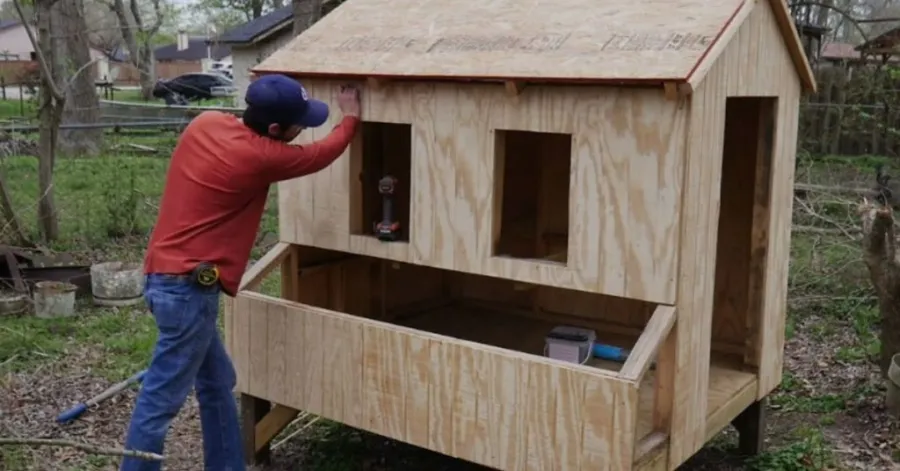
You may be wondering whether someone who is not an expert can build a chicken coop using chicken coop construction plans. The answer is yes! There are also many free, easy-to-follow plans for a chicken coop aimed at beginners. No, that is why you do not require any special carpentry skills; you only need a few basic tools and a positive mind. Step-by-step instructions demonstrate every step clearly and make it easy to build a safe and comfortable home for your backyard chickens. Even novice builders can create a functional, enjoyable chicken coop with free resources and useful tips.
Key Features to Look for in Chicken Coop Construction Plans
When planning your backyard flock, it is important to choose the right chicken coop. A well-designed chicken coop will help create a safe, comfortable, and productive home for your chickens. Spacing and airflow, predator protection, cleaning, and many other design features can influence the health of your flock and its egg-laying performance. Knowledge of such features will help you make decisions or tailor coop plans that are most suitable for your yard and needs.
Size and Space Requirements per Chicken
One of the most important aspects of the chicken coop construction plans is proper space. Chickens should have space to move, eat, and rest comfortably. Overcrowding them can cause stress, pecking, and even illness, which can decrease egg production. The minimum area suggested by most experts is 21/2 to 4 sq feet per bird within the coop, although larger breeds require more. The appropriate size will avoid stress and keep your flock healthy. The number and type of chickens you have is a part of the considerations you make when planning your coop plans, since you need to plan the interior space to accommodate their natural behavior.
Ventilation and Insulation Design
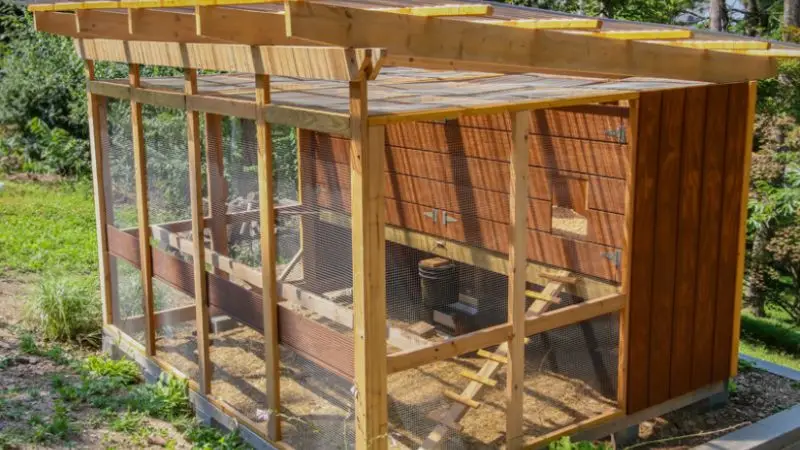
Proper airflow and temperature control are the beginning of a healthy flock. Good beginner-friendly chicken coop plans always include well-planned ventilation and insulation. Proper ventilation eliminates moisture and ammonia, which are harmful to chickens’ respiratory systems. Creating a cross-ventilated, vent-like area by designing the structure with at least two windows near the roof allows warm, moist air to escape. Meanwhile, the walls and ceiling are insulated to keep the coop warm in winter and cool in summer. Foam boards will work, or you can go to the deep litter method to add more warmth. Also, when insulating, it must not be air-tight, as fresh air is vital to a healthy, productive flock.
Nesting Boxes and Roosting Bars
Old nesting boxes and roosting bars are what you need to stimulate the laying of eggs and also minimize the stress in your chickens. In your step-by-step chick coop building manual, you must have at least two nesting boxes, enough to house four or five hens. Each bird should be allowed 8-10 inches of perch area. This is because hens are well fed and have enough nesting and perching space, preventing them from laying eggs on the floor or competing. A properly built coop will attract the hens to lay their eggs in the right place, stay relaxed, and enhance the overall productivity of a flock. Natural pre-lay behaviors are also enhanced by proper nesting arrangements.
Predator-Proofing Techniques
Any home flock must provide security to their chickens against predators. Smart, portable chicken coop design in small yards will have features that would keep away raccoons, foxes, hawks and even locally available dogs. Make it excavate the bottom, lay the fencing in an L shape and cover the top of the run so that it does not strike the air. Block all holes, visit feed in safe containers, using wood or metal flashing. The breaches of the predators are also prevented by checking and fixing. A secure coop does not only guarantee that your flock is safe but it also leaves you with peace of mind.
Easy Cleaning and Maintenance Design
When your coop is scheduled for cleaning, it is easier to maintain every day. Popular features of DIY chicken coop plans include walk-in access, non-porous flooring, removable roosts and nesting boxes, and so on. Droppings boards and absorbent bedding are used to control moisture and waste. Ventilation ensures that there is fresh air and less odor. The availability of easily accessible doors will also make routine cleaning of the premises less time-consuming, thereby simplifying upkeep. A coop that is easy to clean will ensure disease is prevented, the number of pests is reduced, and your chickens are happy and productive over the years. A couple of minutes a day keeps your flock in a healthy setting.
@frankbrooks8 Replying to @Apphole a coop is anything you make it that’s enclosed 🤷🏻♂️#chickens #chickencoop #chickenrun #vevor #tiktokshopblackfriday
♬ original sound – FrankzFindz 🗝️
Tools and Materials Needed for Building a Chicken Coop
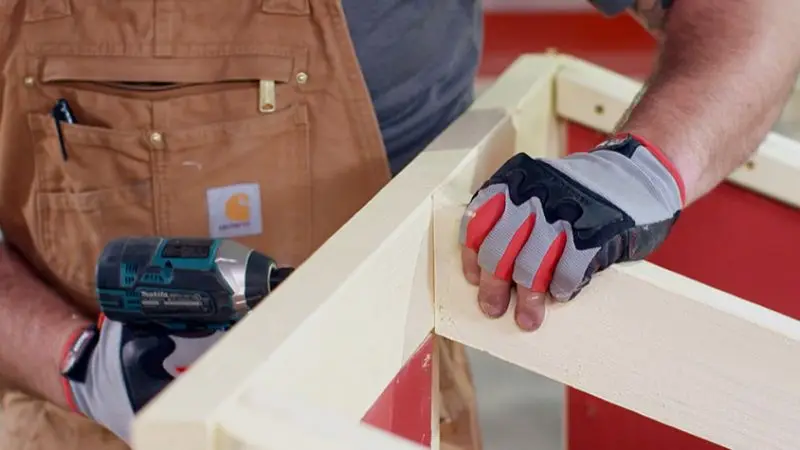
A chicken coop is an easy and enjoyable job to complete when planned. With the right tools and materials and a step-by-step plan for building a chicken coop, even with zero experience, one can create a safe and durable home for their flock. Planning can ensure that your coop will last for many years and that the chickens will stay healthy and safe. You will not have to spend on expensive apparatus, only the necessary tools, useful materials, and clever construction methods.
Essential Tools Checklist
It does not require a professional workshop to follow the beginner-friendly plans of chicken coops. The majority of the necessary equipment is probably in the house. These are devices that guide you to measure, cut, and assemble your coop with the safety you need:
- Tape, carpenter square, and level to ethically get everything straight.
- Pencil to draw the cuts and layouts.
- Circular saw and miter saw to make precise cuts.
- Screw and assembly drill or driver.
- Hammer and nail gun to slap parts together.
- Bend breaker and grinder of edges.
- Pocket hole jig for solid joints.
In case you do not possess a tool, you can borrow it from a neighbor or go to a local tool library. The availability of the correct tools will make the construction process quicker, safer, and more efficient.
Recommended Building Materials
To construct a great, weather-resistant, and predator-proof coop, quality materials are needed. These construction plans of chicken coops typically incorporate:
- The frame and structure are treated with wood.
- Rain and snow-resistant metal roofing.
- Strong screws, hinges, and fasteners.
- Wireless windows and vents to keep predators out.
- Wall and ceiling insulation in cold climates.
The type of materials used, their strength, and durability, make sure that your coop lasts many years, yet allows chickens to be safe, comfortable, and healthy throughout the seasons.
Budget-Friendly Material Alternatives
It does not require much money to create a working coop. The disadvantage of adhering to the budget-friendly DIY instructions on how to build a chicken coop is that you save money, yet it enables you to make a secure home. Consider:
- Recycled wood or a used cabinet door as nesting boxes.
- Using scrap wood to prepare bars to be roasted.
- Using wood shavings or hay for flooring
- Putting leftover lumber on the coop to raise it above the ground in order to keep it dry.
- Browsing second-hand stores or online auctions to get cheap hardware.
It is possible to create a comfortable, long-lasting, and non-dangerous chicken coop without spending a fortune with intelligent decisions and creativity.
Step-by-Step Guide to Building a Chicken Coop
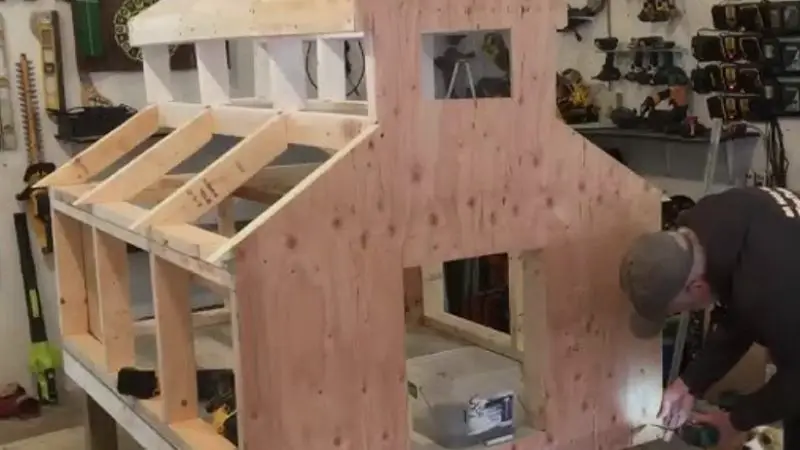
Constructing a chicken coop on your own may be a rather easy and entertaining task when you have a clear plan. With simple instructions on how to build a chicken coop that is easy to follow, it is possible to build your flock a safe, comfortable, and efficient home. The location you select for where you predator-proof all the steps will count towards the well-being and performance of your chickens. This tool of step-by-step instructions will come with you and build you an easy time even when you are constructing the coop, as you are a novice.
Step 1: Choose the Right Location
Choosing the ideal location will be the first step in any plans to build a chicken coop. A suitable environment will benefit your life and keep your chickens satisfied. Find a spot with a mix of light and dark areas, since the chicken only likes being in the sun but needs a cool place to sleep. Make sure the space is exposed to daylight, at least in winter. Eradicate any harmful vegetation around and keep a lookout for any local predators. Make the coop near your house so that the coop can easily be fed and the eggs collected. Lastly, verify local regulations on checks and select a level and well-drained ground to prevent puddles and mud.
Step 2: Prepare the Foundation
Your coop will have a firm base that will keep it safe, dry, and durable. There are a variety of options available using small yard plans of portable chicken coops:
- Wood floors are raised to ensure that the chickens do not get in touch with wet soil and are easy to clean.
- Concrete piers are firm and stable in the long term.
- Pole barn foundations are post-driven to the ground to offer balance and strength.
- Pests are avoided using concrete floors, and sanitation is easier.
The types of foundation to use are determined by your yard, climate, and the size of your flock. A firm foundation will ensure that your chickens stay dry, cold, and safe against predators.
Step 3: Build the Coop Frame
The frame is the framework of your coop. The frame in most of the low-cost DIY plans of chicken coops utilizes wood since it is strong and simple to handle. Measure twice, cut once, and no matter long results, always use treated lumber. Ensure that the frame is level and square because this will determine how stable your coop will be. This course gives the base on which walls, roofing, and others shall be put, and therefore, you should take your time to be accurate. A great foundation is the foundation for the construction of a safe and sturdy home for your flock.
Step 4: Install Walls and Roofing
Weather and predators shelter you, chickens, through your walls and your roof. Simple step-by-step chicken hut instructional materials commonly suggest:
- Wood walls – inherently insulating, make the coop warm/cool but require treated wood and weather finish.
- Metal roofing – long-lasting, sheds rain and snow; however, it may reach high or low temperatures.
- Composite boards are cleanable and lightweight, although prone to warping or cracking during extreme weather.
Walls are commonly made of wood, with the roofing made of metal. A safe and comfortable coop year-round can be insulated and appropriately sealed.
Step 5: Add Nesting Boxes and Roosts
The nesting boxes and roosts provide chickens with a comfortable space to rest and lay eggs. The nesting box must be located in a quiet, shaded area, approximately 1-3 feet off the ground, with a ramp for easy access. The route should remain unobstructed, and the air must circulate to avoid moisture. Roosts must be elevated above the nesting boxes, thus ensuring hens select the appropriate sleeping location. Adherence to the plans for free chicken coop construction ensures that the design will encourage natural behaviors, reduce stress, and increase egg-laying productivity.
Step 6: Install Doors and Ventilation
In a healthy flock, proper doors and ventilation are essential. Collect simple materials such as a measuring tape, a hole saw, mesh, and hinges. High vents should be cut to prevent drafts and covered with a mesh to prevent pest entry. Vent covers are made to enable you to regulate airflow on a seasonal basis. Doors are to be closed, with powerful locks and hinges, in order to exclude predators. When incorporating cheap DIY chicken coop plans, it is easier to architecturally plan the airflow of the structure and the security access points to ensure that your chickens are comfortable and safe all year round.
Step 7: Secure the Coop from Predators
Predator-proofing will assist you in providing safety to your flock and give you peace of mind. Replace normal chicken wire with hard cloth for better protection. Make some repairs to the floor, and cover it with netting or a roof. Walls, doors, and window locks help prevent intrusions, and in the case of larger predators, electric fences can repel them. Even simple plans of portable chicken coops designed to suit small yards contain techniques of keeping chickens safe. In this way, you can be sure that your flock is healthy, especially that it is happy and productive, and this will make your coop a safe home in the days to come.
Free vs Paid Chicken Coop Construction Plans
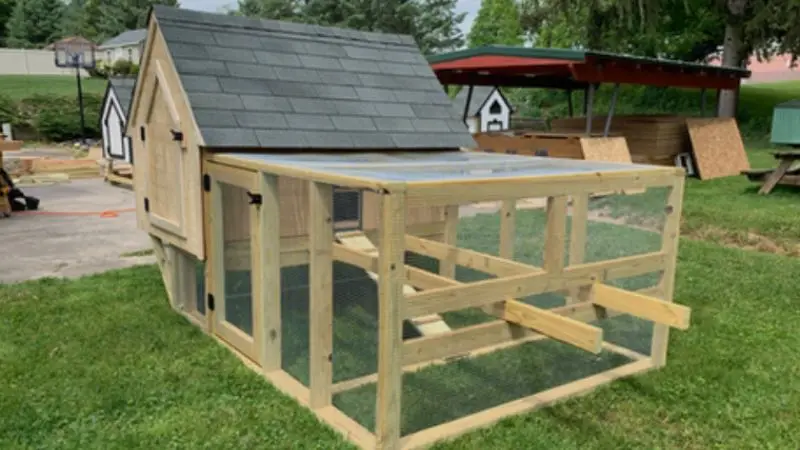
The correct plan is a significant step in constructing your backyard chicken coop. The free and paid plans of the chicken coop construction have benefits that relate to your experience, budget, and the size of the flock. Knowing the differences will help you make an informed decision and ensure that your coop is safe, functional, and easy to maintain.
Pros and Cons of Free Plans
Many beginners use freely available plans for building a chicken coop because they are easy to access and cost-effective. The free plans are exceptional for learning the basics and building a small flock in a simple coop. They tend to consist of step-by-step processes and simple plans.
Advantages:
- No capital expenditure, and cost-effective.
- Assists in making your progress fast.
- Gives a straightforward instruction on little flocks.
- Can allow you to be creative and add your own ideas.
Disadvantages:
- May does not provide information on predator-proofing or ventilation.
- Limited in both features and longevity.
- During construction, you may be forced to make design changes.
Free plans are an excellent starting point if you like DIY projects and would like a plain coop without spending money.
Advantages of Premium Plans
Plans for premium chicken coops are more detailed and include additional features. They contain elaborate illustrations, step-by-step instructions, and professional advice. The plans will save time, avoid errors, and give a sustainable and workable coop.
Typical premium plan advantages are:
- Sturdy construction and weather- and time-resistance.
- Integrated feed/tools storage.
- Safety hardware, like predator-proof flocks.
- Excellent ventilation for fresh air without drafts
- Smooth surfaces, such as tray-outs, can be easily washed.
- Good material to support the long-term building of a structure.
- Optional automated such as doors.
- Well-insulated to be comfortable all year round.
- Enough space outside to roam around in.
- Powerful warranties in the name of additional peace of mind.
Paying a premium is a good choice if you want a comprehensive guide and a durable coop.
Where to Find Reliable Plans Online
Free and paid, no matter what, a wide range of trusted websites provides credible step-by-step guides to building a chicken coop. Popular options include:
- Easy Coops – More than 40 beginner projects.
- Backyard Chicken – Complete coop and run designs and tips.
- Homesteading and DIY blogs -Credible advice and customer feedback.
Never leave without reading reviews and making sure there are clear guidelines and pictures. The right guide keeps your coop safe, comfortable, and efficient, helps your chickens flourish, and provides you with a pleasant building experience.
Common Mistakes to Avoid When Building a Chicken Coop
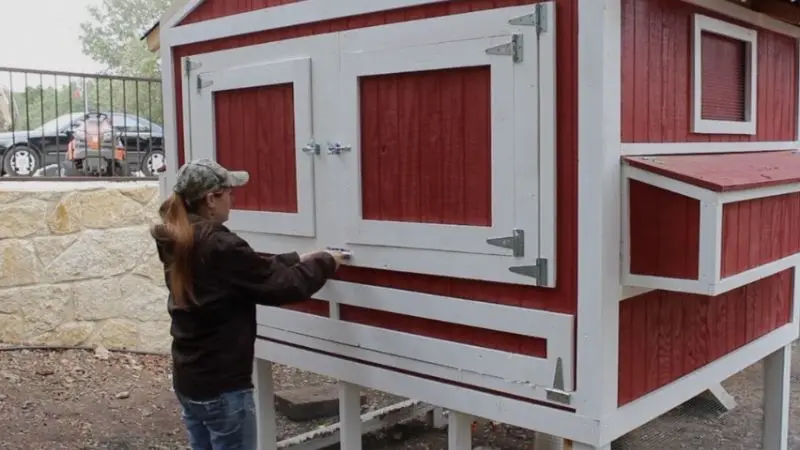
The first chicken coop is a great way to get excited, although there is a risk of making mistakes during construction due to a lack of steps and haste. Minor mistakes can affect the health, comfort, and productivity of your chickens. By recognizing the pitfalls most people fall into, you can prevent issues and create a safe, efficient coop. Trying to follow simple instructions for building a chicken coop means you will not overlook a single detail, as long as you read about the space and ventilation, predator-proofing, and the quality of the materials. By eliminating these errors, you will have more time, less irritation, and less money spent, while keeping your flock healthy and happy.
Overcrowding Chickens
The urge to have as many chickens as possible raises serious problems caused by overcrowding. Any bird needs some space to stretch, run, and rest. Excessive chickens in a small confined space result in stress and fighting, as well as lower egg production. Planning for the construction of a chicken coop will ensure that each chicken has sufficient space to remain healthy. Proper space enables hens to exhibit their natural behaviors, leading to a lower risk of disease and a more consistent egg production. The number of flock and the breed must always dictate the size of your coop. The appropriate spacing ensures that there are no issues with behavior, and your chickens will live to be happy, calm, and productive for years.
Poor Ventilation Setup
It is good to keep the chickens warm, but you should not seal the coop closed since it can cause a barrier. Lack of proper airflow results in the accumulation of moisture and ammonia, which leads to difficulty in breathing and disease. Walls or the roof have high vents through which warm and damp air can escape and help in keeping the interior comfortable during winter. There are step-by-step guides on chicken coop building, and this would make sure you install ventilation properly. Air circulation will make the coop fresh, regulate smells, and promote healthy feathering and egg-laying. Such seasonal modifications, such as vent covers, help you manage drafts and ensure your flock is safe and comfortable at all times.
Ignoring Predator Protection
Preys are intelligent and opportunistic. Failing to use proper locks, wire, or fencing may endanger your chickens. Novices also undervalue raccoons, foxes, or even dogs in the neighborhood. It is necessary to use heavyweight hardware cloth, to bury fencing around the run, and to check that there are no weak spots. Plans for free chicken coop construction and high-quality guides underscore the importance of making the coops predator-proof as a top priority. Everything to keep your chickens alive, prevent stress, and keep them living. A safe coop makes you peaceful, and your time spent working hard is not wasted on predators.
Using Low-Quality Materials
Using low-cost materials or inferior materials may tempt one to save money, but in most cases, this ends up backfiring. Bad weather can cause thin wood to warp, rot, or break, and light coops can blow over in the wind. Strong wood, treated wood, and long-lasting hardware will make your embarkation plans for the cheap DIY chicken coop last a few years. The high-quality materials will be used, and will not only ensure your chickens are not exposed to storms, predators, and other dangers but will also require minimal maintenance. A sound investment in a well-built building will save your flock time and money as it grows and give them a safe, long-term habitat.
Wrap Up
Achieving a chicken coop is a good undertaking for any backyard farmer. With step-by-step guidance toward chicken coop building or a series of plans of beginner-friendly chicken coops, one is able to build a secure, accessible, and efficient home for the flock. The consideration of space, airflow, predator proofing, and good materials means that even in winter, your hen will remain healthy and happy. Regardless of having free construction plans of a chicken coop or the premium plans, proper planning will save time, money, and energy. Backyard chicken keeping is easy and fun with the right tools and materials, and small yard designs can fit even the smallest yards, offering a portable chicken coop.
FAQ
How many chickens can I keep in my backyard coop?
A small coop can hold 3 to 5 chickens. Provide at least 3 square feet per chicken. More room will make happier and healthier birds.
Which is the optimal strip to use as chicken bedding?
Shavings of pine are nice. They absorb odor and get moisture. Straw can be cooled or even sand. Do not use cedar shavings, as they will hurt your chickens.
What is the frequency of washing my chicken coop?
Clean the coop after a week. clean up feces and change soiled linens. Have all systems cleaned once monthly. Regularly cleaning your coop helps maintain your chickens’ health and keeps your coop smelling good.
Is it possible to construct a chicken house using recycled materials?
Yes! Old pallets, old doors, or old windows can be used. Simply ensure that it is firm and secure. In building, check the nails or sharp edges.