But before you run out to buy a ceiling fan, examine these four vital elements of the room. This will ensure you get the right fan for your needs. First, make sure you have enough room to work with the fan parts. Measure the height of your ceiling to help you determine the ideal placement. There’s also a lot of moisture in the air, particularly in places like kitchens, bathtubs, and covered outdoor spaces. It’s important to have the right UL rating in these situations. Finally, the type of motor used also matters, since it impacts the airflow, noise, energy savings, and lifetime of the device.
In this article, you will learn about different ceiling fan types, how to measure your space, choose the proper fan for your ceiling height, match the UL rating to your room, and choose the right motor type.
Table of Contents
Quick Guide to Ceiling Fan Size and Motor Types
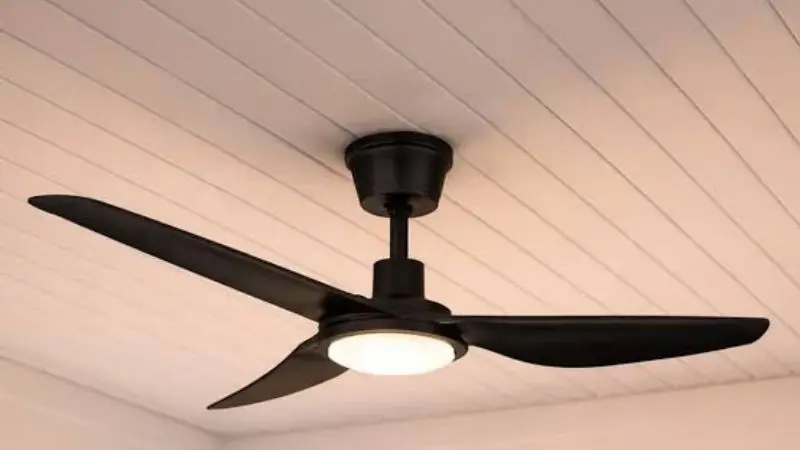
Selecting the proper size and kind of motor for your ceiling fan is vital to get the job done and save you money on energy expenditures. Which type of ceiling fan is best? It depends on your room size, UL location rating, and motor needs. Here’s a guide you may use to choose the proper fan diameter for your room size and UL location rating. A DC motor ceiling fan will operate effectively and quietly.
Recommended For Your Project
Use this quick ceiling fan size guide:
| Room Size | Fan Diameter | UL Location Rating |
| Up to 75 sq. ft. | 29″ – 36″ | Dry (Indoor) |
| 76 – 144 sq. ft. | 36″ – 44″ | Dry / Damp (Covered) |
| 144 – 225 sq. ft. | 44″ – 50″ | Damp / Wet (Patio) |
| Over 225 sq. ft. | 50″+ | Wet (Exposed Outdoor) |
Different ceiling fan types give different airflow. Pick a good DC motor ceiling fan for quiet use.
What Are The Various Types Of Ceiling Fans?
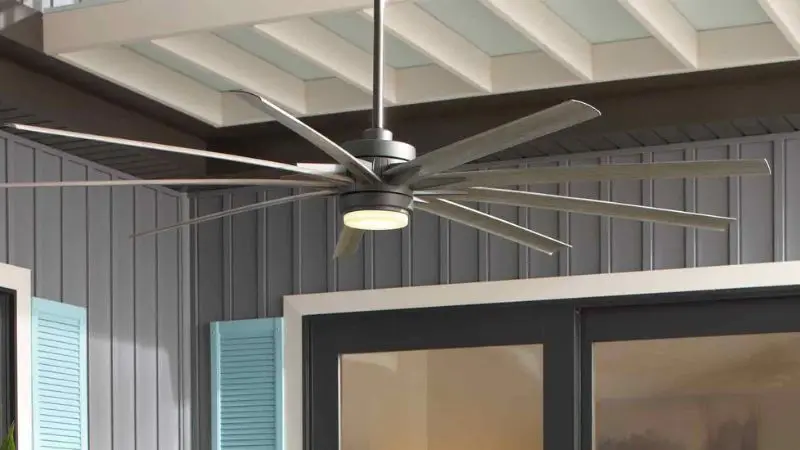
So, what are the different types of ceiling fans? There is a variety of ceiling fans in varying sizes, patterns, and styles to fit different rooms and purposes. Choosing the proper fan relies on your ceiling height, room size, airflow needs, and whether you’re going to use it indoors or outdoors. Browse these popular ceiling fan styles to pick the one that works best for your environment.
Standard Ceiling Fans
Regular styles of ceiling fans hang on a pole. They are used in nine-foot-high rooms. A conventional ceiling fan is popular with many people. Best Budget Fan For Quick Home Refreshes.
Low-Profile Ceiling Fans
Which ceiling fan is best for home? Low-profile fans mount directly to the ceiling. A wonderful ceiling fan for rooms with low ceilings. You maintain safe head room. You still get decent ventilation.
Flush-Mount Ceiling Fans
Flush-mount ceiling fans are a very helpful type of ceiling fan. They flat mount with no rod gap whatsoever. Go for this trendy ceiling fan design for compact spaces.
Dual-Motor Ceiling Fans
Which ceiling fan is best for a bedroom? Dual-motor fans consist of two individual fan heads. Both fan sections are held by one central bar. This design-forward fan is popular in large rooms.
Outdoor Ceiling Fans
Outdoor fans have robust blades and sealed covers. Find the best outdoor fan with wet ratings fast. These fans are rain-proof on open decks.
Quick Tip: Use damp-rated fans for covered porches and wet-rated fans for open outdoor areas.
Smart Ceiling Fans
Which type of ceiling fan is best? Smart fans hook up directly to your home Wi-Fi. Use your voice or your phone to control your smart ceiling fan. This contemporary ceiling fan type automatically changes speeds.
Energy-Efficient Ceiling Fans
Which ceiling fan is best for home? The fans are energy-efficient and use DC motors. They reduce your electric power use. You save more money per month. These energy-saving devices use less power to move the air.
Types of Ceiling Fans Based on Room Size
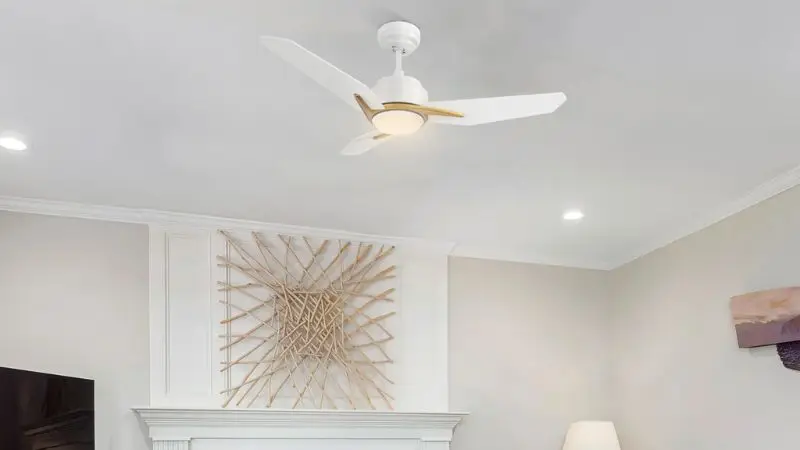
How many types of ceiling fans are there? Good air movement is needed in any environment. Room size and blade span should match. It is quite reassuring. It saves you on your power bills. First, measure your floor space. This helps you select sizes. Each fan provides a different airflow benefit. The benefits are influenced by room size.
| Space Type | Square Footage | Recommended Span |
| Small Space | Up to 75 sq. ft. | 29″ – 36″ |
| Medium Space | 76 – 144 sq. ft. | 36″ – 44″ |
| Large Space | 144 – 225 sq. ft. | 44″ – 50″ |
| Open Area | Over 225 sq. ft. | 50″+ |
Best Ceiling Fans for Small Rooms
Which ceiling fan is best for a small room? Small rooms require small models. Imagine little laundry rooms or walk-in closets. Choose from 29 to 36 inches. These little fans move air well. They don’t overpower small rooms.
Best Ceiling Fans for Medium-Sized Rooms
Normal bedrooms require a reasonable amount of fresh air. Kitchens need this air also. Choose 36 to 44 inches. This size fits well. Our guide is easy to follow. Find your home layout quickly. A good location is one with a continuous breeze. Air is moving in the room.
Best Ceiling Fans for Large Rooms
Large rooms demand strong air. Room size also helps determine which ceiling fan is best for a bedroom?, especially in larger open spaces. Even master bedrooms need air. Choose 44 to 50 inches. This makes for really comfy places. It operates all year round. Our tip: larger blades. They fit wide chairs easily.
Best Ceiling Fans for Open or Large Spaces
Big rooms demand the best air circulation. Open layouts need it too. Go 50 inches or larger. It easily cools large regions. It’s time to pick wide blades. You contribute to total home comfort.
Ceiling Fan Types Based on Blade Design
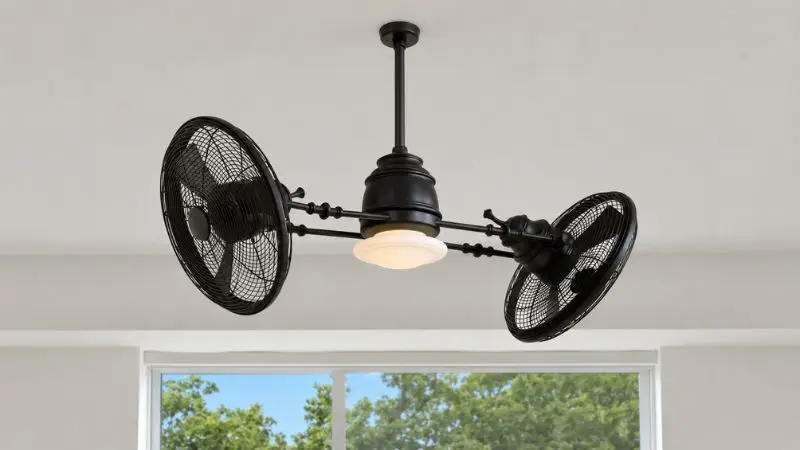
How many types of ceiling fans are there? Blade noise can be a big factor. Blade counts also affect breeze strength. Match your room to blade types. This means perfect performance comes home. Blade form changes airflow. It alters your everyday comfort. Each fan is differently operated. Construction dictates the total fan power.
| Blade Material | Best Placement | Key Advantage |
| Natural Wood | Indoor Living Rooms | Quiet Operation |
| Heavy Metal | Industrial Garages | Maximum Durability |
Three-Blade Ceiling Fans
Which ceiling fan is best for a living room? Three-blade fans are pretty slick-looking. They have aerodynamic shapes. These variants spin a lot faster. They create chilly, strong breezes. Choose a low-profile ceiling fan design. You soon catch up on your space.
Four-Blade Ceiling Fans
Four-blade variants have good air balancing. They have nice design touches. They blow air extremely softly. Motors are quite silent. You get terrific ideal airflow. You avoid excessive energy costs.
Five-Blade Ceiling Fans
Which type of ceiling fan is best? Fans with five blades can push a lot of air. They work extremely well. They are more stable in run. Put them in busy bedrooms. This is the style of ceiling fan. Enjoy quiet operation while sleeping.
Wooden Blade Ceiling Fans
The wooden blades provide a natural warmth. Craftsmen expertly carve lightweight timber. They slide easily on wood fibres. These fans are for dry locations. Use them in the living room. Choose a hefty ceiling fan. Real wood offers eternal beauty.
Metal Blade Ceiling Fans
Metal blades move large volumes of air. They do big open spaces. A steel structure resists poor deterioration. They’re used in workshops. Hang a metal ceiling fan up high. Keep Your Garage Floor Safe and Cool.
Ceiling Fan Types Based on Motor
What are the different types of ceiling fans? The motor drives every ceiling fan and impacts its performance. There are two primary types of motors to choose from: AC and DC. Each has its own airflow, noise, energy use, and cost to operate.
AC Motor Ceiling Fans
Older fans used AC motors. Ordinary wall switches control the AC ceiling fan. It gives strong air. The pricing is still low. But it takes more energy over time.
DC Motor Ceiling Fans
Which ceiling fan is best for a living room? Smart parts are used to transform power in DC motors. You have remotes to control these energy-saving fans. They offer six speeds for unique air control. You pay less each month.
BLDC Ceiling Fans
Brushless DC motors stop friction. They make relatively little heat. You get the incredibly quiet room breezes. This clever design saves power in the long run overall.
Which Ceiling Fan Motor Is Best?
Which type of ceiling fan is best depends on your budget, energy needs, and preferred performance. Use this chart to compare both:
| Motor Feature | AC Motor | DC / BLDC Motor |
| Upfront Cost | Budget-Friendly | Higher Initial Cost |
| Energy Use | Standard Power | Up to 70% Less Power |
| Speed Control | 3 Speed Settings | 6 Speed Settings |
Pick DC units for busy rooms. Use AC units for guest rooms.
Ceiling Fan Types Based on Mounting
The ceiling fan mount style might alter how your fan performs and looks in your room. Proper setup is vital for safe clearance, good ventilation, and comfortable operation. Always verify the room layout and ceiling height before deciding on a mounting type.
| Mounting Type | Ideal Ceiling Height | Best Room Location |
| Downrod | 9 Feet or Higher | Great Rooms & Vaulted Spaces |
| Flush-Mount | 8 Feet or Lower | Small Bedrooms & Low Spaces |
| Angled-Mount | Any Height (Sloped) | Attic Conversions & Cathedral Roofs |
Downrod Ceiling Fans
How many types of ceiling fans are there? Drop fans with downrods from height. They are necessary in spaces with high ceilings. Metallic Pipes Cuts Fan Positions. Rooms have excellent air conditioning.
Flush-Mount Ceiling Fans
Flush-mount units contact the drywall directly. These arrangements have no gaps. You may quickly conserve space high. Low chambers are quite nice.
Angled-Mount Ceiling Fans
Sloped roofs are attached using angled mounts. Special components hold rods straight. Your ceiling fan remains level. The unit operates silently.
Low-Ceiling Ceiling Fans
Low ceiling fans make areas safe. For those wondering which ceiling fan is best for a small room? Low-ceiling fans are a practical choice. You make room in the head fast. Air moves overall well. The blades stay safely up.
How to Choose the Right Ceiling Fan Type

When it comes to the best ceiling fan, there are a few things to consider. When choosing where to put it, consider the size of the room, the height of the ceiling, the mounting style, the type of motor, and the location. Which type of ceiling fan is best? For your space, this can help you make the right choice. Measure the area you have and the airflow you need to find a fan that meets your comfort, performance, and energy-efficiency needs.
Consider Your Room Size
The room size determines the selections. Which ceiling fan is best for home? Start by matching the fan size to your available space. Make it area-based.
Check Your Ceiling Height
Carefully measure floor to ceiling—long downrods are required for high places. Flush mounts are needed for low areas. Remember safety. Above floors-blades.
Choose the Right Blade Size
Which ceiling fan is best for a bedroom? Match blades to the size of the room. Choose the right size ceiling fan. Use the limits of the room. Read a Size Guide for Ceiling Fans. Simplify this step.
| Room Area | Ceiling Fan Size |
| Small (up to 75 sq ft) | 29 – 36 inches |
| Medium (76 – 144 sq ft) | 36 – 44 inches |
| Large (145 – 225 sq ft) | 44 – 50 inches |
Wrong sizes cut air motion. Check space dimensions again. Do this before buying units.
Compare Airflow and Speed Settings
Which ceiling fan is best for a living room? Check the label for ratings. Best airflow = High ratings. They are suitable for huge spaces. Speed parameters are adjustable. Change them every season. Ceiling fans create wind. Stay cosy all year round.
Look for Energy-Efficient Features
Which type of ceiling fan is best? Modern DC motors are more efficient. They reduce overall power consumption. Energy Star labels indicate efficiency. Get a ceiling fan quickly. Turn down your room heat. Cut your power bills easily.
Consider Noise Levels and Controls
Choose quiet motors for beds. Remotes are really convenient. Wall switches are good. Get a ceiling fan today. Smart Settings set temperature. Match your ceiling fan style. Keep your home decorating.
Conclusion:
The ideal ceiling fan starts with understanding your room and its individual needs. Measure the square footage of the room, verify the ceiling height, and pick the right size fan for proper airflow. Check the electrical box to see if it can withstand the entire weight of the fan before installing. You’ll also want to check local codes for suitable clearances and to see if you need a UL damp- or wet-rated fan. With ceiling fan types, motor selections, mounting techniques, and location ratings in mind, you can find a ceiling fan that delivers consistent airflow, energy economy, and long-lasting comfort. Take your time and choose properly for the greatest outcomes.
FAQ
How do you choose a ceiling fan for your room?
First, measure the square footage of your room and the ceiling height. Next, select a fan diameter that fits your space dimensions. You also select a damp grade depending on where you are in the room.
Which ceiling fan style works best for low ceilings?
Flush-mount fans are suitable for low ceilings and can be a good choice when deciding which ceiling fan is best for a small room? These models mount right to your wall. They keep blades at least seven feet off your floor, but still save overhead space.
Why does ceiling fan size matter for airflow?
The right size ceiling fan provides optimum air circulation for the entire space. Small fans don’t work well in big rooms. In small spaces, large fans cause uncomfortable drafts.
Are all ceiling fan types suitable for outdoor use?
No, outdoor areas need damp- or wet-rated units. Most conventional indoor ceiling fans tend to break down when dampness or direct rain strikes their motors and blades.