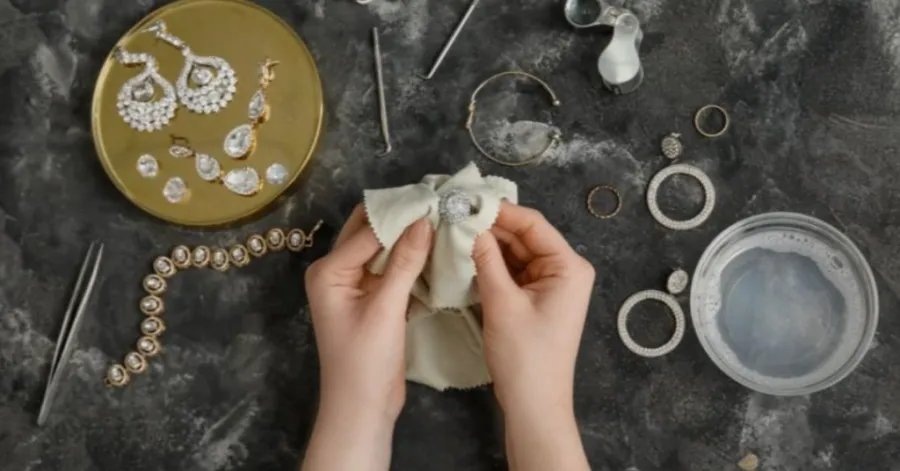
Choosing the best jewelry cleaner helps keep your favourite pieces clean and well maintained. However, different metals and gemstones require different cleaning methods. Gold and Diamond jewelry tolerate gentle cleaning, while silver often requires special attention to remove tarnish. Beads, pearls, and processed gemstones can be more sensitive to chemicals, heat, and vibrations. This guide explores popular ultrasonic jewelry cleaning machines to help you compare features and applications. You’ll also learn how to select an appropriate cleaner, clean safely, understand different materials, and when professional jewelry cleaning is the better option.
Best Jewelry Cleaning Solutions for Different Materials
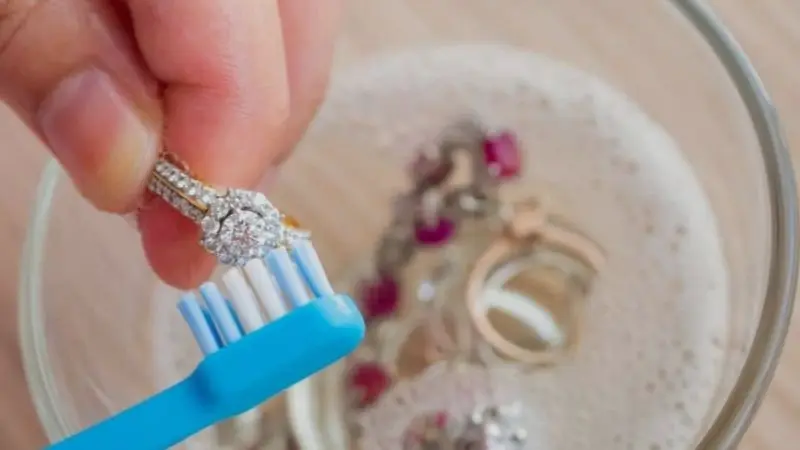
The choice of the best jewelry cleaner depends on the metal, the gemstone, and the condition of each piece. Some jewellery needs a gentle cleaning solution, while silver can require a special product to remove tarnish. Ultrasonic cleaners provide another option for compatible items by helping to separate dirt from tiny spaces. Comparing various cleaners can help you to find a convenient option for home use, routine care, or more detailed cleaning tasks. Before selecting a cleaning method for valuable or sensitive jewellery, always check the manufacturer’s instructions.
Recommended For Your Project
Hagerty Jewel Clean — Best Overall Jewelry Cleaner
Hagerty Jewel Clean is an option to clean compatible jewelry that is made of gold, platinum, and diamonds. When comparing best jewelry cleaner options, look for a product that removes dirt, oils, and residues daily without scrubbing hard. A matching cleaning solution can help to restore the look of often worn rings, earrings, and other jewelry. Check your label to see if your jewelry is compatible with the formula. For antique pieces, loose stones, or jewelry with special treatments, ask a jeweler what cleaning method is suitable.
Weiman Jewelry Cleaner — Best for Gold and Diamonds
Weiman Jewelry Cleaner is suitable for some kinds of jewelry, including gold and diamonds. If you’re wondering what the best jewelry cleaner is for these materials, look for a product that removes dirt and oil while meeting the requirements for the care of jewelry. Use a cleaner only on materials that are approved by the manufacturer, and avoid applying it to pieces that have been delicately adjusted or are not equipped with gemstone treatments. A soft brush can help remove residue from small areas in compatible rings and chains. Consult your jeweller before cleaning old diamond pieces or pieces with other fragile stones.
Hagerty Silver Clean — Best Silver Jewelry Cleaner
Hagerty Silver Clean is designed to help remove tarnish and is made for suitable silver items. The best jewelry cleaner that is used every day on silver depends on whether you remove light dirt or treat visible tarnish. Mild soap and water can be sufficient for routine cleaning, while a silver-specific product can help to enhance the look of tarnished pieces when used according to instructions. Avoid applying silver cleaner to gemstones, surface-sheeted surfaces, or decorative ends unless the label indicates it’s safe. After cleaning, thoroughly dry and store the jewelry in a dry place, in order to contribute to slowing future tarnish.
Connoisseurs Delicate Jewelry Cleaner — Best for Delicate Gemstones
Connoisseurs Delicate Jewelry Cleaner is a choice for jewelry compatible with the formula. To find the best jewelry cleaner for delicate pieces requires checking the needs of each gemstone, rather than relying exclusively on the product name. Pearls, opals, turquoise, and some treated or porous stones may require gentle cloth and soft care instead of liquid cleaning. Read the label to confirm which materials are suitable, and avoid ultrasonic cleaning unless a qualified jeweller confirms it is safe for the stone and setting. This additional care helps to reduce the risk of surface damage or loose stones.
Before choosing the best jewelry cleaner, compare the available cleaning solutions based on the jewelry materials they support, their cleaning benefits, and any care restrictions. The following table highlights popular options for different types of jewelry.
| Product name | Best for | Cleaner type | Main benefit | Important consideration |
| Hagerty Jewel Clean | Gold, platinum, diamonds, and compatible precious stones | Liquid cleaning solution | Removes dirt and oil; includes a brush and dipping basket | Check gemstone and treatment compatibility |
| Weiman Jewelry Cleaner | Gold, platinum, titanium, and compatible precious gemstones | Liquid cleaning solution | Helps remove dirt and buildup from fine jewelry | Not formulated for silver tarnish, pearls, opals, jade, or turquoise |
| Hagerty Silver Clean | Sterling silver and silver-plated jewelry | Tarnish-removing dip | Helps remove visible silver tarnish | Follow the short dipping time on the label and check stone compatibility |
| Connoisseurs Delicate Jewelry Cleaner | Compatible with delicate and costume jewelry | Liquid cleaning solution | Ammonia-free formula designed for delicate pieces | Confirm suitability for the specific gemstone and jewelry construction |
Best Ultrasonic Jewelry Cleaning Machines for Home Use
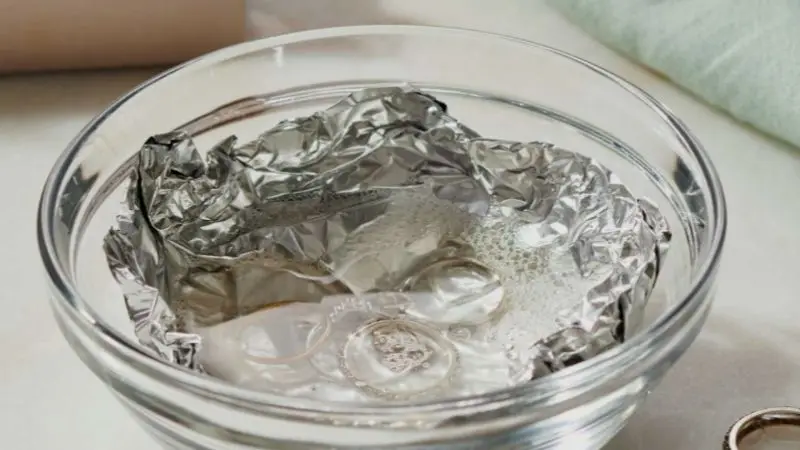
ultrasonic cleaner can help remove dirt from compatible jewelry with complicated details. It uses high-frequency sound waves to create tiny bubbles in a liquid, which loosen residue in small spaces that are hard to clean by hand. The best home jewelry cleaner should have sufficient capacity, simple operation, and clear control instructions. Before purchasing a machine, compare the size of the tank, the timer, the heating function, and the material limits. Not all the gemstones, or the setting or handling of the jewelry are suitable for ultrasonic cleaning.
VEVOR 6L Ultrasonic Cleaner — Best for Home and Professional Use
VEVOR 6L Ultrasonic Cleaning Unit is an option for users who require a bigger tank for compatible small items and regular cleaning. The stainless steel tank, digital timer, and heating offer useful features for home workshops and professional settings. By choosing an ultrasonic jewelry cleaner, you should check whether the capacity and control are suitable for what you plan to clean. Ultrasonic action removes dirt from small gaps and detailed surfaces, reducing the need for strong scrubbing. Follow the manufacturer’s instructions for temperature, cleaning time, and solution choice, and avoid placing inappropriate gemstones or vulnerable jewelry into the tank. To find a model that meets your cleaning needs, consider the VEVOR ultrasonic cleaning machine.
Magnasonic Professional Ultrasonic Jewelry Cleaner MGUC500 — Best Compact Jewelry Cleaner
The Magnasonic Professional Ultrasonic Jewelry Cleaner MGUC500 is a compact option for people who want to clean compatible small items at home. When searching for the best jewelry cleaner for home use, you consider the tank capacity of the machine, cleaning cycles, and ease of use. Ultrasonic cleaning can help remove residue from appropriate jewelry and other compatible products, depending on manufacturer instructions. Check the settings and check for rings, chains, or earrings and for stones or damaged effects before they are cleaned. Even if compact machines may save counter space, each item should be suitable for ultrasonic cleaning before starting a cycle.
VEVOR 10L Ultrasonic Cleaner — Best Heated Ultrasonic Jewelry Cleaner
VEVOR 10L ultrasonic cleaner offers a bigger tank for users requiring more capacity to perform cleaning tasks. It can be useful for its digital control and heating function when cleaning requirements vary. When comparing the best jewellery cleaners that do not damage jewellery, bear in mind that no ultrasonic machine can ensure a safe cleaning of any material. Heat can help to weaken some oily residues; however, it may damage thermally sensitive gemstones, their settings, adhesives, and fragile conditions. Check the manufacturer’s temperature recommendations, use an appropriate cleaning solution, and follow the operating instructions. Consult a jeweler for expensive or delicate jewelry before using thermal or ultrasonic vibration. To compare the available dimensions and features of the tanks, see the table below.
Comparison Table of the Best Jewelry Cleaners
The choice of the best jewelry cleaner depends on the type of jewelry you own, the amount of cleaning required, and the method you prefer. The table below compares ultrasonic machines, highlighting their main applications, advantages, and limitations.
| Product name | Best for | Cleaner type | Main benefit | Important consideration |
| VEVOR 6L Ultrasonic Cleaner | Compatible with jewelry and small cleaning tasks | Ultrasonic machine with heating | Larger tank for multiple small items | Verify the exact model’s settings and jewelry restrictions |
| Magnasonic MGUC500 | Compact home cleaning tasks | Ultrasonic machine | 600 ml tank, 42 kHz frequency, and five preset cycles | No heating function is listed in the manufacturer’s specifications; avoid using it on unsuitable jewelry |
| VEVOR 10L Ultrasonic Cleaner | Larger batches of compatible items | Heated ultrasonic machine | Larger tank capacity for suitable cleaning tasks | Confirm the model’s temperature range, timer, and operating instructions |
Before you make a choice, each cleaner serves a different purpose, so check out the materials and care requirements of your jewelry. If you wish to remove compatible items from your home, an ultrasonic cleaner could be a convenient option for jewelry, but check gemstone compatibility and the manufacturer’s instructions before using it.
How to Choose the Best Jewelry Cleaner
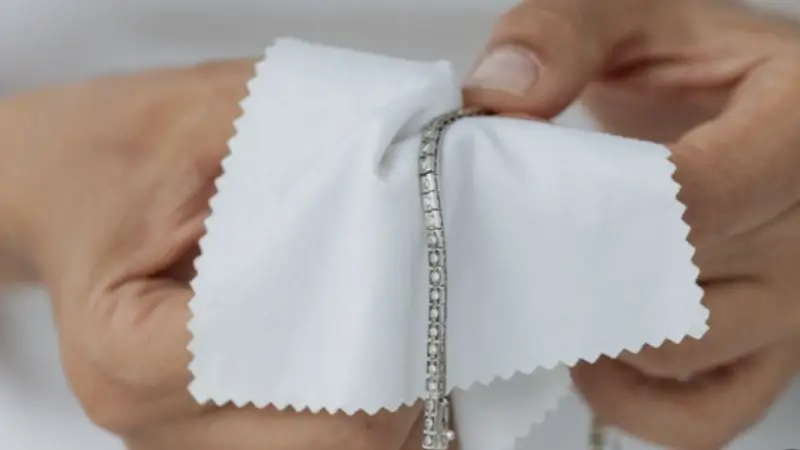
Choosing the best jewelry cleaner is about more than price and cleaning. Consider the type of jewelry, its materials, and how often you’ll clean it. While ultrasonic machines have a different approach to compatible items, some specialized metal cleaners do. Comparison of these features will help you choose a cleaner that meets your needs without unnecessary risk to sensitive jewelry.
Check Jewelry and Gemstone Compatibility
Before purchasing a cleaner, check if it is suitable for your jewelry’s metal, gemstone, and setting. The best jewellery cleaner for precious jewellery should comply with the manufacturer’s recommendations and avoid exposing sensitive materials to inappropriate chemicals, heat, or vibration. Gold and firmly set diamonds may tolerate specific cleaning methods, but pearls, opals, and treated gemstones often require gentler care. Please read the product label and instructions of the machine. If you are uncertain about the care or storage of the stone, ask your skilled jeweler before using a cleaning solution or ultrasound machine.
Compare Cleaning Performance and Settings
Cleaning performance depends on the type of dirt, the jewelry design, and the cleaning method. Compare functions such as cleaning time, operating frequency, temperature control, and recommended cleaning solution for home use when selecting the best jewelry cleaner. Ultrasonic machines can loosen oils and dirt from small spaces on compatible items, while fluid cleaners may suit certain metals or tarnish removal. Settings are not always more effective. Follow the manufacturer’s recommendations and avoid use of any additional heat or longer cleaning cycles unless approved for your jewelry.
Consider Tank Size and Ease of Maintenance
Tank capacity matters when selecting an ultrasonic machine, as it determines how much space you have for the items you want to clean. While a larger tank can accommodate more items without overloading, a compact ultrasonic jewelry cleaner may be better for multiple rings, earrings, or small circuits. Check the tank dimensions, basket design, operating elements, and machine desiccation and cleanup instructions. Also consider how easy it is to replace the cleaning solution and maintain the tank. Select a size that is suitable for regular cleaning instead of paying for the capacity that you rarely use.
Choose Between a Machine and a Cleaning Solution
The right choice depends on the jewelry and the type of dirt you need to remove. The best jewelry cleaner that won’t damage jewelry is one that is compatible with the materials and used according to the manufacturer’s instructions. An acceptable liquid solution can remove dirt, or you can use a silver brush, while an ultrasonic machine can remove residues from complex surfaces of compatible items. Some jewelry items require only soft soap, water, and professional care. If you choose an ultrasonic cleaner, check gemstone restrictions prior to each application.
How to Clean Gold, Silver, Diamonds, and Gemstones Safely
Different jewelry materials require different cleaning methods, so avoid treating each piece in the same way. One item’s best jewelry cleaner may not fit the other, especially if gemstones have special treatments or are set in fragile settings. Before cleaning, check each piece for loose stones, worn-off tines, cracks, or other damage. Use a soft cloth, an appropriate cleaning solution, or an approved machine according to the instructions of the manufacturer. Professional clean-up may be the safest option for antique, valuable, or sensitive jewelry.
Cleaning Gold and Diamond Jewelry
Gold and diamond jewelry can often be cleaned with warm water, mild dish soap, and a soft brush if pieces are in good condition and do not have any delicate treatments or components. When searching for the best jewelry cleaner for gold and diamonds, choose a method that removes oils and dirt without damaging the setting. Brush carefully around the back of the stone and rinse gently so the jewelry does not slide down the drain. An ultrasonic machine can be suitable for some solid gold and diamond parts, but avoid it for loose stones, fracture-filled diamonds, fragile settings, or jewellery which contains incompatible gemstones.
Removing Tarnish From Silver Jewelry
Silver can develop a dark surface layer called Tarnish when reacting to substances in the area. While a silver-specific cleaning cloth or purifier can help with tarnish, the best jewelry cleaner can be used on silver is mild soap and water for plain dirt daily. Follow the instructions of the product and avoid harsh abrasives that can scratch or remove decorative surfaces. Ultrasonic cleaning can help to remove dirt from some silver items, but does not automatically remove tarnish and may not be suitable for pieces with glued rocks or delicate details. Dry the silver thoroughly and store it dry after cleaning.
Cleaning Delicate and Treated Gemstones
Fine gemstones require special attention because the surfaces, treatments, and internal structures of these stones can be sensitive to chemicals, heat, or vibrations. Though the right method depends on the specific gemstone and its treatment, the best jewelry cleaner for delicate parts is often a soft, slightly damp cloth. Pearls, opals, turquoise, and some emeralds may require additional care, and certain stones must not be soaked or inserted into ultrasound machines. Avoid domestic chemicals and unapproved cleaning solutions. If you have no idea whether a gemstone has been treated or if the setting is safe, consult a jeweler for adequate cleaning advice.
Wrap Up
The search for the best jewelry cleaner starts with understanding material requirements, state, and clean-up of your jewelry. Liquid solutions can help clean compatible metals and remove silver tarnish, while ultrasonic machines loosen dirt from intricate surfaces on suitable items. Before you buy a cleaner, compare its properties, suitability for your use, and compatibility with your materials. Always follow the manufacturer’s instructions and avoid ultrasonic cleaning for gemstones or modifications that could be damaged by vibration or heat. In the case of precious, antique, or sensitive jewelry, professional advice can help prevent costly damage. With the right cleaning method and care, you can maintain your jewelry’s appearance.
FAQ
What Is the Best Jewelry Cleaner for Gold and Diamonds?
Depending on their condition and configuration, the best jewelry cleaner for gold and diamonds varies. Mild soap and water work well many times, and compatible jewelry cleaners can remove stubborn dirt.
Are Ultrasonic Jewelry Cleaners Better Than Liquid Solutions?
Ultrasonic jewelry cleaners loosen dirt from intricate surfaces, whereas liquid solutions focus on specific materials or tarnish. The better option depends on the compatibility of jewelry, cleaning requirements, and the manufacturer’s instructions.
Could You Use an Ultrasonic Cleaner for Silver Jewelry?
Yeah, some silver jewelry can be used with ultrasonic cleaning. But avoid having pieces with glued stones, fragile surfaces, or delicate settings unless a jeweler confirms that the machine cleaning is safe.
And what gemstones should not be cleaned on an ultrasonic machine?
Ultrasonic cleaning can damage pearls, opals, turquoise, and some emeralds. Treated, fractured, or fragile gemstones