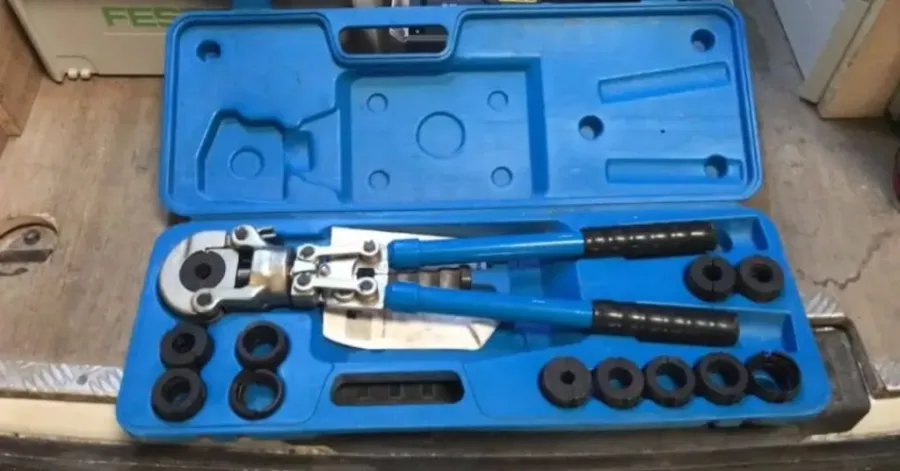
Whether you’re putting in a brand-new service kit or assembling your very first rig, choosing the best HVAC tools can help you get your routine jobs done faster, safer, and more efficiently. Professionals rely on dependable equipment to detect problems, make repairs, and complete installations. Whether it’s measuring instruments, hand tools, or specialized testing equipment, the appropriate gear can make a quantifiable difference on any job.
This article will examine the basic instruments technicians need for different experience levels and applications. We’ll review the best HVAC tools for beginners, students, new technicians, and pros, plus other vital options for residential HVAC, commercial systems, and air conditioning maintenance.
Table of Contents
Top 10 Best HVAC Tools Every Technician Needs in 2026
1. Digital Manifold Gauge
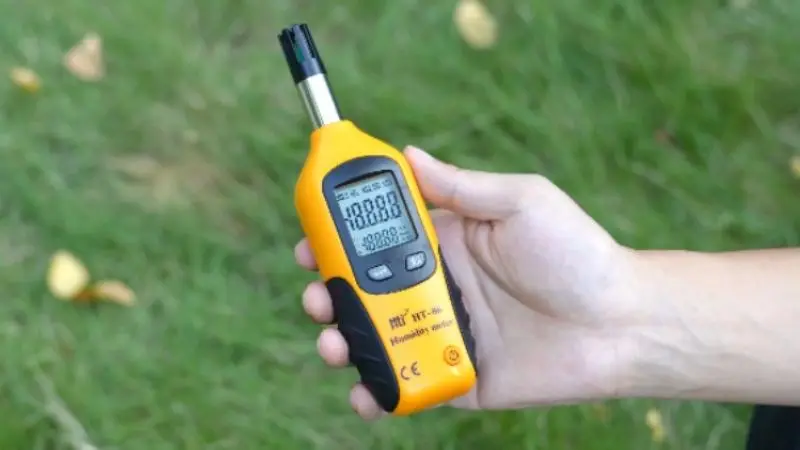
One of the handiest testing tools you’ll find in an HVAC kit is a digital intake gauge. If compatible, the system can calculate superheat and subcooling and provide accurate refrigerant pressure readings. The best model should be durable, compatible with multiple refrigerants, and provide clear digital readings. Service work may be straightforward if the equipment includes Bluetooth, interchangeable hoses, and temperature sensors. This is one of the best HVAC tools for technicians working on various systems, as it provides a wealth of needed information in one place.
Recommended For Your Project
2. HVAC Multimeter
An HVAC multimeter is a tool that can help you identify electrical problems by measuring voltage, current, resistance, capacitance, and other parameters. A good-quality meter should be appropriately CAT-rated for safety, have a clear display, and include features suited to HVAC applications. Some variants also monitor microamps to test the flame sensor. A good multimeter is one of the best HVAC tools for beginners, helping you troubleshoot motors, capacitors, relays, and control boards with greater confidence.
3. Refrigerant Leak Detector
Technicians use refrigerant leak detectors to locate minor leaks that may not be visible during a normal inspection. Electronic scanners can detect refrigerant around connections, valves, coils, and other components. Pick a model that is sensitive, has adjustable detection levels, and has a flexible probe that can reach into tight spots. This gadget is extremely useful when choosing the best HVAC tools for air conditioning repair, as it helps you identify the source of refrigerant loss so you don’t have to keep fixing the same problem over and over.
4. Vacuum Pump
A vacuum pump is used to remove air, moisture, and other undesired pollutants before charging the HVAC system with refrigerant. It is important to remove moisture from the system, as water can cause corrosion and degrade its efficiency. Choose a pump with adequate CFM for the systems you typically work on. An easy-to-check oil level on a durable pump can save time during installation and maintenance.
5. Digital Psychrometer
A digital psychrometer measures humidity and temperature to help technicians determine indoor comfort and system operation. It can be used to check return-air and supply-air conditions and to troubleshoot airflow or cooling performance. The dual temperature probe models can calculate faster. It’s one of the best HVAC tools for residential HVAC specialists working in houses and smaller buildings because it delivers important information beyond basic temperature readings.
6. HVAC Clamp Meter
An HVAC clamp meter lets you measure electrical current without disconnecting wires from a circuit. Just clamp the meter on the right conductor and get the reading. This is excellent for testing compressors, blower motors, condenser fans, and other electrical parts. Look for models that also measure voltage, resistance, capacitance, and temperature so you can use a single instrument for multiple diagnostic tasks.
7. Cordless Impact Driver
A cordless impact driver greatly speeds up installation and disassembly. It can be used by technicians to remove access-panel screws and install mounting hardware, as well as for other fastening tasks around HVAC equipment. When working inside crowded mechanical spaces, a compact design is helpful. Battery-powered devices are also a convenient addition to mobile service kits, eliminating the need for an electrical outlet and making them among the best HVAC tools for HVAC students who need practical equipment for hands-on installation work.
8. Tubing Cutter and Deburring Tool
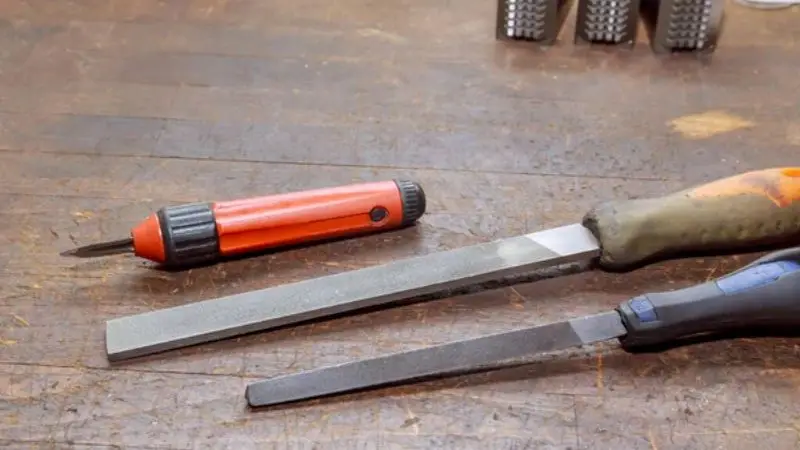
When installing or repairing refrigerant lines, it is important to properly prepare the cleaned copper tubing. The tube cutter cuts straight in a controlled manner. The deburring tool removes the sharp edges left behind. Together, both instruments allow for quicker line preparation and cleaner connections. These basic hand tools are among the best HVAC tools for beginners, as they are inexpensive, portable, and suitable for a wide range of duties.
9. Core Removal Tool
A core removal tool helps personnel remove and replace Schrader valve cores with minimal refrigerant loss during proper service procedures. It can also enhance access when emptying or charging compatible systems. It is recommended adding to a professional kit a robust tool with a reliable valve connection to a professional kit. This tool is particularly useful for repetitive service work on systems that require efficient access to service ports.
10. HVAC Inspection Camera
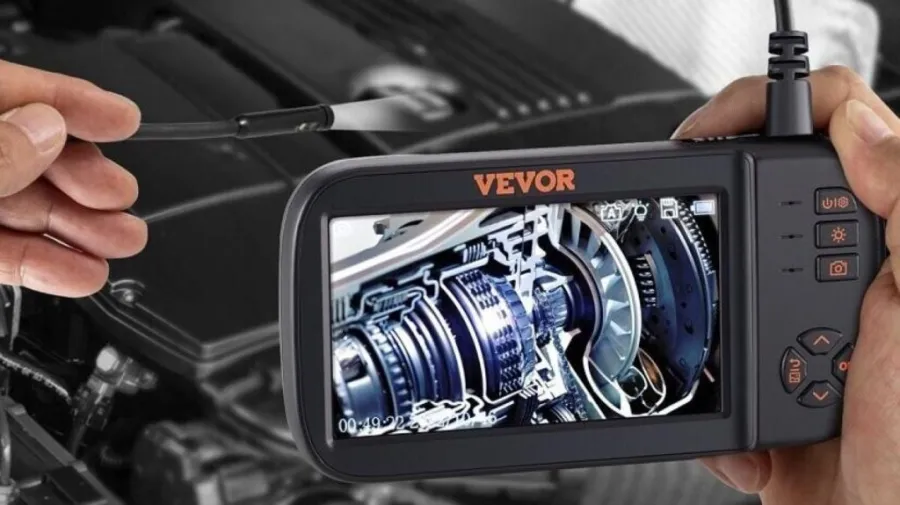
Inspection cameras enable technicians to view regions that are hard to reach directly. A flexible camera probe can investigate ducts, equipment compartments, sewers, coils, and other tight areas. Built-in lighting and a clear display enable faster visual examinations. If the cause of a problem is hidden, an inspection camera can be used to avoid unnecessary disassembly and save critical service time during troubleshooting.
How to Choose the Best HVAC Tools in 2026
Consider Tool Quality and Durability
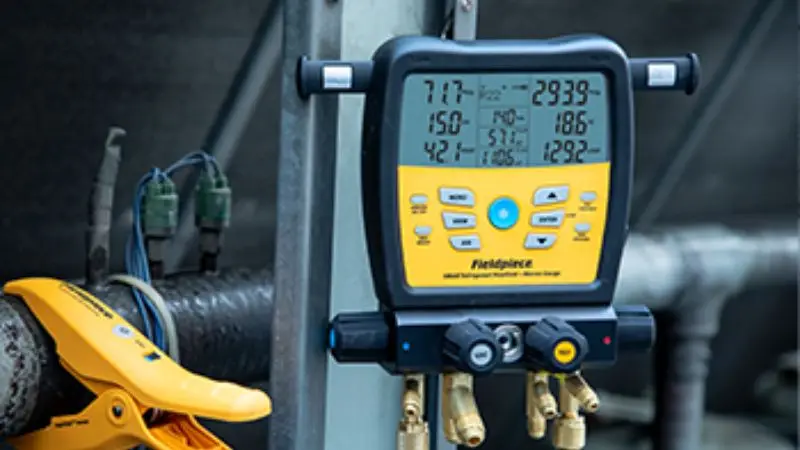
Look for tools that can withstand repeated use in crawl spaces, on rooftops, in garages, and in mechanical rooms. For the best HVAC tools for professional technicians, prioritize robust materials, ergonomic grips, reliable moving parts, and a warranty that backs up long-term use. It can be worth paying a little more up front for the tools you use all the time, because you’ll need fewer replacements and spend less money down the road.
Check Accuracy and Safety Features
Refrigerant pressure, temperature, voltage, and electrical current must be measured accurately. Make that diagnostic equipment has legible displays, acceptable accuracy ratings, and helpful automatic features. When choosing the best HVAC tools for air conditioning repair, your decision should also consider safety. Check that electrical meters are rated for the job, that handles are insulated, that protective guards are in place, and that the equipment is appropriate for the systems you will be working on.
Match Tools to Your HVAC Work
Your regular jobs should dictate what tools you purchase first. Residential technicians may work with small meters, gauges, leak detectors, and cordless hand tools, making these some of the best HVAC tools for residential HVAC work. Commercial technicians may need heavier-duty equipment for larger systems. HVAC tools for novice technicians should focus on basic, frequently used equipment rather than costly specialty instruments that rarely leave the toolbox.
How Much Does an HVAC Tool Kit Cost in 2026?
The price of an HVAC tool set will vary greatly depending on your experience, the brand, and the type of work you do. A useful starter kit can be assembled for roughly $1,200-$1,800, making it easier to choose the best HVAC tools for new technicians without purchasing every specialty item at once. A professional setup, including specialized diagnostic and refrigerant equipment, can range from $2,500 to $5,500 or more.
A starting package normally comes with basic equipment including a multimeter, hand tools, gauges, tubing cutters and cordless tools. More advanced acquisitions, such as leak detectors, vacuum pumps and recovery equipment, add to the total outlay.
Buy tools you will utilize on most service calls rather than everything at once. Invest more in equipment that directly impacts your work’s accuracy, durability, and safety. Don’t forget new batteries, hoses, cutting wheels, and other consumables.
Essential HVAC Tools for Different Applications
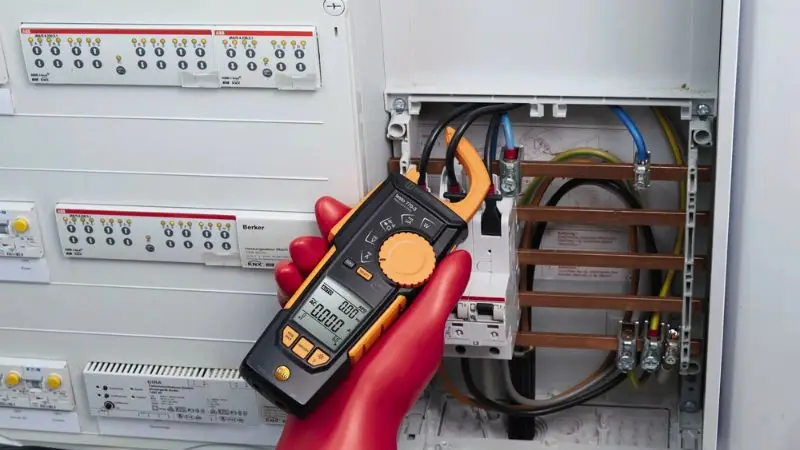
Not all technicians work on the same type of equipment. Residential service calls, business maintenance, installation work and air conditioning repairs all require different tools. By basing your kit on your regular workload, you’re not going to be carrying equipment you don’t need, whilst ensuring you have what you need when a difficult job arises. This approach is particularly useful when selecting the best HVAC tools for commercial HVAC work, where larger systems may require more specialized equipment.
Best HVAC Tools for Residential HVAC
Residential technicians generally work in confined locations including attics, closets, garages and crawl spaces. That’s where compact equipment can be extremely beneficial. Many typical service calls can be handled with a digital manifold gauge, multimeter, clamp meter, leak detector, temperature meter, cordless drill, and basic hand tools.
Best HVAC Tools for Commercial HVAC
In commercial systems, you may have bigger compressors, electrical systems, rooftop units, and more demanding operational environments. They may need heavy-duty electrical meters, sophisticated refrigerant instruments, recovery machines, Hoover pumps, inspection cameras, and rugged cordless tools.
Best HVAC Tools for Air Conditioning Repair
Accurate pressure and temperature readings are often needed for air conditioning maintenance and electrical troubleshooting. A practical repair kit includes a manifold gauge, a multimeter, a clamp meter, a leak detector, a thermometer, and the correct hand tools. Having the best HVAC tools for air conditioning repair on hand can help minimize diagnosis time and eliminate unnecessary return trips.
Best HVAC Tools for Beginners
Beginners should not try to buy all the specialty tools at once. Start with a good-quality multimeter, screwdrivers, pliers, wrenches, tubing cutter, temperature meter, basic gauges, and safety equipment. As you get more skilled and take on greater responsibility, you can add more sophisticated equipment to your collection.
Best HVAC Tools for Professional Technicians
Because they work on a wider range of equipment and in more complex service conditions, professional technicians often require a larger collection. Increase productivity with modern digital gauges, electronic leak detectors, vacuum pumps, recovery machines, inspection cameras and multifunction meters. Durability is equally important, as the best HVAC tools for professional technicians need to resist frequent shipping and daily use.
Best HVAC Tools for HVAC Students
HVAC students can focus on fundamental instruments that allow them to practice fundamental abilities. You need a good set of tools : a multimeter , basic hand tools , a tube cutter , a device for detecting temperature , and safety gear . They can slowly assemble a kit of the best HVAC tools for HVAC students and add specialist equipment as they progress in their training.
Conclusion:
These ten items form the foundation of the professional HVAC technician’s toolbox in 2026. The best HVAC tools may save you time, improve your diagnostic accuracy, help you work more safely and give you the confidence to manage the demands of everyday service. Buy good tools, especially the ones you use the most. Step by step, add specialist tools as your experience and job increase. It’s also important to keep up with refrigerants, systems and technologies that are changing and becoming more prevalent. Using the proper tools for refrigerant handling, electrical testing, cutting, installation and maintenance can save your equipment and your reputation. A well-organized toolset helps you to approach home and business service calls more effectively and do each job with greater confidence.
FAQ
How often should I calibrate my digital manifold gauge?
Calibrate your digital manifold gage every 6 months. This keeps the pressure readings proper. An uncalibrated gage may give incorrect readings. Bad refrigerant charges come from wrong numbers. Look at the maker’s manual for the specific steps. Many models offer a neat zero-calibration option that you may utilize right there on site.
Can I use one multimeter for both residential and commercial HVAC work?
Yes, one multimeter works for both types of jobs. Pick a model with a CAT III rating and a wide voltage range. That rating covers most homes and commercial buildings. These features make the meter suitable for technicians handling the best HVAC tools for residential HVAC and commercial systems.
What is the most important safety feature on HVAC tools?
The most important safety feature is non-contact voltage sensing. It notifies you of live wires before you touch it . This prevents electrical shock when diagnosing problems. Always test the detector first on a known live source. That fast check ensures the tool works before you trust it.
How do I know when to replace my tube cutter?
When copper pipes have rough edges, it’s time to replace your tube cutter. Dull wheels create burrs and uneven cuts. These defects result in poor solder junctions and refrigerant leaks. Frequently check the cutting wheel for chips or wear. If you look after a good cutter it will last you hundreds of cuts.
Should I buy a complete HVAC toolkit or individual components?
If your budget is tight, start with individual items. Then buy the key diagnostic tools such a manifold gauge and multi-meter. As you expand your work, add specialty items. Full kits are convenient yet include tools you might not use. Build your kit around the jobs you really do. As your experience increases, include the best HVAC tools for new technicians.