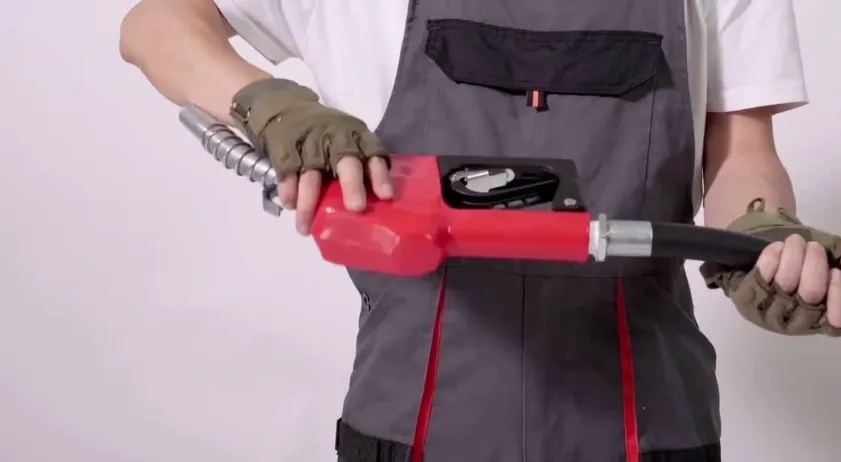
Running a 12-volt diesel transfer pump setup gives you a straightforward way to move fuel between storage tanks, vehicles, tractors, generators, and similar machinery. They run off standard 12V electricity. That flexibility makes them a practical fit for farms, repair shops, building sites, and fuel runs out on the road.
Pumps differ in how fast they move fluid, their mechanical build, maximum suction lift, and electrical draw. Certain models suit occasional top-ups, whereas others are built for continuous, day-in, day-out pumping. Which one works best comes down to the volume of fuel you move and how often you crank it up. This guide walks you through the core pump styles, primary specs, typical jobs, and routine operating procedures. It also points you toward the unit that best matches your particular setup.
Table of Contents
What Are the Main Types of 12 Volt Diesel Transfer Pumps?
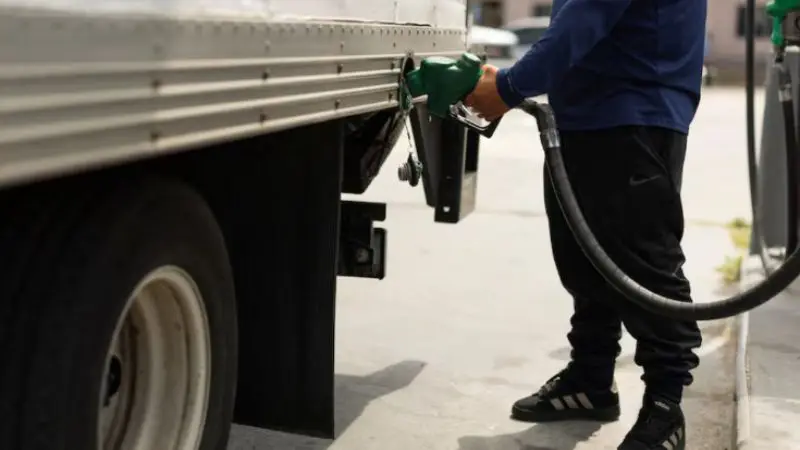
A 12-volt diesel pump setup is available in several distinct configurations. Every variant is built around a specific sort of refuelling task. Where they differ most is internal mechanics, overall footprint, mounting configuration, and the priming mechanism.
Recommended For Your Project
What you pick comes down to tank size and transfer frequency. What you are refueling matters just as much. Certain pumps are compact enough to take anywhere. Other models are built for day-in, day-out jobs on farms, job sites, and service trucks.
Portable 12 Volt Diesel Transfer Pumps
These portable 12-volt fuel transfer units are built for anyone shifting fuel across multiple locations. Most are compact enough to haul by hand between a storage tank, a tractor, a truck, or a generator. A lot of these run directly off a vehicle battery or any 12V power supply. You will find a portable 12-volt pump for diesel fuel handy on farms, on job sites, and around workshops.
Look at the flow rate, the power lead, the hose length, and the nozzle design before you buy. An integrated handle goes a long way toward making transport easier. Compact dimensions keep both setup and storage straightforward.
Self-Priming Diesel Transfer Pumps
Self-priming units are designed to clear trapped air out of the suction line. Because of this, fuel starts flowing right away without you having to prime the line by hand every time. For day-to-day fueling, a self-priming diesel fuel pump for fuel tanks is well worth having. Fuel can be drawn from an above-ground tank straight into machinery or vehicles with it.
Proper installation is still a requirement for the pump. Match the setup with suitable fittings and hoses. Look into the fuel type, maximum lift, flow rate, and run time before you purchase anything. Verify that every one of these specs fits what your system requires.
Rotary Vane Diesel Transfer Pumps
Diesel is pushed through these pumps by small vanes that slide around inside. People frequently turn to them for day-to-day fuel transfer jobs. Workshops, trucks, stationary tanks, and agricultural equipment can all be served well by a rotary vane 12V diesel pump for transferring fuel. Motor sizes and flow capacities vary from one model to the next.
Base your choice on the speed at which you have to pump the fuel. Certain units include a built-in bypass valve as well. This feature gives you a way to keep pressure in check whenever the pump is active. Routine filter replacements alongside periodic cleaning will keep the pump running properly. The maintenance instructions provided by the builder should always be followed.
Diaphragm Diesel Transfer Pumps
Fuel is moved in diaphragm pumps by a flexible component known as a diaphragm. Within the pump chamber, the diaphragm flexes back and forth. That motion builds the pressure required for moving diesel. For mobile jobs and small tanks, a diaphragm 12 volt pump for diesel fuel can be a good fit. They also come in handy if you just need a straightforward pump that delivers a moderate flow rate.
Check the power draw, fuel compatibility, suction lift, pressure, and flow rate before you buy anything. Verify that both your hose and your fittings are fully compatible with the pump. Stick to the manufacturer’s directions when installing and running the unit.
12 Volt Diesel Transfer Pump Kits
You typically get more than the bare pump when you purchase a fuel transfer pump for diesel kit. You might find a suction hose, delivery hose, nozzle, filter, power lead, clamps, and various other fittings inside. If you are looking for an all-in-one setup, that makes things much easier. Buying a kit spares you the trouble of purchasing individual pieces on their own.
You can find kits specifically tailored for workshops, farms, trucks, or fuel tanks. Prior to purchasing, verify the tank fittings, power connection, flow rate, nozzle type, and hose length. Ensure that every single component is compatible with the rest.
Top Cordless Fluid Transfer Pumps Compared
Because you do not have to hook them up to a vehicle battery, cordless fluid transfer pumps are simple to haul around. Instead, they run off rechargeable battery packs. How long the battery lasts and how fast it charges differ from one model to the next. Look at battery voltage, recharge time, running time, and flow rate when you weigh cordless pumps against one another.
Make sure you also confirm which liquids the pump is rated to move. If you plan to pump diesel, verify that the unit is specifically rated for it. Out on remote job sites, cordless pumps can come in handy. If an accessible battery is right there and the job runs long, a wired 12V pump might serve you better.
| Pump Type | Main Advantage | Typical Application | Key Feature to Check |
| Portable | Easy to move | Farms, trucks, workshops | Weight and flow rate |
| Self-priming | Easier startup | Storage tanks | Suction lift |
| Rotary vane | Consistent transfer | Frequent refueling | Duty cycle |
| Diaphragm | Simple pumping design | Smaller fuel systems | Pressure and flow |
| Pump kit | Ready-to-use setup | General diesel transfer | Included accessories |
| Cordless | High mobility | Remote locations | Battery runtime |
What Are the Main Uses of a 12 Volt Diesel Transfer Pump?
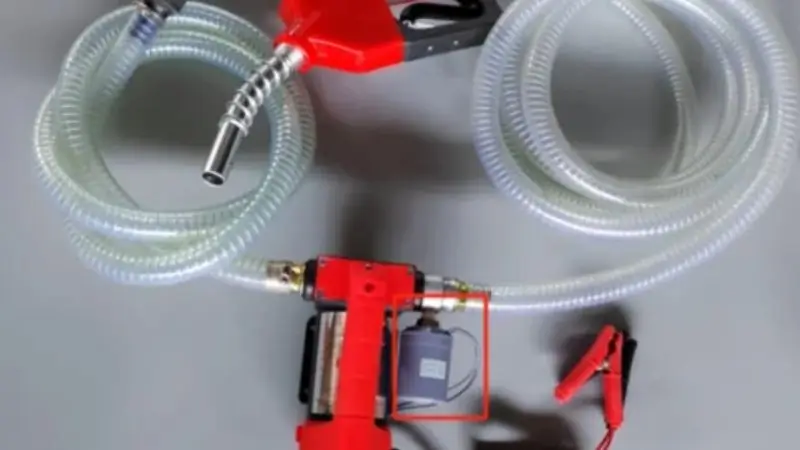
You can set up a 12V diesel pump anywhere you need to shift fuel between approved containers or tanks. Because it runs on low voltage, it fits right in with vehicles, agricultural machinery, site plant, and portable fueling rigs.
Which pump suits you best comes down to where the fuel is stored and how large your machinery is. How often it will run and the flow rate you require matter just as much.
Refueling Diesel Vehicles
Drawing straight out of a bulk storage tank to fill vehicle fuel tanks is one of their most frequent jobs. You can top off trucks, site generators, service vans, and other diesel gear right on-site instead of trekking to a commercial pump. Hooking a 12V transfer pump for a truck up to an appropriate storage tank is straightforward. From there, it sends the fuel down a hose and through the delivery nozzle.
Filling speed directly reflects the pump’s flow rate. The hose has to actually reach the filler neck, making its length another practical concern. If you refuel trucks day in and day out, pick a durable pump fitted with decent electrical safety features. Pair it with dedicated fuel-grade hoses and a suitable dispensing nozzle.
Fueling Tractors and Farm Equipment
Agricultural work frequently burns fuel well out of reach of commercial filling stations. Fuel moves easily from a farm tank into tractors and other field machinery with a diesel fuel pump for tractors. Doing it this way saves time and cuts down on driving machinery back and forth to fuel stations. Topping up tanks is also much simpler when equipment is running far out from the main yard.
Match the pump to the size of your tanks and your daily workload when setting up for farm work. Bigger tractor tanks take far less time to top up if you have a pump with a higher flow rate. Going portable also means getting around to scattered machinery across the farm is much simpler. Fitting a solid filter helps ensure dirt stays well out of the fuel system.
Refueling Construction Equipment
Excavators, loaders, generators, and compressors are standard diesel-powered equipment on construction jobs. On busy workdays, that plant often has to be topped up more than once. You can supply the machinery directly from a static or mobile tank using the right 12V transfer pump. This helps immensely when heavy machinery cannot easily make the run to a fuel station.
For day-in, day-out jobsite duty, look for a pump housed in a durable casing with a run time that fits your needs. Choose a flow rate that makes sense for the fuel capacities of the machines you run. Handling refills is also far easier if you fit an automatic shut-off nozzle alongside a generous hose length. Make certain both the tank and the pump sit somewhere safe and level while running.
Transferring Diesel From Storage Tanks
People also regularly hook diesel transfer pumps up to stationary storage tanks. You can use a pump to draw fuel out of bulk storage and into smaller drums, vehicles, tractors, or power generators. Anywhere you have a 12V power supply handy, a 12-volt diesel transfer pump for fuel tanks comes in handy. Agricultural fuel setups and mobile rigs are both good fits for it.
Before picking a model, make sure you know the outlet diameter on your tank and how much suction lift you need. Take into account the required flow rate as well, plus the total distance you have to push the fuel. Running the fuel through a filter keeps dirt from getting pumped into the destination tank. Every fitting, seal, hose line, and pump component has to be rated specifically for diesel service.
Mobile and On-Site Fuel Transfer
Setting up mobile transfer lets you run diesel straight to equipment operating on farms, in shops, out on job sites, or at remote locations. You can hook a portable 12V diesel fuel pump for farm equipment directly to an approved fuel can or a dedicated mobile tank. That saves you from having to drive massive equipment back to base just for fuel.
Look closely at how heavy the pump is, how big it is, and the reach of both its power lead and hose before you pay for it. If you plan on packing the unit around all the time, those details make a real difference. Buying a bundled kit can take a lot of hassle out of the initial installation. Most kits come packed with a filter, hose, nozzle, and the necessary battery lead.
Which Fluid Transfer Pumps are Best for Emergency Fuel Transfer
When grid or standard power fails, you can use a 12V transfer pump to transport diesel. That said, you will still have to supply a compatible 12V battery or another approved power source. Pumps built for portability take very little effort to haul around and get running. Buying a full kit also cuts down on prep time, since it might already come with hoses, nozzles, and power leads.
You cannot overlook safety, either. Stick strictly to parts rated for fuel, and double-check that every connection is tight. Verify beforehand that the pump carries an explicit rating for the specific fuel you are moving. Keep any open flame or potential ignition source well clear of where you are working. Stick to all relevant fuel-handling guidelines alongside the directions from the manufacturer.
What Features Should a 12 Volt Diesel Transfer Pump Have?
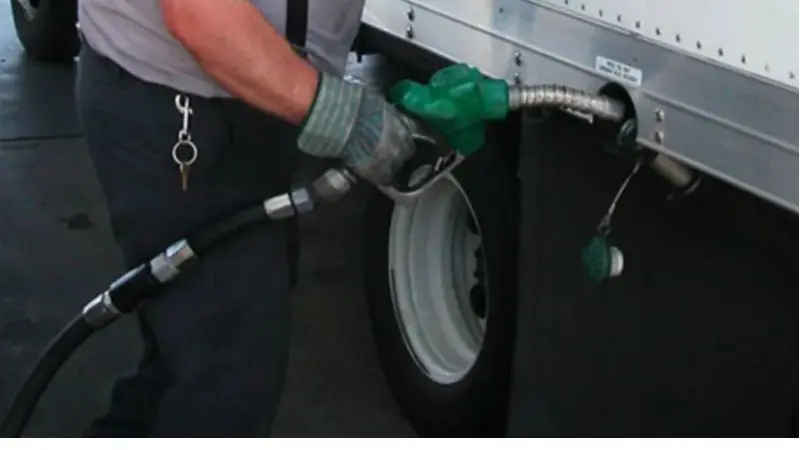
Your setup needs to line up with how much fuel you move, the machinery involved, and the environment you work in. Never base your purchase on the flow rate figure alone. A solid portable diesel transfer pump setup needs to deliver fuel at an appropriate rate. Proper fittings and the right protective safety features are just as necessary.
Fuel transfer becomes simpler with additions like bypass valves, filters, automatic shutoff mechanisms, and self-priming capabilities. Consider your intended frequency of use alongside the transfer distance prior to purchasing.
Flow Rate and Pumping Speed
This number tells you how fast the pump moves diesel. Most ratings list this in gallons per minute (GPM) or liters per minute (L/min). For small generators and lighter tasks, a low-flow pump might be plenty. Trucks, tractors, and bigger equipment often call for a higher-flow unit instead.
As you shop for the best 12-volt transfer pump for diesel, weigh that flow rate against what you actually have to get done. You do not always need more volume. Actual flow can shift based on hose length, lift height, any filters or fittings, and how thick the fuel is. Buy enough flow to handle the task without spending on overhead you will never tap into.
Self-Priming Capability
When a pump is self-priming, it can clear trapped air out of the intake hose on its own. Because of that, diesel starts flowing without anyone having to prime the unit by hand every run. Day-to-day fill-ups go smoother when you use a self-priming 12V diesel pump for transferring fuel. Getting the transfer going can take less time, too.
Even so, being self-priming does not let a pump pull across unlimited suction distances. Look at the rated suction lift on the pump before you purchase it. Pick the right size hose and double-check that every connection is sealed tight. Taking these precautions helps keep the pump running as it should.
Maximum Lift and Pressure
Maximum lift indicates the total vertical distance a pump can push fuel. Pressure reflects how much force the system generates internally. You need to pay attention to both figures if you are pumping fuel uphill from a lower tank into equipment.
Make sure whatever electric diesel transfer pump for fuel tanks you pick offers enough lift for your specific layout. Never push the pump past the limits the manufacturer laid out.
Fuel slows down quickly when forced through undersized fittings or across long hose runs. Inline filters introduce extra drag into the line as well. Figure out your vertical rise and the total length of hose you need before settling on a pump.
Hose and Fitting Compatibility
Matching the hose and fittings properly keeps the operation running safely and working as intended. You must use a line rated specifically for handling diesel fuel. The diameter of the hose needs to line up with the volume of fuel the pump pushes. Keep all fittings snug so fuel doesn’t seep out.
Before picking a diesel dispensing pump for truck setups, look closely at the inlet and outlet dimensions. You will also want to look over the length of the hose, the nozzle fitting, and the power cord.
Certain pumps come packaged with a complete hose kit. With other models, you have to source the components on your own. Stick to fuel-rated lines, gaskets, and hardware that correspond with your pump.
Automatic Shutoff and Bypass Features
Fueling up gets a lot simpler when you have automatic shutoff and bypass mechanisms. Once the tank fills up, an auto-shutoff nozzle can cut off the fuel supply on its own. If the nozzle is shut off or something obstructs the fuel line, a bypass valve can regulate the buildup of pressure.
If you run a 12 volt pump for diesel fuel on farm gear, tractors, or trucks, these options can come in handy. Configurations often vary from one pump model to the next. Go through the maker’s manual before you try operating any of these functions.
Fuel Filter and Meter Options
Installing a filter lets you trap grit and tiny debris before the fuel ever hits your engine. That comes in handy whenever you are dealing with diesel that has sat around in storage. A fuel meter comes built into certain transfer setups, too. Having one lets you see the exact amount of diesel transferred per fill.
People who pump often can use this to keep tabs on consumption. See whether a filter and meter come in the box while shopping for the best 12V diesel transfer pump. If the kit lacks them, see whether the manufacturer sells them as add-on accessories. Confirm that any replacement filter is rated for diesel and seats properly on your pump.
Which Fluid Transfer Pumps Give the Most Flow for the Price—Best Value By GPM?
You need to weigh flow rate against what the unit costs, how much power it draws, its run time, and whatever accessories come in the box. A unit that pushes a high GPM will not suit every situation.
Topping off a tractor now and then might require nothing more than a compact pump. Stepping up to a larger pump makes more sense for commercial jobs or keeping trucks fueled day in, day out.
Dividing the asking price by the stated GPM gives you a quick baseline cost per GPM. That said, you should not base your decision on that number alone.
Take time to inspect the nozzle, hose, warranty terms, duty cycle, overall construction, and the rest of the included hardware.
| Pump characteristic | Why it matters | Best suited for |
| Lower flow | Simple, controlled transfer | Small equipment and generators |
| Medium flow | Balance of speed and portability | Tractors and farm equipment |
| Higher flow | Faster refueling | Trucks and frequent-use systems |
| Built-in filter | Helps remove fuel contaminants | Storage-tank systems |
| Meter | Tracks fuel dispensed | Fleet and regular refueling |
| Bypass valve | Helps manage pressure | Frequent fuel transfer |
Wrap Up
Refueling trucks, tractors, farm equipment, generators, and other diesel machines is often much simpler with a diesel transfer pump. Picking the right unit also cuts down on how long routine fuel transfers take.
Before you purchase one, look closely at the flow rate, power needs, pump style, hose size, duty cycle, and the fuels it can handle. If you work on the move, a portable model is often a solid pick. If you are regularly drawing fuel out of a static storage tank, a model with a higher flow rate might serve you better.
Every single fuel transfer job demands strict attention to safety, too. Stick to fuel-rated hardware and follow the directions from the manufacturer to the letter. Never push the pump past the limits the manufacturer set for it.
Sized properly and set up right, a 12V diesel fuel pump gives you a straightforward way to shift diesel for farms, worksites, vehicles, or any other refueling task.
FAQs
What Is the Flow Rate of a 12 Volt Diesel Transfer Pump?
How quickly it pumps comes down to the specific pump model and what it is rated for. Actual throughput also varies with line length, vertical head, in-line filters, fittings, and the state of the fuel itself.
Will a Car Battery Power a 12 Volt Diesel Transfer Pump?
Yes, you can power a 12-volt diesel transfer pump off an appropriate car battery, provided the electrical draw and voltage align. Make sure all wiring and terminals are sized and fitted correctly. Stick strictly to the guidance supplied by the pump manufacturer.
What Is the Continuous Duty Cycle of a 12 Volt Diesel Transfer Pump?
How long it can run comes down to the pump’s work limit, motor, battery capacity, fuel flow, and the actual conditions you are working in. Certain models are designed purely for intermittent bursts. Given an adequate power source, other units can keep going for longer stretches.
Can You Run Other Fuels Through a 12 Volt Diesel Transfer Pump?
You should only ever pump fuels that have been cleared by the manufacturer. Gasoline, thinners, or alternative liquids might not be compatible with a unit meant for diesel. Before doing anything, inspect the pump, its seals, the hoses, and all fittings.
Which electric diesel transfer pumps rate the highest, and what sets them apart?
Pumps vary across several areas: flow rate, motor design, electrical draw, build quality, supplied accessories, and duty cycle. Weigh these specs against what users say in reviews, the warranty coverage, and whatever work you have lined up.
Which fluid transfer pumps hold up best on a farm, and how do their materials and warranties stack up?
How long a pump holds up hinges on its motor, casing, seals, lines, and duty cycle. When buying for an agricultural setup, look closely at rugged construction, fuel-compatible components, warranty terms, parts availability, and responsive support.
In the US market, which fluid transfer pumps lead for warranty coverage and buyer feedback?
Coverage and buyer satisfaction will shift depending on the manufacturer, the exact model, and where you buy it. Check the warranty span, return terms, buyer feedback, access to spare parts, and local US support before settling on a diesel transfer pump.