You may wonder what a winch on a truck is. A winch pulls heavy objects by winding a strong cable or rope in or out. You use it when your truck gets stuck or needs to tow something. This tool helps you recover your vehicle or move loads safely. What is the purpose of a truck winch? A truck winch is one of the most useful tools you can add to your vehicle, especially if you drive off-road, tow heavy loads, or work in challenging conditions. It provides the pulling power needed to recover a stuck vehicle, move heavy equipment, and complete difficult tasks safely.
However, many truck owners are unsure how a winch works, which type is best, or how to use one correctly. Understanding these basics helps you choose the right winch and operate it with confidence. In this guide, you’ll learn what a truck winch is, how it works, its common uses, the different types available, and the key safety tips every beginner should know before using one.
Table of Contents
What is a winch on a Truck? Everything You Need to Know
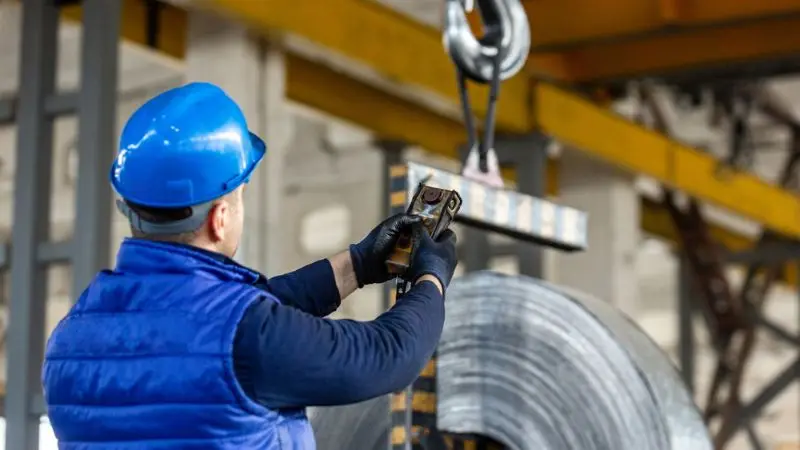
A truck winch is a powerful mechanical device that assists in pulling, recovering, or moving heavy loads using a cable or rope. It is often attached to the front, back, or bed of a truck to help recover and tow it and to perform other heavy-duty jobs. A truck winch can be a valuable addition to your vehicle, providing an added layer of safety, versatility, and pulling power when you need it most, whether you’re driving off-road or handling heavy-duty work.
Recommended For Your Project
Simple Definition of a Truck Winch
The question that you might ask yourself is Why do trucks have a winch? A mechanical device that pulls, lifts, or moves heavy objects is called a winch. A winch is a strong cable or rope wound around a drum and found on many trucks. Activated, the cable pulls in or out, enabling you to lift things that are too heavy for you to lift by hand. So, if you are wondering about a winch for a truck, imagine it as a piece of equipment that provides your vehicle with added strength. What is the use of a truck winch? A truck winch is a machine that uses a powerful cable or synthetic rope coiled around a rotating drum. The motor rotates the drum and the cable rolls in or out, thus lifting heavy objects. Based on this simple definition, users can see that a winch is not a crane, which can lift heavy loads straight up into the air.
Main Purpose of a Truck Winch
The primary use of a winch is to get your truck back up or retrieve other vehicles. When your truck becomes mired in mud, sand, or snow, you need a winch. It may also be used to pull heavy loads or for those who require assistance. Ask someone what a winch is on a truck, and they tell you it’s an essential tool for off-road explorations and challenging tasks. The best winch for a pickup truck makes your truck more useful and reliable. The main use of a truck winch is to pull a vehicle out of a stuck situation. Trucks are frequently used on difficult terrain, including mud trails, sand roads, snowy roads, and rocky roads. Under such conditions, tires can lose traction, making it hard for a vehicle to either accelerate or decelerate. A winch is used to provide additional pulling power by attaching a powerful cable or rope to a fixed point.
Where a Winch Is Mounted on a Truck
The winch is typically installed on the front of your truck. Some trucks may feature a winch mounted on the back bumper or even in the bed. The placement will depend on how the winch is used. To learn more about a winch on a truck, simply examine the front of many off-road vehicles. Why do trucks have winches? You’ll find the winch waiting to assist you in difficult situations. With a winch, you can overcome any crisis and tackle tough jobs on your truck with ease.
Common mounting spots:
-
- Front bumper
-
- Rear bumper
-
- Truck bed
How Does a Truck Winch Work? A Beginner’s Guide
A basic truck winch consists of a motor, drum, cable/rope, gear train, and control switch that combine to create a pulling force to move heavy loads. The motor drives the drum to take cable in or out as controlled. Knowing these elements and how to use a truck winch properly, you can be sure that it’s safe, efficient, and easy to operate.
The Basic Components of a Truck Winch
You need to know the basic components of a winch before using it. Each winch should have a few components to help you pull heavy loads. What is the action of a truck winch? A truck winch consists of many key components that ensure it has power that should not be underestimated. Each has a specific function, and by understanding them, the user will have a clearer idea of what to expect from a winch when buying or servicing it. This makes it easier to understand by giving a simple explanation of what each piece is for.
The following will be a brief list of the key components:
-
- Switches on/off and rotates the winch.
-
- Drum: To hold the cable or rope and to rotate it to wind it in or out.
-
- Rope or Cable: These will be attached to the object you want to move and to your winch.
-
- Gear Train: Converts motor power to drum power.
-
- Control Switch: Provides safe control of the winch.
How the Motor, Drum, and Cable Work Together
A motor operates the winch. How to use a winch on a truck? When the control switch is pushed on, the drum spins and the motor turns on. The cable or rope will be wrapped around the drum. This movement will help you to load or unload heavy objects using your winch. The gear train is provided to provide sufficient torque to rotate the drum. The winch is controlled from a safe location with the switch. The rope or cable that is attached to the object being moved by the winch. This is attached to a secure point, another vehicle, or a solid anchor, and the rotating drum slowly reabsorbs the cable. The motor’s pulling force draws the stuck truck or heavy load towards the winch as the cable tightens. This allows users to pick up vehicles, tow equipment, or ship large items with much less effort.
Step-by-Step Winching Process
A winch is a powerful machine, and the person operating it must take measures to protect themselves. Heavy-duty gloves are used to prevent hand injuries from sharp cable strands or the rough surfaces of ropes. Glass and a winch dampener can provide additional protection during recovery. This step is intended to ensure that the user learns to always prioritize safety before pulling power.
In the following step-by-step guide, you can learn how to winch:
-
- Stop your truck and put on the brakes.
-
- Wear gloves and protective equipment.
-
- Secure the winch cable/rope to a firm anchor point.
-
- To wind in the cable slowly, use the control switch.
-
- When pulling the load, be sure to observe the winch and cable in operation.
-
- When the job is completed, stop the winch and neatly rewind the cable.
What Are Truck Winches Used For? Recovery, Towing, and More
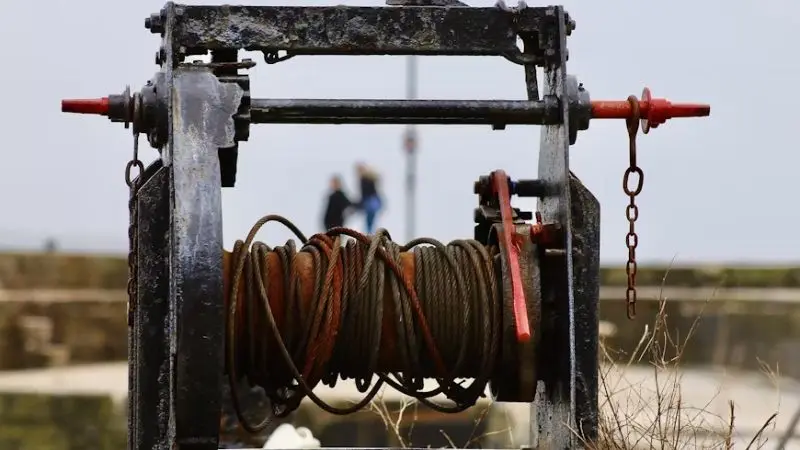
The truck winch is a multi-purpose piece of equipment that can be utilized in various situations for vehicle recovery, towing, and heavy-duty applications. Helps remove trucks from mud, snow, or sand and aids in off-road adventures and emergency recovery situations. Farm use, forestry, and construction, including loading heavy equipment onto trailers, are other uses for winches. A winch can make any job easier and safer by providing reliable pulling power.
Vehicle Recovery in Mud, Snow, and Sand
When driving your truck off-road, you’re frequently in challenging situations. You can become caught in vehicles in mud, snow, and sand. In these cases, a winch can aid you with the recovery process. Connect the cable to a secure anchor, then use the recovery winch to assist your truck. This is known as self-recovery. You remain safe and protected from damage to your vehicle. This feature demonstrates to users how the best winch for a pickup truck can self-recover. You can use the winch to get out of hard situations, for which you would otherwise need to wait for another vehicle or roadside assistance. The winch is attached to a strong anchor point, such as a tree, rock, or other solid object, and gradually reattaches the vehicle to the ground. This not only saves time but also allows drivers to go on their way without seeking assistance. Always inspect your recovery winch before you go outside. A working winch can greatly facilitate recovery.
Off-Road Adventures
You like hiking and walking in the wild. How to use a winch on a truck? With a winch, you are sure to try new paths. If you run into trouble, use your recovery winch to get back on track. You can also assist others who need recovery. A winch is a valuable piece of equipment for many off-roaders and an essential part of any trip. This feature anticipates problems that users may encounter. Many situations can lead to getting stuck, such as loose gravel, steep hills, deep ruts, or slippery surfaces, and even experienced off-road drivers can encounter them. If there is no winch, the vehicle might need to be towed or a professional recovery service called to retrieve the truck. A truck winch provides drivers with a reliable means of recovery when a truck becomes inoperable by attaching the cable or synthetic rope to a secure anchor point and slowly pulling the truck to safety. It also helps the user become more independent during an outdoor trip.
Farm, Ranch, and Forestry Work
There are numerous tasks you perform on a farm or ranch that require a winch. Turn, move, and pull down trees, equipment,t and recovery. A recovery winch is used in forestry to assist with dragging logs or recovering paths. You save time and effort with a winch. So what is the purpose of a truck winch? The truck winch is a great addition that provides extra pulling power and makes many everyday activities safer, easier, and faster. The winch can be used to pull, lift, or recover heavy loads when necessary, rather than relying on manual labor or another vehicle. Frequently, people working in forested areas have to push down trees, drag logs, or clear blocked trails. These tasks are much easier if a truck winch is used, since it will give the controlled pulling force needed. The cable can be tied to a log or fallen tree and slowly dragged to a safer or more convenient spot. This reduces the amount of physical effort required and improves overall productivity.
Construction and Industrial Applications
Winches are often found on construction sites. Workers use them for recovery and to shift heavy loads. A recovery winch is used to help lift or pull equipment in place. A winch makes your job easier and quicker. A construction site tends to have uneven surfaces, such as mud, sand, gravel, and other loose materials. Trucks, trailers, excavators, and skid steers may sometimes get caught while operating. How does a truck winch work? With a truck winch, these vehicles can be recovered without waiting for another recovery vehicle to arrive. The winch cable can be hooked to a firm anchor point, and the stuck equipment may be brought back to the ground. This minimizes downtime and ensures smooth project progress. Numerous jobs in industry involve loading generators, compressors, construction equipment, or other heavy machinery onto trucks or trailers.
Loading Heavy Equipment and Trailers
A winch is used to put heavy equipment into trailers. A recovery winch is used to lift machines or vehicles onto ramps. You are in charge, and you make everything normal. If you must load your own truck, you can do so. Heavy equipment can be difficult to load, particularly if it’s too heavy to push with hands. The best winch for a pickup truck can address this issue by using a slow, controlled pulling rate when lifting the trailer ramps. The operator only has to tie the winch cable to a firm recovery anchor on the equipment and pull the winch. The constant pulling action will smoothly move the machine on the trailer without any sudden movement. A truck winch can help you load non-running vehicles and machinery without pushing them with another machine.
Types of Winches for Trucks: Choosing the Right One
When it comes to truck winches, there are several types to choose from, and understanding each will help you pick the right one. There are various types of winches to choose from for your truck. Each winch has unique characteristics, and they are all strong. Consider the things you may need. Check the capacity of the winch. Before selecting, be sure that the winch is sturdy enough.
Electric Truck Winches
There are several electric winch designs available on many trucks. These winches get power from your truck’s battery. A remote or switch is used to operate the winch. For most recovery jobs, electric winches are suitable. They work quickly and easily. Be sure to follow the manufacturer’s recommendations for the winch’s load capacity. Most electric winches are intended for light- or medium-duty trucks. They can be used for off-road trips or for everyday use. Among the best aspects of electric truck winches is that your truck’s battery powers them. It can be equipped without the need for a separate engine or hydraulic system. When the winch is correctly set up and linked, it’s always at your disposal. This means the winch can be readily used for emergency recoveries or routine work. So long as your battery is in good condition, the winch can offer reliable pulling power.
Hydraulic Truck Winches
Hydraulic winches are commonly found on heavy-duty trucks. These truck winches are powered by the truck’s hydraulic system – electric vs hydraulic. They make solid pulls and can take on large-scale tasks. Hydraulic winches are great for long or hard work. Before starting, be sure to check the winch’s pulling power. Hydraulic winches can pull more than electric winches. Typically, hydraulic truck winches are found on commercial, construction, tow, logging, and military vehicles. They are designed to withstand demanding jobs and are perfect for applications where reliability and continuous operation are significant. AA hydraulic truck winch is highly impressive for its pulling power. These winches are designed to lift extremely heavy loads that many electric winches can’t lift.
PTO (Power Take-Off) Winches
PTO winch setups are often found on work trucks. These winches are attached to your truck’s engine. They provide good pulls and are suitable for heavy loads. Best for farm or large-scale work: PTO winches. Always use the winch’s power to ensure it meets your needs. PTO winches are useful for hauling heavy equipment. The truck’s engine powers the PTO. The PTO system delivers power directly to the winch when the engine is running. Therefore, the winch’s pulling force is independent of the truck’s battery; it is strong and steady. The winch will reliably perform challenging tasks while the engine is operating.
Manual Hand Winches
Manual Hand Winches are used for simple tasks. What is a truck winch used for? No batteries or hydraulics are required for these winches. The winch is operated by turning a handle. Manual winches are not as powerful as other types of winches. Take them for small jobs or emergencies. Before using the winch, always inspect the winch’s capacity.
-
- Electric Winch: Battery-powered, ideal for off-road recovery and light- and medium-duty applications.
-
- Hydraulic Winch: Requires a truck hydraulic system and is best for heavy industrial applications and long pulling.
-
- PTO (Power Take-Off) Winch: The power comes from the truck’s engine, making it ideal for farming, construction, and many other heavy-duty applications.
-
- Manual Hand Winch: Hand-operated for small pulling and emergency applications.
Steel Cable vs. Synthetic Rope: Which Is Better?
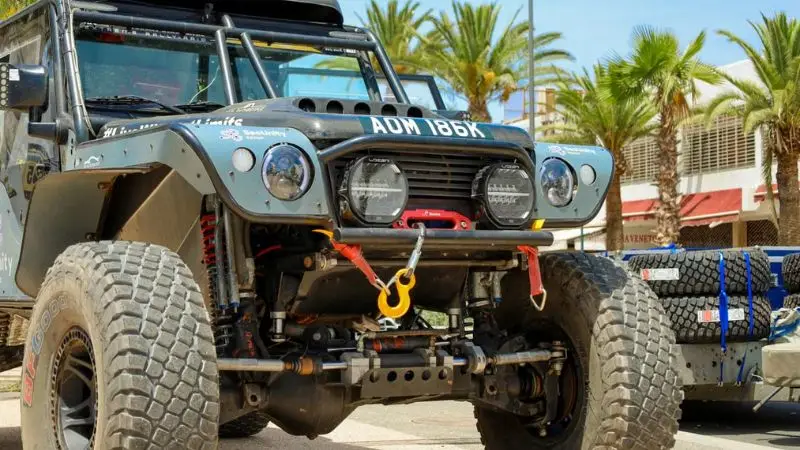
When it comes time to choose the right steel cable or synthetic rope for your truck winch, both options have advantages, so it depends on how you plan to use it. Steel cable is very strong and well-suited for heavy-duty use and harsh environments. At the same time, synthetic rope is much lighter, easier to handle, and more suitable for off-road recovery in extreme situations. They can be compared in terms of strength, safety, weight, and maintenance requirements to determine the most suitable winch cable for reliable performance.
Benefits of Steel Winch Cable
Many winch setups have steel cable. The steel cable provides your winch with a strong pull. Steel cable is used when carrying large loads or in harsh environments. Steel Cable is wear- and heat-resistant. Why are trucks fitted with winches? If you’re on construction sites or rocky terrain, you can rely on steel cable for your winch. Properly maintained, steel cable can endure for many years. Steel cable can be heavy. Gloves are recommended when handling to protect hands.
-
- Steel cable can easily bend around corners. Steel cable will not break around sharp corners.
-
- Steel cable is used in extreme weather conditions.
-
- Steel cable is the best choice for heavy-duty winch applications.
Benefits of Synthetic Winch Rope
This is where synthetic rope comes in handy: it makes your winch lighter. Synthetic ropes are very easy to work with, and if they do break, they are less harmful. Artificial rope floats in water. Synthetic rope is used for your winch when weight is not the major consideration and flexibility is important. There is no rusting with synthetic rope. Synthetic rope is easy to replace if it is worn out. How does a truck winch work? Before using your winch, check your synthetic rope. Check for wear and tear.
-
- Make your winch easier to carry with synthetic rope.
-
- Synthetic rope is used for your winch in muddy or wet conditions.
-
- If your winch rope does break, synthetic rope can help minimize the risk.
Which Option Is Best for Your Truck?
The choice between steel cable and synthetic rope depends on the type of winch you are using. If you are using a winch for heavy loads or sharp rocks, a steel cable is the best choice. If you need safety and ease of handling, then synthetic is a good choice for your winch. To determine which option best suits your needs, consider the tasks you will perform with your winch. Both are beneficial to your winch’s operation. How to use a winch on a truck? The general rule is to select a winch that can handle at least 1.5 times your truck’s fully loaded weight. This provides the winch with the necessary strength to retrieve the car without damage in challenging situations. A hydraulic or PTO winch might be a better option if the truck is used daily for heavy-duty work. These systems are intended for regular use and can be used more reliably when performing challenging pulling operations.
How to Use a Truck Winch Safely: Essential Tips & Best Practices

Wearing the correct safety gear, checking the winch before operating, and using proper winching methods are the fundamentals of safe winching with a truck winch. Do not use damaged cables, overload the winch, or stand near a tensioned cable during recovery. The practice of safe operating procedures and basic knowledge can enable you to carry out vehicle recovery more safely, effectively, and with confidence.
Essential Safety Equipment
The first thing you have to do is realize that you’ll need the proper equipment before you begin pulling with your best winch for a pickup truck. Heavy-duty gloves need to be worn to protect hands from sharp cable strands. Pull the cable with a winch damper or by covering it with a heavy blanket. This helps reduce the risk in case of a snapped cable. Have a set of safety glasses in your truck. A good recovery strap, D-shackles, and a tree-saver strap for safe anchor points are also a must. One of the most crucial pieces of safety gear for using a truck winch is a quality pair of heavy-duty work gloves. Winch cables, particularly steel cables, can incorporate sharp strands or tiny metal splinters that may slice through the hands.
Safe Winching Techniques
Safe procedures are imperative for recovery operations using the winch, every time. Always inspect your winch and cable for damage. Stop and block the truck’s wheels. Avoid being at the end of the cable path when pulling. Have someone with you to spot for you if possible. Keep the cable taut at all times. Do not walk over cables when under load. Please note that you can use your winch safely by following all safety rules. Take the time to read the manufacturer’s instructions before you use your truck winch. How to use a winch on a truck? Each winch will have its own weight restrictions, operating instructions,s and safety guidelines. Check for torn wires, frayed hooks, loose hardware, or worn components, and repair/replace them before operating the winch.
Common Mistakes to Avoid
People often make errors when using a winch. NEVER use a broken cable or rope. Don’t wrap the cable around sharp objects. Never pull loads that are too heavy with the winch. Avoid having the cable wrap around the drum. Pull away from the cable as you pull. Stop and patch over frayed spots if found. How does a truck winch work? A weak winch could be unable to retrieve your car or become damaged when operating under load. The rule of thumb is to choose a winch with a pulling capacity of at least 1.5 times the weight of your fully loaded truck. This is sufficient strength for most recovery operations.
Safety Tips for Beginners
Learning some simple tips can make it easy to use a winch properly. Why do trucks have winches? Read the manual for your winch before you perform your first rescue. Learn to pull in a safe place. Double-check all anchor points. Do not allow others to be in the pulling area. Don’t hesitate to ask for assistance when you are not sure. When using your winch to pull and/or recover, safety is first.
Now you understand what a winch is, how it works, and the major types of winches you have a choice of.
-
- Select an appropriate truck winch.
-
- Always take safety precautions.
Ensure the practice is conducted before the need arises. Each trip will be more enjoyable due to increased confidence!
Wrap Up
A truck winch is one of the most useful accessories you can add to your vehicle if you enjoy off-road driving. It provides the pulling power needed to recover stuck vehicles, move heavy equipment, and complete demanding tasks safely. What is the purpose of a truck winch? However, many beginners are unsure what a truck winch is, how it works, or which type is right for their needs. Learning the basics helps you choose the right winch and use it with confidence. Whether you use your truck for recreation, farming, construction, or everyday work, a winch can make difficult jobs much easier. In this guide, you’ll learn what a truck winch is, how it works, its common uses, the different types available, and important safety tips. By the end, you’ll have a clear understanding of how a truck winch can improve your vehicle’s capability.
FAQ
How do you know what size winch your truck needs?
You check your truck’s weight. Choose a winch rated for at least 1.5 times your vehicle’s gross weight. This gives you enough pulling power.
Can you use a winch by yourself?
Yes, you can use a winch alone. Always follow safety steps. Wear gloves and keep bystanders away. Practice helps you feel more confident.
What maintenance does a truck winch need?
You inspect the cable for damage. Clean the winch after use. Lubricate moving parts. Test the winch regularly. Replace worn parts quickly.