The idea of getting a chicken coop for three hens may seem daunting, but it doesn’t have to be. The right coop makes your birds happy, healthy, and safe; therefore, space, design, and features are crucial to plan. The hens should be given enough space to move, sleep, and lay eggs. They have a lot to do with the choice of size, materials, and ventilation. You may construct your own chicken house with three chickens or purchase a ready-made one at a price you can afford and space. In the appropriate arrangement, your small flock will flourish and feel like home.
- What Size Chicken Coop Do You Need for Three Hens?
- Key Features to Look for in a Chicken Coop
- Best Materials for a Durable Chicken Coop
- Coop Design Options for Small Flocks
- How to Predator-Proof Your Chicken Coop and Keep Your Hens Safe
- How to Manage Ventilation, Lighting, and Temperature for Your Hens
- How Much Does a Chicken Coop for Three Hens Cost
What Size Chicken Coop Do You Need for Three Hens?
The space is not only a number when a chicken coop of three hens is planned. Adequate space allows your birds to move freely, breed, and remain healthy. Inadequate space may cause stress, pecking, and low egg production. Knowing the minimum and optimal requirements, you will be able to build a house that will keep your flock happy and productive. We shall now see just how much room three chickens require, indoors and out in the run.
Minimum Space Requirements per Hen
In the case of a chicken coop of three hens, each hen should have a good space to move around, rest, and lay eggs. The most common set of guidelines suggests a minimum of 4 square feet of chicken space per chicken in the coop. This is 3 hens, and in that case, you ought to count on at least 12 ft. of indoor accommodations. Provision of space minimizes stress and fighting, as well as promotes good chicken welfare. The correct size coop will assist your birds to remain active and in good health, and provide them with a good place to roost and lay eggs.
Coop vs. Run Space Explained
Although indoor space is of the essence, your hens should have a secure space to roam, scratch, and explore. Here is where the chicken run comes in. The hen must have a minimum run size of 8-10 square feet, which translates to three chickens having approximately 24-30 square feet of outdoor space. A bigger run encourages natural habits and keeps your flock entertained. The coop is to sleep and lay eggs, and the run is to exercise and enrich. Providing space outside for your chickens will help prevent boredom and promote the overall welfare of the animals.
Why Bigger Is Often Better
Many beginners wonder whether it is necessary to meet the minimum space requirements. Although it is effective, a slightly smaller chicken house can make a significant difference in their welfare. Additional space enables the chickens to move freely, roost, and lay eggs without any stress. Pecking and aggression among hens are also reduced by bigger coops. To get a happy flock that proliferates, then pay attention to plenty of space inside and in the run. Adhering to the size of chicken coops and at the same time putting comfort as the first priority will help your birds to flourish. The most important thing to keep in mind when constructing or purchasing the most suitable chicken coop to house three hens is that bigger is nearly always better.
Key Features to Look for in a Chicken Coop
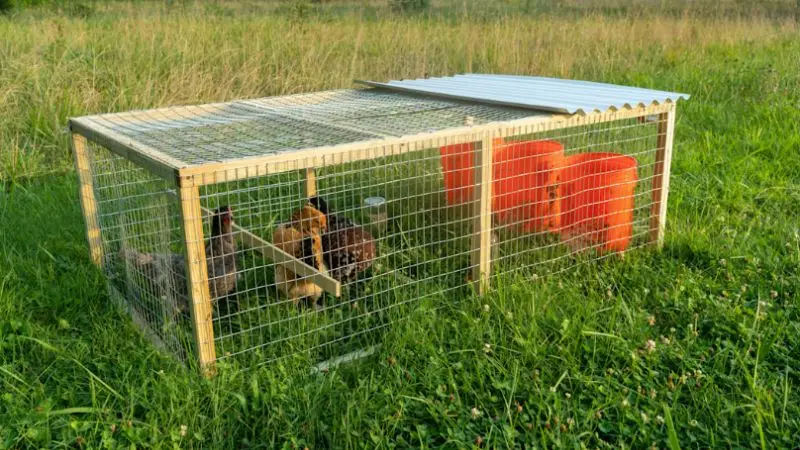
The issue of selecting an appropriate chicken coop to keep three hens goes beyond space. The health, comfort, and safety of your flock are influenced by the design, materials, and features. When a coop is well designed, it makes life simpler as you need to take care of your chickens each day, predators will be kept away, and your chickens will be happy. Now, we will discuss the main characteristics that should be considered to plan or purchase a coop, to ensure that your hens are happy and productive throughout the year.
Proper Ventilation and Airflow
Healthy chickens need fresh air. Ventilation will ensure moisture does not accumulate, there are fewer odors, and the chances of respiratory problems are minimal. Find a DIY chicken coop with three chickens that has windows, vents, or mesh holes to allow air to pass through, but keeps rain and drafts out. Adequate air circulation is not only a way of keeping the coop dry but also contributes to the overall welfare of the chicken. Small vents around the roof are also able to keep your birds comfortable and healthy throughout the year, even in winter.
Secure Doors and Predator-Proof Design
Security must be in the first place. The danger in your flock may be the predators like raccoons, foxes, or the neighborhood dogs, unless your coop is locked. Select a low-priced small flock chicken house with solid doors, well-built latches, and heavy-duty wire mesh. Ensure the coop is well sunk in the ground, and it is advisable to bury mesh at the edges to keep off digging predators. A predator-proof coop is safe at night and safeguards your investment in your flock. Security functions also alleviate stress, and hens remain relaxed and will keep on laying eggs.
Easy Cleaning and Maintenance Features
A clean coop is a critical part of healthy chickens, yet it is not supposed to be a challenge. Seek out such characteristics as removable trays, wide doors, or hinged roofs that allow cleaning to be quick and easy. With consideration of maintenance features, a small chicken coop design with three hens saves time on household chores and maintains the environment of your birds in good conditions. Clean bedding will keep your hens clean, reduce the risk of diseases, and make your bedding warm. Easy access to cleaning should be a priority in the plan to build a chicken coop to house three chickens, as it will improve the flock’s long-term health.
@frankbrooks8 Replying to @Apphole a coop is anything you make it that’s enclosed 🤷🏻♂️#chickens #chickencoop #chickenrun #vevor #tiktokshopblackfriday
♬ original sound – FrankzFindz 🗝️
Nesting Boxes
The hens lay their eggs in nesting boxes, and therefore, size matters. Two nesting boxes are adequate in the case of three hens. Hens tend to share, and the inclusion of more boxes is a waste of space. Placed position boxes that are easily reachable. Three-hen chicken coop: This can be used to keep a flock of three hens so that the nesting boxes, roosting bars, and the run do not get overcrowded. Properly constructed nesting sites reduce the level of stress, promote egg laying, and simplify and make egg collection convenient.
Roosting Bars and Sleeping Space
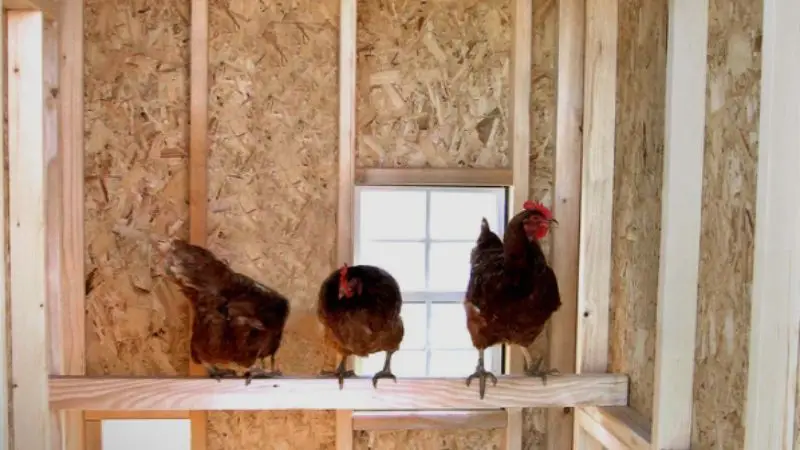
Chickens require safe and raised areas where they rest at night. They have roosting bars that provide them with a ground-level rest. Ensure that your optimal chicken house with three hens offers a roomy space for all three chickens to perch without crowding on top of each other. The shy hens or younger hens can be made to feel safe using bars of various heights. A large sleeping space also helps avoid pecking and achieve a peaceful flock. In designing small chicken coop plans for three hens, make sure that there is enough space to nest and roost, and keep your birds healthy and happy.
Best Materials for a Durable Chicken Coop
When you are selecting your material to build your chicken coop with three hens, it is important to make the right choice based on durability, comfort, and the ease of maintenance. The material influences insulation, predator protection, and the longevity of the coop in varying weather conditions. Both of these options have their pros and cons, and it is crucial to consider them according to your climate, budget, and flock requirements. We will discuss the most popular materials and why they are the best choice for a DIY chicken coop with 3 chickens.
Wooden Chicken Coops
Traditional and attractive coops in the backyard are made of wood. It is also natural in merging with landscaping and offers good insulation during summer and winter. This is an easy plan to customize, a small chicken coop plan made of wood that can be modified to include windows, extra doors or nesting boxes as required.
Pros:
- Simple to construct or alter.
- Good season-all-year-round insulation.
- Appearance is appealing in the majority of the yards.
Cons:
- Requires regular maintenance
- Rot or warp when subjected to moisture.
- May is attractive to pests like termites.
Wooden coops have not yet been forgotten as they are flexible and natural in appearance. Coating the wood with weatherproof paint also keeps the wood dry and increases its life, keeping the flock protected and comfortable throughout the year.
Plastic and Metal Coops
Modern alternatives are plastic and metal, which offer low maintenance. Plastic coops are light, easy to clean, and do not easily rot, hence they are convenient with small flocks. Nonetheless, they are able to break when it gets very cold. Metal coops are resistant to predators, strong, and will withstand chewing, but can get hot when in direct sunlight in the summer. Both of them can be perfect in regard to an inexpensive chicken coop with a small flock, depending on your priorities.
Plastic coops are ideal in case you would like to clean without any problems and move easily. Metal coops are superior when the priority is being safe against predators. In both instances, select a size that can accommodate three hens without being overcrowded or undersized so that there is room to nest, roost, and move about.
Weather Resistance and Insulation
Your hens will require comfort at any time of the year. They are to be properly insulated so that they can be warm in winter and cool in summer. Straw or wood shavings inside the coop make it more comfortable, and a roof in good shedding condition keeps the inside of the coop dry. Plugging holes can help block drafts, keeping your flock warm against cold winds. In establishing the best chicken coop with three hens, locate it in an area with partial shade. This regulates the temperature, stops overheating in summer, and keeps your birds warm in bad weather.
With attention to the materials and emphasis on ventilation, insulation, and durability, you will be able to make a sustainable chicken enclosure of three hens that will help them stay healthy, safe, and comfortable in their daily lives.
Coop Design Options for Small Flocks
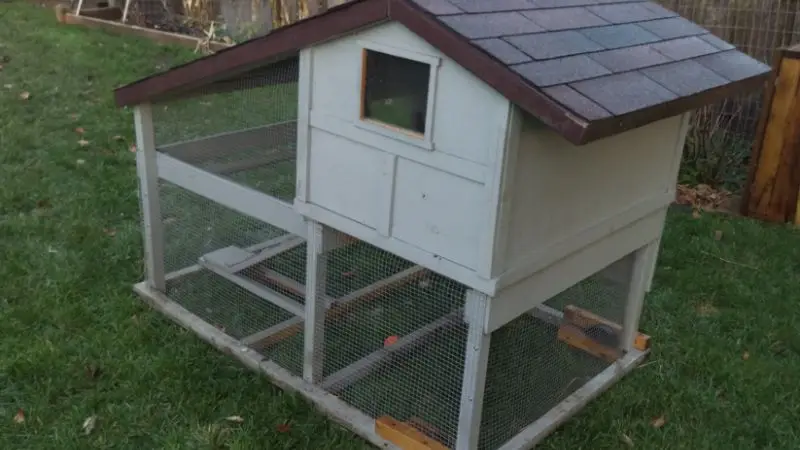
The design of the coop is as important to pick as the size or the material. The design influences the comfort, safety of your chickens, and your maintenance convenience. With a three-hen chicken coop, there are a number of choices that are suitable in terms of mobility, protection, and convenience. We will discuss stationary and portable coops, raised coops, ground-level coops, DIY coops, and pre-built coops, to ensure you choose the one that suits your yard and your lifestyle.
Stationary vs. Portable Chicken Coops
The traditional coop is a stationary one, which will provide your flock with more space and a durable design. You can enclose a bigger run around it and give it regular protection. Conversely, a portable coop, also known as a chicken tractor, enables you to relocate your hens to new grass frequently. This helps avoid overworked, red clayed spots and offers your flock fresh soil. In small yards, the portability of a DIY chicken coop may be a significant benefit to a three-chicken coop. Both alternatives are good depending on your space, routine, and the level of interaction you desire with your flock.
Raised vs. Ground-Level Coops
You also have to think of whether to elevate your coop or leave it at ground level. The coops are raised to shield damp soil, snow, and certain predators. They also include an additional storage area below, which can be used to store feed or machinery. Ground-level coops are easier to enter and exit, and less effort is required in their construction. The plan of a small chicken coop with three hens can be adjusted to either style. This decision may largely be determined by your climate, yard conditions, and personal preference, and still provide comfort and safety to your hens.
DIY vs. Pre-Built Chicken Coops
Whether to construct your own coop or purchase a pre-assembled one depends on time, expertise, and personalization. A 3-chicken DIY chicken coop allows you to customize all aspects, such as size and materials, and even nesting boxes and roosting bars. Ready-to-assemble coops, on the other hand, are time-saving and allow you to begin keeping hens soon, with minimum assembly. Both of them will make a nice, useful home for a small flock. Think about your intentions: if you like building and adding features, a DIY assortment might be highly rewarding, and a ready-made coop can be convenient and effective for a busy owner.
How to Predator-Proof Your Chicken Coop and Keep Your Hens Safe
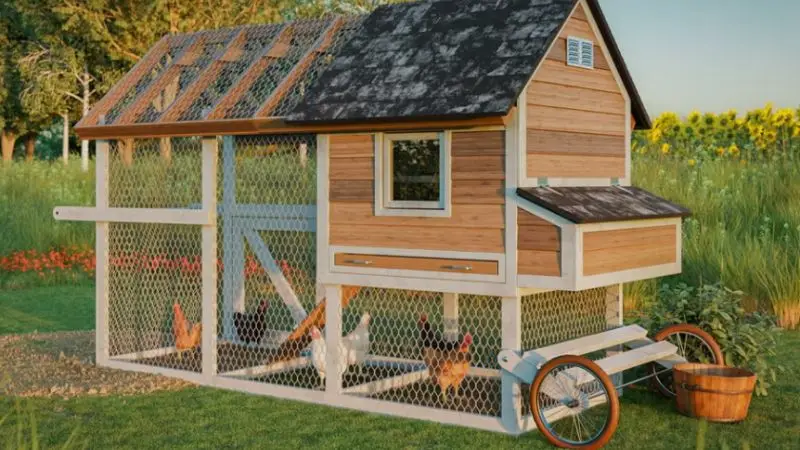
Protecting your flock is among the most crucial things of raising chickens. At all times, predators may strike, and therefore, a secure chicken coop with 3 hens is necessary. With materials that are suitable, good locks, and good design, your hens have a safe day and night. Predator-proofing, in addition, lowers stress levels in your flock, maintains their health, and ensures you. Building your own backyard chicken coop or purchasing a pre-assembled one, these measures are crucial to the long-term safety and comfort.
Common Predators That Can Threaten Your Hens
Chicken is easy prey to many animals. They can be threatened by raccoons and foxes, hawks, owls, snakes, and even domestic dogs or cats. Raccoons are cunning and will open simple latch locks, where foxes will excavate under fences to gain access. The hawks and owls strike on top, and snakes can attack the nesting boxes to consume the eggs or the small chicks. Knowing the predators in your neighborhood helps you strategize defenses. To build a safe home that minimizes the risk of injury or loss, and to construct the best chicken coop for three hens, you would need to learn about the local wildlife and design a structure that protects the hens.
Best Locks, Mesh, and Flooring to Keep Predators Out
Three hens will need strong materials in a secure chicken coop. Rather than chicken wire, use hardware cloth on windows and vents; it is more difficult to chew or to tear. Put padlocks or carabiners on them that raccoons cannot break. Bury wire at least 12 inches deep around the perimeter to keep away digging predators such as foxes or dogs. Floors are also supposed to be solid or lined with hardware cloth. These measures are particularly necessary in a DIY chicken coop for three hens, where you want to be sure your hens are secure, comfortable, and safe throughout the day and night, without stress or disturbance to their day-to-day activities.
Nighttime Safety for Your Flock
Chickens are easy targets when they sleep, and therefore, it is necessary to lock the coop before going to sleep. Examine door checks, door latches, windows, and vents. Automatic doors are supposed to be checked regularly to make sure that they close. It is advisable to lock hens in every night to keep rockets, foxes, or any other predator out. The slightest violation may endanger your flock. A secure, low-cost chicken coop will ensure you have a safe chicken flock, and it also provides you with peace of mind. Nightly inspections are a routine that will be easy to follow and will make sure that your three hens are safe.
How to Manage Ventilation, Lighting, and Temperature for Your Hens
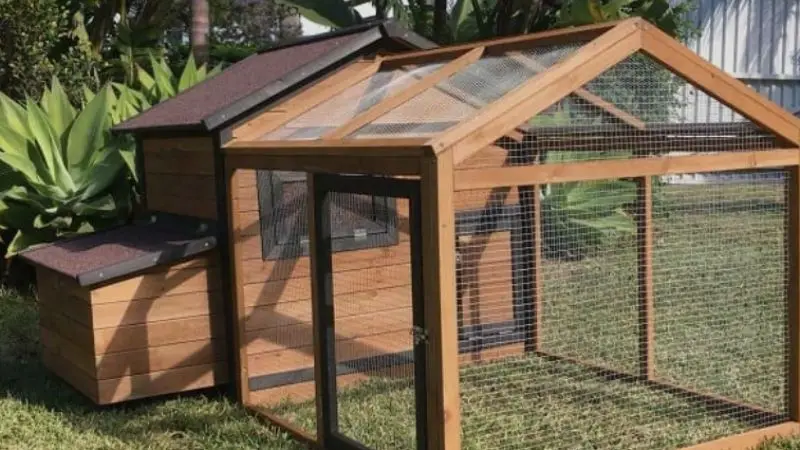
In order to be healthy, chickens require fresh air, good lighting, and adequate temperature. The ventilation may result in dampness, mold, and breathing issues. Stress in the form of heat or cold may influence the egg production and general well-being. A three-hen chicken coop plan with airflow, shading, and insulation will ensure your flock flourishes. By being careful in planning the ventilation and temperature control, your hens will be active, calm, and productive throughout the year.
Why Proper Airflow Is Essential for Healthy Chickens
The breathing and movement of chickens result in the production of moisture and ammonia. When the coop is not well ventilated, the air is also damp, and this may lead to mold or respiratory problems. Providing vents around the roof or mesh windows will facilitate the circulation of air without drafts around the roosting spots. Adequate ventilation also eliminates odors and makes the environment healthier. In the case of a three-hen chicken coop, regular ventilation of the chicken house keeps the birds happy, reduces stress, and eliminates illness, which makes the flock calm and guarantees year-round egg-laying.
How to Keep Your Hens Cool During Hot Weather
Chickens may be harmed by hot weather, which may slow egg production. Airflow, shade, and fresh water are essential. Locate the coop in the shade of a tree or cover it with a tarp that would exclude direct sunlight. Keep your barns open during the day so the heat can get out and give your hens shady dust-bathing spots. They can be cooled down with frozen water bottles or cold treats. The best chicken coop plan for three hens would ensure your chickens are comfortable in summer, active, and not subject to heat stress or dehydration.
How to Keep Your Hens Warm During Cold Weather
Cold weather may be a challenge, but most hens are able to withstand it compared to heat. Stuffing up drafts except in a small opening at the roof keeps the air flowing, and the place does not get damp. Insulate with additional straw or shavings and put the coop somewhere out of the wind. Heat lamps are also dangerous because they may cause fires. Your flock is safely and comfortably bedded and ventilated. A professionally insulated homemade chicken house with three chickens enables the hens to be healthy, keep their egg production, and feel comfortable even in the cold winter seasons.
How Much Does a Chicken Coop for Three Hens Cost
Chicken coop prices of three hens vary based on size, materials, and features. To begin with, a small flock, you do not have to pay a fortune. The selection of a coop will be based on your financial means and your preference to either do it yourself or to buy an already assembled coop. Knowing the price ranges will enable you to plan your expenditure on the initial purchase and the maintenance.
Budget-Friendly Chicken Coop Options
On the one hand, when you are new to keeping hens, there are a lot of inexpensive options. Small wooden kits can be bought for between 150 and 300 dollars. Another DIY that you can make is a chicken coop that can house three chickens with recycled wood, pallets, leftovers, etc. Assembling it on your own allows you to control the size, the ventilation, and the nesting boxes at a low cost. A safe and comfortable flock house can be made by even low-end coops, provided that you invest in durable materials and properly ensure protection against predators.
Mid-Range and Premium Chicken Coops
The mid-range coops come at around $350 to $700, and they usually have better ventilation, are easier to clean, and have stronger locks. Premium coops begin at $800 and can include additional amenities like weatherproofing, bigger runs, auto doors, or fancy designs. The ideal chicken house in this category to have three hens, is very comfortable and convenient to both you and your family. Spending more on quality materials and features in the early days, it will help cut down on the amount of work that goes into the maintenance process, as well as making sure that your hens are healthy over the years.
Long-Term Maintenance Costs
The cost of a coop is low in yearly costs. Bedding, cleaning material, and rare paint or sealant can cost between 30 and 60 dollars annually. The coops made of wood will need repair or re-painting after several years, whereas plastic or metal coops require fewer repairs. A small chicken coop plan of three hens can be maintained cheaply to continue to be a durable and safe coop. A properly maintained coop not only increases its life span, but also helps the flock to stay healthy, as well as safeguard your investment in the long term.
Wrap up
Three hens can be raised easily, cheaply, and fulfilling with the appropriate chicken coop for three hens. The right size, materials, and design will help keep your flock safe, healthy, and happy. Predator-proofing, ventilation, and temperature control should be considered to make the environment as comfortable as possible throughout the year. A DIY chicken coop to house three chickens would save you money, or a better chicken coop with three hens and additional features. Chicken keeping is an enjoyable and stress-free practice through proper placement, maintenance, and planning.
FAQ
What is the frequency of cleaning your chicken coop?
Your coop should be washed every week. Get rid of old bedding and change it. This makes your hens well and your coop sweet.
Are you able to house other types of chicken together?
Yes, it is possible to interbreed. Ensure that hens are spacious enough and of the same temperament. Observe bullying and make changes when necessary.
In winter, do you need to heat the coop?
No, you do not need to heat the coop. The majority of hens are cold-hardy. Take additional bedding and stuff up drafts. Use precautionary measures and do not use heat lamps.