
Whether you are asking yourself how much is a chicken coop costs in 2026, the average price has been estimated to be at $2,900. The prices are based on size, features, and materials. The few chicken coops with small units cost between $2,080 and $3,855. Medium-sized coops are usually priced between $2875 and $3795, and walk-in large-size coops range between $3265 and $3910. A DIY coop can be a less expensive way to build one, but there can be hidden costs in materials and tools. Ready-to-use coops are much more expensive initially, but convenient, durable, and easy to use. These costs will help you plan and budget for your backyard flock.
Average Cost of a Chicken Coop
When you decide to raise chickens, one of the first questions that will come to your mind is how much a chicken coop costs. The price may vary based on size, materials, and other features. Some prefer basic designs, while others have extravagant setups.
The average cost would allow you to better plan your budget. It also simplifies the decision of whether to purchase a ready-made coop or consider a cost-effective DIY alternative.
Typical Price Range for Chicken Coops
When you begin to seek a chicken coop, you are likely to ask yourself, ” What is a chicken coop cost? It is up to the kind of answer you desire and require. The average price of a coop of chickens is about $2,900 in 2026. You can find options as low as $400 or as high as $3,910. The majority tend to pay between a high and a low price.
Here is a rough calculation of what you can expect to pay:
- Small coops: $2,080 to $3,855
- Medium coops: $2,875 to $3,795
- Large coops: $3,265 to $3,910
How expensive is a small chicken coop? You may be asking, it tends to be less expensive than bigger coops. The smaller ones are ideal to start with, or for those with limited space. Always verify what comes with the price since in some coops, they are fitted with free items such as runs, whereas in other cases, they are fitted with the bare minimum.
Low-End vs Mid-Range vs High-End Coops
There will be a distinct distinction between low-end, mid-range, and high-end chicken coops. Every alternative has varying quality, durability, and features. The type of purchases will depend on your budget and the duration of time you intend to keep chickens.
- Low-End ($400–$1,500): These are low-cost and low-tech co-ops. They incorporate low-cost materials and reduced designs. They would work well when you wish to have a cheap coop in the backyard to house chickens, or are in a hurry to set up.
- Mid-Range ($1,500–$3,000): Such coops have superior materials and space. You can also have such convenient options as nest boxes and enhanced ventilation.
- High-End ($3,000–$4,000+): They are high-quality co-ops that are well-made and fashionable. Most of them have insulation or automatic doors, making them more expensive but comfortable and durable.
The selection of the appropriate type will depend on your needs. You can afford to spend a little more on a longer-lasting and more comfortable arrangement of your chicken.
Cost Per Chicken (Quick Estimate Guide)
Unless you wish to know more about your budget, you can divide the cost per chicken. This approach will help you form a more accurate picture of the total cost of building a chicken coop, or of what a coop suitable for your chickens will cost.
The following is a crude estimate:
- Small coops (2–4 chickens): $520–$960 per chicken
- Medium coops (5–10 chickens): $290–$570 per chicken
- Large coops (10+ chickens): $330–$390 per chicken
As you can see, bigger coops tend to lower the price per bird. This allows them to be a better investment in the long run if you intend to expand your flock. You can save some money by planning ahead for space and budget.
Chicken Coop Prices by Type
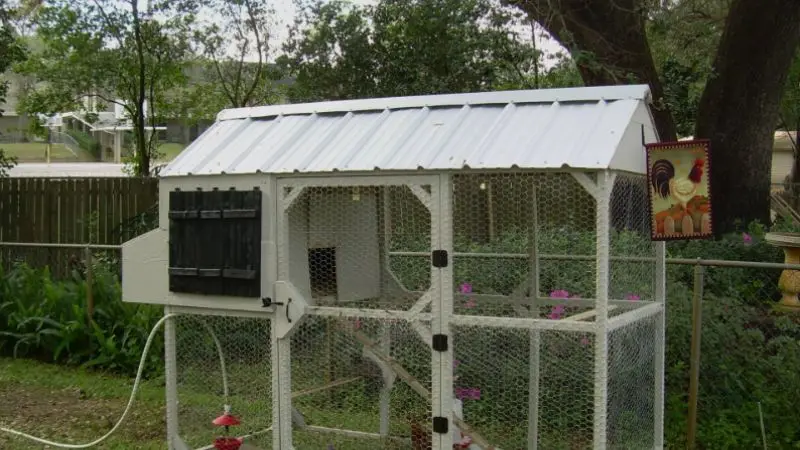
The decision on the type of chicken coop is as paramount as the budget. Various coop styles are priced based on size, design, and features. This helps you better align your needs with what you can afford.
Knowing them all will help you choose well. It also suggests how much a chicken coop would cost, depending on the arrangement that you would like to have.
Small Backyard Chicken Coops (2–4 Chickens)
When one has a small backyard coop, then a small coop is mostly preferable, especially when one has few chickens. These are basic, small, and ideal coops suitable for starters. The question is, how much is a small chicken coop, and the answer to that question is that the prices may differ depending on quality and features.
What to expect here is as follows:
- Basic kit coops: $500 to $1,000
- Custom coops with extra features: $2,000 to $4,000+
- Second-hand coops: a couple of hundred dollars on auction.
- DIY construction: less expensive, provided that you make it out of recycled goods.
Making your own coop would save money since you will be primarily paying for materials. This is why most individuals explore DIY chicken coop costs to keep costs in their pocket. Small coops are recommended when you need a simple and cheap design that you can handle in the backyard.
Medium Coops (5–10 Chickens)
Small to moderate-sized coops prove useful in the event that you decide to have a somewhat bigger flock. They provide more room and comfort to your chickens. There are better features and more powerful materials as the size gets bigger.
Typical prices include:
- Coop 5 chicken size: approximately $1399.
- Coop for up to 10 chickens: up to $4,490
The latter coops offer greater flexibility and a fair balance between functionality and cost. They are not as cheap as small coops, but they are better in the long term. When considering the cost of building an overall chicken coop, many people will take this size into account.
Large Walk-In Coops (10+ Chickens)
Big walk-in coops are designed for larger sizes and have enough room so you can move inside. This makes it a lot easier to clean and feed. Nonetheless, a large chicken coop may cost more due to its size and other additional characteristics.
The following is what you may pay:
- Walk-in coops: $700 to 1500 plus installation.
- Mid-range models: around $1,799
These coops are ideal when comfort and durability are needed. The initial cost is greater, but they can usually be more beneficial in the long-term with larger flocks.
@frankbrooks8 Replying to @Apphole a coop is anything you make it that’s enclosed 🤷🏻♂️#chickens #chickencoop #chickenrun #vevor #tiktokshopblackfriday
♬ original sound – FrankzFindz 🗝️
Portable Chicken Coops (Chicken Tractors)
A chicken tractor, also called a portable chicken enclosure, is a good option when flexibility is desired. They can be moved about your yard, providing your chicken with fresh grass and rooming here and there. They are also viable if you are seeking cheap backyard chicken coops.
The following are some general price concepts:
- Big portable broiler coop: approximately 3, 910.
- Medium broiler transport coop: approximately 3265.
- DIY chicken tractors: $250 to $700
Most individuals like to make their own coop portably because it’s cheaper. The DIY chicken coop can be made on a small budget by designing it with that in mind, and yet remain convenient and efficient.
Custom-Built vs Pre-Made Coops
In selecting a chicken coop, a person is normally faced with two choices: to construct it themselves or to purchase a prefabricated one. All the options, therefore, come with their own advantages and drawbacks, meaning they rely on your capabilities, time, and budget.
- DIY Chicken Coop: At a low cost, this alternative is cheaper initially if you recycle materials. You can, however, go overboard with tools and supplies. It is worth it when you require complete control of both design and cost.
- Pre-built Coop: Such coops are more expensive in the short run but time- and labor-saving. They can be made from better materials and last a long time.
One or the other can be an effective choice, depending upon your circumstances. With proper planning, it is possible to afford a chicken coop or purchase one without exceeding the budget.
DIY Chicken Coop Cost Breakdown

As a cost-effective approach to designing your own chicken coop, it is a good idea to build it and tailor it to your needs. A large number of individuals select this alternative to regulate design, size, and materials. It also makes it easy to even see what it actually costs to build a chicken coop by hand.
Before you start, it is important to know where your money will go. Starting with materials, then tools, and finally invisible costs, all of this is added to your final budget.
Cost of Materials (Wood, Wire, Roofing, etc.)
The largest portion of your budget will be spent on materials when planning a DIY project. If cost reduction is a concern, recycled or reclaimed materials are an excellent option. This can significantly reduce your total DIY chicken coop cost while still providing you with a robust, functional structure.
Some typical common materials and their mean prices are as follows:
- Reclaim wood: free or low-cost, used on walls and nest boxes.
- Softwood lumber: $2 -5 per board foot, framing.
- Pressure-treated lumber: $4 -8 per board foot, for support.
- Plywood: $15-30 per sheet, 1/8th-inch plywood is used in walls and on the floor.
- Corrugated metal: 1-5 per square foot, cedar cladding.
- Chicken net: $0.50 -2 per sq. foot, enclosure.
- Hardware cloth: 1-3 dollars per square foot, the applicant would use for the protection of predators.
You may combine various materials as per your budget and requirement. Most individuals end up avoiding such costly alternatives as concrete and siding to avoid high maintenance costs and still manage to construct a safe coop.
Tools and Equipment Expenses
Its tools are another factor to consider when constructing a coop on your own. There are tools that can be found at home, and others that have to be bought or even rented. This may influence the overall price of constructing a chicken house beyond the anticipated prices.
Types of tools that you might require include:
- Tape measure and level
- Parts assembling a power drill.
- Wood cutting circular saw.
- Staple gun to connect the wire.
- Fencing cutting tools.
All these tools might cost your budget several hundred dollars to purchase. It is prudent to rent or borrow tools, or even find friends, in case you want to save money. In this manner, you will be able to maintain your project budget and avoid investing in tools you might not need in the future.
DIY vs Buying Pre-Built: Which Is Cheaper?
Most people believe that it is always cheaper to build a coop, but that is not necessarily true. The end price is based on materials, tools, and design. It can sometimes be quite close to the process of purchasing a coop as ready-made when you buy a DIY chicken coop, and everything is new.
The following is a mere comparison:
- DIY Chicken Coop: Recycled materials are lower cost, but tools and upgrades can increase the cost. It is time and labor-consuming as well.
- Pre-built Coop: More expensive initial cost, however, it saves time and includes a developed design and improved convenience.
DIY is a decent choice when you want to build a custom project. However, if you are more comfortable with that and can make a quick installation, a coop purchase can be a more attractive option in terms of price and the availability of a chicken coop in your neighborhood.
Hidden Costs in DIY Chicken Coops
It is easy to miss minor but significant expenses when you are planning your budget. These are the costs that may add up to building a chicken house you did not anticipate.
The extra costs that are common include:
- Extra protection on Hardware cloth.
- Automatic chicken feeder
- Clean water spray irrigation.
- Bedding is made of pine shavings.
- Metal nesting boxes
- Predator-proof door latches
- Extra framing support
- drainage gravel or sand.
- Sealant made of paint or wood.
- Automatic door upgrades
- Roof trims and finishing material.
These products contribute to the safety and improved comfort of your chickens. When you plan ahead, you will not be caught off guard and will manage your budget too.
Factors That Affect Chicken Coop Prices
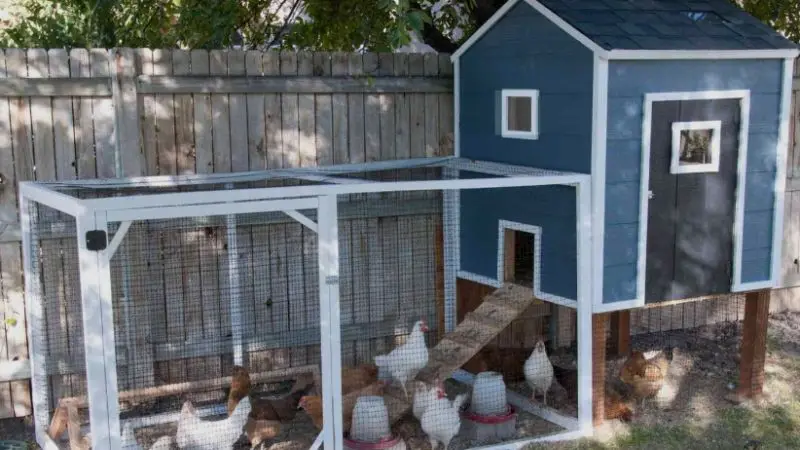
It does not have a fixed cost of a chicken coop. The final price can be altered by many factors, including size and materials, and additional features. That is why the response to this question how much is the chicken coop, may be the same, but different among different people.
When you are aware of these factors then you will plan better. It is also simpler to select a coop that accommodates your requirements and your financial resources.
Size and Capacity
One of the largest factors influencing the price is the size of your chicken coop. If you have a small flock, you may start with a small coop. However, your chicken population can only grow with space, which makes it more expensive.
Some key points that must be remembered are as follows:
- It is possible to begin small with modular designs and then grow upon them.
- The bigger co-ops need more materials and specialties.
- The larger coops are more expensive and comfortable.
Large coops also have some extras, such as ventilation systems or feeders that may increase the cost of a large chicken coop. It is always good to opt for a coop that meets your current requirements and has the potential to expand in the future.
Materials Used (Wood, Plastic, Metal)
The nature of the materials used is a massive factor in price. There are materials that are cheap but wear out easily, and others that are expensive but durable. This has a direct influence on the general price of constructing a chicken house.
The following is just a rough breakdown:
- Softwood: approximately 2.50 per board foot; cheap and easy to work with.
- PVC: approximately $5.50 per meter, which will last longer in inclement weather.
- Redwood: very strong, costly at about $11 per board foot.
- Corrugated tin sheets: the cost of a sheet is approximately 17.50, and it is used to cover the roof.
- Plastic sheets: 1.5 km per roll, durable and expensive.
Recycled materials can also help you reduce your overall cost for a DIY chicken coop, such as pallets or scrap metal, though they won’t last as long. When selecting materials, it is necessary to strike a balance between cost and durability.
Design Features (Nesting Boxes, Runs, Ventilation)
Additional options can add significantly to the overall cost of a chicken coop. Although basic coops are less expensive, adding useful features enhances comfort, safety, and egg production.
It may share the following common features:
- House nesting boxes: $20-40, easy, but has to pick eggs regularly.
- Roll-away nesting boxes, priced at 60-100, serve to prevent egg breakage.
- Ventilation systems: over one hundred dollars, better quality of air, and less moisture.
The following characteristics make your coop more efficient and more comfortable for your chickens. They increase the price, but at the same time, they may decrease maintenance and increase the long-term outcomes.
Weatherproofing and Insulation
The cost also depends on weather conditions in your area. In case you are residing in an environment with extreme temperatures of either heat or cold, you will require insulation and weatherproofing. This will increase the initial expenses but save your chickens throughout the year.
Durability can be enhanced by using treated wood, insulation panels, or metal roofing. These upgrades could increase the cost of building a chicken coop; however, they will save you money in the long term by reducing repairs and maintenance.
Also important to note is the insulation, in case you intend to use heaters or cooling systems. Your chickens are safe, healthy, and productive in a well-protected coop.
Location and Delivery Costs
The ultimate cost of a chicken house can also depend on its location. The delivery charges and installation costs depend on distance and the size of the coop. Larger coops are usually expensive to transport and install.
Some of the sample prices, including delivery, are as follows:
- 6×10 Combination Coop: $6,463
- 7×12 Quaker Coop: $7,682
- 7×16 Combination Coop: $9,915
- 3×4 Quaker Coop: $3,326
- 4×6 Quaker Coop: $4,130
Delivery and placement are included in the overall price at some companies, while others charge additional fees. This fact is significant in determining the price of a small chicken coop and even larger models.
Ask before purchasing what is included. The way it is delivered and installed can add significantly to the cost.
Additional Costs to Consider When Building a Chicken Coop
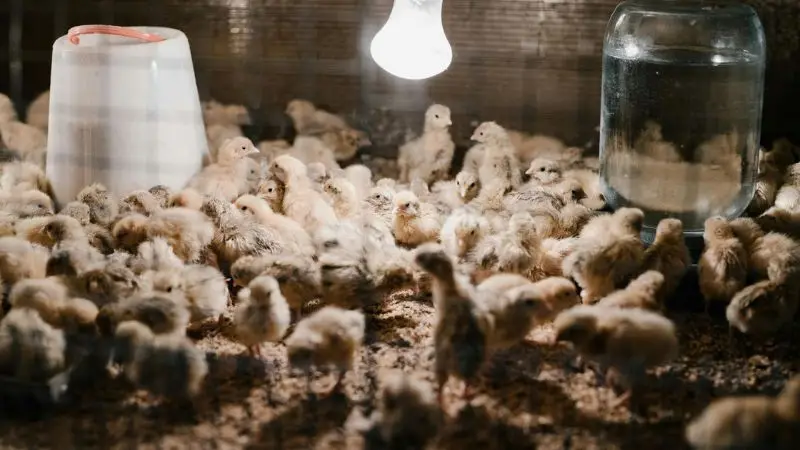
Again, looking far beyond the actual construction, when planning that chicken coop. There are a lot of little costs that may increase with time and influence your overall budget. These are some of the additional costs that are usually ignored, yet they are needed to ensure your chickens are safe and comfortable.
The knowledge of these extra costs will help you better define the actual cost of constructing a chicken coop. It also makes you not be surprised and spend your budget more efficiently.
Cost of Chicken Run and Fencing
A chicken run provides a safe area for your flock to move around without getting attacked. Fencing is essential for keeping predators out and keeping your chickens safe. Depending on the type of fencing we will do and the size you intend to cover, the price of fencing materials may be high or low.
You might have to pay some money for support posts, wire fencing, and corner posts. The metal posts are less expensive than wooden ones, and powerful wire, such as Red Brand, is rather expensive but more durable. A bottom wire mesh is also beneficial as it prevents attacks from raccoons, foxes, coyotes, etc. These options can increase the overall price; however, they guarantee safety and long-term peace of mind.
Cost of Feeders and Waterers
The feeders and waterers are important in maintaining the health and well-being of your chickens. It depends on the type of price you choose and the level at which the system is. Basic waterers and feeders are not very expensive, and more sophisticated versions, such as treadle feeders, may be quite expensive.
Wall-mounted and hanging feeders are most popular as they are user-friendly and help to reduce waste. Another alternative to small flock feeders is the trough feeder. These things might look like little costs, but they all contribute to your overall calculation of how much a chicken coop costs when you are making preparations. The decision on the correct type will be based on your flock size and your daily routine.
Cost of Bedding and Maintenance Supplies
Bedding serves to keep the coop hygienic. It dries and dehumidifies the air, eliminates odor, and makes your chicks healthy. There is a type of wheat straw that is free and more affordable; however, it should be eliminated frequently.
Cleaning tools and supplies will also be necessary to keep the coop in good condition in the long term. They are recurrent expenses that most individuals do not consider when making a budget. These are recurring costs you should consider when planning the cost of a DIY chicken coop. Over time, they can accumulate and affect your overall expenditure.
Cost of Predator Protection and Safety Features
One of the most significant components of your chicken coop is predator protection. Animals may even attempt to enter your flock without appropriate protection. Applying such tough material as hardware cloth rather than ordinary wire can be significant.
Other areas that you should upgrade include installing safe locks on doors and windows, as well as strengthening vulnerable points in the building. Excavations around the coop base should also be added to discourage tunneling. Although such upgrades may raise the funds incurred in the construction of a chicken coop, they will need to ensure the safety of your chicken. You can only avoid a loss in the future by investing in good protection today.
Cost of Permits and Local Regulations
Local rules and regulations need to be reviewed before constructing a chicken coop. There are places you cannot pass without a permit, and it may be expensive, depending on where you are. These charges are not generally so high, but they must be put in your budget.
The cost of permits might be a token sum or a larger one, depending on coop size and type. Failure to observe these rules may attract penalties or unnecessary expenditures in the future. A little planning will give you an idea of the cost of a small chicken coop or even bigger structures in your neighborhood. Such a step helps ensure nothing goes wrong and prevents future trouble.
Wrap-Up
The construction or purchase of a chicken house entails more than the initial price. Expenses may be as constant as feed or bedding, predator shelter, permits, and facility maintenance. Depending on your flock size, budget, and long-term objectives, it is time to select the appropriate coop (a small backyard coop, a DIY project, or a tailor-made coop). Solutions are provided by online retailers, local shops, or second-hand, and contractors to meet different needs. The budgeted spending will help keep your chickens healthy, safe, and comfortable. Making good decisions will make your backyard flock productive and happy.
FAQ
What is the construction time of a chicken coop?
A basic coop can be constructed within a weekend, provided that you have all the materials. Larger or personalized co-ops could require a week. Prepare your schedule and put together your equipment beforehand.
Is it possible to use a recycled coop to keep a chicken?
Yes, you can! Patient pallets, scrap wood, and up leftover roof. All you have to do is ensure that everything is clean and safe for your chickens. Recycled materials will save you money and save the environment.
Is it required to have a permit to construct a chicken coop?
There are towns and cities that have a permit. Get in touch with your local government prior to the commencement of building. This will save you on fines or relocation of the coop.
What is the capacity of a small coop to hold a number of chickens?
Most chickens are housed in a small coop that accommodates 2-4 chickens. Provide every chicken with no less than 3 square feet in the coop. Additional space leads to happier, healthier birds.