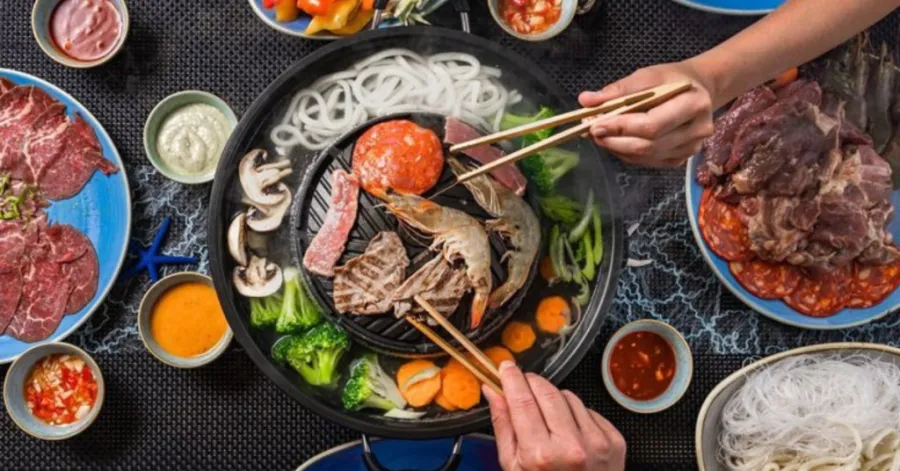
When you think about hot pot vs korean bbq, you probably picture two very different meals. One lets you simmer fresh ingredients in bubbling broth, while the other invites you to grill meats right at your table. The difference in flavor, cooking style, and group vibe can shape your whole night out. Ask yourself what matters most—do you love hands-on cooking, want lots of options, or have a big group? Your answer will help you choose your perfect dining adventure: hot pot or BBQ.
Key Differences Between Hot Pot and Korean BBQ
Cooking Style: Simmer vs Grill
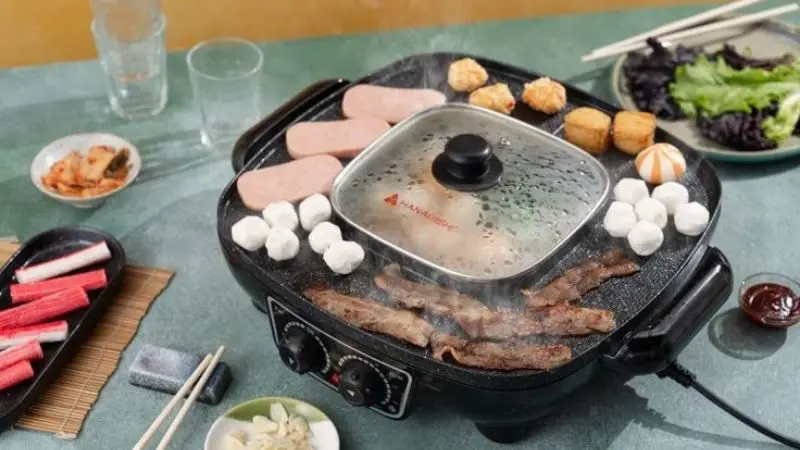
You get two totally different ways to cook your food. Hot pot lets you simmer meats, veggies, and noodles in a bubbling broth right at your table. You drop ingredients in, watch them cook, and scoop them out when they’re ready. Korean BBQ gives you a grill in the center of your table. You place slices of meat on the hot grill, flip them, and eat them fresh off the heat. Both styles are interactive, but the pace feels different. Hot pot is slow and cozy. Korean BBQ is fast and sizzling.
Ingredients and Flavor Profiles
Hot pot offers a huge variety of ingredients. You can choose seafood, thinly sliced beef, tofu, mushrooms, and leafy greens. The broth adds layers of flavor, from spicy to mild. Korean BBQ focuses on meats like beef, pork, and chicken. You get marinades that bring out sweet, savory, or spicy flavors. Side dishes and dipping sauces add even more flavors to your meal.
| Hot Pot Ingredients | Korean BBQ Ingredients |
| Beef, lamb, seafood | Beef, pork, chicken |
| Tofu, mushrooms | Marinated meats |
| Leafy greens | Garlic, onions |
You experience flavors in every bite, whether you dip your food in sauce or let it soak in broth.
Dining Experience and Atmosphere
Hot pot feels like a warm gathering. You sit around a pot, share ingredients, and chat while your food cooks. Korean BBQ brings energy and excitement. You grill meat, hear it sizzle, and pass plates around. Both styles work well for groups, but hot pot is more relaxed. Korean BBQ is lively and fun.
- Hot pot: Cozy, slow-paced, great for conversation.
- Korean BBQ: Energetic, fast-paced, perfect for celebrations.
Nutritional Differences
You might wonder, is hot pot healthier than Korean BBQ? Hot pot usually has lots of veggies and lean proteins. You control what goes in, so you can make it lighter. Korean BBQ often features fattier cuts and rich marinades. You get more calories from grilled meats and sauces. If you want to eat healthily, hot pot gives you more choices.
Hot Pot: A Closer Look
Types of Hot Pot Broths
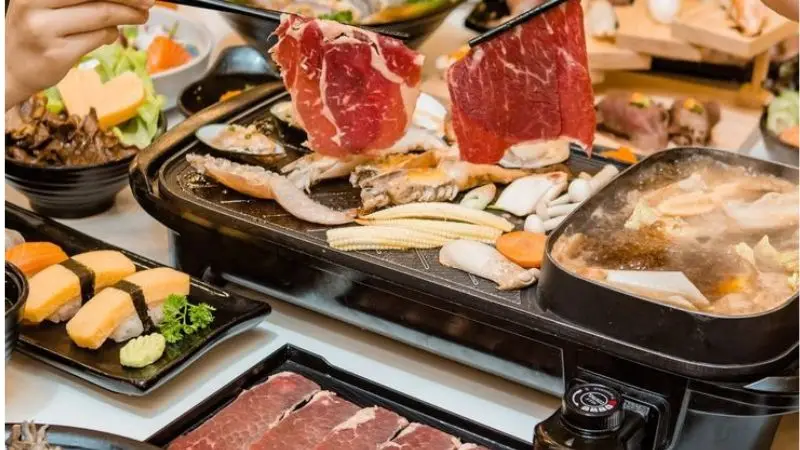
When you try hot pot, the broth sets the stage for your whole meal. You can pick from many flavors. Some broths taste mild and clear. Others bring the heat with spicy peppers. If you want something rich, you might choose a creamy or herbal broth. Many Korean hot pot places let you split the pot, so you get two broths at once. This way, you can dip your food in both and find your favorite. Some popular broths include:
- Spicy Sichuan broth
- Mushroom or herbal broth
- Tomato broth
- Kimchi broth (a favorite in Korean hot pot spots)
Popular Hot Pot Ingredients
You get to pick what goes into your hot pot. The choices feel endless. Korean hot pot menus often offer thinly sliced beef, pork, or lamb. Seafood like shrimp and fish balls add a fun twist. Tofu and mushrooms soak up the broth and taste great. Leafy greens, noodles, and dumplings round out your meal. Here’s a quick look at what you might find:
| Meat & Seafood | Veggies & More |
| Beef, pork, lamb | Spinach, bok choy |
| Shrimp, fish balls | Mushrooms, tofu |
| Squid, clams | Noodles, dumplings |
Hot Pot Etiquette and Tips
Hot pot is all about sharing and having fun. You should use serving chopsticks to put raw food in the pot. That keeps things clean. Wait until your food cooks before you eat it. Don’t forget to scoop out your food before it overcooks. If you want to try delicious Korean hot pots, remember these tips:
- Taste the broth before adding sauces.
- Don’t overcrowd the pot.
- Try dipping sauces for extra flavor.
Korean BBQ: A Closer Look

Common Meats and Marinades
When you sit down for Korean BBQ, you see lots of meat choices. You can pick beef, pork, or chicken. Each piece of meat comes sliced thin, so it cooks fast on the BBQ. You might try short ribs, pork belly, or spicy chicken. The marinades make every bite tasty. Some meats soak in sweet soy sauce. Others get spicy with chili paste. You can taste garlic, sesame oil, and sugar in many marinades. The grill sits right in the middle of your table. You cook your meat just how you like it. Korean BBQ lets you control the flavor and doneness.
| Meat Type | Marinade Flavor |
| Beef (bulgogi) | Sweet soy, garlic |
| Pork belly | Spicy, sesame oil |
| Chicken | Chili, ginger |
Side Dishes (Banchan) and Sauces
Korean BBQ always comes with banchan. These are small side dishes that fill your table. You get kimchi, pickled radish, and seasoned spinach. Sometimes you see potato salad or bean sprouts. Banchan adds color and crunch to your BBQ meal. You can mix and match them with your grilled meat. Sauces make the meal even better. Try dipping your meat in ssamjang (a thick, spicy paste) or soy sauce. You can wrap your BBQ in lettuce with a bit of sauce for extra flavor.
Korean BBQ Dining Etiquette
You want to follow some simple rules at a Korean BBQ restaurant. Use tongs to place meat on the grill. Don’t use your chopsticks for raw meat. Let everyone cook their own BBQ, but share the grill space. Flip the meat to cook evenly. Try not to burn anything. When the meat is ready, wrap it in lettuce with banchan and sauce. You can eat with your hands or chopsticks. Korean barbecue is all about sharing and enjoying together. If you’re not sure what to do, ask your server. They love to help you get the most out of your BBQ experience.
Hot Pot vs Korean BBQ: Which One Should You Choose?
Best for Social Dining
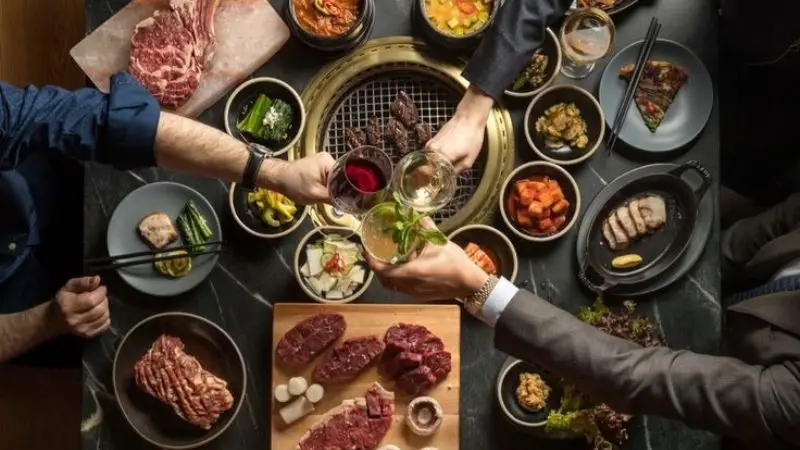
You want a dining experience that brings people together. Hot pot vs. Korean BBQ: both offer a social vibe, but each feels different. Hot pot creates a cozy setting. You sit around a bubbling pot, share ingredients, and talk while your food cooks. This style works well for small groups or family dinners. Korean BBQ gives you a lively, energetic dining experience. You hear the sizzle, flip the meat, and laugh with friends. If you want a party feel, all-you-can-eat Korean BBQ is perfect for big groups. Both styles make dining fun, but your choice depends on your group’s mood.
Best for Flavor Variety
Do you love trying new flavors? Hot pot vs. Korean BBQ: both give you lots of options. Hot pot lets you pick different broths, from spicy to mild. You can add seafood, meat, tofu, and veggies. Each bite tastes a little different. Korean BBQ focuses on marinated meats and tasty sauces. You get banchan, which are small side dishes that add even more flavor. If you want endless choices, all-you-can-eat Korean BBQ offers a wide range of meats and sides. Hot pot gives you more control over flavors, while Korean BBQ brings bold, smoky tastes.
| Dining Style | Flavor Highlights |
| Hot Pot | Broth, dipping sauces |
| Korean BBQ | Marinades, banchan, grill |
Best for Dietary Preferences
You may have special dietary needs. Hot pot vs. Korean BBQ: both let you customize your meal. Hot pot works well if you want lots of veggies, lean meats, or gluten-free options. You choose what goes in the pot. Korean BBQ offers many meats, but some marinades may have sugar or gluten. If you search for the best Korean food near me, you will find places that list ingredients. Both dining experiences let you eat your way, but hot pot makes it easier to control what you eat.
Health Considerations: Hot Pot vs Korean BBQ
Calories and Portion Control
When you sit down for hot pot or Korean BBQ, you might wonder which one is better for your health. Both meals can be healthy, but you need to pay attention to what you eat and how much you eat. Let’s break it down so you can make smart choices. You should know the calorie difference between Hot Pot and Korean BBQ.
Hot pot gives you lots of control. You pick the ingredients and decide how much to put in your bowl. You can load up on veggies, lean meats, and tofu. The broth adds flavor without many calories, especially if you choose a clear or mild broth. If you want to keep your meal light, skip the fatty meats and fried add-ons.
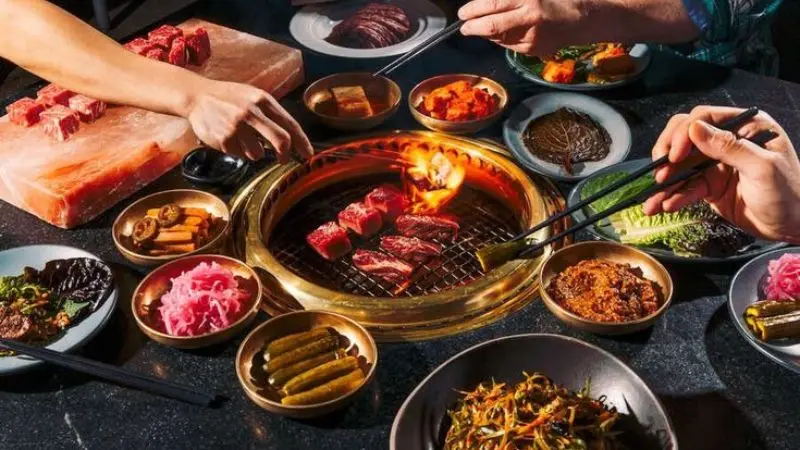
Korean BBQ feels a bit different. You get lots of meat, and some cuts have more fat. The marinades taste great, but they can add sugar and salt. You might eat more than you think because the food keeps coming, and the grill makes everything smell amazing. The side dishes (banchan) help balance your meal, but watch out for rice and sweet sauces if you want to cut calories.
Here’s a quick look at how the two compare:
| Dining Style | Calories | Portion Control | Health Tips |
| Hot Pot | Lower | Easier | Choose veggies, lean meats |
| Korean BBQ | Higher | Harder | Limit fatty cuts, sauces |
Conclusion
You now know the difference between hot pot and Korean BBQ? If you want a cozy meal with lots of veggies, hot pot is a good fit for your group. If you crave bold flavors and lively energy, Korean BBQ is the best fit. Think about your group size and dietary needs. Try both styles and share your experience with friends. You can always find the right meal for your next night out.
Ready to choose? Your perfect dining adventure awaits!
FAQ
Can you eat hot pot or Korean BBQ alone?
You can! Many places welcome solo diners. You get your own pot or grill. Some spots even offer special sets for one person. If you want a fun meal by yourself, go for it.
What should you wear to a hot pot or Korean BBQ restaurant?
Wear casual clothes. The grill or pot can make the air steamy or smoky. You might smell like food after. Avoid fancy outfits. Some people bring a light jacket or use the provided aprons.
Is it okay to bring kids to these restaurants?
Yes, both are family-friendly. Kids love picking their own food and cooking at the table. Just watch young children near the hot pot or grill. Many places offer kid-friendly options.
Do you need to make a reservation?
Popular spots fill up fast, especially on weekends. If you have a big group, call to reserve a table. Walk-ins work on slow days, but you might wait during busy times.