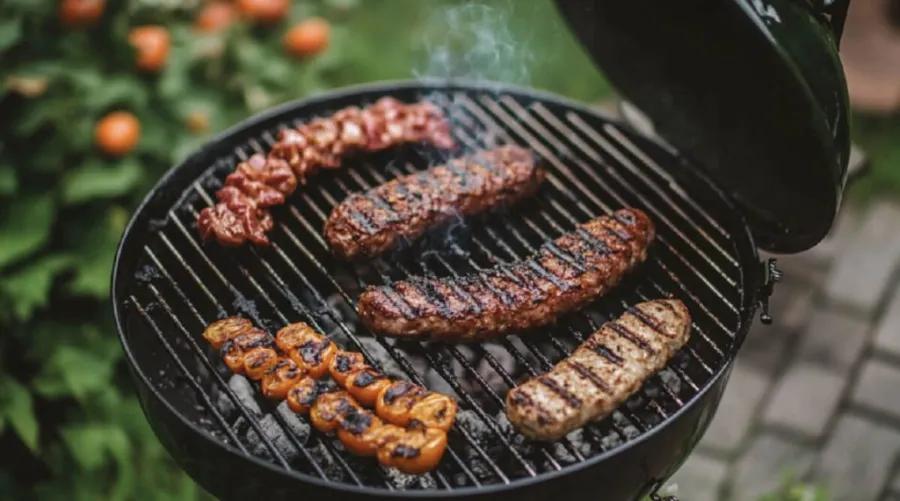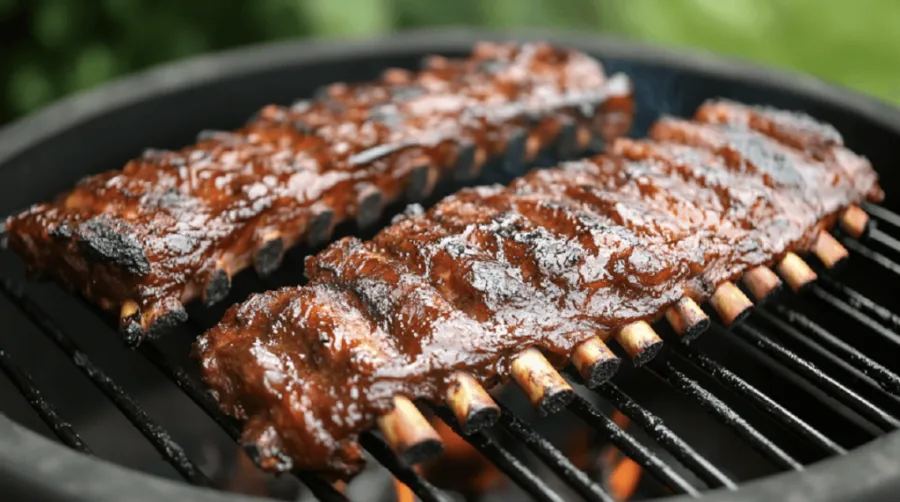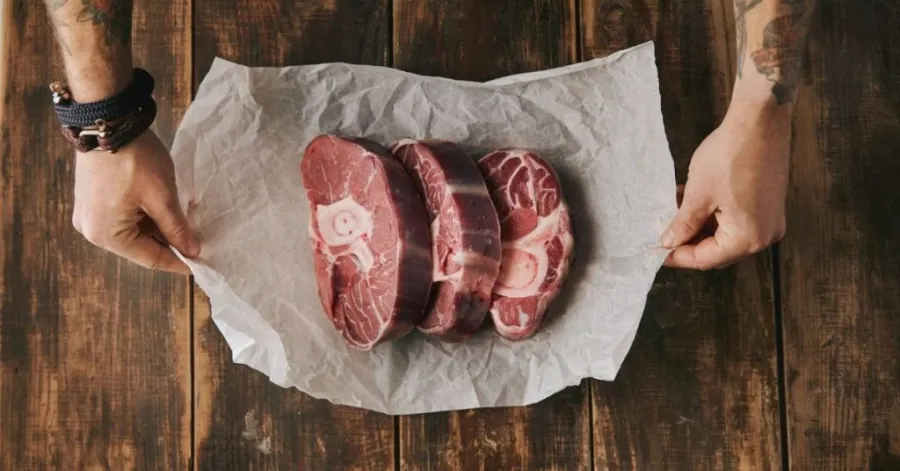
When you have to decide between butcher paper vs foil cooking, it can entirely alter your barbecue results. Foil is ideal for high-speed cooking and really juicy meat, and it retains heat and moisture inside. But butcher paper glories in smoky flavor and a firm, crisp bark, which is most important. It allows your meat to breathe while retaining only enough juices to achieve the ideal balance of tenderness and texture. Your choice of wrap has a direct impact on flavor, moisture, and bark development. Whether you’re smoking brisket, ribs, or grilling meat on a grill, choosing the right wrap makes all the difference.
Understanding Butcher Paper and Aluminium Foil in Cooking and Smoking
When cooking or barbecuing, the material that you wrap food in can alter the end result more than you may suspect. Both butcher paper and aluminum foil are popular choices, and they have very different behaviors during cooking. Knowing how each one works helps you make better decisions, especially when you are cooking for a long time. This is where you would say that butcher paper vs foil is important to ensure that you get the flavor and texture that you want.
What Is Butcher Paper and How Is It Used In Smoking Meat
Butcher paper is a heavy, food-safe paper that is popular for wrapping meat and other foods. Many people often have a wondering thought – what is butcher paper used for, and its role in barbecue is one of the most popular answers. Pink butcher paper is unbleached and does not contain wax and plastic, which makes it safe for heat and smoke. When brisket is being wrapped, it has the advantage that it permits airflow while retaining sufficient moisture to keep the meat juicy. This breathing effect is important in the formation of the bark when smoking a brisket in a smoker. Because smoke is still able to penetrate the meat, the flavor remains rich. Many pitmasters prefer butcher paper for longer cooks because it is a good balance of moisture retention and texture without steaming the meat.
What Is Aluminum foil, and How Does it Affects the Cooking of Brisket
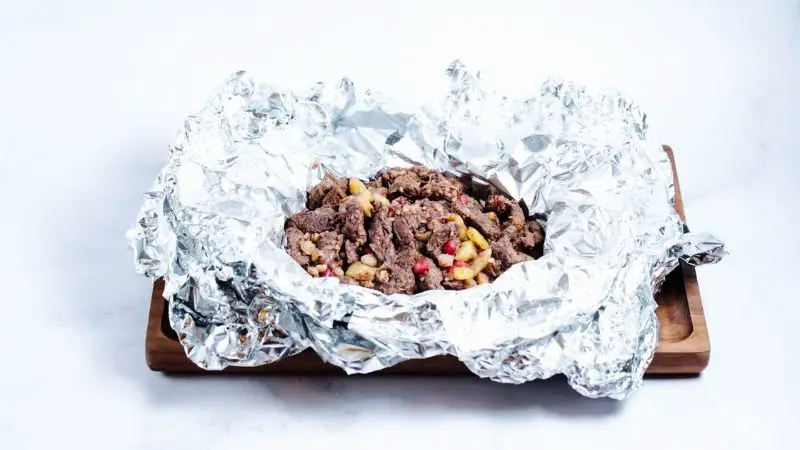
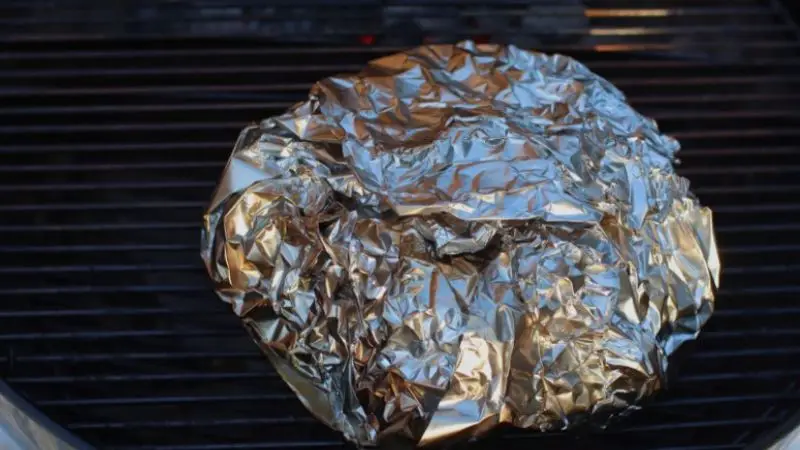
Aluminum foil is a very thin and flexible sheet of metal that is used in so many ways by people in their everyday cooking. It makes a tight seal, which prevents air, smoke, and moisture from leaking out. When smoking a brisket, foil helps to speed up cooking time as it traps heat and liquid that resides within the wrap. This method is often used when using the pellet grill to smoke brisket when time is of the essence. However, foil completely prevents smoke contact, which can soften the bark, altering the texture. When comparing butcher paper vs foil for brisket, foil works faster in delivering tenderness but loses surface firmness. Foil is best for applications where moisture retention is the primary concern, and butcher paper is preferred for the preservation of texture, flavor, and a well-formed outer crust during barbecue cooking.
A Definitive Comparison of Butcher Paper vs. Foil for Grilling Barbecue
Choosing between wrapping materials can make more of a difference in the end result of your barbecue than you think. Both options are used very much but have different behavior during long cooking sessions. Understanding these differences helps you control moisture, heat, and texture with more confidence.
This comparison is especially helpful when smoking a brisket, where choices about wrapping have a direct impact on the quality and overall flavor of the bark.
How Moisture Retention and Airflow Impacts Wrapped Meat
When comparing butcher paper vs foil, controlling moisture is one of the largest differences. Butcher paper lets the meat breathe while still retaining a sufficient quantity of juices so that it does not dry out. This balance is useful when wrapping brisket because you are allowed to have steam escape rather than soaking the brisket surface. As a result, the bark remains firm while the center remains tender. Foil works by keeping everything as tightly inside as possible, trapping all moisture and heat. This produces very soft meat, but may result in a soggy outer layer. For cooks who like juicy meat with some texture, butcher paper is more of a balanced approach.
How Each Wrap Manages Heat in Long Cooking Periods
Both of these materials cook nicely when dealing with heat, but they affect the speed at which cooking takes place differently. Butcher paper maintains well during smoking a brisket in a smoker, and it won’t burn or break down at the normal smoking temperatures. It enables steady heat transfer without trapping the excess steam. Foil can withstand even higher heat and is generally used in grills, ovens, and smokers. Since it traps heat and liquid, it accelerates the cooking process, which is helpful when smoking brisket on a pellet grill. However, this much faster process limits the exposure to smoke. Butcher paper also cooks more slowly, providing for more control of the texture and doneness.
How Wrapping Choice Affects Flavor and Bark Texture
Flavor and texture are where butcher paper and foil for brisket differ the most clearly. Butcher paper helps the smoke to continue reaching the meat after it is wrapped, helping to create a deep, smoky flavor. This constant contact with the smoke contributes to a thick and well-formed bark preferred by many barbecue lovers. Foil prevents smoke from passing through entirely after wrapping, and this stops any further flavor development. While the meat does become very tender, the bark often softens from trapped moisture. For those who are paying attention to taste and surface texture while cooking a brisket on the smoker, butcher paper pays off as a more traditional result for barbecue.
Material Safety and Quality of Foods Used for Cooking
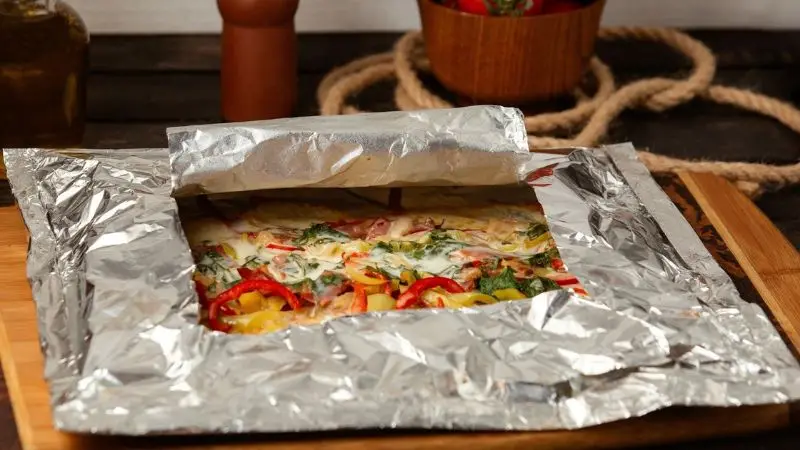
Food safety is important no matter which wrap you go with. Pink butcher paper is safe if it is not coated with anything but is free from wax and plastics, which butcher paper is used for, in barbecue cooking. Also, foil is food safe and so trusted for everyday use, but some cooks do not want to use foil with acidic foods. Both materials are safe if used correctly when used for long cooking. When picking between butcher paper and foil, safety is not usually the deciding factor. Instead, which to use is dependent on how much moisture retention, smoke exposure, and texture control you want.
Choosing Between Butcher Paper and Foil To Smoke Meat At Home
When it comes to smoking the meat, the method you use to wrap the meat can influence the end result in terms of taste and texture more than you might think. Both butcher paper and foil are normally used during extended barbecue cooks. Each one supports a different type of cooking and result.
Understanding how these wraps work is great for selecting better choices, especially during big sessions of smoking a brisket or ribs for long periods of time.
Why Many Pitmasters Use Butcher Paper to Smoke Brisket and Ribs
Butcher paper is a common choice for low-and-slow barbecue because it gives balance. During the process of smoking a brisket in a smoker, butcher paper allows smoke to continue to reach the meat while holding in just enough moisture. This airflow is important to develop a rich smoky flavor and the firmness of bark. When wrapping brisket, steam may escape rather than saturate the surface, leaving the outer layer of the meat very soft. Ribs wrapped in butcher paper are also a good option for this process, staying juicy while retaining a satisfying bite. This balance accounts for why many cooks making brisket comparisons between butcher paper vs foil conclude that butcher paper is superior for texture and flavor control.
How Aluminum Foil Alters Texture and Speed of Cooking
Foil is often used when a higher speed of cooking and maximum moisture are primary considerations. When smoking brisket on a pellet grill, the foil traps heat and liquid inside it completely, creating a steaming effect that makes the cooking faster. This technique produces very tender meat with minimal effort. However, once wrapped, foil prevents all exposure to the smoke. As a result, the bark becomes softer, and the smoky flavor ceases developing. For cooks considering butcher paper vs foil, foil is optimal if tenderness is the top priority for the cook. It performs well for ribs and brisket, where a soft texture is preferred, but provides a less intense flavor in comparison to butcher paper when smoking a brisket.
Butcher Paper vs Foil Grilling and Baking Meat
The right wrap can make a difference in your barbecue results or not. Both butcher paper and foil are useful, but they will work differently on the grill and in the oven. The correct use of them helps you to get good juicy meat, good bread crunch, and easy cooking. Understanding the strengths of each wrap will help you better your BBQ, whether you are smoking a brisket in a smoker or a rack of ribs in the smoker.
How to Safely Use Butcher Paper on The Grill
Butcher paper works best with indirect grilling. On the other hand, it allows heat and smoke to circulate around your meat while letting out steam. This helps your food to be juicy, and it also helps your food’s outer layer to stay firm. You can wrap ribs, chicken, or brisket in butcher paper to lock in flavor. Unlike foil, it does not trap all moisture, which means the bark does not become mushy. Many barbecue enthusiasts use butcher paper when smoking brisket on a pellet grill for a traditional smoky taste and tender, juicy results.
When You Should Not Use Butcher Paper on High Heat
Butcher paper is not meant for direct flames. If it gets in touch with hot coals or fire, it will be easily burnt. Always put it on the cooler side of the grill or smoker to prevent it from burning up. Butcher paper can also be used when resting meat after cooking. Wrapping your brisket or steak in butcher paper during rest and to keep it warm and juicy, while protecting the crust. Using butcher paper in the correct way ensures perfect equilibrium of moisture and texture without losing that classic smoky flavor.
How to Use Foil Effectively for Grilling and Baking
Aluminum foil is very versatile indeed. You can make packets for veggies, fish, or potatoes. It traps the heat and moisture for quick cooking. Foil is ideal for oven baking, for roasting meats, or for lining trays that can be easily cleaned. It can safely handle high temperatures and direct heat, unlike butcher paper. When you are looking for soft & juicy meat, foil is ideal. However, it blocks smoke, so the flavor and bark are milder. Many enthusiasts of barbecue use foil for the “Texas crutch” method, wrapped around brisket to speed cooking.
When to Use Butcher Paper or Foil for Your Barbecue
The choice of the right wrap will depend on your goals in terms of texture, flavor, and cooking style. To learn how both butcher paper and foil have their special strengths and when to use them, you will become a better barbecue person in the process. Choosing the wrong wrap can make the succulent’s bark more supple or less smoky, so it’s important to match the wrap to the food and cooking method.
Why Butcher Paper Is Your Best Option for Flavorful Bark and Smoke
Butcher paper is perfect when you want the smoky taste and a hardy bark. It helps the meat to breathe and still have the juicy insides. Many pitmasters use butcher paper for brisket and ribs when cooking for a long time at low temperatures. It helps to create a traditional barbecue texture that foil is not capable of. Steam escapes, and smoke continues to flavor the meat, resulting in a rich taste and perfect crust. For those comparing butcher paper vs foil for brisket, butcher paper often results in a more authentic barbecue experience.
When Foil Works Best with Moist and Tender Meat
Foil is the best choice when you want soft and juicy meat in a short amount of time. It traps all the heat and steam, thus helping cook the brisket or ribs faster. However, foil blocks the smokiness, so the bark is soft, and the smokiness is mild. Many barbecue faithful use foil for the “Texas crutch” when smoking a brisket on a pellet grill. While foil also produces tender meat every time, it compromises texture and smoke penetration when compared to butcher paper.
How Each Wrap Can Be Used for Different Barbecue Tasks
Each wrap is not the same for each task. When doing a brisket on the barbecue, butcher paper keeps the bark crisp, while foil makes the meat tender. In the case of ribs, butcher paper adds flavor and texture, while foil helps hold in moisture. Both types of wrap are available for resting meat, but the butcher paper keeps the crust from getting soggy. Butcher paper vs foil: When deciding between these two options, know what you need, like texture and smoke will favor butcher paper, while speed and moisture will favor foil.
Wrap Up
When smoking or grilling meat, choose the right wrap, and it makes a big difference. Butcher paper is a good way of letting the smoke get to the meat without making it tough or dry and providing a good bark. Foil traps moisture and heat, creating tender, soft meat quickly, but reducing the ability to give the meat a smoky flavor. Understanding butcher paper vs foil for brisket and other cuts is helpful in selecting the technique that suits the object of your cooking. For long, slow cooks, butcher paper is the choice if texture and smoky flavor are important. Choose foil when speed, moisture, and convenience are your priority. Both wraps are perfectly safe and effective if they are used correctly.
FAQ
Can you use butcher paper and foil together with wrapping BBQ?
Yes, you can combine butcher paper and foil for wrapping BBQ. Start with butcher paper to protect the bark,and add foil for added moisture. This method allows you to have your own unique flavor profile – as well as control the smoky flavor and texture.
Does wrapping meat have an impact on the smoky crust when smoking?
Wrapping meat alters the smoky crust. Butcher paper allows the smoke to approach the meat; thus, you are rewarded with a crunchy bark. Foil traps moisture, which softens the crust. If you prefer a smoky crust, choose butcher paper when smoking.
What is the optimal wrap for a texas style beef rib?
You should use butcher paper for Texas-style beef rib. It permits the smoke to penetrate and keeps the bark crisp. Wrapping with butcher paper: You can obtain a strong smoky taste and can get the texture you want classically.
What impact does wrapping have on the taste of a smoked ribs recipe?
Wrapping plays a big part in taste. Butcher paper allows smoke and heat to flow, which adds a deep smoky flavour to your smoked ribs recipe. Foil will keep the ribs juicy, but will possibly mute the smoke. Try both to determine your favorite flavor.
Is there a risk of wrapping with foil for smoking?
You can safely use foil to wrap food when smoking. Do not wrap acidic foods in foil. If you want to keep the smoky flavor, use butcher paper instead. Always check to see if the material is food safe before wrapping.