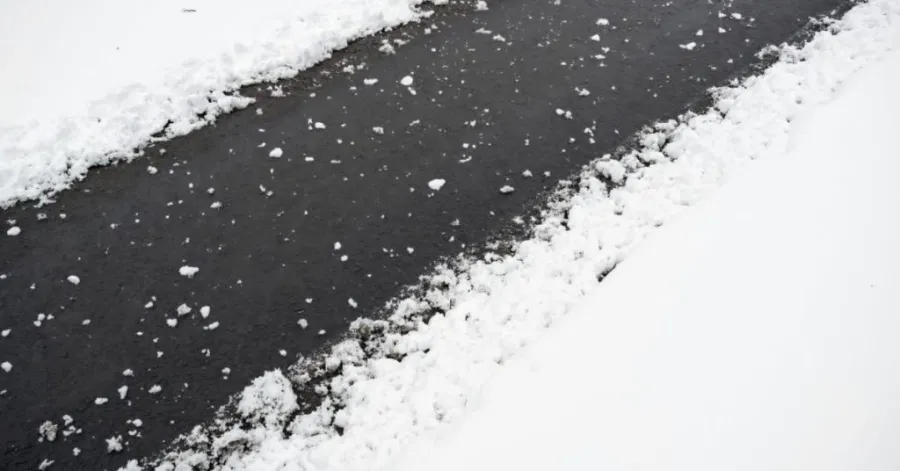
You need safe ice melt for concrete so it won’t damage your driveway and walkways during winter. Applying the wrong products, such as rock salt, may cause cracks and scaling on the surface as well as cause long-lasting damage. Instead, opt for gentle products like calcium magnesium acetate or magnesium chloride ice melt, which will melt ice without damaging the concrete.
For added protection near water lines or exposed pipes, you can also use a self-regulating pipe heating cable to prevent freezing and reduce ice buildup. Spread sand or kitty litter for traction, or prepare a home-made solution by combining vinegar and water for thin ice. By using these safe methods, you keep your concrete strong, your walkways clear, and your property looking good during the winter season.
Why It Is Important to Pick Safe Ice Melt for Concrete
Winter safety is important, but staying safe with your concrete is even more important. Many homeowners get so busy just getting the ice out of the way that they are unaware that the wrong product can inflict permanent damage. Selecting the proper ice melt not only makes walkways and driveways safe but also keeps them looking good and strong. Using a product that is well designed to work with concrete can help save you from costly repairs and save your surfaces to last for years to come. This guide explains what deicers do to concrete and why safe options are worth the investment.
How Traditional Ice Melting Products Can Damage Your Concrete
You may think that all melting ice works the same, but this is not the case. Many homeowners wonder, can you use regular salt for snow on their driveways safely. The answer is no—products such as rock salt or other aggressive deicers can begin to damage the concrete just after one winter. These chemicals enable the water to enter minute cracks and pores. When the water freezes again, it expands, causing the surface to chip and flake. Over time, these cracks can get even bigger and shorten the life of your driveway or walkway. Learning how traditional melts of ice can affect the concrete helps you choose alternatives that will keep your investment protected and surfaces safe.
Why Harsh Deicers Can Increase Your Concrete Repair Costs
Concrete repairs can be costly and time-consuming. Small cracks may be repairable with patching, while larger damage may necessitate the removal and replacement of major sections of a driveway or sidewalk. Using harsh deicers every winter adds to these risks, and costs can easily add up. By mixing safe ice melt for concrete, you decrease the likelihood of such costly repairs. A safe ice melt for concrete, combined with preventive measures such as a self-regulating pipe heating cable, can protect nearby plumbing from freezing. This reduces ice formation near your driveway, minimizing the need for aggressive deicers and saving money on concrete repairs over time.
How Freeze-Thaw Cycles & Surface Scaling Damage Your Concrete
Concrete is subjected to constant stress during the winter because of the effect of freeze and thaw cycles. Water melts during the day and refreezes at night, and it expands within the cracks and pores. Harsh deicers expedite this process, which allows more water to enter and cause scaling on the surface, where the top layer peels away. To prevent this from happening, you need to choose the best ice melt for concrete and maintain appropriate winter care. For added protection, preventive measures like pipe heating with a self-regulating cable can reduce ice buildup near driveways and sidewalks, keeping your concrete safe throughout winter.
What Makes An Ice Melt Safe for Concrete
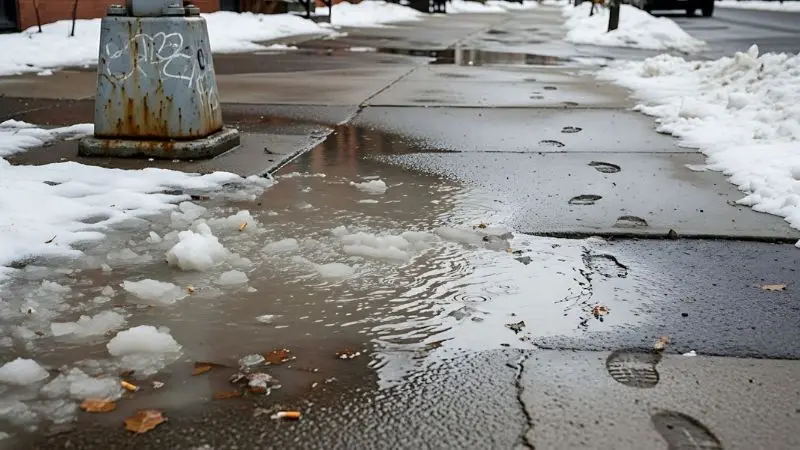
Choosing the right ice melt is not only about getting rid of the snow – it’s about protecting your concrete from long-term damage. Some products are great in cold weather and can be severe on the driveways and walkways. Knowing what ingredients are safe and which to avoid can help you save money and keep your surfaces strong. By choosing a safe ice melt for concrete, you can ensure safety on your concrete during winter without sacrificing durability.
Key Ingredients to Keep Concrete Safe
When choosing an ice melt, be sure to look for ingredients that are relatively soft on concrete. Magnesium chloride ice melt, calcium magnesium acetate, and potassium chloride make excellent options. These are effective in melting ice in cold weather without causing cracks and surface scaling. Some of the blends even use urea, which is gentle on the concrete, but still leaves the walkways safe. Avoid overusing any product, and follow directions to achieve maximum protection. Using products with these ingredients will help prevent damage to your driveway caused by the freeze-thaw cycle and keep your driveway intact throughout the winter months.
Ingredients You Should Avoid for Concrete
Some ice melts can do damage to your concrete in a short amount of time. Sodium chloride (rock salt) and calcium chloride are aggressive chemicals and may cause scaling, cracks, and peeling of the surface. These ingredients also intensify the damage that freeze-thaw can cause, which increases repair costs. It’s best to avoid products that do not have a clear list of ingredients or do not carry warning labels about concrete damage. Choosing safer alternatives means that not only will your surfaces stay around longer, but you’ll be less likely to have to pay for some pricey repairs. Remember, not all ice melts are safe for use, so make sure to check the label before purchasing them.
Why Low Chloride Formulas Are Better for Concrete
Low chloride ice melts are less abrasive to concrete and effective at melting snow. These formulas contain less salt and thus less risk of cracks, surface peeling, and long-term damage. They are also better for the environment as they prevent excess runoff into the soil and plants. Look for products that are labeled “low chloride” or “concrete safe” to help protect your driveway and walkways and keep them safe from ice. The usage of these safer products guarantees durability and reliability during tough winter conditions. Choosing the best ice melt for concrete can often mean choosing low chloride blends.
The Best Types of Safe Ice Melt for Concrete Surfaces
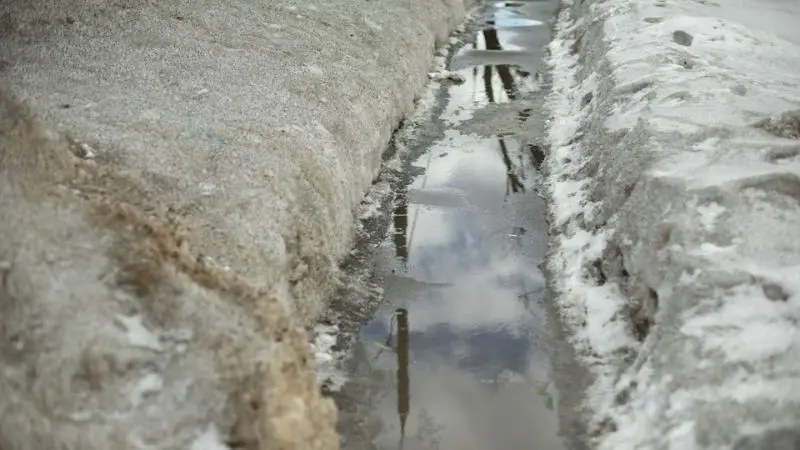
Keeping your concrete safe during the winter involves selecting ice melts that do not damage your concrete. All products are created equal, and some can damage not only your driveway but also the environment. Use the right ice melt to protect your surfaces, pets, and the surrounding landscape. In this section, we’ll examine options that are gentle but do the job, so you can ensure that your home is secure in icy conditions.
Pet-Friendly and Concrete Safe Ice Melt Options
If you have pets, their safety is also of utmost importance, as is the condition of your driveway. Some ice melts are formulated to be gentle not only on concrete but also on your pet’s paws as well. Look for labels that read “pet-friendly” and concrete safe ice melt. These products often contain ingredients such as magnesium chloride ice melt or calcium magnesium acetate. They efficiently melt ice without causing cracks in concrete and without irritating the feet of pets. Using these close to homes, with dogs or cats, will keep everyone safe throughout the winter, not to mention your driveway safe from damage caused by harsh chemicals.
Eco-Friendly Ice Melt Solutions That Won’t Damage Concrete or the Environment
Some ice melts are not only safe for concrete but also environmentally friendly. Products that contain plant-based ingredients or low chloride formulas minimize the damage done to plants, soil, and waterways. Selecting these options supports your yard and nearby streams while still improving walkways so they are not covered in ice. Look for bags that are labeled “biodegradable,” “eco-safe,” or “low chloride” to be sure you get a bag that is winter safe and environmentally safe. Combining these ice melts with flexible PEX tubing ensures outdoor plumbing lines stay freeze-resistant without harming concrete or soil.
Ice Melt Safe for New Concrete Surfaces (Less Than One Year Old)
New concrete is particularly sensitive in winter time. For the first year, it is still gaining strength and can be easily damaged by harsh chemicals. It’s best to never let most ice melt during this time, and use sand for traction instead. If ice melting is required, be sure to use products specifically labeled safe for use on new concrete and follow directions carefully. Choosing the best ice melt for concrete in this situation saves concrete from long-term damage and helps ensure that your driveway develops a strong and durable surface.
Ice Melt for Stamped or Decorative Concrete Surfaces
Stamped or decorative concrete makes your property beautiful, and it is durable. Harsh chemicals can cause colors to fade, surfaces to scale, or patterns to ruin. Concrete-safe ice melt should always be used on these surfaces, and residue should be removed as quickly as possible. Testing a small area first is a good idea before doing this widely. Protecting decorative concrete will help keep it visually attractive and safe, and functional through the winter months.
How to Apply Ice Melt on Concrete Surfaces Correctly

Applying ice melt is just as important as using the right product. Even a safe ice melt can cause problems if you use it at the wrong time or in the wrong amount. Proper application helps your concrete to remain protected, prevents surface damage, and makes snow and ice removal easier. Following these steps helps you get the best results and keep your driveway and walkways safe all winter.
When to Apply Ice Melt For the Best Results
Timing is important when using ice melt. Applying it before the snow or ice builds up will help prevent ice from sticking on your concrete in the first place. And if you wait until after a storm, you may need more product to achieve the same effect. Early application makes shoveling easier and reduces the risk of damage resulting from scraping tools. By planning in the proper way and looking at the weather forecast, you can find a safe way to melt ice on concrete efficiently and ensure the safety of your surfaces during the winter season. Using heating tools, such as self-regulating pipe heating cables, near outdoor faucets prevents additional ice formation and reduces reliance on chemicals.
How Much Ice Melt to Apply Without Causing Concrete Damage
Using too much ice melt can be damaging to your concrete and the environment. Most products work best if they are applied in a thin, even layer. A handheld spreader may allow the application to be properly covered without overapplication. If you see crystals after melting the ice, you have likely used too much. Following the instructions on the bag helps you to use the correct amount and prevents potential damage to your driveway and walkways. Proper application will also ensure the product works more efficiently to keep ice from forming and surfaces safer to walk on.
Pre-Treatment vs. Post Snowfall Ice Melt Application
The benefit of pre-treating your driveway or walkway with ice melt is that ice will not be able to bond as effectively to the surface, and therefore removal becomes much easier. If you miss the pre-treatment, you can still apply magnesium chloride ice melt or other concrete-safe product after the snow falls. Start out by breaking thick ice with a shovel, then spread the ice melt evenly. Using the right method means your concrete will be kept safe, and there will be less risk of scaling from the surface from the repetitive freeze and thaw cycles.
How to Eliminate Slush to Avoid Concrete Damage
Once ice has melted, remove slush as soon as possible. Slush traps water at a surface, which can refreeze, causing cracking or scaling. Using a plastic shovel or broom, clear walkways and driveways as soon as possible. This step is essential for ensuring the longevity of your concrete and avoiding damage from repeated freeze and thaw cycles. Proper cleaning after using safe ice melt for concrete means that your surfaces will be strong and beautiful all winter long.
Is Ice Melt Safe for New Concrete Surfaces?
New concrete, in particular, is fragile its first winter. Using the wrong ice melt too soon might cause long-term damage. Understanding the reason behind new concrete’s vulnerability and knowing safe alternatives, your driveway and walkways are not doomed until the surface has fully strengthened. This ensures that your investment will last for many winters without expensive repairs.
Why New Concrete Is More Likely To Sustain Damage
Concrete requires a year or so to fully attain its strength. During this time, the surface is still soft and has small holes that permit water to seep in. As water flows in and freezes, it expands, causing cracks in the stone, chips, and flakes along the surface. Even mild ice melts can sometimes do damage to new concrete. Using harsh chemicals too soon can send your driveway or walkway on the fast track to the grave. To ensure that new concrete is safe, it’s best to avoid many ice melt products the first winter, and to use other means of attaining traction and safety.
Recommended Safe Alternatives for the First Winter
Instead of using ice melt on new concrete, choose other alternatives that give traction without damaging the surface. Sand and kitty litter will work to prevent slips and falls. They don’t melt ice, but help people and pets walk safely. A mixture of vinegar and water can help to loosen thin ice so that it can be removed more easily. When shoveling, always use a plastic shovel to prevent scratching or chipping the surface. These simple precautions are sure to keep your concrete strong and intact, allowing you to safely wait until the following winter before using safe ice melt for concrete.
Common Mistakes That Can Damage Concrete in Winter
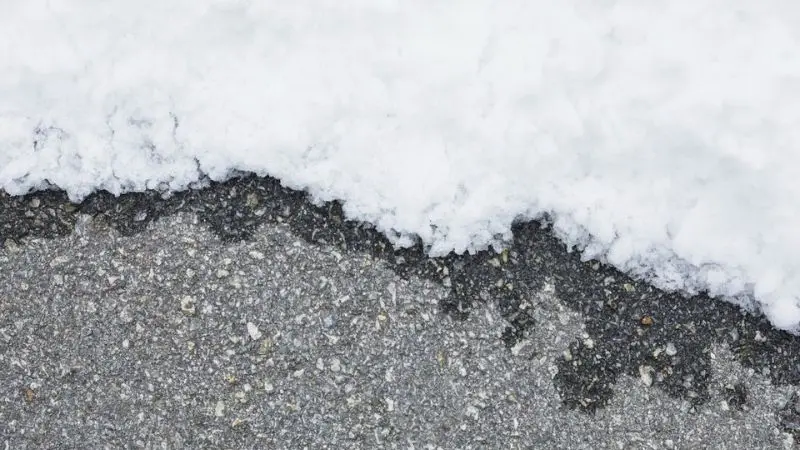
Winter safety can mean a lot of things, and one of them is keeping your walkways ice-free, but some standard practices can unintentionally have a negative impact on your concrete. Using the wrong products, using too much, or not maintaining can reduce the lifespan of your driveway or sidewalk. Understanding these mistakes and ways to avoid them is helpful in protecting your investment and ensuring your concrete is left strong and safe all season long.
Using Too Much Salt Can Be Hazardous To Concrete
A frequent question during winter preparations is can you use regular salt for snow without harming concrete. The truth is, overusing regular salt can be hazardous. Salt seeps into tiny cracks, and when water freezes, it expands, making the cracks worse. A safe, thin, even layer of ice melt for concrete is ordinarily all one needs to prevent ice buildup. Too much salt may also damage plants and burn the paws of pets. Control of the amount applied can be used when using a handheld spreader. Following the instructions on the product will ensure the safety of your surfaces, pets, and the surrounding environment while still keeping walkways ice-free.
Mixing Different Ice Melt Products Weakens Concrete
Mixing several ice melt products may sound as if it will be more effective, but you can cause problems. Some chemicals react with one another and form compounds that weaken your concrete surface. Most deicers have a formulated treatment for specific performance, and mixing these together compromises their safety and may cause unexpected damage. To avoid harming your driveway, when using magnesium chloride ice melt or any other concrete-safe product, stick to one type for the season. Consistent use of one product is the best way to have your concrete last while remaining effective at melting the ice.
Neglecting Concrete Sealing and Routine Maintenance
Sealing your concrete is one of the best ways to protect it from winter damage. A sealed surface prevents water, ice melt chemicals, and debris from getting in and causing cracks and/or scaling. Skipping this step causes wear to occur faster and more expensive repairs. Regular maintenance, like cleaning up spills, sweeping up leftover ice melt, and resealing every few years, keeps your surfaces in top shape. Proper care, along with using the best ice melt for concrete, ensures that your driveway and walkways are strong and good-looking season after season.
Using Metal Shovels in the Wrong Way Can Cause Surface Damage
Metal shovels are great for pushing snow, but could easily scratch, chip, or gouge concrete if they are not used properly. Plastic shovels are safer to use in the winter. If some metal is necessary, lift the snow instead of dragging it across the surface. Clearing snow early, before it becomes thick ice, will also help to reduce the risk of damage. Protecting your concrete and keeping walkways safe are ways to ensure that using ice melt products, such as safe ice melt for concrete, will work to its potential without causing long-term damage.
Wrap-Up
Choosing the right ice melt is crucial when you want to keep your concrete, pets, and the environment safe during the winter. Using nasty chemicals, over-application, or applying ice melt too early can cause damage to the driveways and walkways. Opt for safe ice melt for concrete surfaces, such as magnesium chloride or low-chloride formulas, and follow proper application techniques. Pre-treating surfaces, removing slush as quickly as possible, and maintaining new or decorative concrete keep it strong and long-lasting. With the help of the right products and methods, you can enjoy the winter safely without sacrificing the durability and beauty of your concrete surfaces.
FAQ
What is the safest ice melt for concrete?
For this, you should use calcium magnesium acetate or magnesium chloride. These products are good to protect your concrete and work well in cold weather.
Can you put salt on concrete driveways?
No, you should not use salt. Salt can do one of two things to your concrete: damage and cause cracks and scaling.
How do you remove ice from concrete without chemicals?
- Use sand or kitty litter as traction.
- Try a plastic shovel for breaking up ice.
- In thin ice, mix vinegar and water.