Introduction
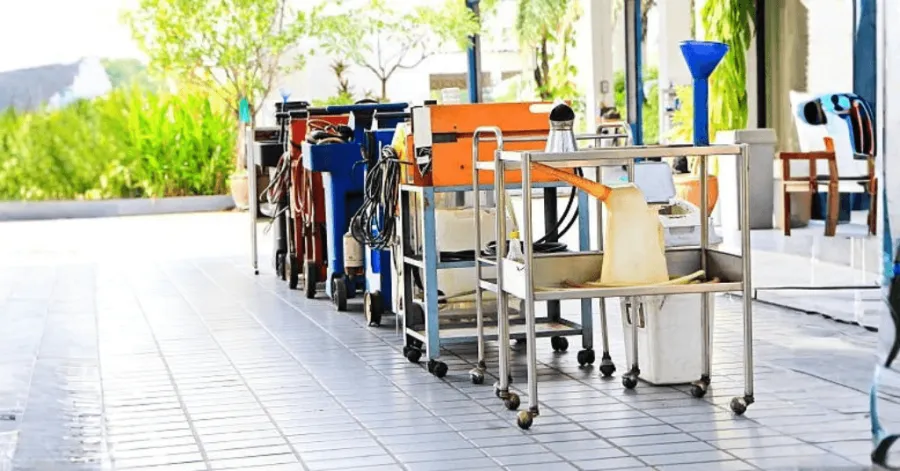
Ever found yourself amidst clutter in your garage with tools scattered and everything disorganized? Cluttered workplaces can impact your work efficiency greatly. This is why you need a solution to fix the issue, and utility carts are just the perfect thing. While you can always buy one from the market, building a DIY utility cart can make more sense.
Now, one challenge people face when building their own utility carts is the dilemma of material choices. Should you go for wood, metal, or lightweight PVC? Each of these materials brings different benefits and limitations to the build, and this blog will discuss all of that. We will break down what works, what doesn’t, and which materials deserve your investment. The information we share is based on real-world testing and practical applications.
Different Material Options for DIY Utility Carts
When it comes to choosing a material for your utility cart, making a choice goes beyond simple preferences. Your choice can affect the durability and practical applications of the cart. Factors like how much weight it can handle, whether it fits your workspace needs, or not, and more need to be considered. Here’s a detailed breakdown:
Wood
Wood, as a material of choice, offers great versatility for customization. You can cut it into any size, adjust shelf heights, and modify the design as your needs evolve.
Pine boards and plywood sheets are available at every home improvement store and are super-convenient for DIY projects. The warm and natural appearance fits most home workshops, craft rooms, and kitchen spaces.
As much as it is convenient, there are challenges surrounding the use of wood in homes. Moisture is the biggest enemy, and leaves wood with mold upon contact. Termites and wood-boring insects also pose a threat to the longevity, especially in workshops and stores where they usually nest. Therefore, buying wood that’s termite and bore-resistant would be the ideal decision.
The weight capacity for different types of wood varies as well. Depending on the type and thickness, you’ll find a variety of options available on the market. A DIY utility cart built out of thin plywood might handle under 200 lbs, while one constructed using sturdy oak wood can handle comparatively more load. So, based on your design and usage requirements, you’ll need at least ¾-inch plywood for shelves, and either 2*2 or 2*4 lumbers for the frames. The thicker and sturdier your materials, the more weight your cart can support. You can plan on spending $30-$80 for sourcing raw materials based on the design complexity and wood quality.
Metal
Options in this category are Steel and Aluminium, which dominate industrial settings, and for a good reason. A properly constructed/welded steel utility cart can easily carry up to 800 lbs without bending or showing any signs of stress. Occasional heavy loads are welcome as well, but repeated abuse can damage the structure. Other than the weight loading capacity, metal shows great resistance to moisture, chemical damage, and extreme temperature conditions. You don’t have to worry about rust if you go for powder-coated material or Aluminum. Such options can outlast an entire lifetime.
Downsides come in the form of tools and skills needed to work with metal. Metal demands welding equipment, cutting tools, and safety gear, which most DIYers don’t have access to. Even if they do, cutting and joining metal would take an expert to accomplish it with precision. The material for welding itself costs more upfront, so if you are planning to go with metal, expect to spend $100-200 easily for good-quality steel components. Additionally, metal DIY utility carts may also end up heavier than expected, which, however, can be tackled by installing wheels at the bottom for easy portability.
PVC
PVC may come across as flimsy plastic tubes, but modern Schedule-40 PVC offers great structural integrity for utility carts with lighter loads up to 300-400 lbs. This material can resist moisture completely, which means you can leave it in wet operating conditions and it won’t degrade a bit. You can even leave it outside, and it will never rust, rot, or attract any kind of pests.
Building a DIY utility cart using PVC almost feels like using construction toys for adults. You can cut pieces with a simple hand saw, and joints can be connected using L-shaped connectors. No welding, no complex assembly, and no special tools beyond a simple hand saw and a measuring tape- and you can build a great-looking, sturdy plastic utility cart yourself. Constructing a complete PVC cart can cost between $30-60 in materials, which is a great plus point for this material choice.
Apart from these advantages, limitations become apparent when it comes to load-carrying capacity and aesthetics. PVC can bend or even crack under excessive weight, and the plastic appearance doesn’t always suit every environment. The industrial look they give out isn’t very appealing to some users, though the pipes can always be painted for a better look and feel.
Plastic and Polymer Materials as a Modern Alternative

High-density polyethylene and similar industrial plastics can help build lightweight yet durable utility carts. These materials offer many of wood’s weight advantages combined with metal’s moisture resistance. Carts made out of these won’t rust, won’t absorb water, and won’t get damaged from chemical exposure.
Build Quality and durability are critical factors when it comes to plastic. Cheap, thin plastic will often crack and fail quickly, while heavy-duty molded plastic will perform well for years. If you are in the market for material, consider UV-resistant formulations for outdoor use, since standard plastic degrades under constant exposure to direct sunlight.
Making Your Final Decision
When shopping for materials for your DIY utility cart, it is important to understand that no single material works perfectly for every situation. Therefore, always consider your specific needs before making a choice.
Choose Wood when-
- You are looking for a classic appearance that blends with your home decor.
- You can comfortably cut and saw wood, and are aware of the assembling techniques.
- The cart is going to be used indoors in a climate-controlled space.
- You are looking for something versatile, which you can modify as your needs evolve.
- You have a moderate budget and are comfortable with periodic maintenance.
Go for Metal when-
- You are looking for a maximum weight capacity.
- The ideal area of application is an industrial or commercial environment.
- Longevity matters more to you than higher upfront costs.
- You can weld and have access to welding equipment at your workshop.
- The cart will be used in extreme temperature areas and harsh working conditions.
Pick PVC when-
- Budget matters more to you.
- You are building your first cart and want to experiment with designs.
- The cart will be used to haul lighter loads up to 300 lbs.
- You don’t want maintenance headaches for years.
- You are looking for something with excellent moisture resistance.
- You want the cart to assemble quickly without using any specialized tools.
When to Consider Ready-made Alternatives?
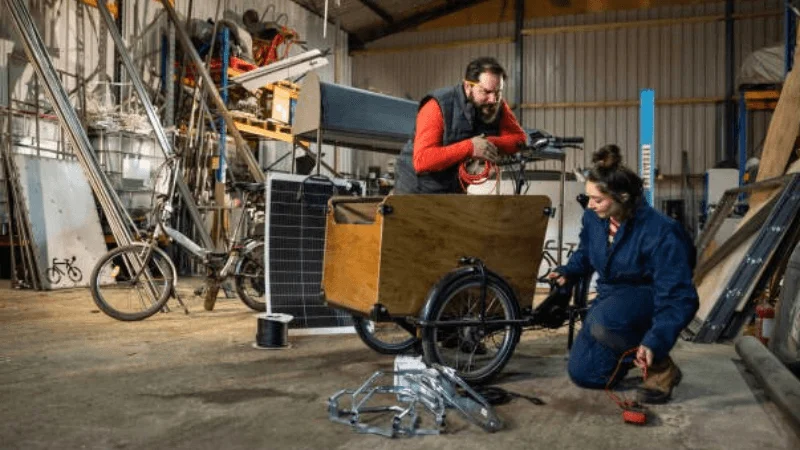
Time matters more than money, and sometimes, you are looking for convenient options you can simply assemble and get going with. This is when read-made utility carts from marketplaces like Vevor can make for a great alternative.
With ready-made options, you get professional-grade durability, which justifies your investment. Brands like Vevor engineer their carts using high-quality materials and construction techniques. Their expertise can help you get better value than making DIY attempts for complex designs and demanding applications.
FAQs
What is the strongest material to choose for my DIY Utility Cart?
From among different materials options, steel offers the highest strength, easily carrying up to 800 lbs of weight when properly constructed. However, proper design of the cart matters more than material choice. A well-built plywood or PVC cart can also support considerable weight and outperform a poorly designed metal cart.
Can I use pressure-treated wood for my DIY cart project?
Pressure-treated lumber works well for carts that are exposed to moisture or will be used outdoors. This treatment is great and helps prevent rot and insect damage. Owing to this quality, this type of wood can be heavier and more expensive than standard wood. As a precaution, always wear gloves and a mask when handling this type of wood, as the chemical treatment can irritate the skin.
Are plastic utility carts good for workshop purposes?
High-density polyethylene and similar plastics can be used to build durable and functional carts that are perfect for workshop environments. However, look for heavy-duty molded plastic instead of thin and cheap variants. Quality plastic carts can resist chemical exposure, UV damage, and require minimal maintenance, though they can cost more than DIY wood or PVC builds.
How should I protect my plastic DIY utility cart from becoming brittle?
Even if you are using UV-resistant plastic, constant exposure to direct sunlight over time can trigger surface damage. Therefore, store PVC carts away from direct sunlight and dusty environments. Keep the surface clean and adhere to a periodic maintenance schedule.
The Final Word
Building a DIY utility cart becomes easy once you have the right materials at your disposal. Wood offers versatility and aesthetic appeal and is great for moderate loads to be carried in climate-controlled spaces. Metal is the strongest and most durable, and can justify higher costs. PVC provides a budget-friendly construction perfect for lighter load applications and moisture-prone work environments.
So, while each of the materials brings distinct advantages, ensuring it will last comes from an honest assessment of your specific needs, available tools, and skill level. Whether you plan to construct your own utility cart or invest in a professionally-built option, the information shared in this article will help you make the right decision.