Like a great building project, a trip to Europe involves careful preparation and the appropriate equipment. When travelling across borders and climates, you cannot afford to make educated guesses. This guide provides the ideal European travel packing list, carefully arranged for your next journey.
So in this guide, we’ll cover an ultimate European travel packing list from your essentials to voltage converters so that your appliances don’t go bad abroad. Ready to find out what you need for your European adventure? Let’s keep reading!
Things to Consider for a European Travel Packing List

Packing is about careful selection rather than stuffing. Consider your bag as a well-stocked toolbox that is prepared for any obstacle you may encounter on the road.
- Determine your destinations and the season. Packing for the Scandinavian cold will be entirely different from a central European travel packing list for summer.
- Make a commitment to light travel. Stress, costs, and lost time carrying bulky luggage through cobblestone streets are all consequences of overpacking.
- The key is efficiency. Check the baggage allowance for your flights, especially those on low-cost carriers, before you begin adding stuff. Adhere to the restrictions as strictly as a construction code.
What to pack for a trip to Europe
These items are the non-negotiables, your road map to a secure and easy trip. The first step is to secure them, ideally in a sturdy travel organiser.
Important Documents
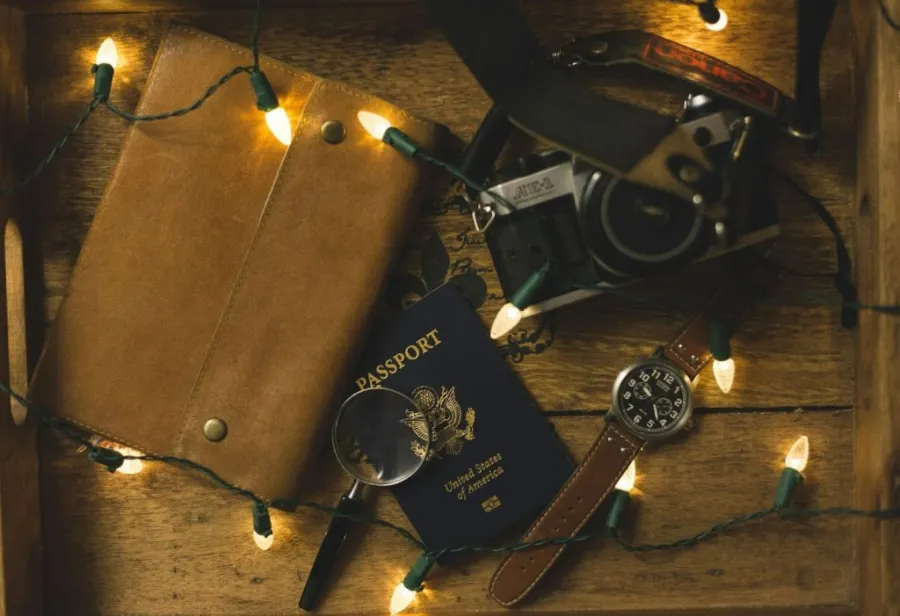
The most important thing on your European packing list is your passport. Make sure it is still valid at least six months after the date of your return.
Even if you have digital versions, you should always have hard copies of your hotel and travel tickets. Paperworks; technology doesn’t.
Get your overseas driving permit, entrance tickets, and visa paperwork if needed. Store all important documents in a dependable, safe travel wallet.
Money & Digital Backups
Let your credit card and bank know when you will be travelling. This keeps your cards from being blocked because of questionable foreign activity.
Keep a variety of payment methods on hand. This consists of a debit card, one or two credit cards, and some local money for emergencies and small expenditures.
Store digital copies of your passport and visa on your phone and on a cloud drive. These backups are essential for an emergency replacement in the event that your bag is misplaced.
Clothing & Footwear for Europe

Layering is essential for stylish clothing and comfort in Europe. Think of it as an insulator that retains heat when necessary and releases it when it gets too hot.
Of course, your packing remains incomplete without knowing how to style yourself. Here’s a checklist of the basic clothes and footwear you’ll possibly need in Europe:
- Loafers
- Sneakers
- High neck
- Scarf
- Woolen socks
- Plaids
- Layering Basics
- Shoes that make sense
On-the-Go Comfort & Wellness Items
- Keep a modest personal first aid kit with you at all times. Add bandages, painkillers, and any prescription drugs you take.
- Pack necessary toiletries in travel-sized containers. Remember to bring hand sanitiser when using public transportation.
- A reusable water bottle is essential. It’s less expensive and better for the environment than continuously purchasing bottled water.
- A packable rain poncho or a sturdy little umbrella. In many European cities, the weather fluctuates rapidly.
Tech & Travel Gear
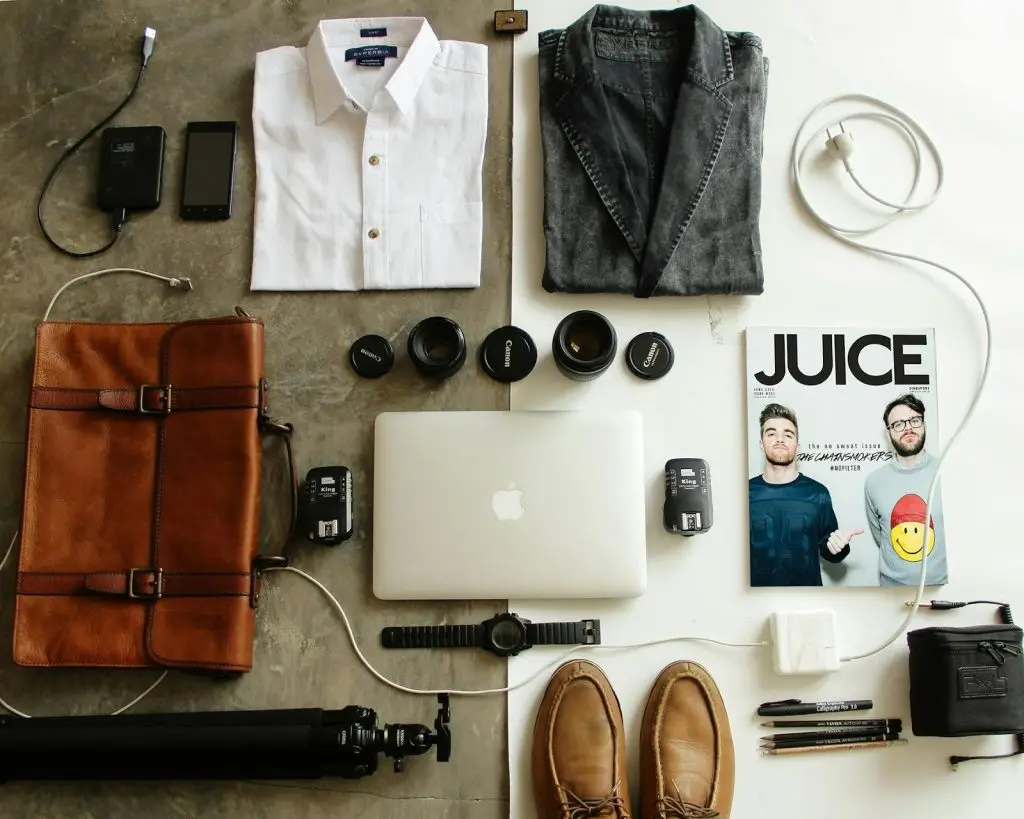
Your camera, navigation system, and connection are all part of your gadgets. As with sensitive tools, give them the same attention and preparation. Here is a list of essential tech gear for your European travels.
- Phone + charger
- Universal adapter
- Voltage converter/transformer
- Camera, laptop, headphones
- Packing cubes, travel bottles, organisers
How to deal with voltage difference in Europe?
European appliances use 220 volts, whereas American appliances operate at 110 volts. Most gadgets are dual voltage, which implies they can operate on both American and European power.
So what do you do? You use a reliable, high-quality voltage converter of course. This tool prevents your appliances from getting zapped abroad so you can use it everyday without any problems.
Packing Strategies That Actually Work
Put an end to frenetic stuffing. For optimal spatial efficiency, we apply methodical organisation to your European travel packing list.
- For clothing, use the rolling process. Rolling maximises the capacity of your luggage by preventing wrinkles and saving more space than folding.
- Make use of every pocket and void in your luggage. To reduce wasted volume, stuff small objects into caps or socks into shoes.
- Before you leave the house, weigh your bags. Airport surprise costs and the anxiety of hurriedly repacking at the check-in desk are eliminated with this easy procedure.
- When you depart, try to use no more than 80% of your luggage. You’ll need the additional 20% for souvenirs and other stuff you pick up while travelling.
FAQs
Can you do Europe with a carry-on only?
Yes, without a doubt. The most economical method to travel in Europe is with just carry-on luggage. It saves time at the luggage carousel, does away with checked bag costs, and makes travelling by rail and airport more simpler.
What’s the best way to avoid overpacking?
Adhere to a rigid colour scheme and bring no more than two pairs of shoes. To visualise your space constraints, use packing cubes and adhere to the 80% rule, which states that you should pack 80% to allow for trip purchases.
Do I need a universal adapter or a voltage converter?
If your gadgets are single-voltage (120V), such as a US hairdryer, you require both. The plug’s form is altered by the adaptor. To avoid damaging appliances, the voltage converter reduces the electrical pressure from 240V to 120V.
Is it better to pack heavy clothing or layer lighter pieces?
It is always preferable to layer lighter elements. Without having to carry a single, large, heavy object, it enables you to quickly adapt to variations in the weather, from a chilly morning train station to a warm afternoon museum. Layers are much more flexible.
How do I pack for multiple countries with different climates?
Prioritise a sturdy, mid-weight waterproof shell jacket and thermal base layers. Your basic European trip packing list will function in both Paris and Greece thanks to the base layers’ flexible warmth and the shell’s ability to withstand wind and rain.
Conclusion
The first essential step to a successful trip is making your thorough European travel packing list. Think of your suitcase as a well-organized toolset, with everything inside serving a purpose and being readily available.
You can make sure your European travel packing list keeps you ready for any situation by concentrating on efficiency, layering, and power reliability. Enjoy your well-planned European journey while travelling wisely and lightly with powerful tools.