Picking the best diesel heater for your shop means more than just buying the first one that you see. It’s crucial to understand your space in order to choose a heater that suits you. How warm and comfortable your shop feels each day depends on the right size, heating style, and features. A good heater will help you stay productive in winter. It also helps you use fuel effectively, saves money, and keeps the workspace safe. It’s essential to choose a heater that is ideal for your garage or workshop. Whether this is a small garage or a large workshop you work in, choose wisely for consistent heat, higher job performance, and an enjoyable shop environment.
Key Factors to Consider When Choosing a Diesel Heater
You have to determine what will work best for your shop or garage environment. Before selecting your heating model, consider your heating environment and the consistency in your use of the heater. When you think about these factors, your performance will be smoother, and the workspace will get warmer during winter.
Use these points to evaluate different heaters and select the one that suits your setup with confidence.
How Shop Size Affects Heating Performance
The first step to effective heating in your shop is to choose the right size heater. Big spaces need more power, while smaller garages require much less power. When you understand the BTU or kW rating of a heater, you can choose a heater that will not waste fuel and is good at warming your space evenly — especially if you’re trying to find the best diesel heater for a small shop or want to know how to heat a large shop with a diesel heater.
Begin checking the square footage of your store. Consider the height of the ceiling, as the taller the space, the more energy it takes to heat. Check the BTU or kW rating on each model once you get your measurements. Low-output units work well for smaller garages, while larger workshops need higher-capacity heaters. An even distribution of BTUs stops both cold spots and excessive heat. Many users also combine both the heater and a diesel fuel heater, so the fuel flows smoothly and does not gel up in the cold, especially for long heater running hours.
Why Good Airflow Matters for Your Heater
Using any diesel heater requires ventilation, especially if it’s in a confined space, and this heater especially needs ventilation. Proper airflow ensures that safe operation and fume release do not impede comfort. Examine the ventilation points and air movement in your shop before conducting any installation work.
Exhaust from diesel heaters must be expelled to the outside. The working environment should be equipped with windows, vents, or an external exhaust setup. Models like an insulated planar heater usually have dedicated exhaust piping for safe venting. If you’ve got a diesel fuel heater for shops and heavy equipment, you already know that clean airflow is vital for performance and safety. When there is ventilation, the heater works at its best without letting out weird smells and affecting the quality of indoor air.
How Tank Size Impacts Heating Efficiency
The operating cost and convenience are affected by a heater’s fuel system. Knowing the fuel consumption of the unit and the regular frequency of refuelling will help you pick a model that suits your daily workflow. A properly sized storage tank will ensure the shop stays warm without interruptions. If you use your heater often, check the fuel consumption rating that shows how much diesel it burns per hour of operation.
A bigger tank can keep your heater going during long work sessions without running out, especially in cold weather. Some shops also use a diesel fuel heater to prevent fuel thickening in cold weather and ensure a steady flow. When the dimensions of the tank and the consumption of fuel coincide with your timetable, you achieve a constant heating with fewer interruptions. This matters whether you’re using the most efficient diesel heater for workshop setups or heating a large space.
Choosing a Heater That Matches Your Noise Tolerance
Every heater makes noise, but some models make much less noise. When you have a quiet environment to work on or do something that requires concentration, the noise level can be bothersome. By checking the decibel rating, you can choose a heater that suits your working style.
How much background noise do you want in your shop? High-power heaters may operate a little louder, but modern units often have noise-reduction designs.
Opt for designs that reduce vibration and airflow noise. If you spend prolonged time at a workspace that requires a lot of focus on details, a heater that warms up quietly will be a more enjoyable experience. In very cold countries, adding a diesel fuel heater to your setup also keeps the fuel flowing smoothly without noisy ignition hiccups that can occur in freezing weather. This can help you compare options such as a diesel heater vs a propane heater for shop use.
Which Type of Heater Fits Your Workspace Best
With different shops having different heating needs, choosing between a portable unit or a fixed installation enables you to better manage how heat moves through your space. Mobility affects convenience, and stationary models have higher output and stability. If your work takes you to multiple locations or you need adaptable heating solutions, portable diesel heaters are a great option.
They are easy to reposition and lightweight, making them perfect for temporary or seasonal setups. In contrast, fixed-installation heaters significantly differ as they are generally larger, more powerful, and plumbed into permanent fuel lines. If you operate machinery that requires warm diesel, such as heavy machinery, a fixed application, and know how a diesel fuel tank heater works, it can offer dependable use. The selection of style depends on how often you heat your shop and the nature of your arrangement.
Types of Diesel Heaters for Shops
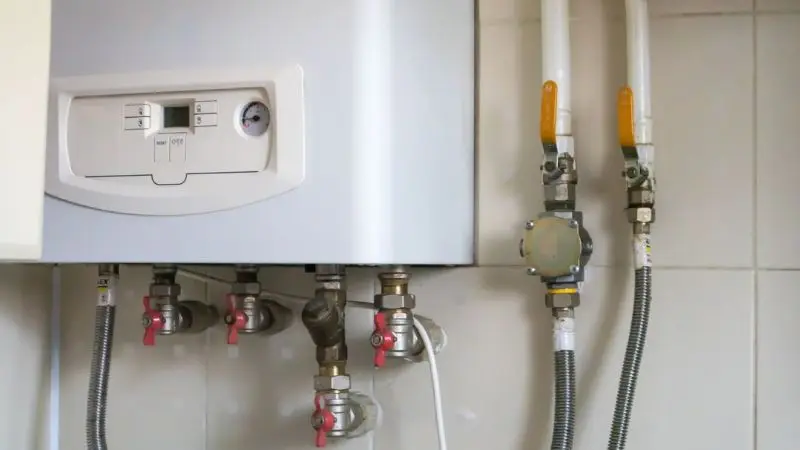
Diverse shops may require different styles of heating, though diesel heaters come in many forms, meaning they can cater to these requirements. Choosing a heater is not easy, and several factors need to be considered. The heater you need will depend on how large the area is, how quickly you want heat, and what type of work you do. If you know the differences between each type of heater, it is easier to choose one that gives consistent warmth while using fuel efficiently.
Here are the most common diesel heater types for installation in garages, workshops, or larger industrial locations — especially helpful when comparing diesel heater vs propane heater for shop heating.
Why Forced-Air Heaters Work Well in Large Shops
Forced-air diesel heaters give you speedy and powerful heating. The unit pulls in cool air for speedy heating before pushing warm air across the workspace. These are great for chilly days when you want instant solace plus fast heating back up. Forced-air systems can fill large spaces with warm air in minutes, whether your shop has a draft or is poorly insulated
.
In large spaces where heat needs to be evenly distributed quickly, these heaters work wonders — making them a popular choice for anyone learning how to heat a large shop with a diesel heater. A lot of designs come with wheels and/or handles that facilitate easy movement in busy places. If you have heavy equipment, using your heater with a diesel fuel tank heater can keep the fuel warm and maintain a strong airflow when it freezes. Forced-air heaters are extremely effective in workshops where stabilization of the temperatures of tools and materials is required all day.
How Radiant Heat Creates a Comfortable Workspace
Unlike forced-air models that warm a room, radiant heaters do not do this but energize objects and people directly. It creates a soft warmth that you feel works faster the closer you stand to the heater. Radiant models work quietly and efficiently. They are perfect for the workshop for which you need selective heating rather than whole-room heating.
Radiant heaters are ideal for small areas or workstations such as benches, tool sections, or garages for vehicle repairs. They are preferred for woodwork and fine-detail work due to the quiet operation and not blowing dust around as they warm surfaces rather than airflow. A compact radiant garage unit works great when you want a warm spot without burning fuel in other areas. For cold weather and climates, the best diesel fuel heater for cold weather installed with a radiant heater helps the fuel flow for the heater to perform efficiently every time you turn it on.
Choosing the Right Heater Size for Your Shop
Diesel heaters are great for a variety of shops, and they come in all sizes. Industrial heaters send out a high level of heat for use in warehouses and construction spaces. Smaller heaters are designed for home garages, small businesses, or part-time workshops. Selecting a heater requires knowing the heating demand of your shop, which determines its power.
Industrial diesel heaters circulate hot air through a large area, making them an ideal choice to prevent rapid heat loss. More fuel is required, but the heat produced is stable for demanding environments. Smaller shop heaters are mostly about efficiency, steady warmth, space saving, and fuel saving. These small units are great when you want to heat an area but can’t afford or fit a big one. If your store uses equipment in cold weather, knowing how to install a diesel fuel heater can help support the smooth flow of your fuel and overall system performance. For comfort, safety, and long-term dependability, you should match the size of the heater to your workshop.
How to Calculate the Right Heater Size for Your Shop
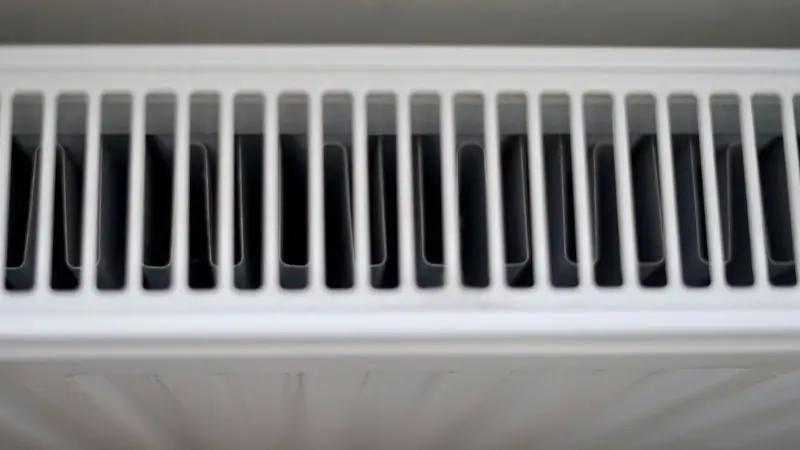
Choosing the best heater size has the most significant impact on the warmth and comfort of your shop. Whether you are selecting the most efficient diesel heater for a workshop or trying to optimize a larger space, understanding heat output is essential. Rather than playing a guessing game, it helps to learn how heat output is measured and what affects your heater’s performance. It’s much easier to choose the heating power when you are aware of the shop layout, climate, and insulation level.
Here are the key points to consider so that your diesel heater can run effectively without wasting diesel.
Understanding BTU Requirements
BTU stands for British Thermal Unit and is the primary measurement of how much heat a unit can produce. This becomes even more important when choosing the best diesel heater for a small shop, where too much or too little power affects performance. A gas heater with a higher BTU capacity is ideal for large spaces, whereas a gas heater with a lower BTU capacity is ideal for a small area.
When selecting a heater for your shop, it is important to ensure that it generates the right amount of heat, as a poorly-chosen heater will either fail to provide adequate heating or waste unnecessary levels of fuel. Many models quote their BTU ratings outright. That includes units paired with a diesel fuel tank heater, which ensures your fuel flows freely during low temperatures. Before you make a purchase, always check the BTU rating against the size of your shop.
Insulation, Ceiling Height, and Climate Impact
Your shop’s structure affects how much heat it can hold. Good insulation ensures heat is trapped within a space. In contrast, thin walls or gaps allow heat to escape easily. This becomes important when deciding how to heat a large shop with a diesel heater, because poor insulation requires significantly more power. A tall space, with a higher ceiling, will require a lot more heated air to reach a comfortable temperature.
The climate must be considered too. For example, if you’re in a colder region, you’ll need strong heaters to stay warm during the long winter months. A mild climate may not need as much heat to keep the fuel warm. A low-BTU unit and a small diesel fuel heater system will do. By understanding these features, you can select a heater that is functional without any added power.
Step-by-Step Heater Size Calculation Guide
To calculate heater size, measure the volume of your shop. To find the total cubic feet, first measure the length, width, and height. Then multiply those numbers. Once you know your space, compare it with the typical BTU ranges for different insulation levels. This step is crucial, whether you’re using diesel equipment or comparing heating methods such as a diesel heater vs a propane heater for shop environments.
Shops with poor insulation need more heating power; insulated workshops can use lower BTU units. Resize or use a different size to change the parameters of the generator; explicitly mention the equipment to be powered. This combines well with the best diesel fuel tank heater for cold weather to get a reliable flow of fuel in cold weather.
Must-Have Features in a High-Quality Diesel Heater
A high-quality heater should be efficient, durable, and easy to use — essential qualities for any diesel heater for a shop setup. It shares several important features that will make it easier to use, safer to use, and more durable in the long run. With the control features, long life, and clean operation, these can make your heating experience much better. If you know what to look for, you can choose a heater that performs well season after season.
When it comes to picking a good diesel heater for any shop, the key features matter the most.
Adjustable Thermostats and Temperature Controls
A good heater can easily manage the temperature of your home. With an adjustable thermostat, you can set the degree of heat you prefer. By altering the thermostat, your workspace can feel warm but not too warm, or whatever works for you. These controls are especially important if you aim to run the most efficient diesel heater for workshop operations.
Some models have a digital display, while others have manual dials. Temperature control saves fuel and prevents overheating, whichever you prefer. When you add a diesel fuel heater for trucks and heavy equipment, these features are even more powerful. They ensure quality diesel flows properly and performance remains constant. Easy controls make your shop warmer with less effort
Automatic Shutoff and Safety Features
Safety is one of the most important aspects of any heater. To protect you from any danger, these heaters will switch off automatically in case of overheating or falling. Many shop owners looking for the best diesel heater for a small shop choose units with automatic shut-off and oxygen sensors to prevent overheating or poor air quality.
These safety features let you work with confidence without having to check the heater constantly. Many of the more sophisticated models are equipped with systems to keep them operating safely almost all of the time, even with a diesel fuel heater. If you choose a heater that has strong safety features, you can keep your workspace warm without putting anything at risk.
Easy Maintenance and Long Lifespan
The lifespan and effectiveness of your heater will increase if it is easy to maintain. Seek out units with removable panels, reachable components, and simple filters. If you keep things clean regularly, debris won’t build up. Plus, it improves fuel efficiency and helps keep things running smoothly. A heater that is well-maintained will require fewer repairs over time.
It is more impactful in colder climates that rely on heaters for extended periods of time. In particular, how to install a diesel fuel heater setup for uninterrupted fuel flow. A sturdy heater with smart features will remain reliable throughout many heating seasons.
Low-Emission and Fuel-Efficient Designs
Newer diesel heaters burn fuel cleaner and more efficiently than older versions of the heater. Low-emission heaters burn fuel cleanly and efficiently. This is an important feature of any diesel heater for a shop, especially when used throughout winter. These heaters save you money by consuming less diesel and provide powerful heating.
Newer models are designed to burn as efficiently as possible, ideal for those who use their appliance daily or heavily. When paired with diesel fuel tank heater benefits, designs guarantee clean fuel flow and operation even in cold weather conditions. Cleaner performance also means better long-term value.
Common Mistakes to Avoid When Choosing a Diesel Heater
While choosing a diesel heater seems straightforward, most shoppers often miss important details that affect safety, comfort, and the long-term performance of the heater.
If you know what not to do, all will be less expensive and frustrating later. Mind the following mistakes when heating a large workshop or small garage to ensure your heater does not work inefficiently or unsafely.
Here are the errors most buyers make, plus how you can make better heating decisions.
Why Proper Ventilation Matters When Using a Diesel Heater
People assume their shop has enough airflow, which is a big mistake. When diesel heaters don’t have air to breathe, things can get uncomfortable and quite unsafe if you are working at a site with bad air quality. Most users don’t understand how much air movement is needed, especially in a sealed garage.
Always think about how air will circulate in your shop when your shop heater is installed. Opening windows, using your roof vents, or allowing air to flow will stop fumes and keep you safe. When using extra gear like a heater for the diesel fuel, adequate ventilation is additionally essential for smooth combustion and a cleaner operation.
How Choosing the Wrong Size Heater Affects Performance
Another common problem first-time buyers face is a mismatched heater size. If a heater is too small for the shop, it will have to work harder to heat the shop. This will make it run longer and more often, which will make it waste fuel. A heated unit that is too big will turn on and off too much. This will make the environment uncomfortable and wear out the unit.
An important step to successfully using your heater is measuring your space, figuring out your insulation level, and comparing that number with the heater’s BTUs. Many shop owners weigh the advantages of a diesel fuel tank heater when selecting a larger model, thus keeping the fuel warm and flowing in cold weather. A correctly sized heater gives you uniform warmth without wasting energy.
Why Operating Costs Matter More Than You Think
It is easy to price the heater, but many users don’t assess the long-term operation cost. Most diesel heaters have their fuel efficiency rating. But some models are burning much faster than others. If a heater doesn’t use a lot of fuel, you might think it is going to heat your shop well, but it will be far more expensive to run for the whole winter. The monthly price you pay is affected by fuel consumption, tank size, and burn technology.
It makes sense financially to support and finance a model that uses less fuel. Heating is switched on permanently in a colder climate. Many of the shop owners attach a fuel-efficient heater to the best diesel fuel heater when the weather gets really cold. This way, it maintains a smooth performance without affecting fuel usage.
How Noise Levels Impact Your Shop Environment
When the heater is operating, people often ignore the noise until it’s too late. Although some diesel heaters are pretty quiet, others can be loud enough to distract you from your work or conducting business in your shop. If your job requires you to work on projects that need focus, the sound level matters a lot.
Before you make your purchase, check the decibel rating to ensure it won’t be a constant distraction. A heater that runs quietly makes things more comfortable. For example, a diesel fuel heater and heavy equipment will keep everything stable, which helps the heater burn smoothly without firing up loudly and disrupting people nearby.
VEVOR Diesel Heater: A Reliable Option for Shop Heating
Many shopkeepers wish for a heater that is potent, easy to use, and dependable in different conditions. The VEVOR diesel heater provides a good balance of features for use in a garage, workshop, and shed. Its compact design allows it to fit into small spaces without taking up too much room, yet it still produces enough heat for wider environments. Due to the cold weather, it can be used for personal and professional needs.
Why the VEVOR Diesel Heater Is a Practical Choice
VEVOR heater’s fast and even heating allows your workspace to warm up in just a few minutes. The easy controls let you adjust the temperature quickly by using a dial or the remote. Another benefit is that it operates quietly, allowing you to work on a long project in peace. You can move the heater around your house so you can stay warm whenever and wherever you have trouble finding warmth.
Users say that this model is inclusive of safety features. Also, the diesel fuel heater allows the device to work without any issues during cold-weather use. The VEVOR heater is robust and practical for shop owners seeking newer heat without complex installation.
Wrap Up
The correct diesel heater for shop use can make your shop warmer, safer, and cozier in all seasons. When you know your space, insulation, climate, and heating needs, it makes it much easier to find a model that fits. Ensure dependable features, higher mileage, and safer operation, let your heater work well through the years. If you want a portable heater, a fixed unit, or accessories like a diesel fuel tank heater, you can get a continuous heat supply without wasting any energy. With thoughtful planning and smart choices, you can enjoy a warm, efficient, and productive workplace every day.
FAQS
How often should I service my diesel heater?
If you are using the heater a lot, service it every couple of months. Clean filters, check fuel lines, and remove dust buildup. By performing regular maintenance, you can improve efficiency, prevent breakdowns, and extend the life of the heater.
Is it safe to operate diesel heaters in cool weather?
Yes, diesel heaters work well in cold weather. A diesel fuel tank heater keeps the fuel warm enough to prevent it from thickening. This will help the fuel to ignite properly, and the vehicle can provide consistent heating output in freezing temperatures.
Is a diesel heater affordable for heating your shop?
Diesel heaters are cost-effective as they generate intense heat with little fuel. If you choose a model that is fuel-efficient, you can reduce running costs and keep your shop warm. You won’t have to deal with inflated monthly operating costs.